Camper AC Fan Motor Guide for Better Cooling Efficiency
A camper AC fan motor helps move air through the cooling system, so the right replacement can restore airflow and improve comfort. The key is matching the exact unit specs and checking the rest of the AC for related problems before buying.
If your RV air conditioner is blowing weakly, getting louder, or not moving enough air through the vents, the camper AC fan motor may be the part to inspect first. The right replacement can restore airflow and help the whole cooling system work more efficiently, but only if it matches your unit’s specifications and wiring.
- Fit first: Match voltage, RPM, shaft, mount, and wiring to the original motor.
- Don’t guess: Weak cooling can come from capacitors, coils, vents, or wiring, not just the motor.
- Airflow matters: Better fan performance can improve heat exchange and reduce hot spots.
- Safety first: Stop using the unit if you see burning smells, melted insulation, or repeated trips.
- Maintenance helps: Clean filters, clear vents, and inspect for vibration and corrosion regularly.
Camper AC Fan Motor: What It Does and How to Tell If You Need One
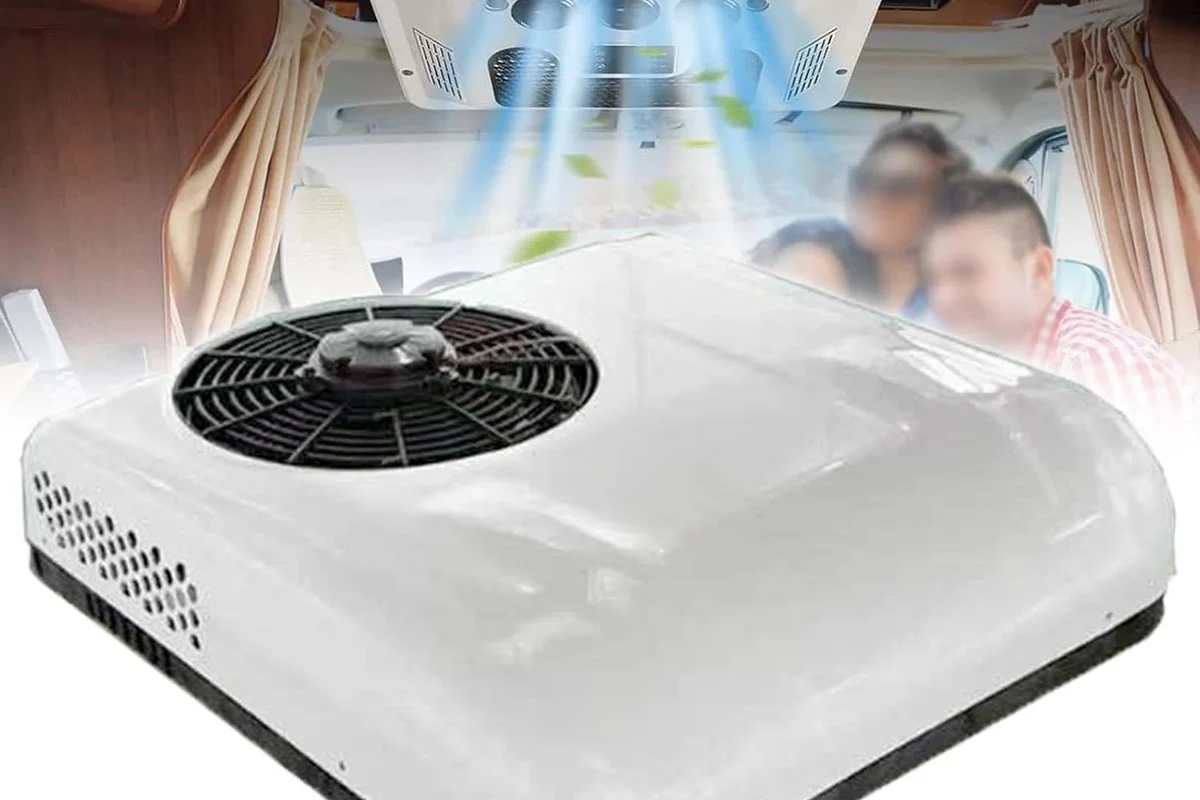
The fan motor is the component that spins the blower or condenser fan inside the camper AC system, depending on the design. Its job is simple in concept but critical in practice: move air across the evaporator and out through the vents so heat can be removed from the cabin.
When the motor starts to fail, the symptoms often show up as reduced airflow, unusual buzzing or grinding, intermittent operation, overheating, or a breaker that trips more often than usual. Those signs can also point to a capacitor, relay, dirty coil, blocked vent, or wiring issue, so it’s smart to confirm the full cause before buying a replacement.
Stop using the unit if you smell burning, see melted insulation, or notice repeated electrical trips. Those are signs that the problem may be electrical, not just mechanical, and the safest next step is a qualified inspection.
How a Camper AC Fan Motor Works in the Cooling System

A camper AC system depends on airflow as much as refrigeration. The compressor makes cooling possible, but the fan motor is what helps transfer that cooling effect into the living space by pushing air across the cold coil and moving warm air away from the hot side of the system.
Airflow Path, Heat Exchange, and Why Motor Speed Matters
Air enters the return side of the unit, passes through the evaporator coil, and exits as cooler air into the camper. On the other side of the system, a separate fan path may move heat away from the condenser coil, which helps the refrigerant cycle keep working efficiently.
Motor speed matters because airflow and heat exchange are linked. If the motor runs too slowly, the AC may cool poorly and stay on longer; if it runs too fast or is mismatched, it can create noise, excess vibration, or stress on the unit. Real-world performance also depends on duct layout, filter condition, vent size, roof insulation, and outside temperature.
In many RV AC systems, a weak fan can make the unit feel like it has a refrigeration problem even when the compressor is still working normally.
Common Motor Types Used in RV and Camper Air Conditioners
Camper AC units commonly use shaded-pole, PSC (permanent split capacitor), or similar single-phase motors, though exact designs vary by brand and model. Some systems use a single motor for the blower, while others separate indoor airflow from outdoor heat rejection.
The important point is not the motor name alone, but whether the replacement matches the original unit’s electrical and mechanical requirements. That includes voltage, rotation direction, shaft style, mounting, and speed profile.
Who This Guide Is For: Matching the Motor to Your Camper and AC Unit
This guide is for owners who need to replace a worn-out camper AC fan motor, troubleshoot weak airflow, or compare replacement options before ordering parts. It also helps if you are trying to decide whether the motor is the real failure point or just one piece of a larger service issue.
RV Size, Roof-Mount vs. Ducted Systems, and Compatibility Checks
Compatibility starts with the AC model number, not just the camper brand. Roof-mount units, ducted systems, and non-ducted systems can all use different blower layouts, harnesses, and motor brackets, even when they look similar from the outside.
- Check the exact AC model number and serial information from the unit label
- Match voltage, shaft size, rotation, mounting, and connector style
- Confirm whether the unit is ducted, non-ducted, or roof-mount specific
- Review the official parts diagram or manual before ordering
When Replacement Makes Sense vs. When a Full AC Service Is Better
Replacing the motor makes sense when the unit has clear motor symptoms and the rest of the system is in good shape. If the coil is dirty, the capacitor is failing, wiring is damaged, or the unit is overheating from restricted airflow, a broader service may be more effective than swapping one part.
If the AC is older and multiple components are wearing out, replacement cost can approach the value of a more complete repair. In that case, compare the motor price, labor, and the condition of the compressor, fan assembly, and control board before deciding.
Key Specifications to Verify Before Buying a Camper AC Fan Motor
The most common buying mistake is choosing a motor by appearance alone. For camper AC parts, the safest approach is to verify the exact specifications against the old motor label, the unit manual, or the manufacturer’s parts list.
Voltage, Horsepower, RPM, Shaft Size, and Mounting Style
Voltage must match the system requirement. Horsepower and RPM should also align closely with the original motor, because even small differences can affect airflow, starting behavior, and noise.
Shaft diameter, shaft length, rotation direction, and mounting pattern are just as important. If any of those are off, the motor may not fit the blower wheel or bracket correctly, even if the electrical rating looks right.
Noise Level, Efficiency, and Heat Tolerance
Noise level matters in a camper because the AC often runs close to where people sleep or relax. A quieter motor can improve comfort even if cooling output stays similar, but noise should never be the only buying factor.
Efficiency and heat tolerance also matter because roof units operate in hot, cramped spaces. A motor that handles heat well and runs within its intended load range is more likely to last than one that is forced to work outside its design limits.
If the old motor failed from heat stress, inspect the filter, coil, vents, and blower wheel before installing the replacement. Improving airflow around the motor can help the new part last longer.
Warranty, Brand Support, and Parts Availability in 2026
Warranty terms vary by brand and retailer, so read the current policy before buying. In 2026, parts availability is still a practical issue for older RV systems, and some motors are easier to source than others depending on the AC model and supplier network.
Brand support matters because a replacement that has a clear parts diagram, model cross-reference, and accessible documentation is easier to verify than a generic listing with limited details. If support information is thin, confirm compatibility with the official manual or a qualified RV parts specialist before ordering.
Performance Benefits, Real-World Trade-Offs, and Limitations
A correctly matched camper AC fan motor can improve airflow, reduce hot spots, and help the unit cool more consistently. But the motor is only one part of the system, so gains depend on the condition of the rest of the AC and the layout of the camper.
Cooling Efficiency, Airflow Improvement, and Energy Use
Better airflow usually means better heat exchange, which can make the AC feel more responsive. In practical terms, that may help the unit reach the set temperature faster and avoid long, inefficient run times.
Energy use is more complicated. A healthy motor can help the system work as intended, but actual power consumption still depends on compressor load, fan speed, ambient temperature, insulation, and thermostat settings. A replacement motor is not a guaranteed energy-saving upgrade unless the old one was failing.
A properly matched replacement is best for owners who have confirmed motor failure and want to restore normal airflow without changing the rest of the AC system. It is less useful if the real issue is dirty coils, bad wiring, or a larger mechanical fault.
Common Drawbacks: Compatibility Issues, Wiring Differences, and Cost
The biggest drawback is compatibility. Similar-looking motors may differ in connector type, capacitor requirements, rotation, or shaft dimensions, which can turn a simple swap into a frustrating return or extra repair visit.
Wiring differences are another concern. Some replacements require adapters or rewiring that should only be done according to the official instructions. Cost can also rise quickly if you need a motor, capacitor, labor, and additional AC service at the same time.
Installation and Setup Guide: Safe Replacement Basics
Motor replacement is often straightforward for experienced DIYers, but it still involves electrical components, tight spaces, and sharp sheet metal. If you are not comfortable working around AC wiring, it is better to stop and get help.
Power Disconnection, Access Panel Removal, and Inspection Steps
Shut off shore power, generator power, and battery-fed circuits connected to the AC before opening the unit.
Remove the service panel only as directed by the manufacturer and keep track of screws, covers, and gaskets.
Look for burned connectors, damaged insulation, dust buildup, loose brackets, or a failing capacitor that may have contributed to the problem.
Wiring, Mounting, and Cable Condition Checks
Before installing the new motor, compare the wiring layout, connector style, and capacitor requirements with the original setup. Do not guess at wire placement if the label or diagram is unclear.
Check the cable condition carefully. Brittle insulation, heat discoloration, or loose terminals are signs that the issue may extend beyond the motor itself. A secure mount is also important because vibration can shorten motor life and increase noise.
If the fan wheel is cracked, bent, or rubbing the housing, replacing only the motor may not solve the airflow problem. The full assembly may need inspection.
When to Call a Technician Instead of DIY
Call a technician if the wiring is unclear, the unit has repeated electrical faults, the motor is hard to access, or the AC uses a control board you are not comfortable diagnosing. Professional help is also the safer choice when you suspect compressor problems, capacitor failure, or heat damage in multiple parts.
Maintenance, Storage, and Safety Tips for Longer Motor Life
Good maintenance can extend the life of a camper AC fan motor and reduce the chance of a midsummer failure. Most of the work is simple: keep the unit clean, dry, and free from airflow restrictions.
Cleaning Dust, Checking Bearings, and Preventing Overheating
Dust buildup makes the motor work harder and can trap heat around the assembly. Regularly clean accessible filters, vents, and surrounding compartments according to the owner’s manual, and listen for changes in sound that can indicate worn bearings or imbalance.
- Replace or clean filters on the schedule listed by the manufacturer
- Listen for squealing, scraping, or humming that changes with fan speed
- Keep vents and return paths clear of storage items, pet hair, and debris
- Check for vibration after service, because loose parts can wear the motor faster
Off-Season Storage, Moisture Control, and Periodic Inspection
During storage, moisture control matters because rust and corrosion can affect motor bearings, connectors, and brackets. Keep the camper dry where possible, and inspect the AC compartment before the next season starts.
A quick preseason check can catch loosened fasteners, dust accumulation, or damaged wiring before the unit is put under heavy load again. That is especially useful if the camper sits unused for long periods.
Safe Use Limits and Warning Signs of Failure
Do not keep running a motor that is overheating, making grinding noises, or starting and stopping erratically. Those are early signs that the part may fail completely, and continued use can damage other AC components.
If the unit smells hot, trips protection repeatedly, or causes visible discoloration near wiring or terminals, stop using it and follow the manufacturer’s service guidance. In a camper, a small electrical issue can become a larger safety problem quickly.
Buying Advice and Final Recommendation for 2026
The best camper AC fan motor is the one that matches your exact unit, restores airflow, and comes with clear documentation. For most buyers, fit and support matter more than chasing the lowest price or the highest advertised performance claim.
Best Value vs. Premium Choices and What to Prioritize
Value-focused buyers should prioritize exact compatibility, a reliable seller, and a documented return policy. That approach is usually the safest path when part numbers, connector styles, or motor families vary across similar-looking RV AC systems.
Premium choices are worth considering when you need stronger documentation, better support, or a replacement that is easier to verify against the original unit. The premium option is not automatically better, though; it still has to match the system correctly.
- Match the motor to the exact AC model, not just the camper brand.
- Verify voltage, RPM, shaft, mount, and wiring before buying.
- Replace the motor only after checking coils, capacitors, vents, and wiring.
- Clean and inspect the system regularly to reduce heat and wear.
Common Mistakes to Avoid and the Final Verdict
Avoid buying by appearance, skipping the manual, or assuming a noisy AC always means a bad compressor. Also avoid reinstalling a motor without checking the fan wheel, capacitor, and wiring condition, because those parts often affect the result.
A camper AC fan motor replacement is a smart fix when the original part is clearly worn and the replacement is matched carefully to the unit. If compatibility is uncertain or the system shows broader electrical or airflow problems, a full AC inspection is the better next step.
Frequently Asked Questions
Common signs include weak airflow, unusual grinding or buzzing, overheating, and repeated breaker trips. These symptoms can also come from a capacitor, wiring issue, or dirty coil, so confirm the cause before replacing parts.
Verify voltage, horsepower, RPM, shaft size, rotation direction, and mounting style against the original motor or official parts diagram. A close visual match is not enough if the electrical or mechanical specs differ.
Some owners can handle it if they are comfortable working around electrical components and following the manual exactly. If wiring is unclear, access is difficult, or damage looks extensive, a technician is the safer choice.
It can improve airflow and help the AC transfer heat more effectively, especially if the old motor was worn. Actual results still depend on coil cleanliness, duct design, insulation, and outdoor temperature.
Keep filters, vents, and coils clean, and inspect for vibration, loose fasteners, and heat damage. Off-season moisture control and periodic checks can also reduce wear and corrosion.
Confirm the current model number, parts diagram, warranty terms, and return policy before buying. If the unit is older or documentation is limited, double-check compatibility with the manufacturer or a qualified RV parts source.