Dry Cleaners Steam Press Guide for Crisp Results
A dry cleaners steam press is best for people who press a lot of shirts, trousers, and linens and want faster, more consistent results. If you need portability, precision, or simple occasional touch-ups, a regular iron or handheld steamer is usually the better choice.
A dry cleaners steam press is a large, heated pressing appliance that helps smooth shirts, pants, linens, and other washable fabrics faster than a handheld iron. It can be a smart buy for high laundry volume, but it is not the right fit for every home or fabric type.
- Best fit: Frequent pressers with enough storage space and mostly press-friendly fabrics.
- Main advantage: Wide coverage can reduce repeated passes on flat garments and linens.
- Main limitation: It is bulkier and less precise than a standard iron.
- Buy smart: Compare plate size, heat-up time, steam output, tank capacity, and safety features.
- Use safely: Follow the manual, fabric care labels, and cooldown guidance every time.
Dry Cleaners Steam Press Guide for Crisp Results: What It Is and Whether You Need One
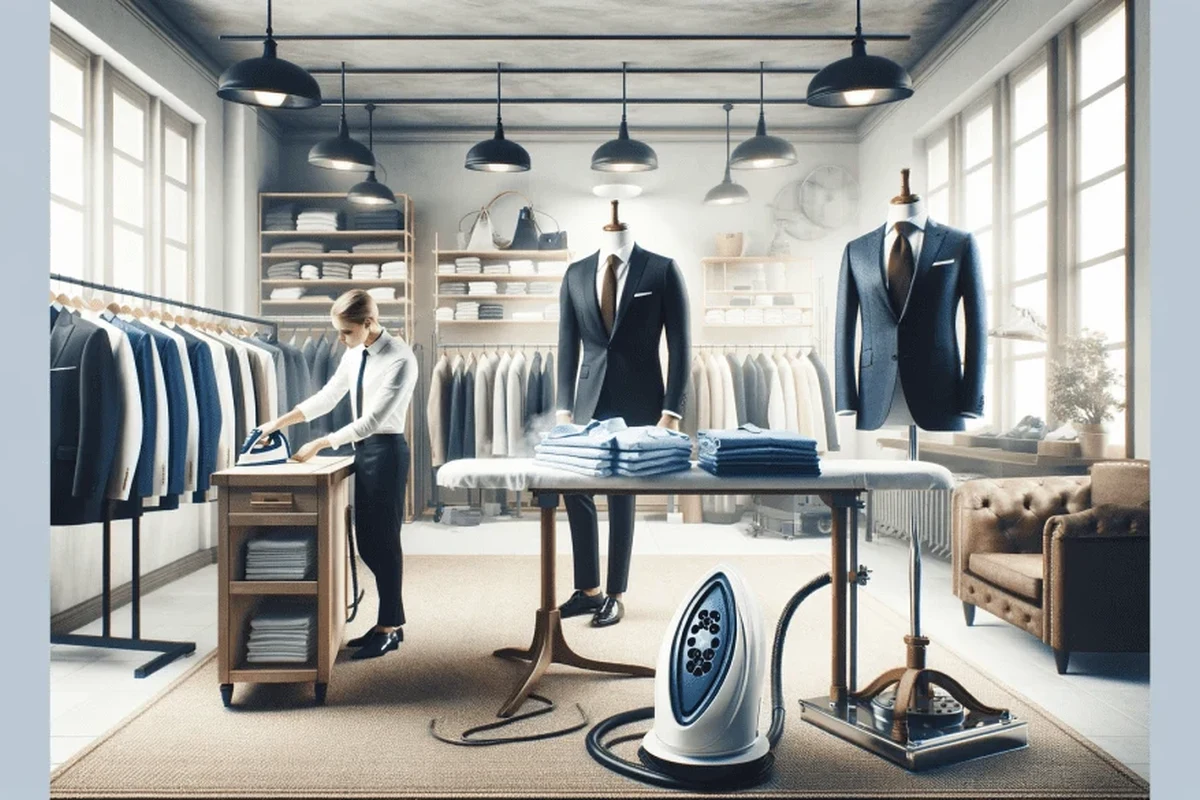
A dry cleaners steam press is designed to flatten fabric with a wide heated surface, controlled steam, and steady pressure. Compared with a regular iron, it is built for bigger surfaces and more repetitive pressing, which is why it shows up in laundries, tailoring rooms, and busy homes with lots of shirts or bedding.
For GadgetMakersBlog readers, the key question is simple: do you need speed and consistency more than portability and flexibility? If you only press a few garments now and then, a standard iron or handheld steamer may be easier. If you regularly handle stacks of laundry, uniforms, or household textiles, a steam press can reduce time spent moving section by section.
How a Dry Cleaners Steam Press Works: Steam, Pressure, and Fabric Smoothing Basics
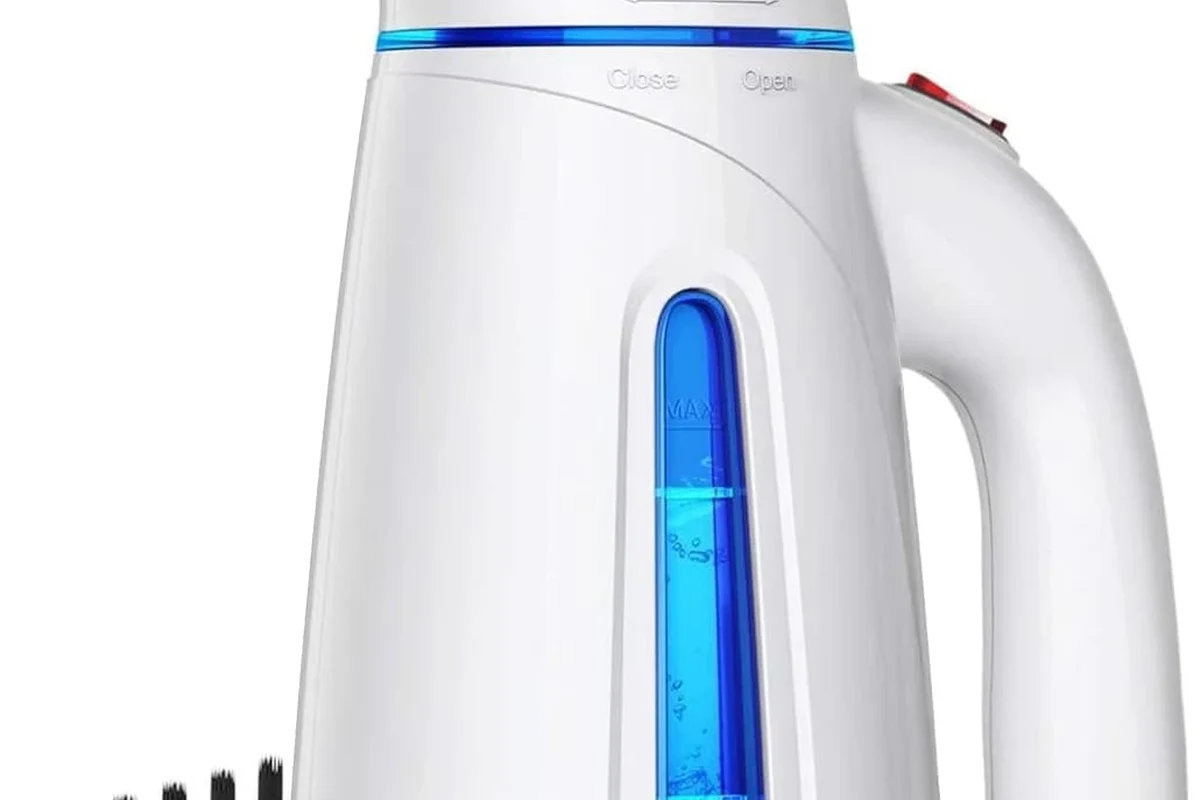
The basic idea is straightforward: heat relaxes fibers, steam adds moisture to help release wrinkles, and the pressing surface applies even contact across a larger area. Instead of moving a small iron back and forth, you lower the press onto fabric and let the machine do much of the smoothing work.
Steam delivery, heated platen, and pressing surface explained
Most models use a heated platen or upper plate paired with a lower pressing surface. Steam may come from an internal tank or reservoir and travel through the platen to help soften wrinkles before or during pressure is applied. The exact steam path, temperature control, and pressure behavior vary by model, so the official manual is the best place to confirm how your machine is meant to operate.
Steam presses are often favored for flat items because a larger contact area can reduce the number of passes needed compared with a small iron.
Why it outperforms a standard iron for larger garments and linens
The advantage comes from coverage. A steam press can handle wider sections of a shirt front, table linen, or bedding panel in one motion, which helps keep results more uniform. That said, an iron still wins for detail work around collars, cuffs, pleats, pockets, and seams where precision matters more than speed.
If you want a better sense of how steam-based tools fit into a home setup, our guide to the Crane 2 In 1 Warm Mist Steam Inhaler shows how steam delivery changes use cases in a different category.
Who a Dry Cleaners Steam Press Fits Best in 2026
In 2026, the best buyers are still the people who press often enough that setup time and repeatability matter. A steam press can make sense in homes that generate a steady flow of school uniforms, office shirts, hospitality linens, or sewing and tailoring projects.
Best use cases for home laundry rooms, small businesses, and tailoring setups
Home laundry rooms benefit when one appliance can handle multiple garments in a row. Small businesses such as alteration shops, uniform services, and boutique cleaning setups may value the consistent finish and faster workflow. Tailoring and costume work can also benefit when the goal is to smooth larger panels before cutting, hemming, or finishing.
Frequent pressers who want faster coverage on shirts, trousers, and linens, and who have enough counter or floor space to keep the machine accessible.
Who should skip it: casual users, delicate-fabric owners, and space-limited homes
If you press only occasionally, the machine may feel oversized and inconvenient. Homes with mostly delicate fabrics, highly textured garments, or lots of trim may also find a traditional iron more forgiving because it offers finer control. And if storage is tight, a steam press can become more hassle than help because its footprint is usually much larger than a handheld tool.
- Fast coverage on large flat fabrics
- More consistent pressure than hand ironing
- Useful for repeated laundry routines
- Bulkier than a standard iron
- Less precise on small details
- Not ideal for every fabric or trim type
Key Specs and Buying Criteria to Compare Before You Buy
Because model designs vary widely, it helps to compare practical criteria instead of focusing on marketing language. The most useful spec sheet is the one that tells you how the machine will fit your laundry routine, your space, and your fabrics.
Plate size, wattage, heat-up time, steam output, and pressure settings
Plate size affects how much fabric you can press at once, while wattage often influences how quickly the unit heats up and maintains temperature. Steam output and pressure settings matter because they shape how aggressively the machine smooths wrinkles. If a listing does not clearly explain these details, check the manufacturer’s specification sheet or manual before buying.
Water tank capacity, cord length, build quality, and safety shutoff features
Tank size affects how often you need to pause and refill. Cord length matters more than many buyers expect, especially in laundry rooms where outlets are not always in the best location. Build quality should be judged by hinge stability, plate alignment, and the clarity of the control layout. Automatic shutoff, overheat protection, and other safety features should be verified in the manual, because these protections vary by model and region.
Always confirm the manufacturer’s instructions for fill level, water type, and cooldown time. Never ignore a damaged cord, loose hinge, unstable base, or overheating behavior.
Dimensions, storage footprint, and noise level for home-gadget buyers
For home gadget shoppers, the real-world footprint can matter more than the spec sheet headline. Measure where the machine will live, including clearance for opening, cooling, and refilling. Noise level is usually not the first buying concern, but it can matter in apartments, shared homes, or early-morning laundry routines.
- Check the model number, dimensions, and pressing area
- Confirm fabric compatibility and safety shutoff details
- Verify storage space, cord length, and refill access
- Review the warranty, manual, and maintenance guidance
Real-Use Benefits, Trade-Offs, and Limitations of Steam Pressing
The main value of a steam press is efficiency on broad surfaces. The main limitation is that the same design can be awkward when the job becomes small, curved, or highly detailed.
Where it saves time: shirts, trousers, curtains, bedding, and uniforms
Steam presses tend to shine on flat or semi-flat items such as dress shirts, trousers, tablecloths, curtains, pillow shams, and uniforms. They can also help when you need to repeat the same finish many times, which is useful for families, rental hosts, or small service businesses. For bulky laundry workflows, our coverage of cordless backpack vacuum cleaners is another example of how specialty home tools can speed up repetitive chores.
The time savings usually come from fewer passes and less repositioning, not from magic wrinkle removal. Garments still need to be aligned carefully, and some areas may need a follow-up touch-up with a smaller iron.
Common drawbacks: bulk, learning curve, fabric restrictions, and wrinkle edge cases
Steam presses are heavier and less portable than handheld tools. They also require a short learning curve because too much steam, poor alignment, or the wrong temperature setting can leave creases or shine marks. Some fabrics and decorated garments are poor candidates, and deep wrinkles near seams or edges may still need manual work.
- Use the press for broad panels first, then finish details with a smaller iron if needed.
- Test any unfamiliar fabric on a hidden area before pressing the full garment.
- Keep embellishments, zippers, and thick seams away from direct pressure when possible.
How to Use a Dry Cleaners Steam Press Safely and Effectively
Good results usually come from preparation, not force. The safest approach is to follow the manual closely, start with conservative settings, and treat the machine as a heat appliance that deserves the same caution you would give a stove or iron.
Setup steps, water type, garment prep, and temperature selection
Leave room to open, close, and cool the press without blocking vents or cords.
Use the water type recommended by the manufacturer, since mineral buildup can affect performance over time.
Smooth out folds, empty pockets, and avoid pressing over hard objects or thick decorative pieces.
Start lower for uncertain fabrics and increase only if the manual allows it.
Safe use limits for cotton, wool blends, synthetics, and delicates
Cotton and many cotton blends are usually the easiest fabrics for steam pressing, but the exact safe temperature still depends on the garment care label. Wool blends may tolerate gentle steam in some cases, though shape distortion is a risk if the fabric is compressed too aggressively. Synthetics can be more sensitive to heat, and delicate items, coatings, or bonded fabrics may be better suited to a low-heat method or no press at all. When in doubt, follow the care label and the appliance manual rather than guessing.
Common mistakes to avoid: over-steaming, scorching, and pressing on zippers or embellishments
Over-steaming can leave fabric damp instead of crisp, which often leads to more wrinkling later. Scorching is a more serious problem and usually means the setting was too hot or the fabric stayed in contact too long. Avoid pressing directly on zippers, snaps, thick embroidery, plastic decals, or glued embellishments unless the manufacturer specifically says it is safe.
Stop using the appliance if it shows unstable heat, leaking water, loose parts, frayed cords, or a damaged hinge, and follow the manufacturer’s service guidance before continuing.
Maintenance, Cleaning, and Storage for Long-Term Performance
A steam press can last longer and work more consistently when you keep the water system clean and the pressing surfaces in good condition. Maintenance is not complicated, but it is important because heat, moisture, and minerals can gradually affect performance.
Descaling, tank care, platen cleaning, and inspection of cords and seals
Descaling matters in areas with hard water, but the correct method depends on the model. Some units call for specific cleaning cycles or approved descaling products, while others advise against certain chemicals. Empty the tank when the manual recommends it, wipe the platen only when the machine is cool, and inspect cords, seals, and hinges regularly for wear.
Maintenance intervals vary by model, water quality, and how often the press is used. The manual should always be the first reference for approved cleaning steps and replacement parts.
Storage guidance, replacement parts, and when maintenance affects performance
Store the press in a dry place with enough clearance so the plate and controls are not stressed. If the machine starts heating unevenly, steaming weakly, or leaking around the tank or seals, maintenance may be overdue or a part may need replacement. For any parts that touch heat, water, or electrical components, use only the manufacturer-approved replacements.
Final Recommendation: Is a Dry Cleaners Steam Press Worth It in 2026?
A dry cleaners steam press is worth considering if your laundry routine is frequent, your fabrics are mostly press-friendly, and you have the space to keep a larger appliance accessible. It is less compelling if you want a lightweight tool, mostly handle delicate garments, or only need wrinkle removal occasionally.
Value verdict by user type, budget, and laundry volume
For high-volume users, the value comes from speed, consistency, and reduced effort on large items. For moderate users, the decision often depends on whether the convenience outweighs the footprint and learning curve. For casual users, the cost and storage demands usually make a traditional iron a better fit.
Best alternatives if you need portability, lower cost, or simpler care
If you need portability, look at a handheld steamer or a compact travel iron. If you want lower cost and easier storage, a quality standard iron may be all you need. If your main concern is quick touch-ups rather than full pressing, a smaller garment steamer may be the simpler option.
Choose a dry cleaners steam press if you press often, work with larger garments or linens, and can accommodate the machine’s size and care requirements. Skip it if you need precision, portability, or a low-maintenance tool for occasional use.
Frequently Asked Questions
It is used to smooth shirts, trousers, linens, and other flat fabrics with heat, steam, and pressure. It works best when you need faster, more consistent results on larger items.
It is usually better for wide, flat areas because it covers more fabric at once. A regular iron is still better for collars, cuffs, seams, and small touch-ups.
Many cottons and cotton blends work well, but safe use depends on the care label and the manual. Delicates, embellished garments, and some synthetics may need lower heat or a different tool.
It usually needs more space than a handheld iron because of its larger pressing surface and storage footprint. Measure both the setup area and the storage area before buying.
Follow the manual for descaling, tank care, and platen cleaning because the correct method varies by model. Also inspect cords, seals, and hinges regularly for wear or damage.
Casual users, people with limited storage, and owners of many delicate garments often do better with a standard iron or a smaller steamer. Those tools are simpler, lighter, and easier to store.