Do Steam Cleaners Kill Bed Bugs Effectively at Home
Yes, steam cleaners can kill bed bugs when the steam is hot enough and applied slowly to the insects’ hiding spots. Steam works best as part of a broader treatment plan, not as the only fix.
If you’re asking do steam cleaners kill bed bugs, the short answer is yes—when the steam is hot enough, applied slowly, and directed into the places bed bugs hide. Steam can be a useful home treatment, but it works best as part of a larger bed bug control plan, not as a stand-alone fix.
- Contact matters: Steam only works where heat actually reaches bed bugs and eggs.
- Slow technique wins: Rushing reduces penetration into seams, folds, and cracks.
- Best targets: Mattresses, box springs, upholstery seams, baseboards, and bed frames.
- Use with follow-up: Vacuuming, laundering, encasements, and monitoring improve results.
Do Steam Cleaners Kill Bed Bugs? The Short Answer for Homeowners
Steam can kill bed bugs on contact if the heat reaches the insects and their eggs long enough to do damage. That makes it one of the few non-chemical options homeowners can use on mattresses, furniture seams, and some cracks where bed bugs shelter.
The catch is coverage. Bed bugs hide deep in seams, tufts, folds, screw holes, and baseboard gaps, so a steam cleaner only helps if you can move slowly enough for heat to reach those spots. If you rush, the surface may look treated while the infestation remains active underneath.
How Steam Kills Bed Bugs and Why Temperature Matters
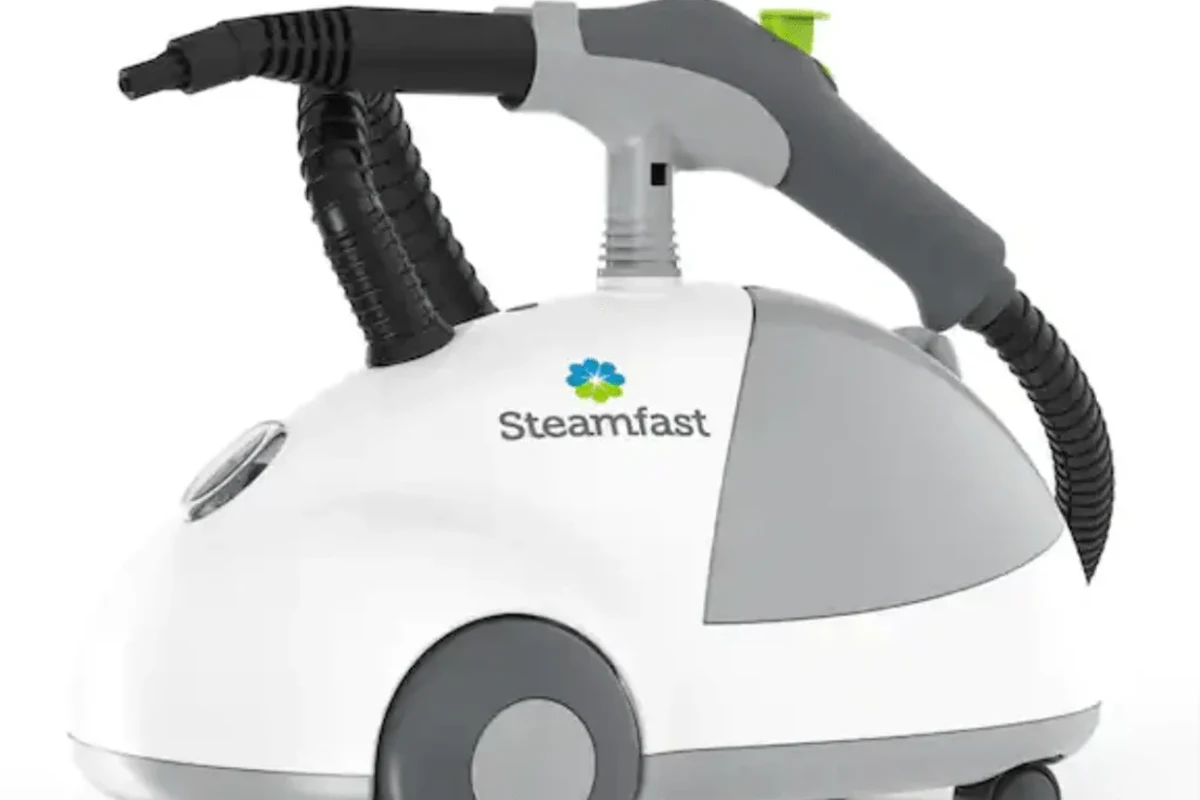
Steam kills bed bugs through heat damage. The hotter the steam and the longer it stays in contact with the insect or egg, the better the chance of a kill.
That does not mean “hotter is always better” in practice. The steam also has to stay concentrated enough to reach hidden pests before it cools, and the surface you are treating must tolerate moisture and heat.
What temperature steam needs to reach
Manufacturers often describe steam cleaners in different ways, so the exact performance you can expect varies by model. For bed bug control, the important thing is not just boiler temperature but the temperature that actually reaches the target surface after passing through the hose, nozzle, and air.
In plain terms, you want steam that is hot enough to be effective at the point of contact, not just inside the machine. Because heat drops as steam travels, a machine with a strong boiler but weak delivery may underperform on seams and crevices.
Always check the manufacturer’s manual for the steam cleaner’s intended use, heat output claims, and any warnings about fabrics, finishes, or moisture-sensitive materials.
How steam penetrates seams, cracks, and fabric surfaces
Steam is most useful where bed bugs cluster close to the surface. Mattress piping, upholstery seams, box spring edges, and narrow gaps in bed frames are good targets because the nozzle can get close enough for heat to penetrate.
It is less effective in deep voids, cluttered spaces, or thick materials that block heat transfer. That is why steam is usually a “precision” treatment rather than a whole-room solution.
Where Steam Cleaning Works Best in the Home
Steam has the best chance of success on accessible surfaces where you can move slowly and keep the nozzle close. It is most practical for spot treatment, not for blasting an entire room in one pass.
Mattresses, box springs, and upholstered furniture
These are the most common steam-cleaning targets because bed bugs often hide along seams, welts, tufts, and folded edges. A careful pass along these areas can reduce visible activity and help knock down exposed insects.
Be cautious with delicate upholstery, glued layers, memory foam, and moisture-sensitive fabrics. If the care label or manufacturer guidance warns against heat or steam, skip that surface or test a hidden area first.
Baseboards, carpet edges, bed frames, and hidden crevices
Bed bugs frequently travel along baseboards, under bed frames, and around carpet edges. These spots can be treated with steam if the nozzle can reach them without soaking the material.
For wood frames, screw holes, joints, and small cracks are often more useful targets than broad flat panels. Steam can also help in areas where vacuuming alone may miss eggs or hidden insects, especially when paired with careful inspection and follow-up.
- Use steam for seams, folds, and cracks instead of broad, fast sweeps.
- Work from the cleanest area toward the most infested area to avoid spreading bugs.
- Pair steaming with vacuuming, laundering, and encasements for better control.
Choosing the Right Steam Cleaner for Bed Bug Treatment
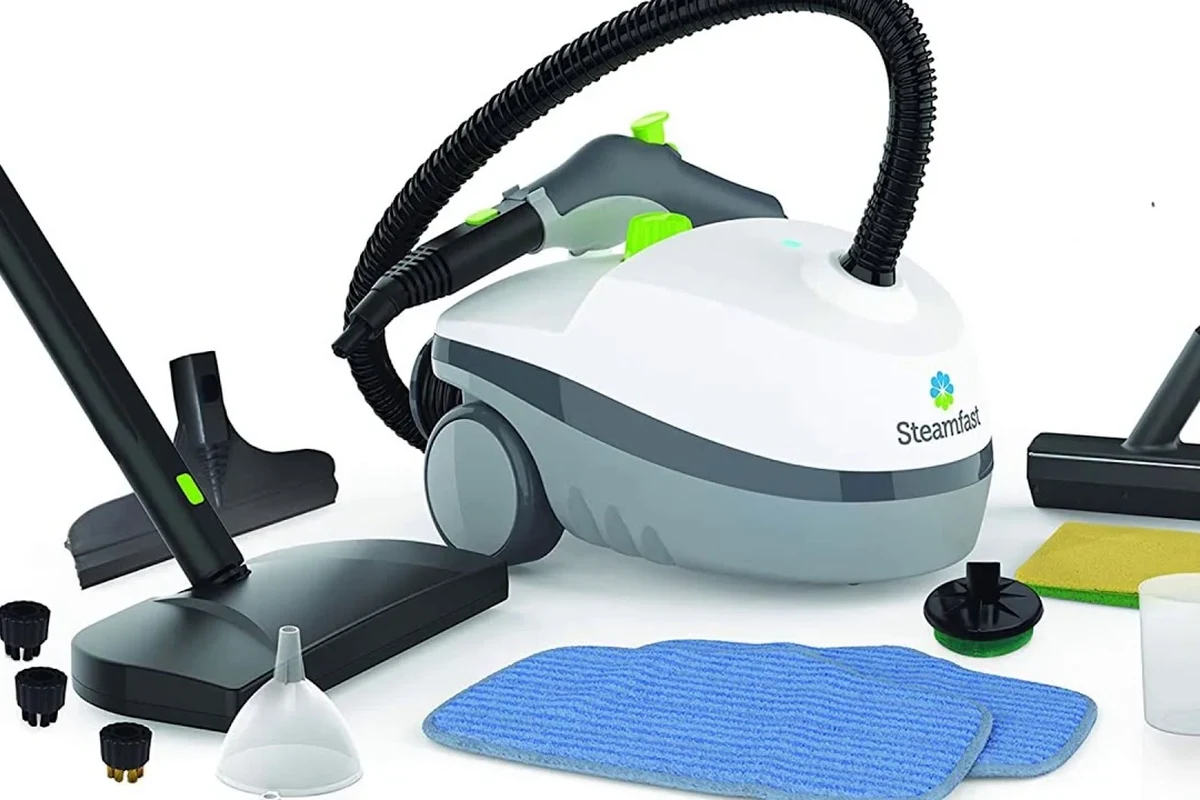
Not every steam cleaner is equally useful for pest control. For bed bugs, the best machine is the one that delivers concentrated steam steadily, reaches tight spaces, and is easy to maneuver without rushing.
Key specs to verify: steam temperature, pressure, tank capacity, and heat-up time
Look for manufacturer information on steam output, not just marketing language like “high power.” Temperature matters, but so does whether the unit can maintain usable steam during a treatment session.
Tank capacity and heat-up time affect convenience. A larger tank may run longer, while a faster heat-up can be helpful for repeated spot treatments. The right balance depends on room size, how many surfaces you need to treat, and how often you expect to use the machine.
Hose length, nozzle attachments, and maneuverability
A flexible hose and narrow nozzle can make a big difference around bed frames, mattress seams, and furniture joints. Attachments designed for detail work are usually more helpful than wide floor heads for bed bug treatment.
Maneuverability matters because effective steaming is slow. If the unit is heavy, awkward, or hard to angle, you may miss the very places bed bugs use most often.
A compact steam cleaner with a focused nozzle is usually the most practical choice for bed bug work at home, especially in bedrooms and small apartments. The tradeoff is that it may be less efficient for large-scale whole-home cleaning.
Noise, cord length, and maintenance needs
Noise is not the main issue for pest control, but it can matter if you need to work in a shared home or apartment. Cord length also affects how often you need to stop and reposition the machine.
Maintenance is easy to overlook. Descaling, emptying the tank, and storing the unit dry can help preserve performance, but the exact care steps depend on the model’s manual and water hardness in your area.
How to Use a Steam Cleaner Safely and Effectively
Good technique matters more than brute force. The goal is to move slowly enough that heat can reach bed bugs without soaking the surface or damaging the material.
Preparation steps before steaming
Start by reducing clutter around the bed and identifying the most likely hiding spots. Vacuuming first can remove loose debris and may expose seams and cracks so steam reaches them more directly.
Wash bedding according to care labels, and isolate clean items so they do not get re-infested. If you use mattress encasements, confirm they are designed for bed bug control and installed correctly.
- Check the steam cleaner’s manual for fabric and surface limits.
- Confirm the nozzle can reach seams, corners, and cracks without forcing it.
- Plan follow-up steps such as vacuuming, laundering, and monitoring.
Slow-pass technique, target areas, and overlap method
Move the nozzle slowly over seams, folds, tufts, and joints so heat has time to penetrate. Overlap each pass slightly to avoid leaving untreated strips between strokes.
Focus on likely harborages rather than trying to steam every square inch of the room. Bed bugs concentrate where they can stay close to a host, so precision usually beats speed.
Clear clutter, vacuum visible debris, and expose seams or cracks as much as possible.
Keep the nozzle close and move at a controlled pace over target areas.
Inspect again later and combine steaming with other control methods.
Safety precautions for fabrics, electronics, and moisture control
Steam can damage delicate fabrics, adhesives, and some finishes. Keep it away from electronics, power strips, exposed wiring, and anything the manufacturer warns against treating with heat or moisture.
Use short, controlled passes and avoid over-wetting. Too much moisture can leave odors, warp materials, or create a mold risk in soft furnishings and hidden cavities.
Do not steam around plugged-in electronics, damaged cords, or outlets. If a surface becomes damp instead of lightly heated, stop and let it dry before continuing.
Common Mistakes That Reduce Bed Bug Control Results
Steam fails most often because of technique, not because the method is useless. A few avoidable mistakes can make the treatment look successful while leaving enough bed bugs behind to rebound.
Moving too fast or missing hiding spots
The fastest way to weaken results is to sweep too quickly. Bed bugs and eggs need direct, sustained heat, so quick passes often miss the deeper parts of seams and cracks.
Another common miss is focusing only on the mattress while ignoring the bed frame, baseboards, and nearby furniture. Bed bugs spread beyond the bed itself, which is why inspection matters as much as steaming.
Using steam on the wrong materials or without follow-up treatment
Some materials are poor candidates for steam because they can warp, stain, or trap moisture. If you treat the wrong surface, you may create damage without meaningfully reducing the infestation.
Steam also should not be the only tactic unless the infestation is very small and contained. For broader problems, it works better alongside vacuuming, laundering, encasements, monitoring, and, when needed, professional pest control.
Over-wetting surfaces and creating damage or mold risk
More steam is not always better. Saturating fabric, foam, or wood can leave moisture inside the material long after the visible surface looks dry.
That can lead to odor problems, material damage, or mold risk in humid spaces. If the surface is getting wet instead of hot, reduce dwell time, adjust your distance, or stop and reassess the method.
Real-World Benefits, Limitations, and Evidence Gaps
Steam is appealing because it avoids chemical residue and can be targeted precisely. It also fits well into a home approach where you want to treat visible hiding places without spraying every surface.
What steam can do well as part of an integrated pest plan
Steam can help reduce exposed bed bugs on contact, especially in seams, edges, and other accessible spots. It is also useful for homeowners who want a non-spray method for mattresses and upholstered furniture, as long as the material can tolerate it.
When combined with vacuuming, laundering, mattress encasements, and regular inspection, steam can contribute meaningfully to control. For more on related home-gadget decisions, see our guide on backpack vacuum cleaners cordless if you are comparing cleanup tools for larger spaces.
Why steam alone may not solve an infestation
Bed bugs can hide in places steam cannot safely or easily reach, including wall voids, clutter, and deep furniture cavities. Eggs and hidden adults may survive if the heat does not penetrate fully.
That means steam often reduces pressure on the infestation rather than eliminating it outright. If you only treat visible areas once, surviving bugs can repopulate the room.
Alternative and supporting methods to consider
A layered approach usually works better than relying on one gadget. Vacuuming, laundering on appropriate heat settings, encasing mattresses, reducing clutter, and monitoring with interceptors or inspections can all support better results.
If you are also comparing other home devices for cleanup or setup, compatibility questions matter in many categories. For example, readers often run into fit issues with accessories, which is why guides like do smart lights work with Alexa and what laptop charger do I need focus on verifying the exact model before buying.
Final Verdict: Who Should Use a Steam Cleaner for Bed Bugs at Home
A steam cleaner can be a smart tool for bed bug control if you want a targeted, non-chemical way to treat seams, edges, and other accessible hiding spots. It is most effective when you work slowly, choose the right attachment, and combine it with other control steps.
Best-fit households and situations
Steam is a good fit for homeowners or renters dealing with a small, localized problem, especially when the infestation appears concentrated around a bed or upholstered item. It also makes sense for people who want to avoid broad spraying and are willing to do careful, repeated follow-up.
If you are shopping for a unit specifically for pest cleanup, review the manual, attachment list, and surface warnings before buying. Product details can vary by model and retailer, so confirm the current specs before you rely on a machine for bed bug treatment.
When to call a pest professional instead
If bugs are appearing in multiple rooms, if the infestation keeps returning, or if you cannot safely treat the affected materials, professional help is the better option. A pest professional can identify hiding spots and recommend a plan that matches the severity of the problem.
Steam is useful, but it is not magic. For many homes, the safest and most effective approach is to use steam as one part of a broader strategy rather than the only line of defense.
Frequently Asked Questions
Yes, steam can kill bed bugs on contact if the heat reaches them long enough. Results depend on temperature, distance, and how slowly you move the nozzle.
Steam can kill eggs when the heat fully reaches them, but hidden eggs are easy to miss. Slow, careful passes matter more than quick surface cleaning.
Start with mattress seams, box spring edges, upholstered furniture seams, bed frames, and nearby baseboards. These are common hiding spots and are easier to reach than deep voids.
No, some fabrics, foams, adhesives, and finishes can be damaged by heat or moisture. Check the care label and manufacturer guidance before treating any surface.
Usually yes, because steam alone may not reach every hiding place. Vacuuming, laundering, encasements, and follow-up inspection usually improve results.
Call a professional if the infestation is spreading, returning, or affecting multiple rooms. Professional treatment is also safer when you cannot access hidden areas or sensitive materials.