Best Humidifier Placement in Bedroom for Better Sleep
Place the humidifier a few feet from the bed on a stable elevated surface, and aim the mist into open air rather than at your pillow or walls. The best setup depends on room size, airflow, and how easy the unit is to clean and maintain.
If you want better sleep, place the humidifier far enough from the bed that mist does not hit your pillow, bedding, or face directly. In most bedrooms, the safest starting point is on a stable surface a few feet from the bed, with the mist aimed into open air rather than at walls or furniture.
- Distance matters: Keep mist away from your face, bedding, and nearby electronics.
- Elevation helps: A dresser or nightstand usually works better than the floor.
- Room size changes placement: Small, medium, and large bedrooms need different coverage strategies.
- Safety comes first: Watch for condensation, damp furniture, damaged cords, and poor airflow.
Best Humidifier Placement in Bedroom for Better Sleep: The Short Answer
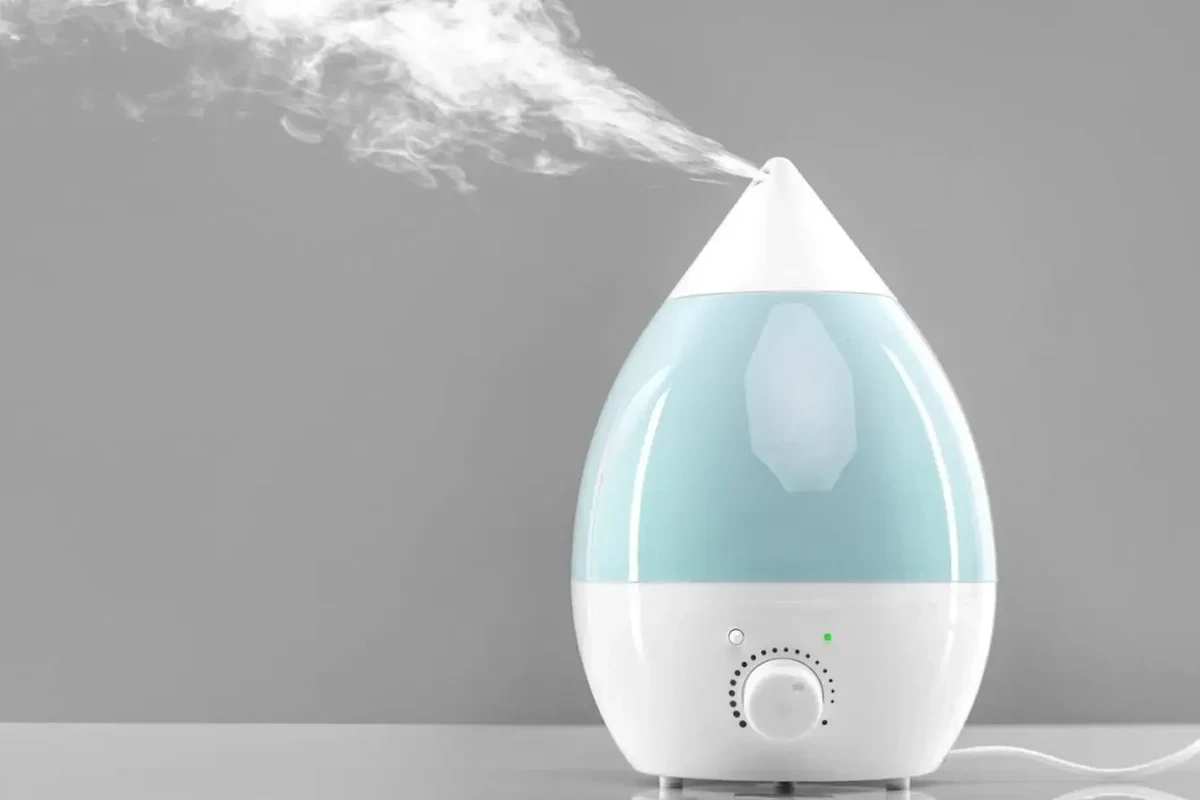
The best humidifier placement in a bedroom is usually on a nightstand, dresser, or small table that sits off to the side of the bed, not right next to your head. Keep it elevated, leave space around it, and aim the mist toward the center of the room so humidity spreads more evenly.
If your room is very small, you may need to place it farther from the bed than feels intuitive. If the room is larger, placement becomes more about airflow and coverage than simple distance.
How Humidifier Placement Affects Sleep, Comfort, and Air Quality
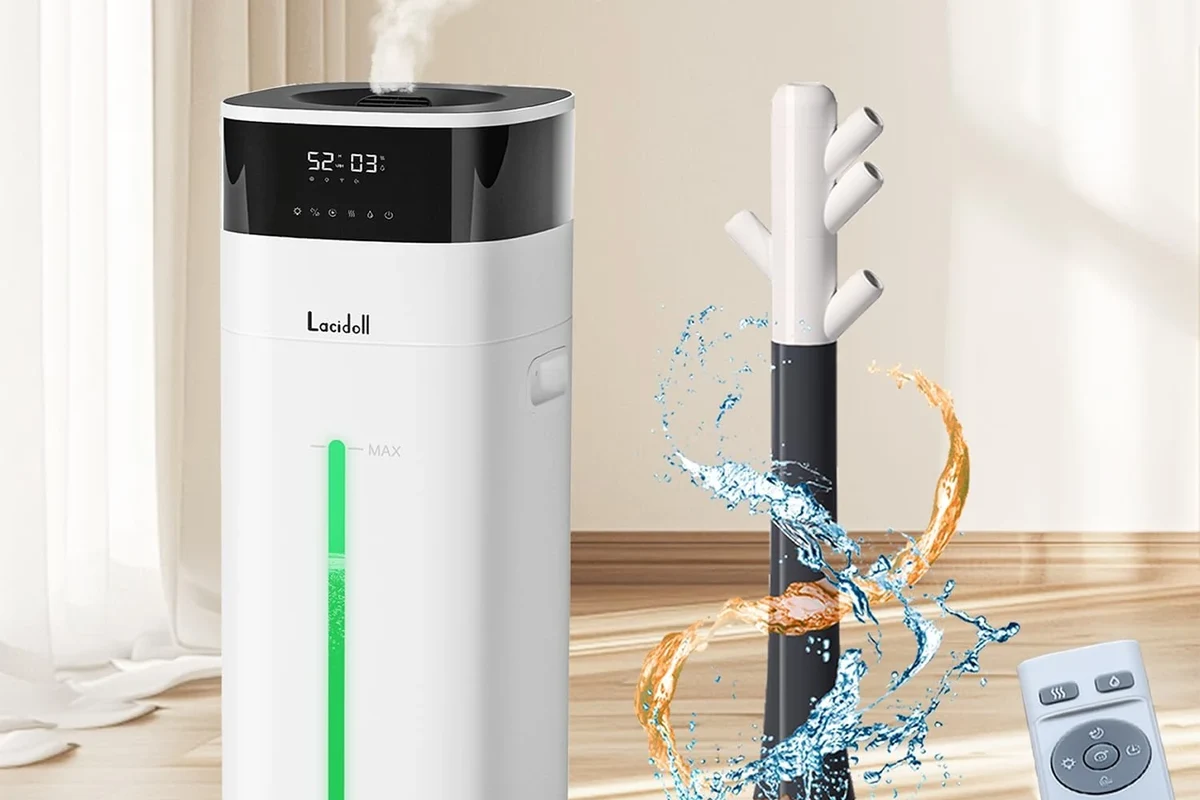
Placement changes how quickly moisture spreads, how comfortable the air feels, and whether you wake up with dry skin or a damp room. The goal is not maximum mist near your face; it is balanced humidity throughout the sleeping area.
Why distance from the bed matters
When a humidifier sits too close to your pillow, the mist can feel cold, wet, or irritating instead of soothing. It can also leave moisture on sheets, headboards, and nearby furniture, especially if the unit produces a strong stream or runs overnight.
A little distance helps the mist mix with room air before it reaches you. That usually creates a more comfortable sleep environment and lowers the chance of condensation on nearby surfaces.
How mist direction changes room coverage
Direction matters almost as much as distance. A humidifier pointed at a wall, curtain, or bed may create a damp spot instead of evenly humidifying the room.
For better coverage, aim the mist toward open space. If the model has an adjustable nozzle, angle it away from the bed and toward the room’s center or a clear airflow path.
Indoor comfort is often best when humidity stays in a moderate range, because air that is too dry can feel irritating and air that is too moist can encourage condensation and dust-mite-friendly conditions.
What happens when humidity is too high or too low
Too little humidity can leave your nose, throat, and skin feeling dry. It can also make a bedroom feel harsher at night, especially in winter or in homes with forced-air heating.
Too much humidity is the opposite problem. It can make the room feel stuffy, increase condensation on windows, and create a better environment for mold growth if the moisture has nowhere to go.
If you notice damp walls, water droplets on furniture, or a musty smell, reduce runtime and rethink placement before continuing to use the humidifier overnight.
Ideal Humidifier Placement in a Bedroom by Room Size and Bed Layout
Bedroom layout matters because the best spot depends on how air moves around the room. A placement that works in a narrow studio may be wrong for a larger primary bedroom with a king bed and two nightstands.
Best placement for small bedrooms
In a small bedroom, place the humidifier on a stable elevated surface at least a short arm’s length from the bed if possible. The key is to avoid direct mist on bedding while still keeping the unit close enough to affect the whole room.
If the room is tight, choose the side of the room with the most open space and the fewest soft surfaces. Avoid putting it on the floor, where mist may pool around rugs or baseboards.
Best placement for medium bedrooms
In a medium bedroom, a dresser or side table across from the bed often works well because it gives the mist room to spread. This setup can be especially useful if one side of the bed is crowded with lamps, chargers, or books.
If you share the room with a partner, try to place the unit where the mist does not blow directly on either sleeper. That usually means off-center placement with the nozzle angled into the open middle of the room.
Best placement for large bedrooms or shared rooms
In larger bedrooms, one humidifier may not cover the entire space evenly unless the unit is designed for a bigger coverage area. Place it where airflow is least obstructed, usually away from heavy curtains, tall furniture, and corners.
For shared rooms, think about where each person sleeps and where moisture can circulate without creating a damp zone. Sometimes a central elevated location works better than placing it beside one bed.
| Room Type | Best Placement | Main Goal |
|---|---|---|
| Small bedroom | Elevated side table, away from direct bed contact | Prevent condensation and oversaturation |
| Medium bedroom | Dresser or nightstand with open airflow | Spread mist evenly across sleeping area |
| Large bedroom | Open, unobstructed surface near the room center | Improve coverage and reduce dead air pockets |
How to Choose the Right Humidifier for Bedroom Use
Placement works best when the humidifier itself matches the room. A quiet, appropriately sized model with the right output is easier to position well than an oversized unit that overwhelms the space.
Cool mist vs. warm mist for sleep environments
Cool mist units are common for bedrooms because they add moisture without heating the room. Warm mist models may feel comfortable in some climates, but they can be less ideal in tight spaces because they add heat and require extra caution around children and pets.
Neither type is automatically better for every sleeper. The better choice depends on room size, safety concerns, and whether you want added warmth or just moisture.
Tank size, runtime, and refill frequency
A larger tank usually means fewer refills, which is helpful if you want overnight operation. But tank size alone does not tell the whole story, because runtime also depends on mist level and room conditions.
If you hate waking up to refill a unit, look for a model whose stated runtime matches your sleep schedule. Just remember that manufacturer runtime claims are often based on lower output settings, so real-world results can vary.
Runtime, coverage, and noise claims vary by model and setting, so confirm the manufacturer’s specifications before buying if overnight use is a priority.
Noise level, mist output, and coverage area
For bedroom use, quieter operation usually matters more than maximum mist output. A unit that is technically powerful but too loud can interrupt sleep, especially for light sleepers.
Coverage area is also important. A humidifier that is too small for the room may need to run harder and longer, while an oversized unit may make placement and humidity control harder.
Dimensions, controls, and smart features to verify
Before buying, check the physical footprint so the humidifier actually fits on your intended surface. Tall units may tip more easily, while wide ones may crowd a nightstand or dresser.
Controls matter too. Simple top-fill buttons are often easier to use in the dark, while app-controlled or smart-home models may be helpful if you want schedules, humidity targets, or remote shutoff. If you are comparing connected bedroom gadgets, it can also help to review related setup considerations in our guide to smart lights for the bedroom for a more coordinated sleep setup.
- Check room size, tank capacity, noise level, and intended coverage area
- Confirm the footprint fits your nightstand, dresser, or shelf
- Verify whether the model is cool mist or warm mist
- Review app requirements, filter needs, and cleaning instructions
- Read the manual for placement and safety guidance
Safe Humidifier Setup: Placement Rules, Power, and Bedroom Hazards
Safe placement is just as important as effective placement. A humidifier is a water appliance, so it should be treated with the same caution you would give any device that combines moisture, electricity, and furniture.
Keeping the unit off the floor and away from walls
Elevating the unit usually improves airflow and reduces the chance of moisture collecting around carpet or baseboards. It also makes it easier to keep the mist away from walls and curtains.
Leave some breathing room around the humidifier on all sides. Crowding it into a corner can trap moisture and reduce how evenly the room humidifies.
Avoiding electronics, bedding, and wood furniture damage
Do not aim mist at a laptop, phone charger, alarm clock, speaker, or power strip. Even small amounts of repeated moisture can shorten the life of electronics or leave residue over time.
Wood furniture can also be affected by long-term exposure to damp air. If your dresser or nightstand is sensitive to moisture, use a protective tray or choose a more suitable surface.
Stop using any humidifier with a cracked tank, damaged cord, leaking base, or unstable stand, and follow the manufacturer’s instructions before restarting it.
Cord placement, outlet safety, and wattage considerations
Keep the cord routed where it will not be stepped on, pinched, or pulled off the table. Use only the power adapter or cable approved for that model, and make sure the outlet is easy to access if you need to shut the unit off quickly.
If the humidifier uses a plug-in power supply, verify the rated wattage and voltage in the manual or on the label before connecting it. For broader home safety habits around power accessories, our guide on whether chargers should be left plugged in is a useful reminder that power management matters even for small devices.
When humidifier use is not a good fit
A humidifier may not be the right solution if your bedroom already feels damp, has visible mold, or has persistent window condensation. In those cases, adding more moisture can make the problem worse instead of better.
It may also be a poor fit if you cannot place it safely away from bedding, pets, or children, or if cleaning it regularly is unrealistic. A neglected humidifier can become less helpful and more troublesome over time.
Common Humidifier Placement Mistakes That Reduce Sleep Quality
Many humidifier complaints come from placement errors rather than from the device itself. Fixing the setup often improves comfort without changing the model.
Putting the mist too close to the bed
Direct mist near your face can feel cold, noisy, or wet. It may also make the room feel uneven, with one area too moist and the rest still dry.
A better approach is to let the moisture disperse before it reaches you. That creates a more balanced sleep environment and reduces the chance of waking up with damp bedding.
Blocking airflow with curtains, rugs, or nightstands
Airflow matters because humid air needs room to move. Thick curtains, bulky furniture, or a crowded corner can trap mist and create a damp pocket instead of improving the whole room.
If the humidifier seems ineffective, check whether anything is blocking the mist path. Sometimes moving it just a few feet makes a noticeable difference in coverage.
Ignoring condensation, mold risk, and over-humidifying
If windows fog up or surfaces feel damp, the room may already be too humid. That is a sign to lower the output, shorten runtime, or move the unit to a better spot.
Regularly check for musty smells, damp fabric, or peeling paint near the unit. Those are clues that the placement or humidity level needs adjustment.
Maintenance, Cleaning, and Storage for Bedroom Humidifiers
Good placement helps, but maintenance keeps the humidifier safe and effective. A clean unit is less likely to spread odors, residue, or buildup into the sleeping area.
Daily and weekly cleaning routine
Empty leftover water when practical, especially if the unit will sit unused for a while. Fresh water and a dry tank help reduce buildup and stale odors.
Follow the manufacturer’s cleaning instructions for the tank, base, and any removable parts. Some models need more frequent wiping or descaling depending on water hardness and usage level.
- Use the manufacturer’s recommended cleaning method, especially for mineral buildup
- Wipe nearby surfaces regularly if you notice a fine residue
- Check water quality if the unit leaves deposits quickly
- Inspect the tank and cord every time you refill it
Filter, wick, and cartridge replacement guidance
If your humidifier uses a filter, wick, or cartridge, replace it according to the manual rather than waiting for visible problems. Performance can drop before the part looks obviously worn.
Replacement schedules vary by model, water quality, and how often the humidifier runs. If the manufacturer offers an app reminder or maintenance indicator, treat it as a starting point, not a guarantee.
How to dry and store the unit between seasons
When the humidifier is not needed, empty it fully, dry all accessible parts, and store it in a clean, dry place. This helps reduce odor, mineral buildup, and the chance of mold during storage.
Keep the manual with the unit if you can, especially if it has special startup, cleaning, or filter instructions. That makes it easier to set up correctly next season.
Final Recommendation: Best Bedroom Placement for Better Sleep and Long-Term Use
For most sleepers, the best humidifier placement in a bedroom is on an elevated surface a few feet from the bed, with the mist aimed into open space. That setup usually gives you the comfort benefits without turning your pillow, walls, or furniture into moisture targets.
Best setup for most sleepers
Place the humidifier on a dresser or nightstand that is not directly beside your pillow, and keep it away from curtains and electronics. If possible, position it so the mist can travel across the room instead of straight at the bed.
Best setup for sensitive sleepers, kids, and allergy-prone users
Sensitive sleepers often do better with a quieter unit placed farther from the bed and run at a moderate setting. For children’s rooms, nurseries, or allergy-prone households, follow the manual carefully and avoid any setup that creates damp surfaces or easy access to the appliance.
Value and trade-offs to consider before buying
The best humidifier is not always the one with the biggest tank or strongest mist. It is the one that fits your room size, stays quiet enough for sleep, is easy to clean, and can be placed safely without causing condensation problems.
If you want a bedroom setup that works long term, choose placement first, then match the humidifier to the room. That approach usually does more for sleep quality than simply turning the unit on and hoping the moisture spreads well.
Frequently Asked Questions
Keep it far enough away that mist does not hit your pillow, bedding, or face directly. A few feet from the bed on an elevated surface is a practical starting point for most rooms.
A table, dresser, or nightstand is usually better because it improves airflow and reduces the chance of moisture collecting on carpet or baseboards. The surface should be stable and away from walls and curtains.
Yes, mist can damage or shorten the life of nearby electronics over time. Keep it away from phones, chargers, speakers, power strips, and alarm clocks.
Signs include window condensation, damp surfaces, and a musty smell. If you notice those, lower the output or change the placement before continuing overnight use.
Cool mist models are common for bedrooms because they add moisture without extra heat. The best choice still depends on room size, noise level, safety needs, and how easy the unit is to clean.
Follow the manufacturer’s cleaning schedule, and empty or wipe the unit regularly to reduce buildup and odors. Filters, wicks, and cartridges should be replaced according to the manual or maintenance indicator.