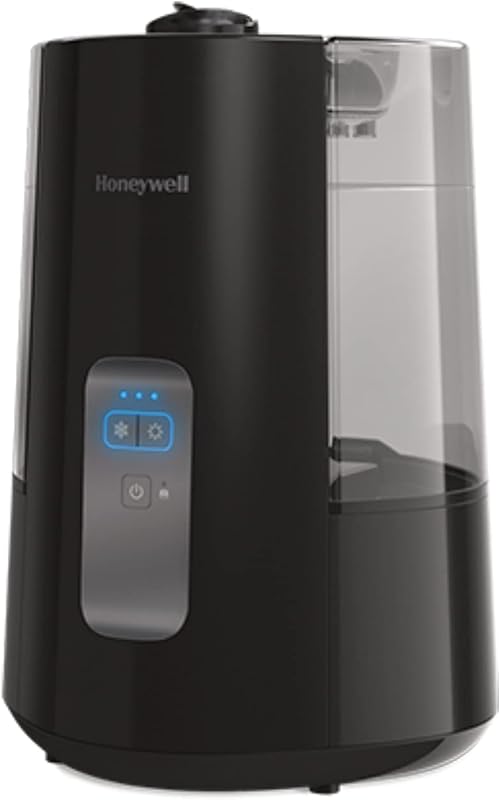
When to Use Warm Mist Humidifier
Use a warm mist humidifier in dry, cool rooms when you want cozy comfort, especially in winter or during a cold. Avoid it in child-accessible spaces, hot rooms, or anywhere the heated water could create a safety risk.
If you want faster relief from dry air, a warm mist humidifier is usually best during cold weather, for temporary comfort with a cold, or when you want the room to feel a little cozier. It is not the right choice for every space, but in the right conditions it can be a simple way to make breathing and sleeping feel more comfortable.
- Best use: Dry, cool bedrooms and offices where warm vapor feels more comfortable.
- Safety first: Keep warm mist units away from kids, pets, bedding, and unstable surfaces.
- Buying focus: Verify tank size, room coverage, wattage, and cleaning requirements before choosing.
- Maintenance matters: Regular cleaning and descaling help reduce buildup and keep performance steady.
- Choose wisely: Cool mist is often better for shared family spaces and warmer climates.
When to Use a Warm Mist Humidifier: The Short Answer

Use a warm mist humidifier when the air feels dry and you want gentle warmth along with added moisture. It is often a good fit for bedrooms in winter, short-term relief during a cold, or any room where a warmer-feeling mist is more comfortable than cool vapor.
The key is matching the humidifier to the situation. Warm mist can be helpful in some homes and seasons, but it is usually less ideal in hot climates, around small children, or in rooms where a hot water reservoir would create extra safety concerns.
How a Warm Mist Humidifier Works and Why It Feels Different
A warm mist humidifier heats water inside the unit and releases the moisture as a warm vapor into the room. Because the water is warmed first, the mist can feel less chilly than cool mist, which some people find more pleasant in winter or when they already feel under the weather.
The comfort difference is mostly about sensation and room conditions, not magic. Warm mist does not “cure” dry air problems, but it can make a room feel less harsh when heating systems are running and indoor humidity drops.
Some models use a simple boiling or heating element, while others use a more controlled heating method. The exact design varies by model, so check the manual for water capacity, cleaning steps, and any warnings about placement or refilling.
Best Situations for Using Warm Mist: Dry Air, Colds, and Cold Weather Comfort
Warm mist is most useful when indoor air is dry and the room already feels cold. That is why many people prefer it in bedrooms during winter, especially when heating systems make the air feel stuffy, dry, or irritating.
It can also be helpful when you have a stuffy nose, dry throat, or irritated sinuses and want a more comfortable sleep environment. It may not change the underlying cause of symptoms, but the added moisture can make the room easier to tolerate.
Who Benefits Most from Warm Mist Humidifiers
Warm mist tends to appeal to adults who want a quieter, cozier bedroom setup and do not mind a little extra heat from the unit. It can also suit remote workers, students, or anyone spending long hours in a heated room that dries out the air.
People who are sensitive to cool airflow often prefer warm mist because it feels less drafty. If you live in a colder region, or your home heating dries the air out every winter, warm mist may fit your routine better than a cool-mist model.
For more general home safety context, it can also help to review related guidance such as are budget chargers safe to use when you are checking any plugged-in device for build quality and safety habits.
When Warm Mist Is Usually the Better Choice Than Cool Mist
Warm mist is often the better choice when your main goal is comfort in a cold room rather than maximum cooling of the air. It can also feel more pleasant if you dislike the sensation of a cool plume near your bed or desk.
It may be the better option for short-term use in a guest room, office, or bedroom where the unit will run for a limited time and you can keep it in a stable, open spot. If you need something for a child’s room, however, a cool mist model is often the safer default because of the hot water inside a warm mist unit.
- Use warm mist in dry, cool rooms where comfort matters more than cooling.
- Keep the unit on a flat, stable surface away from bedding and curtains.
- Check the manufacturer’s guidance before using any humidifier overnight.
Key Buying Factors to Check Before You Choose One
The best warm mist humidifier is not just the one with the biggest tank. You also need to think about runtime, room size, heat output, ease of cleaning, and how the unit fits into your daily routine.
Because specifications vary widely by model, always verify the product page and manual before buying. If a listing does not clearly state room coverage, refill method, or cleaning requirements, that is a sign to look more closely before deciding.
Tank Size, Runtime, and Room Coverage
Tank size affects how often you need to refill the unit, but runtime also depends on output settings and room conditions. A larger tank may last longer, but a high mist setting can still empty it faster than expected.
Room coverage matters too. A humidifier that is too small may not noticeably change the air in a large bedroom or living room, while an oversized one may be more than you need for a compact office or dorm space.
- Check the room size the manufacturer recommends.
- Confirm tank capacity, refill access, and expected runtime at typical settings.
- Review cleaning steps before you commit to a model.
Wattage, Heating Method, and Energy Use
Warm mist humidifiers use electricity to heat water, so they generally draw more power than passive or non-heated options. Exact wattage varies by model, and you should confirm the rating on the label or product page before assuming how much energy it will use.
The heating method also affects comfort and maintenance. A simpler heating design may be easier to understand, but you still need to follow the manufacturer’s instructions for refilling, descaling, and safe operation.
If you are used to checking power gear carefully, the same habits apply here: verify the plug, cord, and safety instructions, just as you would when reading about whether multi-port chargers are safe to use or other plugged-in devices.
Noise, Controls, and Build Quality
Warm mist units are often fairly quiet, but noise levels vary by fan design, boiling sound, and water movement inside the tank. If you are sensitive to sound while sleeping, look for a model with simple, clearly labeled controls and a reputation for steady operation rather than flashy features.
Build quality matters because you are dealing with heat and water in the same appliance. A sturdy tank, stable base, and easy-to-read water level window can make the unit easier to use and less frustrating over time.
Safety Limits and Common Mistakes to Avoid
Warm mist humidifiers can be helpful, but they also deserve more caution than many people expect. The main concerns are heat, hot water, tipping, and placing the unit too close to people or soft furnishings.
As with any appliance that combines electricity and water, the safest approach is to follow the manual closely and stop using the unit if it shows damage, unstable behavior, or unusual heat.
Warm mist humidifiers can contain hot water or heated parts. Keep them away from children, pets, bedding, and anything that could tip the unit over or block airflow.
Heat-Related Risks, Placement, and Child or Pet Safety
Placement is one of the most important safety factors. Put the humidifier on a level surface where it cannot be knocked off a nightstand, desk, or shelf, and keep it away from curtains, blankets, and electronics that should not get damp.
Children and pets are a major reason many households choose cool mist instead. A warm mist unit may be perfectly fine in an adult bedroom or office, but it should be used with extra caution anywhere a curious child or animal could reach it.
Stop using any humidifier with cracks, a damaged cord, a loose tank, overheating, or signs of mineral buildup that you cannot safely clean according to the manual.
When Not to Use a Warm Mist Humidifier
Do not use warm mist if the room is already warm and humid, because extra moisture can make the space feel heavy and uncomfortable. It is also a poor fit if you need a unit for a nursery, a shared child’s room, or a place where the appliance might be bumped often.
If your home has poor ventilation or you notice condensation on windows and walls, pause use and reassess. Too much humidity can create its own problems, so comfort should always be balanced with the actual conditions in the room.
How to Use It Safely and Get the Best Results
Good results depend on setup as much as the humidifier itself. The right water, placement, cleaning routine, and operating habits will usually matter more than a long list of extra features.
Before first use, read the manual and confirm the unit’s fill line, cleaning instructions, and any model-specific warnings. If the manufacturer provides app support, timer settings, or filter guidance, verify those details in the official documentation rather than relying on a retailer listing alone.
Setup, Water Choice, and Room Positioning
Place the humidifier on a stable, moisture-resistant surface with enough open space around it for safe airflow. Keep it away from the edge of furniture, and avoid placing it directly beside a bed where steam could be too close to your face.
Water choice depends on the model and your local water quality. Some users prefer distilled water to reduce mineral buildup, but the best choice can vary by home and manufacturer guidance, so check the manual before deciding.
Use the fill line and avoid overfilling the tank.
Keep it flat, open, and away from anything that can tip or overheat.
Start with a lower setting and increase only if the room still feels dry.
Cleaning, Descaling, and Filter or Cartridge Care
Regular cleaning is essential because warm water and mineral deposits can build up quickly. Follow the manufacturer’s cleaning schedule, and do not improvise with harsh chemicals unless the manual specifically allows them.
If your model uses a filter, cartridge, or demineralization part, confirm the replacement interval and part number before buying extras. Availability can vary by model and region, so it is smart to check the official support page or manual early.
For general device habits, unplugging before cleaning and storing the unit dry when not in use are simple ways to extend its life. If you also pay attention to power habits with other household devices, you may find related reading like whether chargers should be unplugged when not in use helpful for building safer routines.
Warm Mist vs. Cool Mist: Which One Fits Your Needs?
Warm mist and cool mist both add moisture to dry air, but they serve different priorities. Warm mist leans toward comfort and cozy winter use, while cool mist is often favored for safety, lower heat, and broader family use.
Instead of asking which one is universally better, ask which one fits your room, your household, and your season. That framing usually leads to a more practical choice.
Comfort, Maintenance, and Seasonal Use Compared
Warm mist can feel more pleasant in a cold room, especially at night, but it may need more careful handling because of heat. Cool mist avoids hot water concerns and is often a better all-around pick for households with kids or pets.
Maintenance is also worth comparing. Both types need regular cleaning, but warm mist units can develop mineral buildup around the heating element, so descaling and careful water management may matter more over time.
Value, Limitations, and Long-Term Ownership Considerations
Long-term value is not just about the purchase price. You should also think about replacement parts, cleaning effort, energy use, and whether the unit still fits your needs after the season changes.
A warm mist humidifier is a strong choice if you want a simple, comforting winter appliance and you are willing to maintain it properly. If you want the safest option for a shared family space, or you prefer the lowest-heat design possible, cool mist may be the better long-term fit.
Warm mist is best for adults in dry, cool rooms who want cozy comfort and can place the unit safely. Choose a different type if you need child-friendly use, lower heat, or a humidifier for a busy shared space.
Final Recommendation: Is a Warm Mist Humidifier Worth It for You?
A warm mist humidifier is worth considering if your main problem is dry winter air and you want a more comfortable-feeling room, especially in a bedroom or office used by adults. It is less compelling if safety around children or pets is a concern, if the room is already warm, or if you want the lowest-maintenance option possible.
Before buying, verify the room coverage, cleaning requirements, heating method, and safety instructions in the official manual. If those details line up with your space and routine, warm mist can be a practical, soothing choice rather than just another seasonal appliance.
- Use warm mist mainly for dry, cool rooms where comfort matters.
- Keep it away from children, pets, bedding, and unstable surfaces.
- Check tank size, wattage, cleaning needs, and room coverage before buying.
Frequently Asked Questions
Warm mist is usually best in dry, cool rooms where you want a cozier feel, such as a bedroom in winter. It can also be helpful for short-term comfort when you have a cold or irritated throat.
Not always. Warm mist can add heat and hot water risks, so it is often less suitable for children, pets, or crowded spaces than cool mist.
Follow the manufacturer’s cleaning schedule, because buildup and cleaning needs vary by model and water quality. Regular descaling and drying between uses can help reduce mineral deposits.
That depends on the model and your local water quality. Many users prefer distilled water to reduce mineral buildup, but you should confirm the manual’s guidance first.
Yes, if the manufacturer allows overnight use and the unit is placed safely on a stable surface. Keep it away from bedding, curtains, and anything that could tip it over.
Avoid it in already humid or warm rooms, or anywhere the hot water and heated parts create a safety concern. It is also usually a poor choice for nurseries and other child-accessible spaces.