Can a Knock Sensor Cause Transmission Problems
Yes, a bad knock sensor can cause symptoms that feel like transmission problems by reducing engine power or triggering limp mode. It usually affects engine control first, so diagnosis should check scan data, wiring, and fluid before replacing major parts.
Yes, a bad knock sensor can seem like it’s causing transmission problems, but it usually affects engine control first. The sensor does not control the transmission directly; instead, it can trigger reduced power, poor shifting behavior, or limp mode that feels like a transmission fault.
- Engine first: A knock sensor issue usually changes engine behavior before it affects shifting.
- Symptoms overlap: Weak acceleration, limp mode, and harsh shifts can mimic transmission failure.
- Scan data matters: OBD2 codes and freeze-frame info help separate sensor faults from mechanical transmission issues.
- Check basics: Inspect wiring, connectors, grounds, and transmission fluid before buying parts.
- Don’t guess: Replacing the transmission without confirming the root cause can waste time and money.
Can a Knock Sensor Cause Transmission Problems? The Short Answer
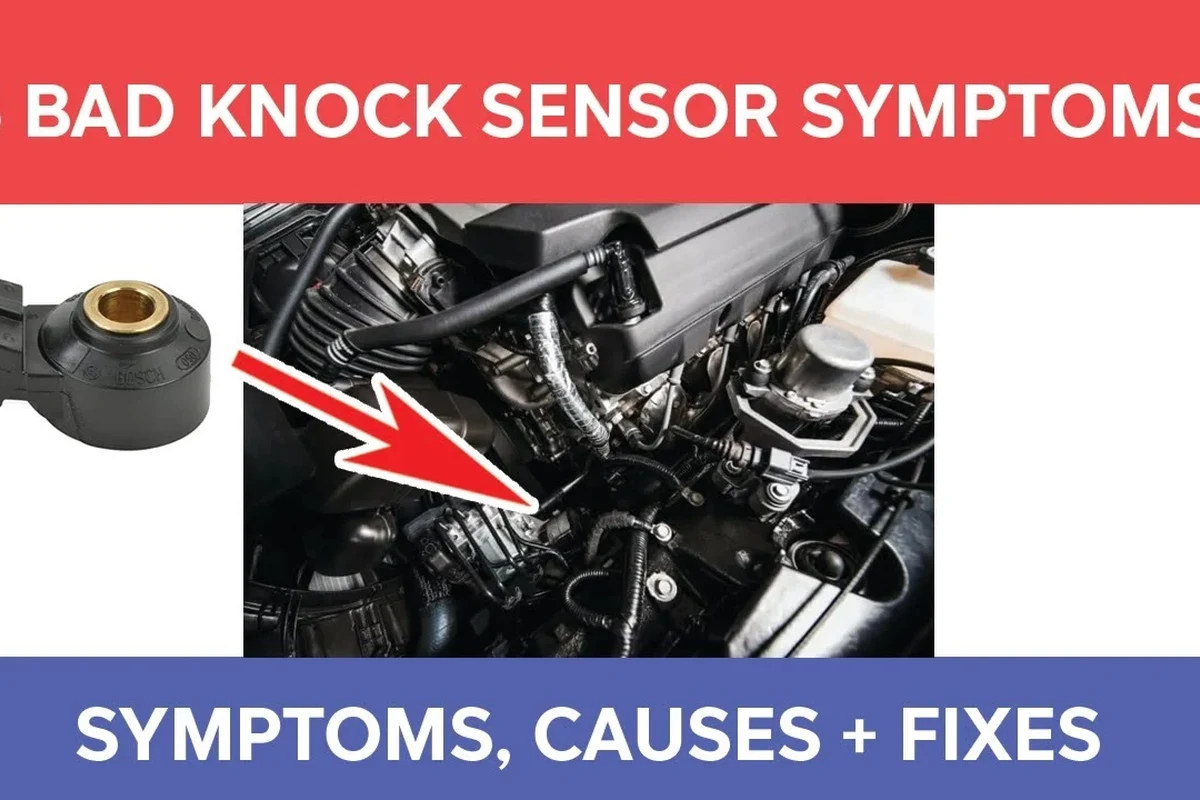
In most vehicles, a knock sensor is part of the engine management system, not the transmission system. When it fails or sends inaccurate data, the engine computer may pull timing, reduce power, or limit performance to protect the engine, and those changes can make the vehicle shift strangely.
If your car hesitates, shifts harshly, or enters limp mode, the real cause may be a sensor, wiring issue, engine misfire, fluid problem, or an actual transmission fault. The safest approach is to diagnose the engine and transmission together instead of replacing parts based on one symptom.
How a Knock Sensor Works and Why It Matters to Engine Performance
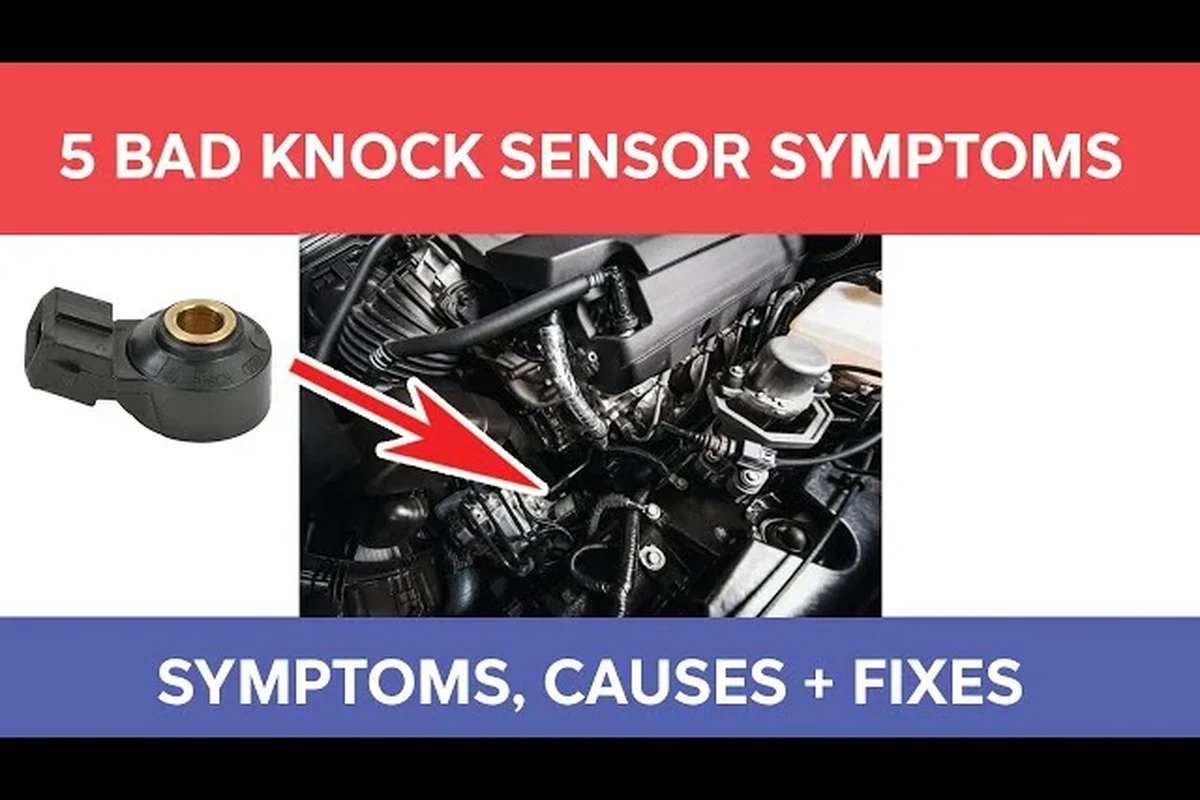
A knock sensor helps the engine computer detect abnormal combustion, often called detonation or pinging. That information lets the ECU make fast adjustments so the engine stays protected and runs efficiently.
What the knock sensor detects
The sensor listens for vibration patterns that suggest combustion is happening at the wrong time or with too much pressure. It does not “hear” a knock in the human sense; it detects vibration frequencies the ECU can interpret as possible engine knock.
Many knock sensors are mounted directly on the engine block or intake area so they can pick up vibration accurately, which is why loose mounting or damaged wiring can create false readings.
How the ECU uses knock signals to protect the engine
When the ECU sees a knock signal, it may reduce ignition timing, alter fuel delivery, or limit engine output to prevent damage. Those changes are protective, but they can also make the vehicle feel sluggish or unresponsive during acceleration.
Exact ECU behavior varies by model, engine design, and software calibration. Always check the factory service information or owner’s manual for your vehicle.
How Knock Sensor Issues Can Mimic or Contribute to Transmission Problems
Because modern transmissions rely on engine load, throttle position, and torque data, a sensor issue that changes engine behavior can indirectly affect shifting. That is why a driver may blame the transmission when the engine computer is actually limiting power.
Reduced engine power and delayed shifting behavior
If the ECU reduces torque output, the transmission may hold gears longer, shift later than normal, or feel like it is “searching” for the right gear. The transmission may be working as programmed, but the reduced engine output makes the shift pattern feel wrong.
Limp mode, warning lights, and drivability symptoms
A serious sensor fault can put the vehicle into a protective mode that limits speed and acceleration. That mode often comes with a check engine light, reduced throttle response, and unusual shifting, which can look like a transmission failure from the driver’s seat.
If the vehicle loses power suddenly, will not accelerate normally, or becomes unpredictable in traffic, reduce driving and have it diagnosed promptly. Do not keep driving if the car feels unsafe or the warning lights indicate a major fault.
When the real problem is the transmission vs. the engine sensor
If the vehicle has slipping gears, delayed engagement, burning fluid smell, or metal debris in the transmission fluid, the transmission itself may be the source of the issue. If the symptoms began with a check engine light, rough running, or a knock sensor code, the engine side should be checked first.
Common Symptoms to Watch For in 2026 Vehicles
More vehicles in 2026 use integrated control systems, so one fault can affect multiple drivability functions. That makes symptom tracking more important than ever, especially when the car seems to have both engine and transmission problems at once.
Check engine light, rough acceleration, and poor fuel economy
A failing knock sensor often triggers a check engine light and may cause the engine to run less efficiently. Drivers may notice weak acceleration, reduced passing power, or lower fuel economy because the ECU is backing off performance to protect the engine.
Hard shifts, slipping, hesitation, and torque loss
Transmission-like symptoms can include hard upshifts, delayed downshifts, hesitation when merging, or a feeling that the car is not transferring power correctly. In some cases, the transmission is reacting to reduced engine torque rather than failing mechanically.
- Write down when the symptom happens: cold start, highway speed, hill climbing, or stop-and-go traffic.
- Note whether the check engine light came on before the shifting issue.
- Pay attention to whether the engine feels weak, not just the transmission.
Diagnostic trouble codes that may overlap between systems
Knock sensor codes often point to the engine side, but transmission-related codes can appear too if the ECU limits torque or sees inconsistent input data. Related codes may involve misfires, load calculations, throttle response, or transmission control strategy, so a single code should not be treated as a final answer.
Key Diagnostic Criteria: How to Tell the Difference
The best way to separate a sensor issue from a transmission problem is to look at the full picture: codes, live data, wiring, fluid condition, and mechanical symptoms. A quick parts swap is rarely the most reliable diagnosis.
OBD2 scan data, freeze-frame info, and live sensor readings
Start with an OBD2 scan and check freeze-frame data to see what the vehicle was doing when the code set. Live data can show whether the knock sensor signal, engine load, timing, throttle position, and transmission commands make sense together.
Do not focus only on the first code. Look for engine, transmission, and communication codes together.
Match the fault to speed, load, temperature, and throttle conditions.
Check whether the sensor data changes erratically or stays outside expected range.
Inspecting wiring, connectors, grounding, and harness damage
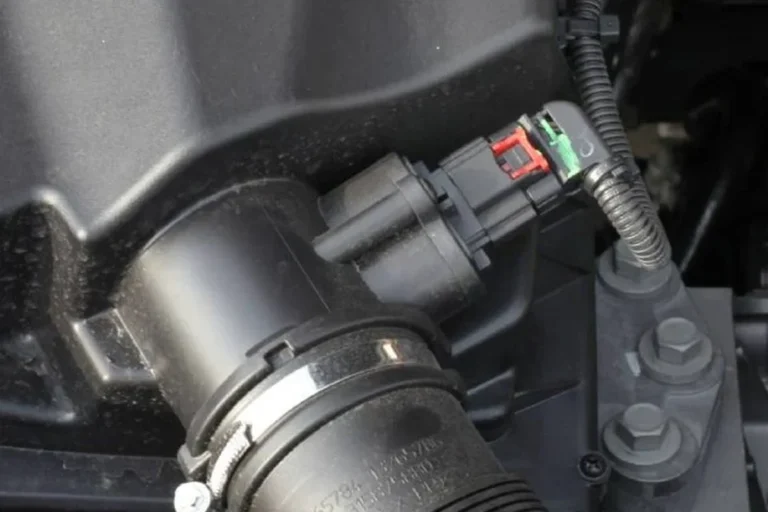
Knock sensor faults are often caused or worsened by damaged wiring, poor grounding, corrosion, or a loose connector. Because these sensors are mounted on or near the engine, heat and vibration can wear the harness over time.
Stop and inspect any connector that is brittle, oil-soaked, corroded, or partially unplugged. If wiring damage is visible, follow the factory repair procedure rather than forcing the connector or bypassing the circuit.
Checking transmission fluid condition and related mechanical faults
Transmission fluid level, color, odor, and service history still matter. Low, dirty, or overheated fluid can cause slipping, flare-ups between shifts, and delayed engagement that have nothing to do with the knock sensor.
- Check the vehicle’s exact engine and transmission code before ordering parts
- Confirm sensor location, connector style, and harness routing in the service manual
- Verify transmission fluid type and service interval for your model
- Review recall notices, technical service bulletins, and software update guidance
Who This Information Fits Best: Drivers, DIYers, and Budget Repair Shoppers
This topic matters most to people who want to avoid replacing the transmission when the real issue may be electrical or engine-related. It also helps budget-minded owners decide when a sensor repair is worth trying and when diagnosis should come first.
When a basic sensor replacement may be appropriate
If scan data, wiring inspection, and service information point clearly to the knock sensor circuit, a replacement can be a reasonable repair. That is most practical when the part is accessible, the connector is in good shape, and the rest of the engine and transmission checks out.
DIYers or budget repair shoppers who have a confirmed knock sensor circuit fault and want to avoid unnecessary transmission work. The limitation is that the repair only helps if the sensor or its wiring is truly the root cause.
When professional diagnosis is the safer choice
If the vehicle has multiple codes, repeated limp mode events, internal transmission symptoms, or hard-to-reach components, a professional diagnosis is the safer move. This is especially important on newer vehicles where control modules, software logic, and networked sensors can create misleading symptoms.
Limitations, Risks, and Common Mistakes in Diagnosis
The biggest mistake is assuming the most expensive part is the failed part. A transmission can be fine even when the car drives badly, and a knock sensor can be innocent even when the check engine light is on.
Replacing the knock sensor without confirming the root cause
Swapping the sensor first may waste money if the real problem is wiring damage, a bad connector, or an engine issue that is causing false knock readings. It can also hide the original fault long enough to make future diagnosis harder.
Ignoring transmission service intervals or fluid issues
Even if a knock sensor code is present, transmission maintenance still matters. Old fluid, clogged filters, or worn internal parts can create symptoms that overlap with sensor-related drivability problems, so both systems deserve attention.
Overlooking engine misfires, timing issues, or damaged mounts
Engine misfires, incorrect ignition timing, or worn motor mounts can create vibration and power loss that feel similar to a bad knock sensor or transmission fault. Those issues can also confuse the ECU and lead to poor shifting behavior.
- Helps avoid unnecessary transmission replacement
- Encourages a more accurate engine-and-transmission diagnosis
- Useful for drivers seeing limp mode or weak acceleration
- Symptoms can overlap and mislead even experienced DIYers
- Some vehicles need advanced scan tools or factory data
- Wiring or software faults may be harder to confirm at home
Final Recommendation: What to Do If You Suspect a Knock Sensor or Transmission Issue
If you think a knock sensor is causing transmission problems, start with the simplest reliable checks: scan the codes, review freeze-frame data, inspect wiring, and verify transmission fluid condition. That approach helps you separate an engine-control problem from a true transmission fault before spending money on major repairs.
Best next steps, repair priorities, and value-based guidance
For the best value, confirm the root cause first and repair the system that is actually failing. If the scan data points to the knock sensor circuit, fix that; if the transmission shows slipping, delayed engagement, or fluid-related damage, address the transmission early before the problem grows.
- A knock sensor can create symptoms that feel like transmission trouble.
- Engine power reduction, limp mode, and torque limits are common reasons.
- Use scan data, wiring checks, and fluid inspection to separate the cause.
- Do not replace the transmission until the engine and sensor side are ruled out.
Frequently Asked Questions
Yes. A bad knock sensor can cause the ECU to reduce power or trigger limp mode, which may change shift behavior and feel like a transmission problem.
Knock sensor-related codes usually point to the engine control system, but related misfire, load, or torque-management codes can also appear. Check all stored codes together, not just one.
Signs like slipping gears, delayed engagement, burnt fluid, or metal debris often point more directly to the transmission. If the car mainly feels weak and the check engine light came first, the engine side may be involved.
Yes. Damaged wiring, corrosion, poor grounding, or loose connectors can create false knock readings or circuit faults that lead to drivability issues.
Not automatically. Confirm the fault with scan data, wiring inspection, and service information first so you do not replace a good part or miss a transmission issue.
Get help if the vehicle has multiple codes, repeated limp mode, hard-to-reach components, or clear transmission symptoms like slipping or delayed engagement. A professional scan can save time and prevent unnecessary repairs.