Can a Maf Sensor Cause a Misfire
Yes, a bad MAF sensor can cause a misfire or symptoms that feel like one by throwing off the air-fuel mixture. It is still important to rule out vacuum leaks, ignition faults, fuel delivery issues, and wiring problems before replacing the sensor.
A bad MAF sensor can absolutely cause a misfire, but it is not the only likely cause. It more often creates the fuel-air imbalance that feels like a misfire, so the right approach is to confirm the sensor and rule out other engine issues before replacing parts.
- Yes, but not always: A faulty MAF sensor can cause rough running, hesitation, and misfire-like behavior.
- Check the whole system: Vacuum leaks, spark plugs, coils, fuel pressure, and wiring can create similar symptoms.
- Use data, not guesses: Fuel trims, scan codes, and intake inspection help separate a bad sensor from other.
- Fitment matters: Replacement MAF sensors must match the exact engine, connector, and calibration.
- Don’t skip relearn steps: Some vehicles need adaptation after repair to run correctly.
Can a MAF Sensor Cause a Misfire? Quick Answer and What It Means for Your Engine
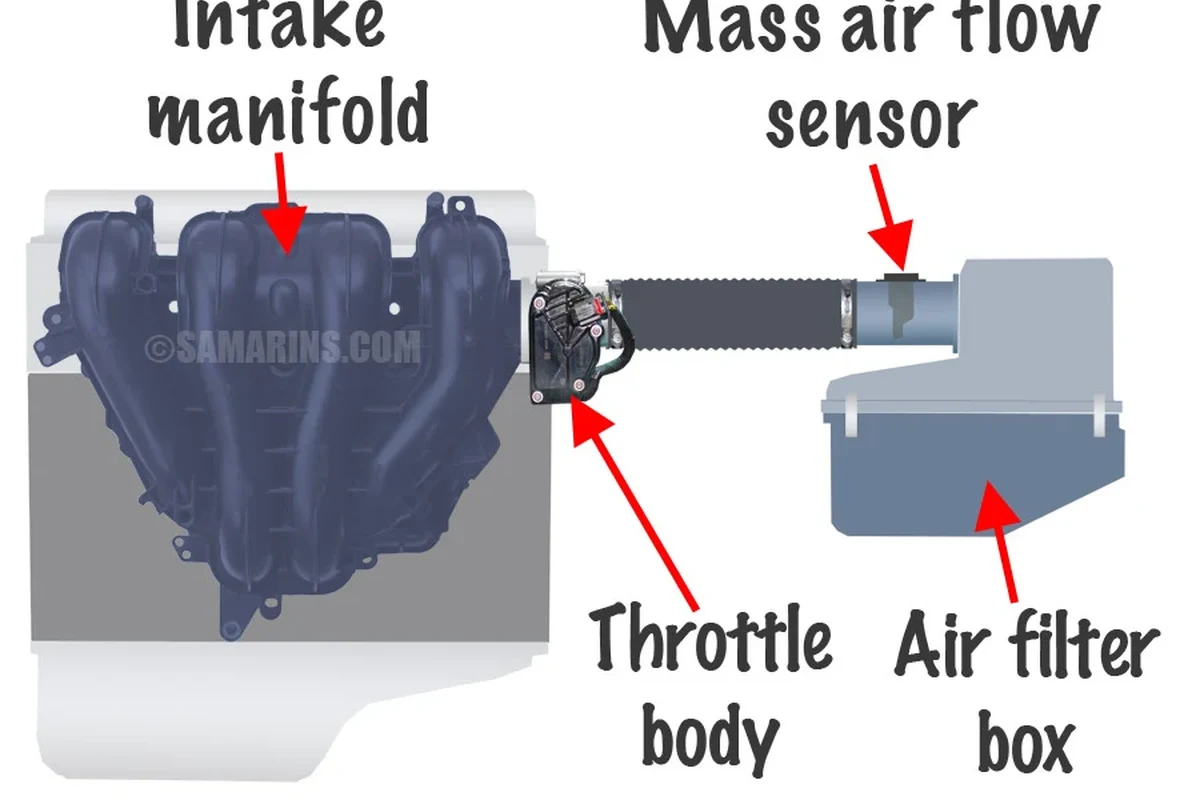
Yes, a faulty mass air flow sensor can cause a misfire or symptoms that feel very similar to one. When the engine control unit receives the wrong airflow signal, it may add too much fuel or too little fuel, and that imbalance can lead to rough running, hesitation, and uneven combustion.
That said, a true misfire can also come from ignition, fuel delivery, vacuum leaks, or wiring problems. The MAF sensor is one piece of the puzzle, so the best diagnosis looks at the whole intake-and-ignition system instead of assuming the sensor is guilty first.
How a MAF Sensor Works and Why It Affects Air-Fuel Mixture
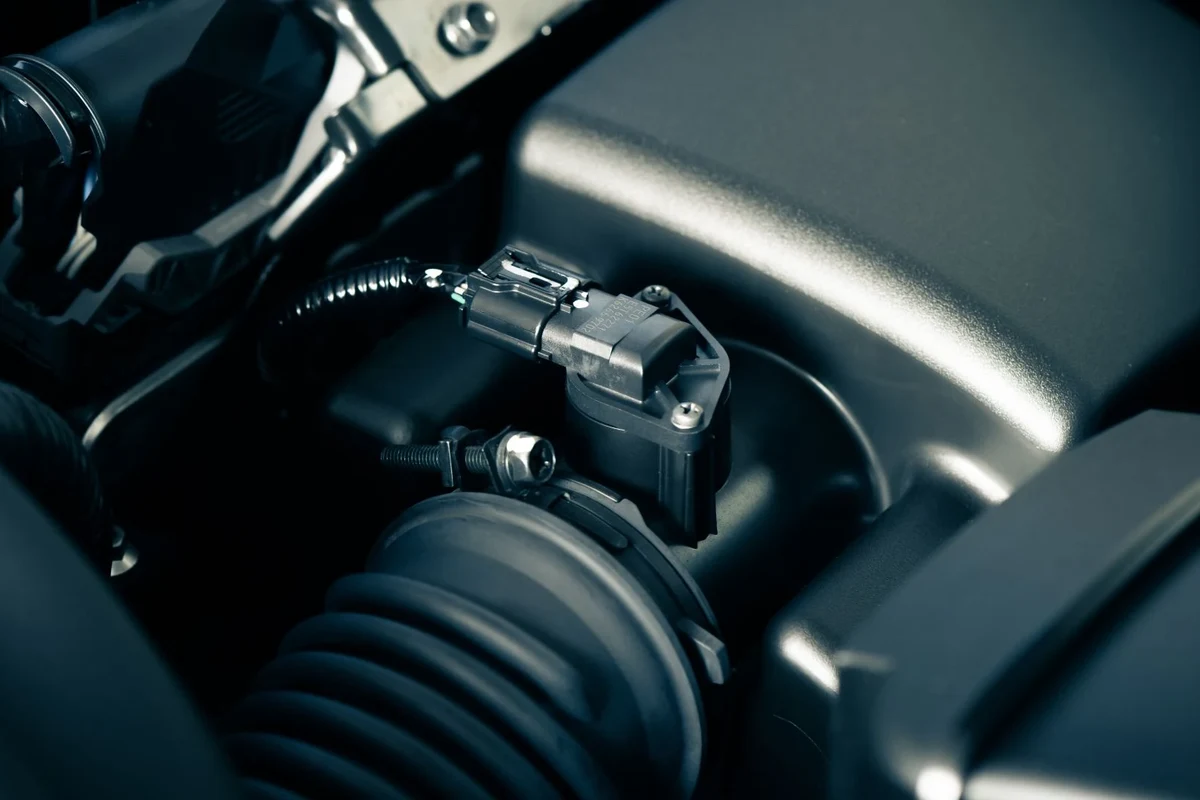
The mass air flow sensor measures how much air enters the engine. The ECU uses that signal to decide how much fuel to inject, which keeps combustion balanced and the engine running smoothly.
If the MAF sensor reports too little air, the ECU may underfuel the engine. If it reports too much air, the ECU may overfuel it. Either way, the air-fuel mixture can drift far enough from ideal that the engine shakes, stumbles, or loses power.
Mass Airflow Readings, ECU Fuel Trim, and Combustion Balance
Fuel trim is the ECU’s way of correcting the mixture in real time. Short-term fuel trim reacts quickly, while long-term fuel trim reflects patterns the computer has learned over time.
When the MAF sensor is inaccurate, those trims often move in the wrong direction as the ECU tries to compensate. That can create unstable combustion, especially during idle, light throttle, or acceleration when the engine depends on precise airflow data.
A dirty or contaminated MAF sensor can sometimes act like a failing sensor even when the electronics are still working.
Signs a Bad MAF Sensor Can Look Like a Misfire
A failing MAF sensor does not always trigger a clean, obvious warning. Instead, it often shows up as a cluster of symptoms that can be mistaken for ignition trouble.
The most common clue is that the engine feels inconsistent rather than completely dead on one cylinder. If the problem changes with throttle position, temperature, or airflow load, the MAF deserves attention.
Rough Idle, Hesitation, Stalling, Poor Acceleration, and Check Engine Codes
Rough idle is one of the most common signs. The engine may shake at stoplights, surge up and down in RPM, or stall when coming to a stop.
Hesitation during acceleration is another clue, especially when the car feels sluggish right as you step on the gas. Poor fuel economy, hard starting, black smoke, or a check engine light with airflow-related or lean/rich mixture codes can also point toward the MAF sensor.
- Pay attention to when the symptom happens: idle, cruise, or acceleration.
- Note whether the engine runs better with the air filter removed only for diagnosis, not as a fix.
- Check whether the problem appeared after filter service, intake work, or a battery reset.
When the Problem Is the MAF Sensor vs. Other Misfire Causes
Because MAF symptoms overlap with many engine faults, diagnosis matters. A bad reading from the sensor can cause a misfire-like condition, but so can an actual spark or fuel problem.
A useful rule is this: if the engine is running poorly across multiple cylinders or under many conditions, think air measurement or fuel delivery. If the issue is isolated to one cylinder, ignition or injector trouble is often more likely.
Vacuum Leaks, Ignition Coils, Spark Plugs, Fuel Delivery, and Sensor Wiring
Vacuum leaks can confuse the ECU by letting in unmetered air after the MAF sensor. That can create lean running, rough idle, and misfire codes even when the MAF itself is fine.
Worn spark plugs, failing ignition coils, weak fuel pressure, clogged injectors, and damaged wiring can produce nearly identical symptoms. Connector corrosion, broken intake ducting, or loose clamps can also mimic a sensor failure by disrupting the airflow signal.
Do not keep driving if the engine is shaking badly, stalling in traffic, or flashing the check engine light. Those symptoms can point to active misfires that may damage the catalytic converter.
Key Diagnostic Checks Before Replacing the MAF Sensor
Before buying a replacement, start with simple checks that do not require special tools. This saves money and reduces the chance of replacing a part that was not the real problem.
Good diagnosis usually combines visual inspection, live data, and a look at the intake path. If the vehicle has access to scan data, that information is often more useful than guessing from symptoms alone.
Visual Inspection, Live Data, Air Filter Condition, Connector Health, and Smoke Test Clues
Inspect the air filter, intake tube, clamps, and MAF housing for dirt, cracks, or loose fittings. A torn intake boot or badly clogged filter can skew readings and create drivability issues that look like a bad sensor.
Check the connector for corrosion, bent pins, oil contamination, or a loose fit. If scan data is available, compare airflow readings and fuel trims at idle and under light throttle, then look for patterns that suggest the ECU is overcorrecting.
A smoke test can reveal vacuum leaks that are otherwise hard to see. If smoke escapes from hoses, gaskets, or intake joints, fix those leaks first because they can cause the same symptoms as a failing MAF sensor.
- Check the exact engine code, model year, and sensor part number.
- Inspect the intake tube, air filter, connector, and wiring before replacing the sensor.
- Confirm whether the vehicle needs a relearn or idle adaptation after installation.
What to Look for When Choosing a Replacement MAF Sensor
If the sensor is confirmed bad, choose carefully. MAF sensors are sensitive components, and the wrong fit or calibration can create new drivability problems.
The safest choice is usually the exact application specified for your vehicle. Universal-style assumptions are risky here because airflow calibration and connector layouts vary by engine family.
OEM Fitment, Connector Type, Engine Compatibility, Calibration, and Build Quality
Verify the OEM part number or a direct cross-reference for your engine. The connector shape, housing design, and sensing element must match the vehicle’s intake system and calibration requirements.
Compatibility also depends on whether the replacement is intended for the same engine displacement, turbo or non-turbo setup, and emissions configuration. Build quality matters too, but no brand name can override a poor fit or incorrect calibration.
Common Mistakes That Lead to False Misfire Diagnoses
One of the biggest mistakes is assuming every rough-running engine has a bad MAF sensor. Another is cleaning or replacing parts without checking whether the real issue is contamination, unmetered air, or ignition failure.
Misdiagnosis is expensive because it can lead to repeat repairs. A careful process usually finds the real cause faster than swapping parts at random.
Cleaning Errors, Oiled Filter Contamination, Ignoring Fuel Trims, and Skipping Relearn Procedures
Cleaning mistakes are common. Using the wrong cleaner, touching the sensing element, or reinstalling the sensor before everything is fully dry can make the problem worse.
Oiled aftermarket air filters can contaminate the sensor if they are over-oiled or poorly maintained. It is also a mistake to ignore fuel trim data, because trims often show whether the ECU is fighting a lean or rich condition.
Some vehicles also need a relearn or idle adaptation after the repair. Skipping that step can leave the engine running poorly even when the new sensor is correct.
Relearn procedures, cleaning instructions, and approved sensor cleaners vary by vehicle and sensor design. Always follow the factory manual or the sensor manufacturer’s guidance for your exact model.
Safe Installation, Maintenance, and Final Recommendation
If replacement is necessary, handle the sensor gently and keep the intake path clean. These parts are delicate, and a small handling mistake can shorten their life or create a new fault.
For most readers, the smartest path is simple: verify the intake system, check fuel trims, confirm the exact part number, and only then replace the MAF sensor if the evidence points there. If the engine still misfires after a proper repair, professional diagnostics are worth it.
Handling Tips, Cleaning Intervals, Replacement Timing, Value Considerations, and When to Seek Professional Help
Use clean hands and avoid touching the sensing element. Make sure clamps are tight, the air filter is installed correctly, and the connector locks fully into place.
Cleaning may help if contamination is the issue, but replacement is better when the sensor is electrically unstable or physically damaged. Value comes from the right diagnosis, not the cheapest part, especially when a poor-quality sensor can create repeat problems.
Seek professional help if the vehicle has multiple stored codes, persistent misfires, wiring damage, or repeated stalling. In those cases, the MAF sensor may be only one symptom of a broader engine problem.
Frequently Asked Questions
Yes. A faulty MAF sensor can send the wrong airflow signal, which can upset the air-fuel mixture and create misfire-like symptoms or actual misfires.
Common signs include rough idle, hesitation, stalling, poor acceleration, and check engine codes related to airflow or fuel mixture. Symptoms often appear under idle or light throttle.
A vacuum leak lets unmetered air enter the engine and can mimic a bad MAF sensor. Visual inspection and a smoke test can help reveal leaks before you replace the sensor.
If contamination is likely and the sensor is not physically damaged, cleaning may help. Use only the cleaner approved for that sensor type and follow the manufacturer’s instructions.
Usually yes, or a direct equivalent listed for your exact vehicle and engine. Fitment, connector type, and calibration must match to avoid new drivability problems.
Get help if the engine still misfires after basic checks, if there are multiple trouble codes, or if wiring, fuel pressure, or ignition issues are suspected. A technician can confirm the root cause with scan data and testing.