Do Steam Cleaners Clean Grout and Remove Stains
Yes, steam cleaners can clean grout, especially when the dirt and stains are on the surface. They are less effective on cracked, deeply stained, or damaged grout.
Steam cleaners can clean grout, and in many homes they do a better job than a sponge and bucket alone. They work best on surface grime, soap scum, and light-to-moderate discoloration, but they are not a cure for cracked, missing, or permanently stained grout.
- Best use: Steam works well for routine grout maintenance and surface grime.
- Limits: Deep stains, mildew damage, and cracked grout usually need more than steam.
- Buying focus: Check steam output, runtime, hose reach, and grout-friendly attachments.
- Safe use: Vacuum first, spot test, and wipe loosened dirt after each pass.
- Long-term value: Descaling, drying, and brush care help keep performance consistent.
Do Steam Cleaners Clean Grout? Quick Answer and What to Expect
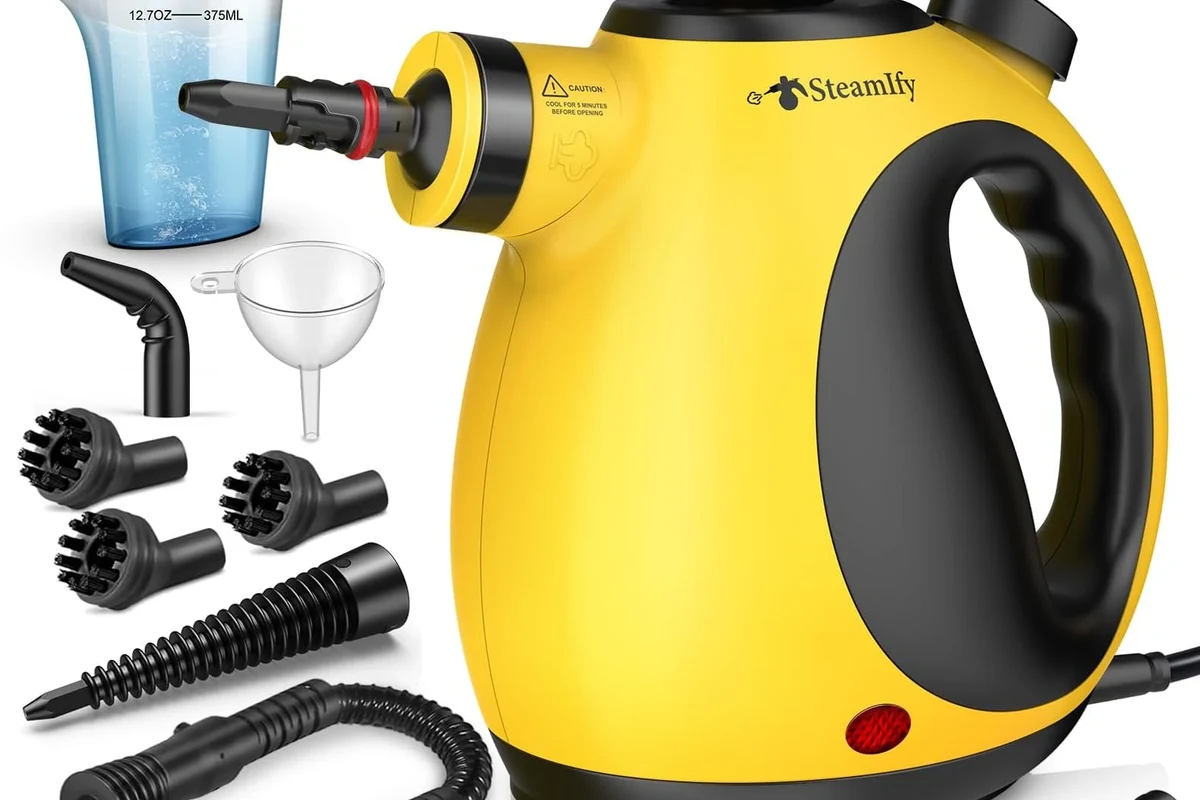
Yes, steam cleaners can clean grout by loosening dirt and breaking up buildup that sits in the porous surface. The best results usually come from regular maintenance cleaning, not from trying to rescue grout that has years of embedded staining or damage.
If you are deciding whether a steam cleaner is worth it, think about the type of mess you are dealing with. For everyday dirt in kitchens, bathrooms, and entryways, steam can be a practical shortcut. For old mildew, permanent discoloration, or failing grout lines, you may need regrouting, sealing, or a different cleaner after checking the surface condition.
How Steam Cleaning Works on Grout, Tile, and Stains
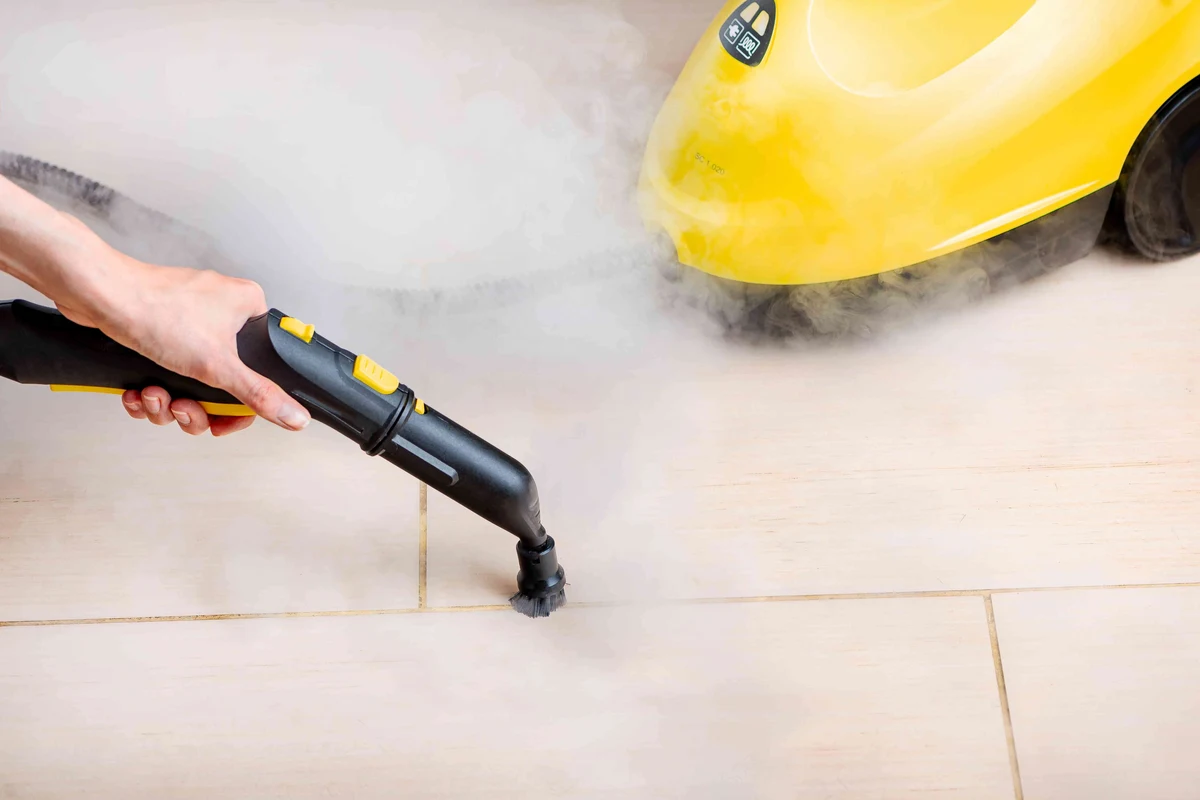
Steam cleaning uses hot vapor to soften residue so it can be lifted away with a brush, cloth, or mop pad. On tile floors, the tile itself is usually easy to clean; grout is the harder part because it is porous and tends to trap soil, grease, and soap film.
Heat, moisture, and pressure: why steam can loosen buildup
The heat helps break the bond between grime and the grout surface. Moisture softens dried-on residue, while pressure from the nozzle or brush helps push loosened debris out of the lines. That combination can be especially useful when dirt has settled into textured or narrow grout joints.
Grout is more porous than tile, which is why stains often appear darker in the joints even when the tile itself looks clean.
Steam works best when the dirt is sitting near the surface. If a stain has soaked in, the cleaner may lift some of the top layer but leave a shadow behind. That is why results can look dramatic in one area and modest in another, even on the same floor.
What kinds of grout stains respond best
Steam tends to help most with soap scum, loose dirt, kitchen grease, tracked-in soil, and some light mildew staining on the surface. It can also improve grout that looks dull from daily buildup.
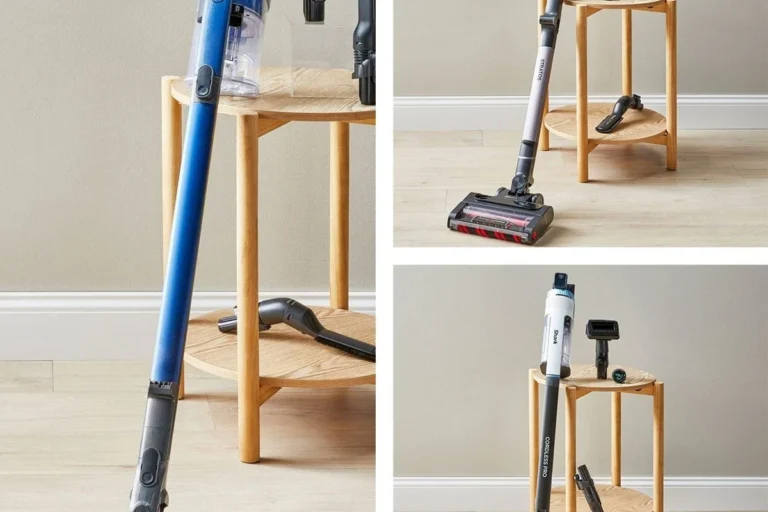
It is less effective on mineral staining, rust, old mold discoloration, dye transfer, and grout that has absorbed spills for a long time. If you are also comparing other home-cleaning tools, a guide like what cordless vacuums clean most effectively can help you decide what to use before you reach for steam.
When a Steam Cleaner Fits the Job Best
A steam cleaner makes the most sense when you want a deeper clean without harsh chemicals and you have a lot of grout to cover. It is especially useful when the dirt is spread across a larger area rather than concentrated in one damaged line.
Best use cases for kitchens, bathrooms, and entryways
Kitchens often collect grease and food residue near backsplashes and floor grout. Bathrooms tend to have soap scum, body oils, and mildew-prone moisture. Entryways pick up tracked-in dirt and sand that settle into the joints. In each of these spaces, steam can speed up the cleaning process when paired with the right brush attachment.
For floors, clean a small section at a time so loosened grime does not dry back onto the grout before you wipe it away.
Who should consider a steam cleaner over scrubbing by hand
Homeowners with a lot of tiled space, renters maintaining a bathroom, or anyone who struggles with repetitive scrubbing may benefit most. Steam can also be a good fit if you want to reduce reliance on strong cleaners, though you should still check the manufacturer’s guidance for your grout and sealant.
If your home cleaning setup already includes cordless tools, it may help to think about workflow. For example, a vacuum can remove dry debris first, while steam handles the stuck-on layer afterward. That sequence usually works better than steaming over loose dirt.
Key Features to Compare Before Buying a Steam Cleaner for Grout
Not every steam cleaner is equally good for grout. The right one depends on how much cleaning you need to do, how long you want to work before refilling, and whether the attachments can reach narrow grout lines without soaking the floor.
Steam temperature, pressure, and runtime
Higher heat and steady steam output can help loosen grime faster, but the exact performance varies by model. Runtime also matters because grout cleaning is slower than broad surface cleaning. If the tank runs dry too quickly, you may lose momentum and end up spending more time refilling than cleaning.
Tank size, cord length, hose reach, and brush attachments
A larger tank can reduce refills, but it may also make the unit heavier. Cord length and hose reach matter more than many buyers expect, especially if you are cleaning bathroom grout or a long kitchen floor where outlets are limited. Brush shape is critical because grout cleaning usually depends on a narrow or angled attachment that can work into the joint.
- Check the brush shape and whether it can target grout lines without spreading too much water
- Confirm cord length, hose reach, and storage space for the full setup
- Review the manual for sealed surfaces, safe water use, and recommended cleaning motions
Surface compatibility, grout condition, and sealant sensitivity
Some sealed grout can handle steam well, while older or damaged grout may react poorly. If the sealant is worn, heat and moisture can expose the porous material underneath. Always check the manufacturer’s instructions for both the steam cleaner and the flooring or tile surface before using high heat.
Compatibility can vary by tile type, grout age, sealant condition, and even the way the cleaner is held. When in doubt, test a hidden area first and confirm the surface care instructions from the flooring maker.
Real-World Benefits and Limitations on Grout Cleaning
Steam cleaning is appealing because it can reduce scrubbing time and make grout look fresher without adding much detergent. Still, it has limits, and understanding them helps prevent disappointment.
Where steam saves time and improves results
Steam often shines during routine maintenance. It can lift the film that makes grout look gray, help break up soap buildup around showers, and reduce the amount of hand scrubbing needed on tiled floors. For busy households, that time savings can be the main reason to buy one.
- Helps loosen grime without heavy chemical use
- Can improve the look of regularly maintained grout
- Works well for larger tiled areas when used with the right attachment
- Not a fix for cracked, missing, or failing grout
- May not remove deep-set stains or old mildew marks
- Can be slower than expected if the tank, cord, or brush setup is undersized
Common limitations: deep stains, mildew, damaged grout, and sealing issues
Deep stains often remain after the surface layer is cleaned. Mildew can also return if the underlying moisture problem is not addressed. If grout is cracked or missing, steam may temporarily improve appearance but will not solve the structural issue. In those cases, cleaning alone is only part of the job.
How to Use a Steam Cleaner on Grout Safely and Effectively
Good technique matters as much as the machine itself. A careful setup can improve results and help protect the tile, grout, and surrounding surfaces.
Preparation steps: vacuuming, pre-cleaning, and spot testing
Vacuum or sweep the area so sand, crumbs, and grit do not turn into muddy residue when steam hits them.
If grease or soap film is thick, loosen it with a cleaner approved for that surface before steaming.
Check a small, out-of-the-way area for color change, sealant reaction, or surface damage before cleaning the whole floor.
Technique tips: pass speed, angle, dwell time, and wiping
Move the cleaner slowly enough to loosen grime, but not so slowly that you flood the joint. A slight angle can help the brush reach into the grout line. After steaming a section, wipe it with a clean cloth or microfiber pad so loosened dirt is removed instead of drying back in place.
- Work in short passes and inspect the result before repeating the area
- Use a fresh cloth often so you are lifting dirt instead of spreading it
- Let the surface dry completely before judging the final color of the grout
Safety notes for heat, ventilation, children, pets, and sealed surfaces
Steam can cause burns, and freshly cleaned tile may stay hot and slippery for a short time. Keep children and pets away from the work area, ventilate the room, and follow the manufacturer’s instructions for sealed surfaces, attachments, and fill water.
If you are cleaning a bathroom or kitchen with limited airflow, open windows or run ventilation when appropriate. Also avoid steaming near electrical outlets, cords, or damaged flooring, and stop if you notice lifting sealant, unusual odors, or surface discoloration.
Common Mistakes That Make Grout Cleaning Less Effective
Many disappointing results come from technique, not from the steam cleaner itself. A few common mistakes can make the job slower and less effective.
Using the wrong attachment or too much water
A broad floor pad is not always ideal for grout lines. You usually need a detail brush or grout-focused attachment that concentrates cleaning power where it matters. Too much water can also spread grime, saturate porous grout, and leave a dull film behind.
Expecting steam to fix cracked or permanently stained grout
Steam can improve appearance, but it cannot rebuild missing grout or reverse stains that have penetrated deeply into the material. If the grout is failing, cleaning may be only a temporary cosmetic step. In some homes, resealing or regrouting is the better long-term fix after the surface is cleaned.
For readers comparing home cleaning tools, it can help to separate “maintenance cleaning” from “restoration.” Steam is strong in the first category and limited in the second. That distinction keeps expectations realistic and helps you choose the right gadget for the job.
Care, Storage, and Maintenance for Better Long-Term Value
A steam cleaner lasts longer and performs more consistently when it is cleaned and stored properly. This matters even more if you plan to use it for grout, where mineral buildup and dirty attachments can reduce effectiveness over time.
Descaling, drying, brush cleaning, and hose inspection
Follow the manual for descaling if your model supports it, especially if you use hard water. Empty the tank after use, let the unit dry fully, and clean the brush heads so old residue does not harden on the bristles. Check the hose and seals for wear before the next use.
Stop using damaged appliances, frayed cords, cracked accessories, or loose fittings and follow the manufacturer’s guidance for repair or replacement.
Warranty details to verify before buying
Warranty terms vary by model, region, and retailer, so confirm coverage before you buy. Look for what is excluded, how long parts and labor are covered, whether brushes and hoses count as consumables, and how service claims are handled. The official manual and warranty page are the best places to verify those details.
Final Verdict: Is a Steam Cleaner Worth It for Grout?
For most homes, a steam cleaner is worth considering if your main goal is to refresh grout, reduce scrubbing, and maintain tiled surfaces more efficiently. It is especially useful when the grout is structurally sound and the stains are mostly surface-level.
Best recommendation by user type and cleaning goal
If you clean grout regularly in a kitchen, bathroom, or entryway, a steam cleaner can be a smart buy. If your grout is cracked, deeply stained, or repeatedly mildewing because of moisture problems, you will likely need more than steam, and it is worth checking the flooring maker’s care guidance or a professional repair option first.
For shoppers comparing home cleaning gadgets, the safest approach is to match the tool to the problem: steam for loosening buildup, scrubbing for targeted cleanup, and repair for damaged grout. That is the clearest way to get better results without overbuying or expecting one machine to do everything.
Frequently Asked Questions
Yes, steam cleaners can clean grout by loosening dirt and surface buildup. They work best on regular maintenance cleaning, not on cracked or permanently stained grout.
Steam tends to help most with soap scum, loose dirt, kitchen grease, and light surface mildew staining. Deep-set discoloration, rust, and mineral stains usually need other treatments.
Often yes, but it depends on the grout condition, sealant quality, and the manufacturer’s instructions. Test a hidden area first and stop if you see lifting sealant or discoloration.
Look for steady steam output, enough runtime, a useful cord or hose reach, and a brush attachment that can target grout lines. Surface compatibility and easy maintenance also matter.
Vacuum first, spot test a hidden area, then clean in short passes and wipe away loosened grime. Keep children and pets away and follow the manual for heat and ventilation guidance.
Do not rely on steam if the grout is cracked, missing, or deeply stained, or if moisture problems are causing repeated mildew. In those cases, repair or resealing may be needed.