Can Camshaft Sensor Cause No Start
Yes, a bad camshaft sensor can cause a no-start, but it is not the most likely cause in every vehicle. The safest approach is to confirm codes, wiring, battery health, and related engine signals before replacing parts.
If your engine cranks but won’t start, a bad camshaft position sensor can be the cause—but it is not the only likely one. The sensor matters most when the ECU needs camshaft timing information to fire injectors and spark at the right moment, especially during startup.
- Possible cause: A failed camshaft sensor can stop startup if the ECU cannot sync fuel and.
- Not always the main culprit: Crank sensor, fuel, ignition, immobilizer, or timing faults can look the same.
- Best clue: Cam/crank correlation codes and live data are more useful than symptoms alone.
- First checks: Battery voltage, fuses, connectors, harness damage, and scan data should come before parts replacement.
- Replacement tip: Match the exact engine, connector, and mounting style to avoid repeat failures.
Can a Camshaft Sensor Cause a No-Start? The Short Answer for 2026
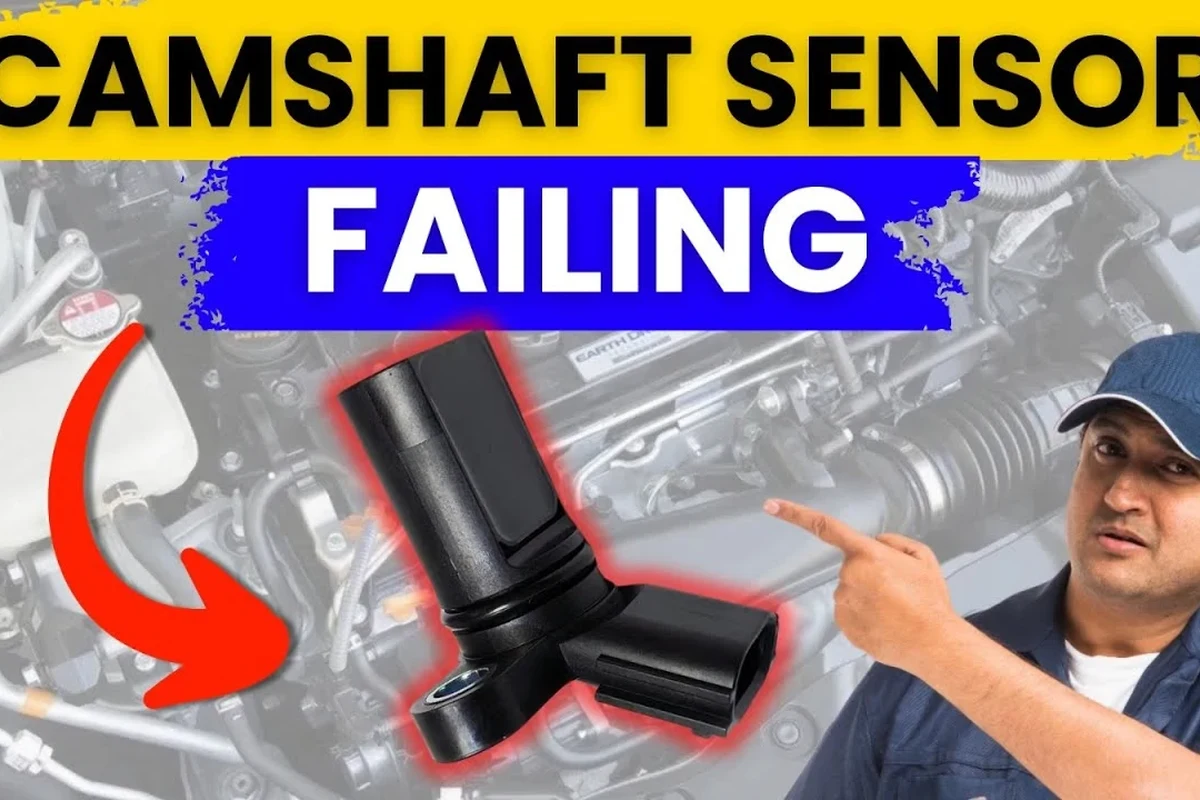
Yes, a failing camshaft position sensor can cause a no-start condition on some vehicles. The chance is higher when the engine relies on camshaft signal input to sync fuel injection and ignition during cranking.
When a bad camshaft position sensor can stop the engine from starting
A cam sensor can prevent starting if the ECU cannot identify cylinder position well enough to begin injection or ignition timing. This is more common on engines with sequential fuel injection, variable valve timing strategies, or designs that are sensitive to cam/crank correlation.
In those cases, the engine may crank normally but never catch. You may also see a scan code related to cam sensor signal loss, correlation, or circuit failure.
When the problem is more likely the crank sensor, fuel system, or ignition
If the crankshaft position sensor fails, the engine often has no clear speed or position reference at all, so a no-start is frequently more likely. Fuel pump failure, low fuel pressure, blown fuses, ignition faults, or an immobilizer problem can create the same symptom.
That is why a no-start diagnosis should not begin with random parts replacement. The cam sensor is one possibility, but it is only one piece of a larger starting system.
How the Camshaft Position Sensor Works in the Starting Process
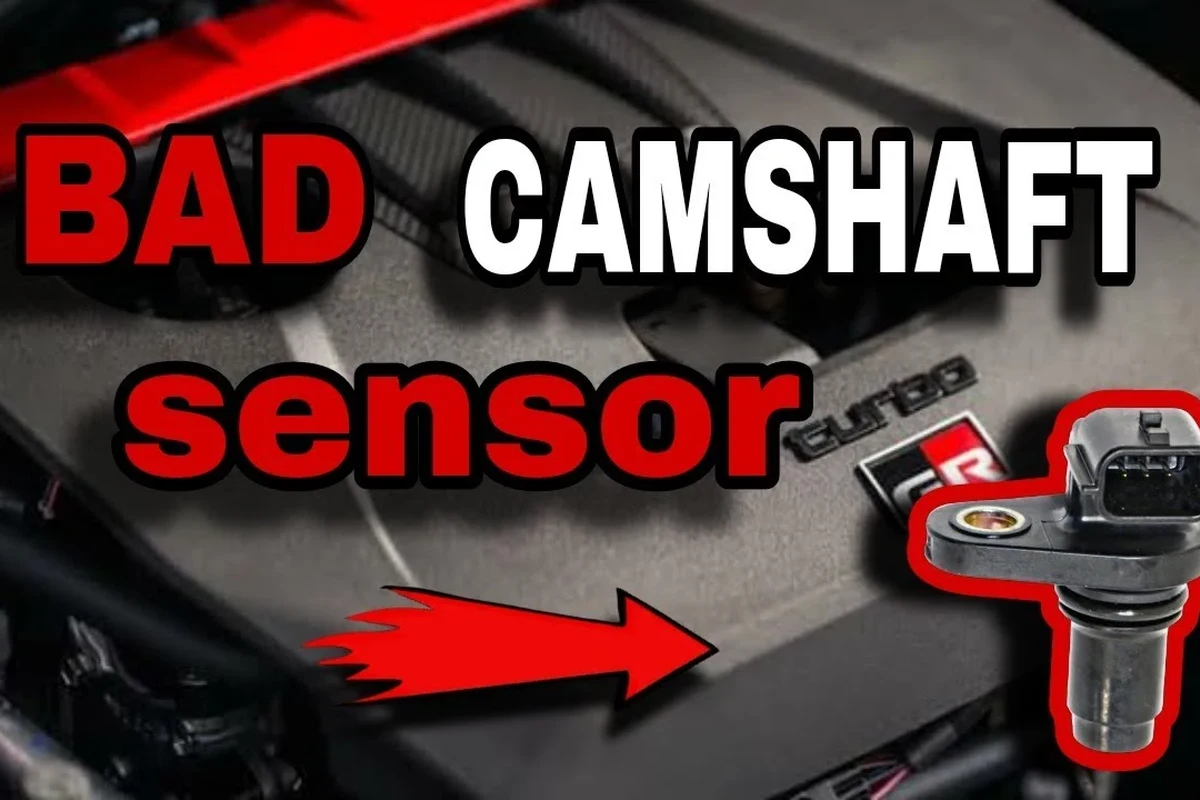
The camshaft position sensor helps the ECU understand where the camshaft is in its rotation. During startup, that information helps the engine controller decide when to inject fuel and, on many engines, how to coordinate spark.
What the sensor tells the ECU during cranking
While the starter turns the engine, the cam sensor sends a signal that marks camshaft position. The ECU uses that signal to confirm which stroke each cylinder is on.
If the signal is missing, weak, noisy, or out of sync, the ECU may delay starting or abandon the start sequence entirely. The result can be a long crank, a no-start, or a start that only happens after several attempts.
How camshaft and crankshaft signals work together
The crank sensor tracks engine speed and crank position, while the cam sensor helps confirm valve timing and cylinder phase. Together, they let the ECU synchronize combustion accurately.
Think of the crank sensor as the engine’s motion reference and the cam sensor as its timing confirmation. If either signal is missing or they disagree, the ECU may not trust the data enough to start the engine.
Why some engines will still start with a failing cam sensor
Some vehicles can start using crank sensor data alone and then guess or default to a backup strategy. In those cases, a bad cam sensor may cause rough running, stalling, or hard starting rather than a total no-start.
That is why symptoms vary so much by make, model, and engine design. A cam sensor can be the issue, but the same failure on another vehicle may only trigger a warning light and drivability problems.
Many modern engines can enter a fallback mode when one sensor signal is missing, but that fallback may not be enough to start reliably in every case.
Symptoms That Point to a Camshaft Sensor No-Start Issue
The cam sensor is more suspicious when the no-start is paired with other timing-related symptoms. A single symptom rarely proves the diagnosis, but patterns can narrow it down quickly.
Crank-no-start vs. intermittent no-start behavior
A steady crank-no-start can point to a sensor that has failed completely, lost power, or lost signal. An intermittent no-start often suggests a heat-related sensor fault, loose connector, damaged harness, or contamination inside the connector.
If the car starts after sitting or after the engine cools down, that does not prove the cam sensor is bad, but it does make an electrical or heat-sensitive fault more plausible.
Common warning signs: rough idle, stalling, misfires, long crank, and check engine light
Before a full no-start happens, a failing cam sensor may cause rough idle, hesitation, misfires, stalling at stops, or a longer-than-normal crank time. Some drivers also notice reduced fuel economy or an engine that feels inconsistent after warming up.
The check engine light may come on with a cam-related code, but the absence of a light does not rule the sensor out. Not every fault appears immediately, and some intermittent problems store pending codes first.
How trouble codes and live data help narrow the diagnosis
OBD2 data can show whether the ECU is seeing cam signal activity during cranking. Codes such as cam sensor circuit faults, signal implausibility, or cam/crank correlation issues are especially useful because they point to timing data rather than a generic no-start complaint.
Live data is even more helpful when it shows whether the sensor is reporting consistently. If the cam signal drops out while cranking, the sensor, wiring, connector, or timing mechanism deserves closer inspection.
How to Diagnose the Problem Safely and Accurately
Start with the simplest checks first. A no-start often looks like a sensor problem when the real cause is low voltage, poor connections, or another failed component in the starting chain.
Basic checks: battery voltage, fuses, wiring, connectors, and obvious damage
Confirm the battery has enough charge to crank the engine normally. Weak cranking speed can confuse sensor readings and lead to false conclusions.
Then inspect related fuses, the sensor connector, and the harness for corrosion, oil intrusion, broken locking tabs, or melted insulation. A damaged wire can mimic a failed sensor very closely.
Work with the ignition off when inspecting connectors, and avoid probing or forcing terminals if you are not sure of the circuit layout. If wiring looks heat-damaged or exposed, stop and follow the vehicle manual or a qualified technician’s guidance.
Using an OBD2 scanner and interpreting cam/crank correlation codes
A scanner can help separate a cam sensor issue from a crank sensor issue or a mechanical timing problem. Correlation codes matter because they may indicate the signals disagree rather than one sensor being totally dead.
That distinction is important. A correlation fault can come from a stretched timing chain, slipped belt, damaged reluctor wheel, or sensor issue, so the code is a clue—not a final answer.
When to inspect timing components, fuel pressure, and spark
If the cam sensor and wiring look normal, check whether the engine has spark and whether fuel is reaching the engine at the expected pressure. If spark and fuel are both missing, the problem may be upstream of the cam sensor.
Timing components should be inspected when the engine suddenly stopped running, makes unusual mechanical noises, or shows correlation faults that do not clear. Mechanical timing problems can create symptoms that look exactly like an electrical sensor failure.
Common diagnostic mistakes that lead to unnecessary parts replacement
One common mistake is replacing the cam sensor because a code mentions it, without checking power, ground, signal integrity, or timing alignment. Another is ignoring the crank sensor because the symptom seems to “point” to cam timing.
It is also easy to overlook a bad connector pin, oil-soaked wiring, or a weak battery. Those issues can produce the same no-start behavior and waste money if they are not checked first.
- Scan for codes before clearing anything so you do not erase useful clues.
- Check whether the engine stalls hot, cold, or randomly; that pattern often matters.
- Compare cam and crank data together instead of judging the cam sensor alone.
What Matters When Choosing a Replacement Camshaft Sensor
If the sensor does need replacement, compatibility matters more than price alone. The wrong sensor can fit poorly, read incorrectly, or fail early even if it looks similar.
OEM vs. aftermarket: fit, signal quality, and long-term reliability
OEM sensors are usually the safest choice when you want the closest match to the original design. Quality aftermarket options can also work well, but the signal quality and connector fit may vary by brand and vehicle application.
For a no-start repair, signal accuracy matters more than cosmetic differences. If the sensor is marginal, the engine may still crank but continue to refuse to start.
Vehicle compatibility, engine code, connector style, and mounting design
Always verify the exact engine code, model year, and connector shape before buying. Some vehicles use similar-looking sensors with different pinouts or mounting depths.
Mounting design also matters because the sensing gap and position can affect output. A sensor that fits loosely or sits at the wrong depth may create intermittent starting problems.
Key specs to verify: sensor type, voltage range, heat resistance, and warranty
Voltage range and signal type should match the vehicle’s electrical system and ECU expectations. Heat resistance matters because cam sensors often sit near hot engine components where cheaper parts can degrade sooner.
Warranty terms can help, but they are not a substitute for correct fit and signal quality. Always confirm the actual warranty details with the seller or manufacturer before purchase.
Value comparison: price, availability, and return policy considerations
For sensor replacement, value is not just the sticker price. Availability, shipping time, return policy, and whether the part can be exchanged if it does not solve the problem all matter.
If diagnosis is uncertain, a retailer with a clear return policy can reduce risk. That said, a return policy should never replace proper testing.
Choose the most exact-match sensor you can verify by engine code, connector, and mounting style when the car’s no-start symptoms strongly support a cam signal problem.
Replacement and Installation Guide: What Owners Should Know
Camshaft sensor replacement is often straightforward, but access varies widely by engine layout. Some sensors sit on top of the engine and are easy to reach, while others are tucked behind covers or near hot components.
Typical replacement steps and where access is easiest or hardest
In general, the job involves disconnecting power if recommended by the manual, unplugging the connector, removing the retaining fastener, and installing the replacement sensor in the same orientation. The exact steps depend on the vehicle.
Access is usually easiest when the sensor is visible from above with room for a hand tool. It is harder when intake parts, covers, or adjacent engine components block the sensor.
Let the engine cool, confirm the correct part number, and make sure the connector and mounting surface are clean.
Check the old sensor, connector, and harness for oil, corrosion, or broken plastic before installing the new part.
Seat the sensor fully, tighten fasteners to the vehicle’s specified method, and reconnect the harness securely.
Cleaning the area, checking the harness, and preventing contamination
Before installing the new sensor, clean away oil, dirt, and debris around the mounting point. Contamination can interfere with the connector seal or cause the new sensor to fail early.
Also inspect the harness routing. If it touches hot or moving parts, the same wiring damage may return even after the sensor is replaced.
Resetting codes and confirming the repair with a follow-up start test
After installation, clear codes only if you have recorded the original fault information. Then attempt a start and watch live data if the scanner supports it.
A successful repair should show normal cranking, stable cam/crank data, and no immediate return of the fault code. If the engine still will not start, the sensor was not the only issue.
- Check the exact engine code, connector shape, and mounting design
- Confirm whether the vehicle also shows crank sensor, fuel, spark, or timing-related faults
- Review return policy, warranty terms, and official installation guidance
Limitations, Risks, and When a Cam Sensor Is Not the Real Problem
A camshaft sensor can cause a no-start, but it is easy to misdiagnose because several other failures create nearly identical symptoms. The safest approach is to treat the sensor as one candidate in a larger diagnostic picture.
Timing chain or belt issues that mimic cam sensor failure
If the timing chain is stretched or the belt has slipped, the cam and crank signals may no longer align. The ECU may interpret that as a sensor fault even though the underlying issue is mechanical.
That is why correlation codes are so important. They may point to timing hardware rather than the sensor itself.
Crankshaft sensor, immobilizer, fuel pump, injector, or ignition faults
A dead crank sensor often causes a stronger no-start pattern than a cam sensor does. Immobilizer issues can also prevent the engine from firing even when the starter works normally.
Fuel pump, injector, coil, or ignition module faults can produce a crank-no-start with no cam sensor involvement at all. If these systems are not checked, a good sensor may be replaced for nothing.
Why evidence from scans and testing matters more than guesswork
Symptoms matter, but evidence matters more. Codes, live data, voltage checks, and basic mechanical inspection give you a better answer than replacing the first part that seems plausible.
If the diagnosis is still unclear after those checks, a professional technician with the right test tools can often save time and prevent unnecessary parts spending.
Final Recommendation: Best Next Step If Your Car Cranks but Won’t Start
If your car cranks but will not start, the camshaft sensor should be considered when there are cam-related codes, intermittent starting, rough running before failure, or timing correlation faults. It is a reasonable first replacement only when the scan data and basic electrical checks support it.
Who should replace the camshaft sensor first
DIY owners with a scan tool, clear access to the sensor, and a verified part match can often start with the cam sensor if the evidence is strong. That is especially true when the vehicle has a known history of cam sensor faults or the symptoms point directly to cam signal loss.
When to stop and seek professional diagnosis
Stop and get help if the no-start comes with timing codes, unusual engine noise, repeated stalling, or signs of mechanical damage. Also pause if you have already replaced the sensor and the problem remains, because the root cause is likely elsewhere.
Practical verdict for readers comparing repair cost, time, and reliability
The camshaft sensor is a plausible no-start cause, but it should be replaced based on evidence, not assumption. If you want the most reliable fix, verify power, ground, wiring, codes, and timing before buying parts, then replace only the component the diagnosis actually supports.
A bad camshaft sensor can absolutely cause a no-start, but it is usually one of several possible causes. The best next step is to confirm the fault with scan data and basic electrical checks before replacing anything.
Frequently Asked Questions
Yes. If the ECU cannot read cam position well enough to sync fuel and spark, the engine may crank without starting.
Common signs include long cranking, rough idle, stalling, misfires, intermittent no-start behavior, and a check engine light.
Often yes. A failed crank sensor can stop the ECU from seeing engine speed and position at all, which commonly prevents starting.
Sometimes. Some vehicles use fallback strategies and may start poorly, stall, or run rough instead of failing completely.
Codes related to cam sensor circuit faults or cam/crank correlation are useful clues, but they do not prove the sensor is the only issue.
No. Check battery voltage, fuses, wiring, connector condition, codes, and basic fuel or spark evidence first to avoid unnecessary parts replacement.