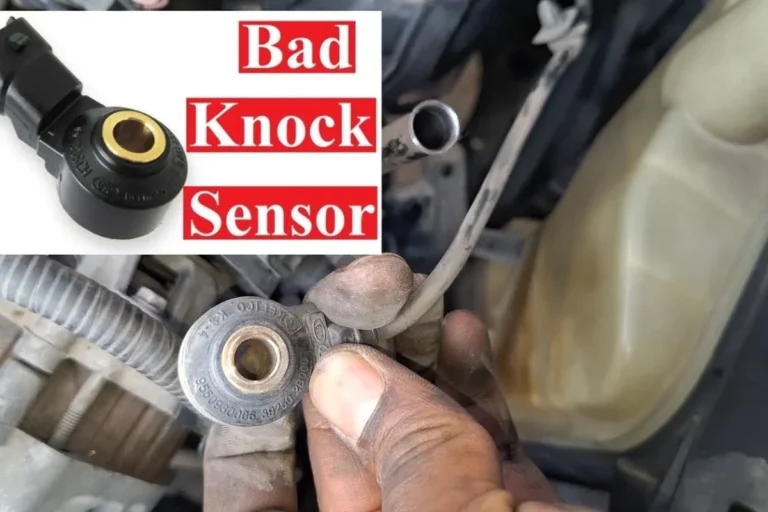
Can Crankshaft Sensor Cause No Start
Yes, a failing crankshaft sensor can cause a crank-no-start by preventing the ECU from timing spark and fuel. The safest next step is to confirm RPM signal, wiring condition, and sensor output before replacing parts.
Yes—a bad crankshaft position sensor can absolutely cause a no-start condition. When the engine computer cannot see crankshaft speed or position, it may not trigger spark, fuel injection, or both, so the engine cranks but never fires.
- Yes, it can: A bad crank sensor can stop spark and injector control.
- Crank vs. no-crank: If the engine does not turn over, look elsewhere first.
- Diagnose first: Check codes, live RPM data, wiring, and connector condition.
- Fit matters: Wrong sensor type or connector can cause a repeat failure.
Can a Crankshaft Sensor Cause a No-Start? Quick Answer and What It Means
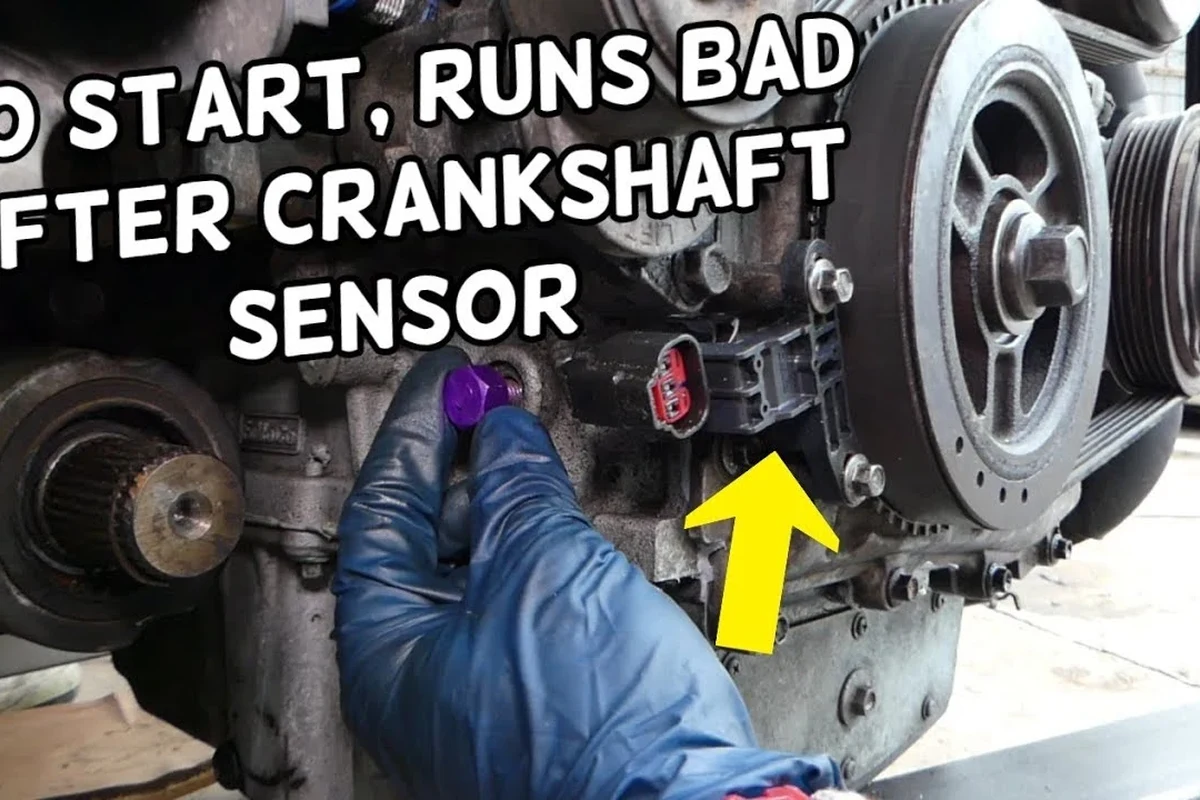
The short answer is yes, but it is not the only possible cause. A crankshaft sensor problem is most likely when the engine cranks normally, the battery is healthy, and the vehicle suddenly loses spark, injector pulse, or RPM signal while cranking.
That means the symptom is often “crank, no start,” not “no crank.” If the starter does not turn the engine at all, the crankshaft sensor is usually not the first place to look.
How the Crankshaft Position Sensor Works in the Starting System
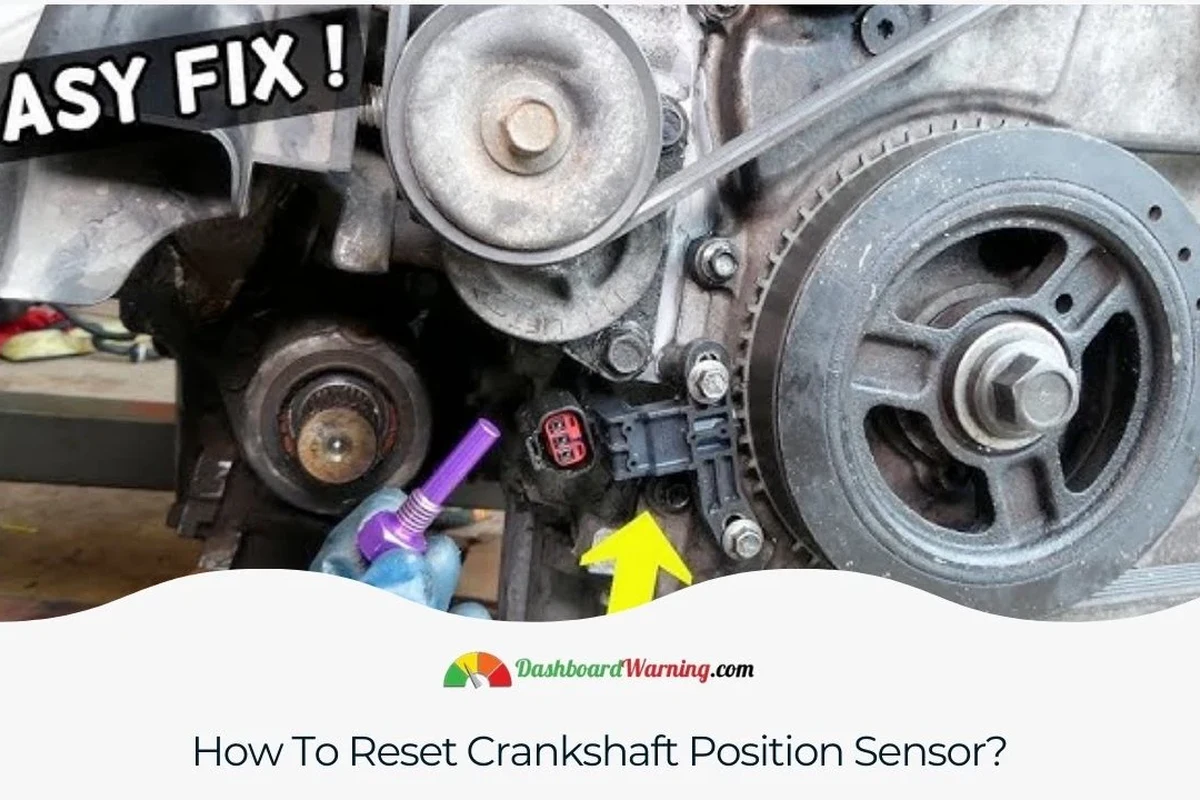
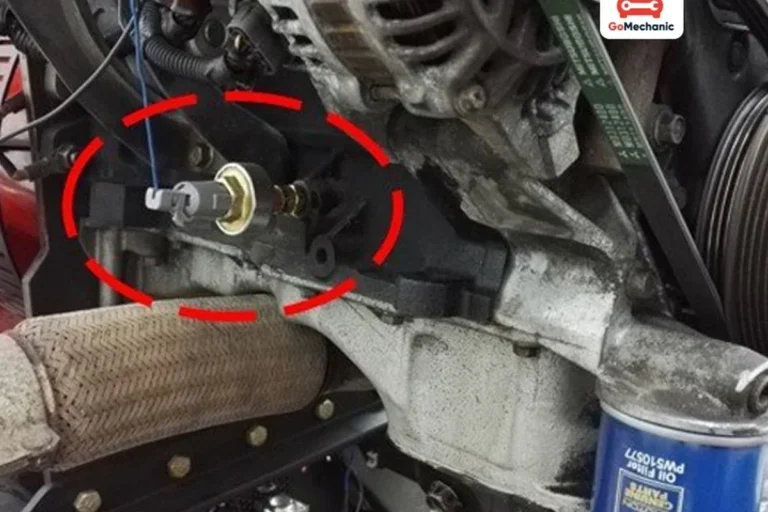
The crankshaft position sensor tells the engine control unit where the crankshaft is and how fast it is moving. The ECU uses that information to time spark, fuel injection, and sometimes variable valve timing.
What signal it sends to the ECU
Depending on the vehicle, the sensor may be a Hall-effect type or a magnetic pickup. Either way, it sends a signal that the ECU reads as crank speed and position data.
Signal type, voltage range, connector design, and testing method vary by vehicle and sensor style. Always check the service manual or manufacturer specifications for the exact procedure.
Why the engine may crank but not fire
If the ECU does not receive a valid crank signal, it may not know when to fire the spark plugs or open the injectors. Some vehicles will still try to start briefly, then stall, while others will never catch at all.
Common Symptoms That Point to a Failing Crankshaft Sensor
Crankshaft sensor failures can be constant or intermittent. The intermittent type is especially frustrating because the vehicle may start fine one day and refuse the next.
Intermittent stalling, rough idle, and hard starting
A failing sensor may cause random stalling, extended cranking, rough idle, or sudden shutdown after the engine warms up. Heat-related failure is common on some vehicles because the sensor sits near the engine and exhaust components.
Some crankshaft sensors fail only when hot, then work again after cooling. That pattern can make diagnosis harder than a complete failure.
No spark, no injector pulse, or tachometer dropouts
When the crank sensor fails completely, you may see no spark, no injector pulse, or a tachometer that stays at zero during cranking on vehicles that use that signal. Those clues are stronger when they appear together.
How to Diagnose the Problem Before Replacing Parts
Good diagnosis matters because several other systems can mimic a crank sensor failure. Start with the basics, then confirm whether the ECU is actually losing crank signal.
Reading trouble codes and live data
Scan for diagnostic trouble codes first, especially codes related to crankshaft position, camshaft correlation, or engine speed signal loss. Live data can show whether the ECU sees RPM while the engine is cranking.
If the scan tool shows zero RPM while cranking, that is a strong clue. If RPM is present, the no-start may be caused by fuel, spark, timing, or another control issue instead.
Visual inspection, wiring checks, and connector condition
Inspect the sensor connector, wiring harness, and mounting area for oil contamination, corrosion, loose pins, melted insulation, or rubbing against hot engine parts. A damaged wire can fail exactly like a bad sensor.
Work only on a cool engine when possible, keep hands clear of moving parts, and disconnect the battery only if the vehicle manual says it is appropriate for your diagnostic step.
Testing sensor output and comparing against manufacturer specs
Use the vehicle’s service information to test the sensor correctly. Depending on the design, that may involve checking resistance, AC voltage, square-wave output, or live signal data with a scan tool or oscilloscope.
When a Crankshaft Sensor Is the Real Cause vs. Other No-Start Causes
It is easy to blame the crank sensor because it can disable the engine quickly. But a no-start can also come from low battery voltage, a weak starter, fuel pressure loss, ignition failure, or an immobilizer problem.
Battery, starter, fuel delivery, ignition, and immobilizer differences
If the engine cranks slowly or clicks, start with the battery, cables, and starter circuit. If it cranks normally but never fires, check for fuel pressure, spark, and security-system indicators before replacing the crank sensor.
Common misdiagnoses and replacement mistakes
One common mistake is replacing the sensor without checking the wiring or the tone ring, reluctor wheel, or timing components it reads from. Another is using the wrong part number, which can fit physically but send an incompatible signal.
If a sensor is cracked, oil-soaked, heat-damaged, or the connector is loose or corroded, replacement may be justified. If the part looks fine, confirm the electrical signal before buying anything.
Who This Applies To: Vehicle Types, Engine Designs, and Fit Considerations
Crankshaft sensor behavior is not identical across all vehicles. Engine layout, fuel type, and sensor design all affect symptoms, diagnosis, and replacement fit.
Gasoline vs. diesel systems and Hall-effect vs. magnetic sensors
Gasoline and diesel engines may use different sensor locations and signal strategies, and some vehicles use both crank and cam sensors for synchronization. Hall-effect sensors often need power and ground, while magnetic sensors generate their own signal, so the test method is not the same.
OEM fitment, connector style, mounting location, and heat exposure
Correct fit depends on the exact engine code, model year, connector shape, wire length, and sensor depth. Heat exposure matters too, because sensors mounted near the bellhousing, exhaust, or timing cover may fail sooner than parts in cooler locations.
- Match the vehicle’s year, engine, and engine code
- Confirm connector style, mounting depth, and wire routing
- Check whether the part is OEM, OE-equivalent, or aftermarket
- Verify warranty terms and return policy before installation
Replacement, Safety, and Maintenance Tips for Long-Term Reliability
If diagnosis points to the sensor, replacement is usually straightforward on many vehicles, but access can be tight. The main goals are correct fit, clean connections, and careful routing so the new part is not damaged by heat or vibration.
Safe replacement steps and avoiding sensor damage
Use the VIN, engine code, and service manual to avoid the wrong sensor variant.
Release locks gently and avoid pulling on the wires, which can damage terminals.
Make sure the sensor seats fully and the harness stays away from hot or moving parts.
Heat, contamination, cable routing, and inspection intervals
Keep the area clean during installation, since oil, coolant, and debris can shorten connector life. During routine maintenance, look for chafed wiring, loose clips, and signs of heat damage before they become a no-start problem.
- Use dielectric grease only if the vehicle manufacturer allows it for that connector type.
- Inspect nearby harness clips whenever you service belts, plugs, or timing components.
- If the failure is heat-related, check for nearby exhaust leaks or missing shields.
Final Recommendation: When to Replace the Sensor and When to Seek Further Diagnosis
Replace the crankshaft sensor when the vehicle shows a matching symptom pattern, the scan data confirms a missing or unstable crank signal, and the wiring and connector are in good shape. If the sensor tests normally, move on to fuel delivery, ignition, timing, starter circuit, or immobilizer diagnosis instead of guessing.
- A crankshaft sensor can cause a crank-no-start by stopping spark and injector control.
- Scan data, wiring checks, and signal testing are the safest way to confirm the fault.
- Wrong fitment and damaged wiring are common reasons a replacement does not solve the problem.
For the most reliable result, match the part to the exact vehicle specification and follow the official repair information for testing and installation.
Frequently Asked Questions
Yes. If the ECU cannot read crankshaft position or engine speed, it may not trigger spark or fuel injection, so the engine cranks but does not fire.
Common signs include hard starting, intermittent stalling, rough idle, no spark, no injector pulse, and sometimes a tachometer that drops out during cranking.
Check for trouble codes, live RPM data while cranking, wiring damage, connector corrosion, and sensor output that matches the service manual before replacing parts.
Yes. Slow cranking, clicking, or low voltage can create symptoms that seem sensor-related, so battery and starter checks should come first.
A missing RPM signal is a strong clue, but you should still confirm the wiring, connector, and sensor output before buying a replacement part.
The issue may be wiring, a damaged reluctor wheel, fuel delivery, ignition, timing, or an immobilizer fault. Wrong fitment is another common reason the repair fails.