Do O2 Sensors Need to Be Replaced
Yes, O2 sensors sometimes need replacement, but only when diagnosis shows they are worn, contaminated, or faulty. Before replacing one, check for wiring problems, exhaust leaks, misfires, and other issues that can mimic sensor failure.
Yes, O2 sensors do need to be replaced sometimes, but only when they are worn out, contaminated, or clearly failing. In many cases, the better first step is to diagnose the engine or exhaust issue that caused the sensor problem in the first place.
- Not automatic: O2 sensors are wear items, but they do not need replacement on a fixed.
- Diagnose first: Trouble codes, live data, and inspection results should point to the sensor before you.
- Match the application: Bank, sensor position, connector, thread type, and engine family all matter.
- Fix root causes: Oil burning, coolant leaks, misfires, and exhaust leaks can damage new sensors too.
Do O2 Sensors Need to Be Replaced? The Short Answer and When It Actually Matters
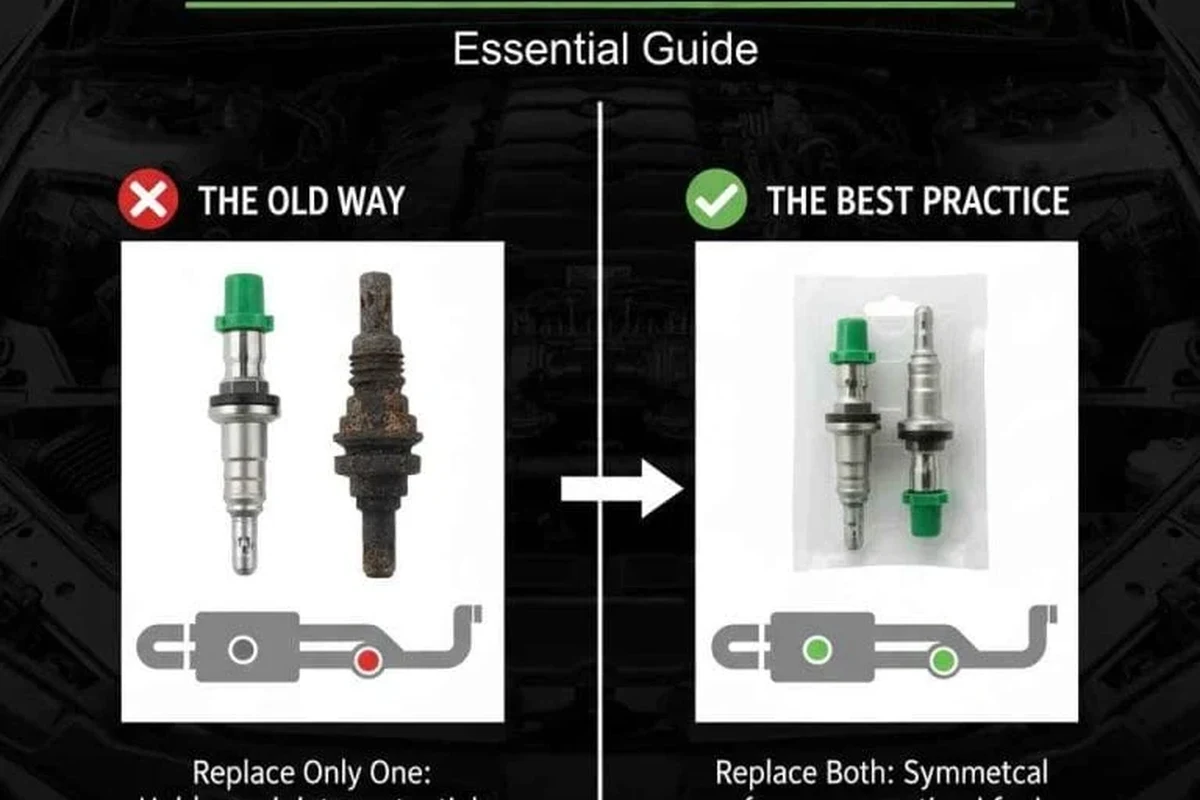
An oxygen sensor, often called an O2 sensor, is a wear item on most vehicles. It does not usually need routine replacement on a fixed calendar schedule unless the manufacturer specifies one, but it does have a service life and can become inaccurate over time.
The important question is not simply whether an O2 sensor is old. It is whether it is still reading correctly and helping the engine control system manage fuel delivery and emissions. If the sensor is slow, contaminated, or reporting implausible data, replacement may be justified.
What an O2 Sensor Does in 2026 Vehicles and How It Affects Performance
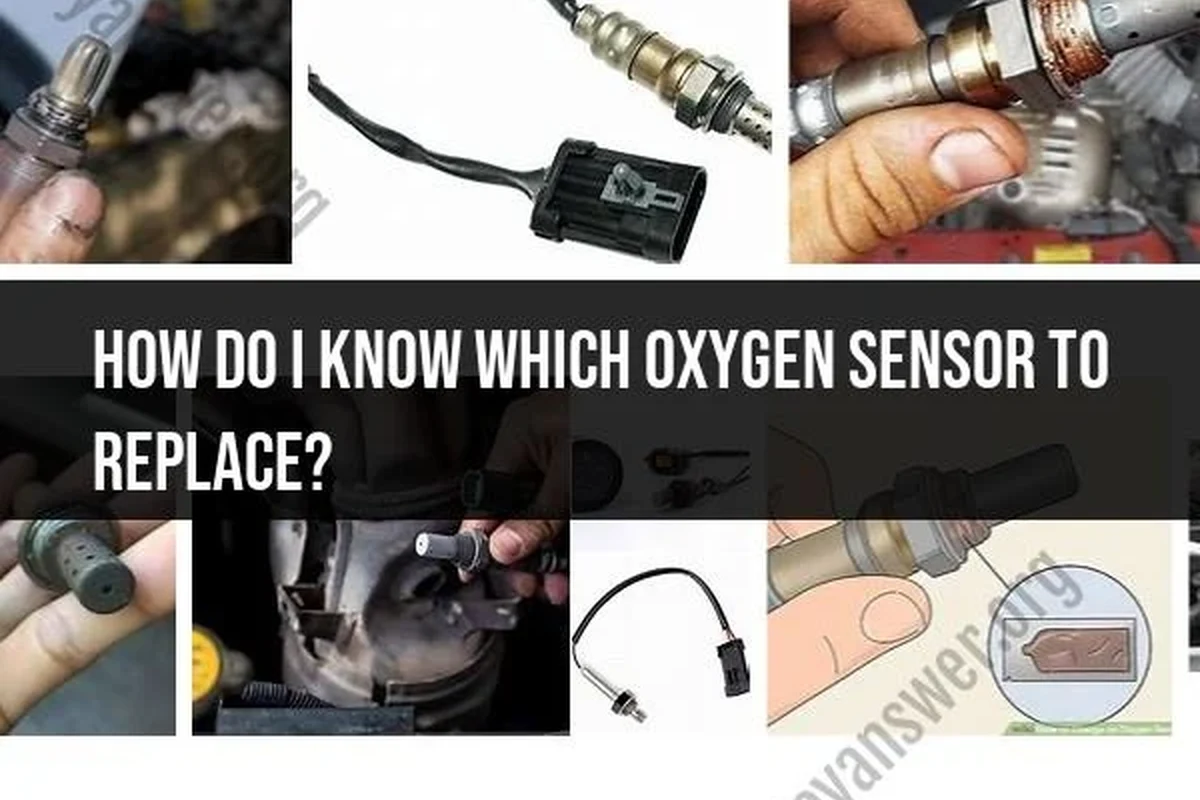
Modern vehicles still rely heavily on oxygen sensors to monitor exhaust gases and help the engine computer fine-tune the air-fuel mixture. That matters for fuel economy, drivability, emissions, and catalytic converter protection.
How the sensor reads exhaust oxygen and supports fuel-trim adjustments
An O2 sensor measures the amount of oxygen in the exhaust stream. The engine control module uses that information to adjust fuel trims, which are the small corrections that keep the engine running efficiently.
When the sensor is working well, the computer can make fast adjustments as driving conditions change. When the sensor is slow or inaccurate, the engine may run richer or leaner than it should, which can affect mileage, smoothness, and emissions output.
If you are checking O2 sensor data with a scan tool, look for response speed and consistency, not just whether the sensor produces a voltage or reading. A sensor can still “work” and be too sluggish to control the engine properly.
Upstream vs. downstream sensors: why replacement needs differ
Upstream sensors, located before the catalytic converter, are usually the main sensors used for fuel control. Downstream sensors, located after the catalytic converter, are often used to monitor catalyst efficiency rather than make daily fuel adjustments.
That difference matters because an upstream sensor problem is more likely to cause drivability symptoms, while a downstream sensor issue may mainly trigger emissions-related codes. The replacement decision should match the sensor’s job on that specific vehicle.
Sensor count, placement, and naming vary by engine layout and emissions system. Always confirm the exact bank and sensor position in the service manual or parts catalog before ordering.
Signs Your O2 Sensor May Be Failing
O2 sensor failure often shows up as a combination of symptoms, not one single obvious sign. A scan tool and a basic visual inspection usually help separate a bad sensor from an engine or exhaust problem.
Common symptoms: check engine light, poor fuel economy, rough idle, failed emissions
The most common sign is a check engine light with a related diagnostic trouble code. Depending on the fault, you may also notice poor fuel economy, rough idle, hesitation, hard starting, or a failed emissions inspection.
Some vehicles may run noticeably rich, causing fuel smell or carbon buildup. Others may run lean, which can lead to stumbling or reduced power under load.
What else can mimic O2 sensor failure
Several issues can look like a bad O2 sensor even when the sensor is not the root cause. Vacuum leaks, exhaust leaks, misfires, bad spark plugs, fuel pressure problems, coolant leaks, and wiring damage can all distort sensor readings.
That is why replacing the sensor without checking for the underlying cause can waste money and leave the drivability problem unresolved. If the engine is misfiring or the exhaust has a leak upstream of the sensor, the new part may not fix anything.
Do not assume a sensor code always means the sensor itself failed. Inspect wiring, connectors, exhaust leaks, and engine performance issues before replacing parts.
How Long O2 Sensors Usually Last and What Shortens Their Lifespan
O2 sensor life varies widely by vehicle design, engine condition, and driving environment. Some last a very long time, while others fail early because of contamination or heat exposure.
Typical mileage ranges, age, and vehicle-specific variation
There is no universal replacement interval for every vehicle. Many sensors last for years and high mileage, but their accuracy can decline gradually before they fail completely.
Because designs vary, the best source for replacement timing is the owner’s manual or service information for your exact model. In some cases, the manufacturer may recommend inspection at certain intervals rather than automatic replacement.
Contamination, oil burning, coolant leaks, and exhaust damage
Several conditions shorten sensor life. Oil burning can coat the sensing element, coolant leaks can contaminate it, and exhaust damage or leaks can expose it to abnormal heat and unmetered air.
Silicone sealants, fuel additives, and poor combustion can also create deposits that interfere with the sensor’s response. If the underlying engine problem is not fixed, a replacement sensor may fail again sooner than expected.
Some O2 sensor problems are caused by heater circuit faults, not the sensing element itself. In those cases, the vehicle may set a code even though the exhaust reading itself is not the primary issue.
How to Decide Whether to Replace an O2 Sensor or Diagnose Something Else First
The best decision comes from combining trouble codes, live data, drivability symptoms, and inspection findings. That approach is more reliable than replacing the sensor based on age alone.
Key decision criteria: trouble codes, live data, drivability, and inspection results
Start with the code description, then check live sensor behavior if you have a scan tool. Look for slow switching, stuck readings, heater circuit faults, or values that do not make sense compared with engine conditions.
A visual inspection is just as important. Corroded connectors, melted wiring, exhaust leaks, and oil contamination can all point to a repair need that is not simply “replace the sensor.”
When replacement is justified and when cleaning or repair is not enough
Replacement is usually justified when the sensor is proven slow, failed, contaminated beyond recovery, or has an internal heater or circuit fault. It is also reasonable if the sensor is old, the code returns after wiring and engine issues are corrected, and live data still supports a sensor problem.
Cleaning is rarely a dependable long-term fix for a worn sensor. If contamination is severe or the sensing element is degraded, the proper repair is usually replacement along with the cause of contamination.
- Check for exhaust leaks before buying parts.
- Verify whether the fault is upstream or downstream.
- Use live data and freeze-frame information when available.
- Fix misfires, oil burning, or coolant leaks first if they are present.
Replacement Guide: Fit, Compatibility, and What to Verify Before Buying
O2 sensors are not universally interchangeable. The wrong part can fit poorly, read incorrectly, or fail to connect to the vehicle harness.
Thread type, connector style, sensor location, and vehicle compatibility
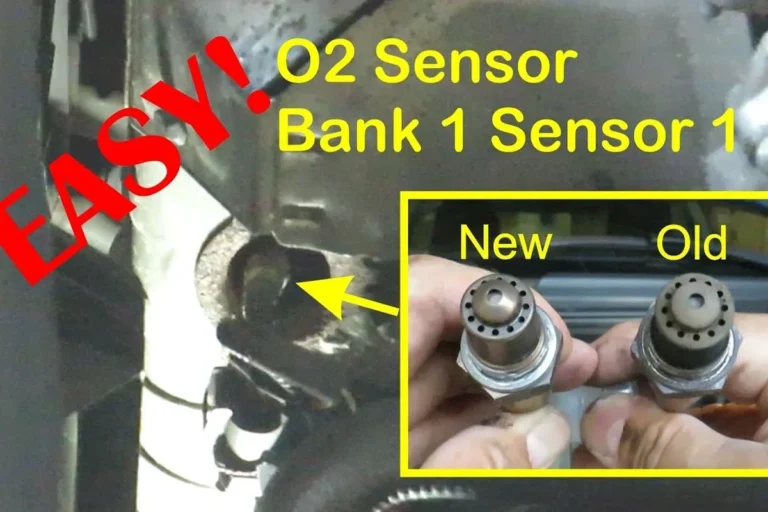
Before buying, confirm the exact engine, model year, bank, and sensor position. You also need to verify thread type, connector shape, wire length, and whether the sensor is upstream or downstream.
Even sensors that look similar can have different calibration or heater specifications. Matching the exact application is the safest way to avoid a comeback repair.
- Check the exact vehicle year, engine, bank, and sensor position
- Confirm connector shape, wire length, and thread compatibility
- Verify whether the sensor is upstream or downstream
- Review the manual, return policy, and installation guidance
OEM vs. aftermarket choices, warranty details, and value trade-offs
OEM sensors are often the safest match when compatibility is critical, while reputable aftermarket options can offer good value if they are clearly listed for your exact vehicle. The main trade-off is usually fit certainty versus cost.
Warranty terms vary by brand and retailer, so check them before ordering. If the vehicle has a sensitive emissions system or a history of compatibility issues, the extra certainty of the correct OEM-equivalent part may be worth it.
Risks, Mistakes, and Safe Replacement Practices
O2 sensor replacement is straightforward in concept, but common mistakes can damage the new part or create safety issues. Careful handling matters because sensors live in a hot, dirty environment and are often difficult to reach.
Common errors: using the wrong sensor, damaging wiring, over-tightening, ignoring heat
One of the biggest mistakes is installing the wrong sensor for the application. Other common problems include twisting the wiring harness, cross-threading the sensor, over-tightening it, or leaving a damaged connector in place.
Heat is another concern. Exhaust components can stay hot long after the vehicle is shut off, and careless handling can cause burns or damage nearby parts.
Safety basics: exhaust temperature, jack stands, anti-seize use, and inspection after install
Work only when the exhaust is cool enough to handle safely. If the sensor is under the vehicle, use proper jack stands and follow the vehicle manufacturer’s lifting points and safety instructions.
Some sensors come with anti-seize already applied, while others do not. Follow the sensor maker’s instructions rather than adding compound automatically, because the wrong product or too much of it can affect installation.
After installation, inspect the wiring path, clear codes if appropriate, and confirm that no exhaust leaks or loose connectors remain. A short post-repair check is often what separates a reliable fix from a repeat failure.
Never work under a vehicle supported only by a jack. Let exhaust parts cool fully, and stop if you find damaged wiring, fuel leaks, or severe corrosion that makes the repair unsafe.
Maintenance, Prevention, and Final Recommendation
You can help O2 sensors last longer by keeping the engine healthy and addressing small problems early. That usually saves money and reduces the chance of repeated emissions faults.
How to extend sensor life with leak repair, engine care, and periodic inspection
Repair oil leaks, coolant leaks, and exhaust leaks as soon as practical. Keep up with spark plugs, ignition parts, and fuel system maintenance so the engine burns cleanly and does not contaminate the sensor.
During routine service, inspect sensor wiring and connectors for heat damage, abrasion, or corrosion. A quick visual check can catch a problem before it turns into a failed inspection or a drivability complaint.
Bottom-line recommendation: replace only when evidence supports it and match the sensor to the exact application
The best answer to “do O2 sensors need to be replaced” is yes, but only when the sensor is actually worn, contaminated, or proven faulty. If the evidence points to wiring, leaks, misfires, or another engine issue, fix that first.
When replacement is justified, choose the exact sensor for the vehicle, verify compatibility carefully, and follow the manufacturer’s installation guidance. That approach gives you the best chance of restoring proper fuel control and avoiding another check engine light.
Frequently Asked Questions
No. A check engine light can be caused by wiring problems, exhaust leaks, misfires, or fuel system issues that mimic a bad sensor. Confirm the code and inspect the engine before replacing parts.
Use trouble codes, live data, and a visual inspection to see whether the sensor is slow, contaminated, or reporting impossible readings. Severe contamination usually means replacement rather than cleaning.
Upstream sensors help control fuel mixture, while downstream sensors usually monitor catalytic converter performance. Replacement needs differ because the upstream sensor has a bigger effect on drivability.
There is no universal interval because lifespan varies by vehicle, engine condition, and driving environment. Check the owner’s manual or service information for your exact model.
Yes, if diagnosis shows only one sensor has failed. Replace only the sensor that is proven faulty unless the manufacturer recommends a different approach.
Confirm the exact vehicle year, engine, bank, sensor position, connector style, thread type, and whether the sensor is upstream or downstream. Matching the exact application is the safest choice.