Can Tpms Sensors Be Reused
Yes, TPMS sensors can often be reused if they still pass inspection, have compatible electronics, and can be relearned by the vehicle. If the battery, valve hardware, or sensor history is questionable, replacement is usually the safer choice.
Yes—TPMS sensors can often be reused, but only if the sensor body, battery, valve hardware, and compatibility details still check out. In practice, reuse is most reasonable when the sensor is still healthy, the service parts are replaced as needed, and the vehicle can relearn or program it correctly.
- Reuse is possible: Many direct TPMS sensors can be transferred or reinstalled after tire service.
- Condition matters most: Battery age, corrosion, cracks, and seal wear decide whether reuse is sensible.
- Compatibility is critical: The sensor must match the vehicle’s frequency and relearn method.
- Service kits help: New grommets, seals, cores, and nuts often improve reliability after reuse.
- Replacement is safer when uncertain: Unknown history or damaged hardware usually favors a new sensor.
Can TPMS Sensors Be Reused? Short Answer, When It’s Safe, and When It Isn’t
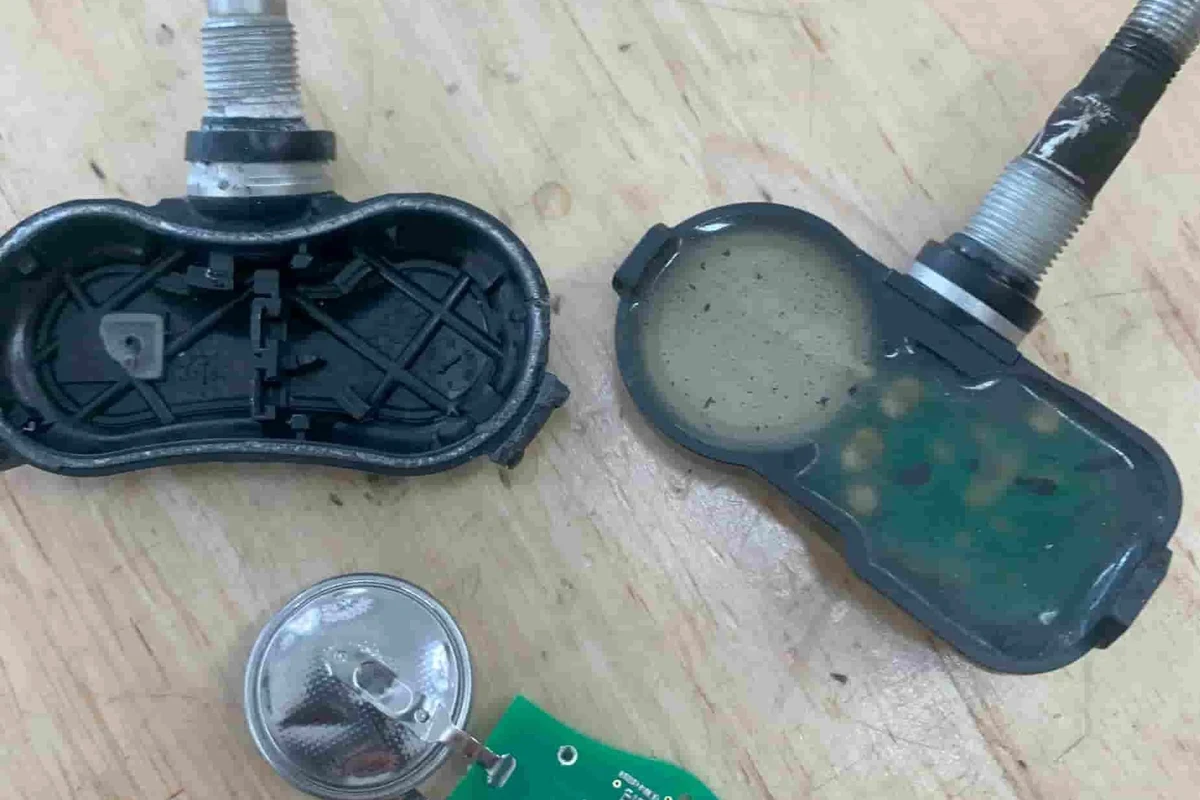
TPMS sensors are not automatically single-use parts. Many direct TPMS sensors can be transferred to another wheel or reused after tire service if the sensor is intact and the sealing parts are renewed.
The catch is that a TPMS sensor is more than a plastic shell. It includes electronics, a battery, and valve-related hardware that wear over time, so reuse is a judgment call rather than a blanket yes or no.
Whether a sensor can be reused depends on the exact model, vehicle platform, and relearn method. Always confirm details in the vehicle and sensor manufacturer documentation before reinstalling a used unit.
How TPMS Sensors Work in 2026: Direct vs. Indirect Systems
Most reuse questions apply to direct TPMS systems, which use actual sensors inside or near the wheel. Indirect systems estimate pressure problems through wheel-speed data and usually do not use reusable in-wheel pressure sensors in the same way.
What the sensor measures and how the car reads it
Direct TPMS sensors measure tire pressure, and many also measure temperature or motion-related data depending on the design. The sensor sends that information wirelessly to the vehicle’s receiver, which then displays a warning or tire-specific pressure reading.
Because the sensor is electronic, the car depends on the correct frequency, protocol, and ID registration. A sensor may physically fit but still fail to communicate if the vehicle expects a different format.
Why some sensors can be transferred while others should be replaced
Some sensors are designed to survive multiple tire changes and wheel swaps. Others become poor reuse candidates when the battery weakens, the valve assembly corrodes, or the housing becomes brittle from age and service cycles.
That is why shops often reuse a sensor only after checking the part’s condition, not just because it still looks acceptable from the outside.
What Determines Whether a TPMS Sensor Can Be Reused
Three factors matter most: age, physical condition, and compatibility. If any one of those is weak, replacement is usually the safer and more reliable option.
Sensor age, battery life, and service history
TPMS sensors have internal batteries that are not meant to be recharged in normal service. Once the battery declines, the sensor may still work intermittently before failing completely, which makes reuse unpredictable.
Service history matters too. A sensor that has been through repeated tire removals, impacts, or prior seal issues has a higher risk of future failure even if it still transmits today.
Valve stem condition, corrosion, and seal integrity
The valve stem, grommet, nut, and seal are common wear points. Corrosion around metal valve parts, cracked rubber, or a damaged stem can create air leaks even when the electronics are fine.
If the sealing surfaces are compromised, reusing the sensor without replacing the service kit can lead to slow leaks, warning lights, or a comeback repair.
Compatibility with vehicle make, model, year, and relearn method
TPMS compatibility is not universal. The sensor must match the vehicle’s frequency, protocol, and relearn requirements, which can vary by make, model, year, and trim level.
Some vehicles accept auto-relearn behavior, while others need a manual relearn or OBD-based programming. Before reuse, confirm that the sensor can be registered or cloned in the way the vehicle expects.
Reuse vs. Replace: Decision Criteria for Drivers and Shops
Choosing reuse over replacement should be based on reliability, not just short-term savings. A used sensor that saves money today but triggers another tire service later may cost more overall.
Signs a used sensor is still worth keeping
A reused sensor is more defensible when it is relatively recent, the battery is still strong, the housing is clean, and the valve hardware is in good shape. It should also match the vehicle’s communication requirements without adapters or workarounds.
If the sensor came out during a normal tire swap and there was no evidence of leakage, impact, or intermittent warnings, it may be a reasonable candidate for reuse.
Red flags that make replacement the safer choice
Replacement is usually the better call if the sensor has visible cracking, corrosion, a damaged stem, or an unknown history. The same is true if the vehicle has already had TPMS communication problems or if the sensor’s age is unknown.
Another red flag is labor complexity. If getting back into the wheel well or repeating a relearn procedure is expensive, a fresh sensor can be the lower-risk choice.
Cost, labor, and long-term value comparison
Reuse can make sense when the sensor is clearly healthy and the shop already has the wheel apart. But if the sensor is old or the service kit is missing, the labor savings can disappear quickly if the part fails later.
For many drivers, the best value is not the cheapest part today—it is the option least likely to require another tire dismount soon after installation.
- Can reduce parts cost when the sensor is still healthy
- May avoid unnecessary replacement during routine tire service
- Useful when a compatible sensor is hard to source quickly
- Battery age is often hard to judge precisely
- Old seals and corroded valve parts can cause leaks
- Compatibility or relearn issues can erase the savings
How to Inspect a TPMS Sensor Before Reinstalling It
A careful inspection helps separate a reusable sensor from one that is only “still present.” The goal is to verify that the sensor is structurally sound, electrically plausible, and ready for fresh service parts.
Physical inspection checklist for cracks, damage, and corrosion
Look for cracks in the housing, bent or pitted valve parts, missing hardware, or signs that the stem has been stressed during tire removal. Corrosion around the valve area is especially important because it can affect both sealing and future serviceability.
If the sensor shows any sign of impact damage, water intrusion, or loose components, replacement is usually safer than gambling on a reinstall.
Battery and electronics limits to verify before reuse
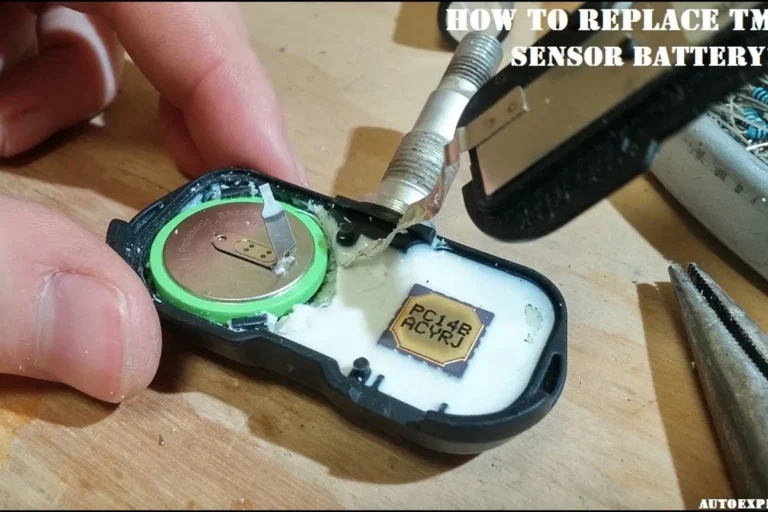
Because the battery is sealed inside the sensor, there is usually no practical user-level way to “refresh” it. The best approach is to verify the sensor’s age, check whether it still reports reliably with proper TPMS tools, and compare that against the cost of a new unit.
If the sensor is near the end of its expected service life or has inconsistent readings, reuse becomes a short-term fix rather than a dependable solution.
When to replace the valve core, grommet, and nut
Service kits are often the difference between a successful reuse and a repeat leak. In many cases, the valve core, grommet, sealing washer, and nut should be replaced whenever the sensor is removed, especially on aging or corrosion-prone assemblies.
Use the exact service kit specified for the sensor style whenever possible, since small differences in shape or material can affect sealing.
- Check compatibility, model number, frequency, and relearn method
- Confirm battery age, valve condition, and service-kit availability
- Review the vehicle manual and sensor documentation before installation
Relearning and Programming Reused TPMS Sensors
Even a physically good sensor may not work until the vehicle recognizes it. That means relearn or programming is often part of the reuse decision, not an optional afterthought.
Common relearn types: OBD, auto-relearn, and manual relearn
OBD relearn usually involves writing sensor IDs into the vehicle through a diagnostic port. Auto-relearn lets the vehicle learn sensor IDs after a drive cycle or pressure change sequence. Manual relearn often requires following a specific sequence with a tool, button, or inflation pattern.
The exact method varies by vehicle and model year, so the manual matters more than general advice.
Tools, compatibility, and setup steps to confirm
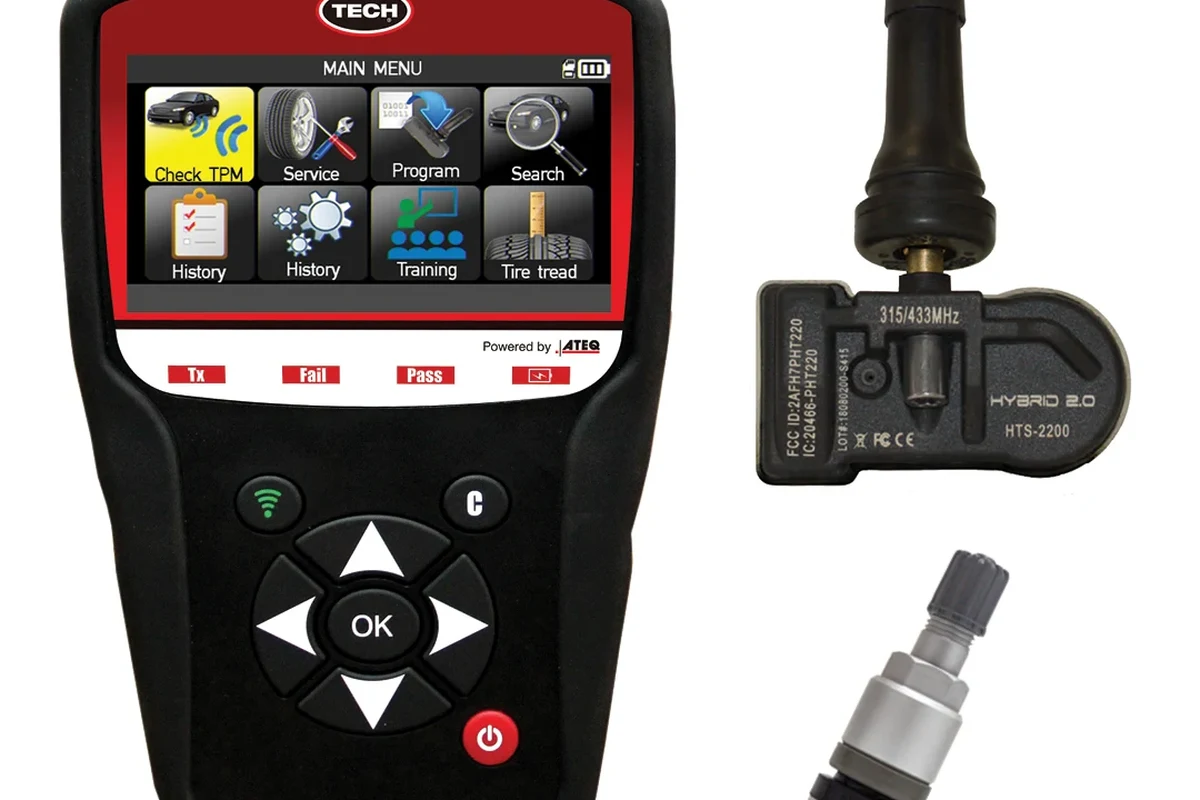
Some reused sensors need a TPMS activation tool, a programming tool, or an OBD interface to complete setup. Others need nothing beyond the correct drive cycle, but you should never assume that from one vehicle to another.
Before reinstalling a reused sensor, confirm the relearn method, the required tire pressures, and whether the vehicle needs the sensor ID copied, activated, or registered from scratch.
Check that your tool supports the sensor frequency and the vehicle platform. A tool that works on one brand may not fully support another, even if the sensor itself is reusable.
Common mistakes during programming and installation
Common errors include mixing up sensor positions, skipping the relearn step, assuming the old ID will automatically return, and reinstalling a sensor with worn seals. Another frequent mistake is ignoring a low battery sign because the sensor still responds during setup.
If the TPMS light remains on after installation, the issue may be programming, not the tire itself.
Safety, Performance, and Maintenance Best Practices
Reuse should never reduce tire safety. A TPMS sensor is part of a pressure-monitoring system, so the installation quality matters as much as the sensor condition.
Torque, sealing, and tire service precautions
Follow the manufacturer’s torque specifications for the valve nut and related hardware. Over-tightening can damage the stem or seal, while under-tightening can allow movement or leaks.
During tire service, the sensor should be handled carefully so the bead breaker and mounting tools do not strike it. That precaution matters whether the sensor is new or reused.
If a TPMS sensor, valve stem, or wheel component is cracked, heavily corroded, or leaking, stop using it as-is and follow the vehicle or sensor manufacturer’s replacement guidance.
Routine care after reuse: pressure checks and leak monitoring
After reinstalling a reused sensor, monitor tire pressure regularly for a while rather than assuming the system is settled. If a warning returns, check for leaks at the valve area and confirm that the relearn completed successfully.
For drivers, the simplest habit is to compare dashboard readings with a quality tire gauge from time to time, especially after temperature swings or a tire rotation.
Storage and handling tips for spare or removed sensors
If you are keeping a removed sensor for later use, store it in a clean, dry place away from heat, moisture, and heavy items that could crush the valve stem. Labeling the sensor’s position and vehicle history can also help during future service.
That record becomes especially useful for fleets, multi-car households, and shops that handle several similar vehicles.
- Replace the service kit whenever the sensor is removed if the design calls for it.
- Keep sensor IDs and wheel positions organized before tire rotation or transfer.
- Verify relearn success before returning the vehicle to the driver.
Final Recommendation: Who Should Reuse TPMS Sensors in 2026?
Reuse makes the most sense for drivers or shops that can verify the sensor’s age, condition, and compatibility with confidence. It is less attractive when the battery is old, the valve hardware is corroded, or the relearn process is uncertain.
Best-fit use cases, limitations, and transparent verdict
Reuse is a practical option for relatively recent sensors removed during normal tire service, especially when the matching service kit is available and the vehicle supports a straightforward relearn. It is a weaker choice for older vehicles, unknown-history parts, or any setup where a failed sensor would require another labor-heavy visit.
The transparent verdict: yes, TPMS sensors can be reused, but only when inspection, sealing parts, and compatibility all pass the test. If any of those are questionable, replacement is usually the smarter long-term move.
When aftermarket or OEM replacements offer better value
New OEM or quality aftermarket sensors often provide better value when you need predictable battery life, fewer comebacks, or a clean reset during tire service. They can also be the better choice when the vehicle is sensitive to programming differences or when the old sensor’s history is unknown.
Before deciding, compare the total cost of the part, the service kit, the relearn method, and the likelihood of a repeat repair. That total-picture view is usually more useful than looking at the sensor price alone.
TPMS sensors can be reused when they are physically intact, electronically reliable, and fully compatible with the vehicle’s relearn process. If the battery is aging, the valve hardware is corroded, or the history is unclear, replacement is usually the safer and better-value choice.
Frequently Asked Questions
Yes, many direct TPMS sensors can be reused after a tire change if they are still in good condition. The key is confirming that the sensor can still communicate properly and that the valve hardware seals correctly.
Look for cracks, corrosion, damaged stems, and any sign of leakage. If the sensor is old or has an unknown service history, replacement is often the safer option.
Often they do. New seals, grommets, valve cores, and nuts can help prevent leaks and improve reliability after reinstalling a sensor.
No. TPMS sensors must match the vehicle’s communication protocol, frequency, and relearn method. Always verify compatibility before reinstalling a used sensor.
The biggest risk is a repeat failure from an aging battery or worn valve hardware. A failed relearn can also leave the warning light on even if the sensor is physically intact.
On older vehicles, replacement is often the better long-term value if the sensor age is unknown. Reuse only makes sense when the sensor passes inspection and the relearn process is straightforward.