Can a Knock Sensor Cause a Misfire
A knock sensor can cause misfire-like symptoms, but it usually is not the direct cause of a true misfire. Start with plugs, coils, fuel delivery, wiring, and compression before replacing the sensor.
A bad knock sensor usually does not directly cause a true engine misfire, but it can trigger rough running, power loss, and timing changes that feel like one. In some cases, the knock sensor is part of the story rather than the root cause, so the real fix depends on whether the engine is knocking, the ignition system is weak, or the sensor circuit is faulty.
- Direct cause vs symptom: A knock sensor usually changes timing and drivability, not cylinder combustion itself.
- Most common misfire causes: Spark plugs, ignition coils, fuel issues, vacuum leaks, and compression problems are more common.
- Code patterns matter: Knock sensor codes and misfire codes point to different likely faults, even when symptoms.
- Act fast on severe symptoms: Flashing check engine lights, loud pinging, or hard shaking need prompt diagnosis.
Can a Knock Sensor Cause a Misfire? Short Answer and What’s Really Happening
Yes, it can contribute to misfire-like symptoms, but it is not the most common direct cause of a misfire. A knock sensor’s job is to help the engine control unit protect the engine from detonation, and when that system reacts aggressively, the engine may run poorly enough that drivers assume a misfire is happening.
That distinction matters because replacing the knock sensor without checking plugs, coils, fuel delivery, and compression can waste time and money. If the engine is actually misfiring, the sensor may only be reporting the problem or reacting to it.
How a Knock Sensor Works in Modern Engines
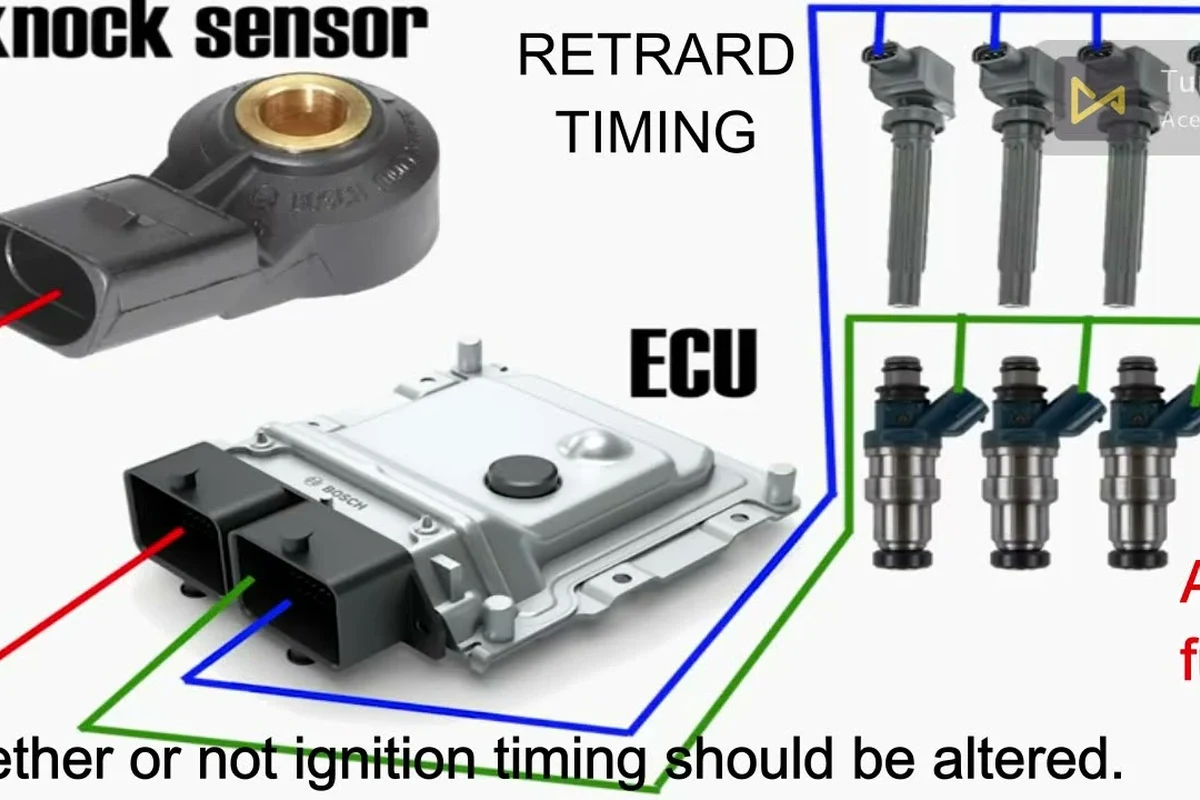
The knock sensor is a vibration detector mounted on the engine block or cylinder head area. It listens for the sharp vibration pattern associated with detonation, sometimes called spark knock or pinging, which can damage an engine if it continues.
What the sensor detects and how the ECU responds
When the sensor detects knock, the ECU typically retards ignition timing to reduce cylinder pressure and protect the engine. On many vehicles, that response is subtle and automatic, so the driver may only notice weaker acceleration, less throttle response, or a slightly rougher feel.
If the sensor signal is noisy, missing, or implausible, the ECU may default to a conservative timing strategy. That can make the engine feel sluggish and uneven even when the ignition system is otherwise functional.
Why knock control is tied to timing and engine performance
Ignition timing has a big effect on power, smoothness, and fuel economy. When timing is pulled back too far, combustion happens later than ideal, which can make the engine feel lazy or unstable under load.
That is why a knock sensor problem can be mistaken for a misfire: both can cause hesitation, shaking, and poor acceleration. The difference is that a true misfire means one cylinder is not burning correctly, while knock control is the ECU trying to prevent engine damage.
How a Knock Sensor Can Contribute to Misfire Symptoms
Even if the knock sensor is not failing in the classic sense, it can still shape the way the engine behaves. A false knock signal or a sensor circuit problem may cause timing to be pulled back so far that the engine feels rough, especially during acceleration or uphill driving.
Timing retard, power loss, and rough running
When timing is retarded too much, the engine may hesitate, stumble, or shake under load. Some drivers describe this as a misfire because the vehicle surges or loses power in a way that feels like cylinders are dropping out.
That feeling can be stronger in turbocharged engines and high-compression engines, where knock control is more active. In those engines, a sensor issue can have a bigger effect on drivability than many owners expect.
When the knock sensor is not the root cause but a symptom trigger
Sometimes the knock sensor is simply reacting to another problem. Low-octane fuel, carbon buildup, overheating, lean air-fuel mixture, or an actual ignition misfire can all create conditions that the sensor interprets as knock.
In that case, the sensor is not causing the misfire. It is warning the ECU that combustion is abnormal, and the ECU responds by changing timing and performance to protect the engine.
Some vehicles use different diagnostic strategies depending on engine family, ECU software, and emissions calibration. Always confirm code definitions and testing steps in the official service manual for your exact model.
Common Causes of Misfires That Are Often Mistaken for Knock Sensor Problems
Because the symptoms overlap, many people blame the knock sensor first. In reality, the most common misfire causes are usually in the ignition, fuel, air, or mechanical systems.
Spark plugs, ignition coils, and wiring issues
Worn spark plugs can misfire under load, especially if the gap is too wide or the plug is fouled. Weak ignition coils, cracked coil boots, damaged plug wires, and poor electrical connections can create intermittent misfires that feel random.
Wiring problems matter too. A sensor code may appear alongside a misfire code if a harness is rubbed through, a connector is loose, or corrosion is interrupting signal quality.
Fuel delivery, vacuum leaks, compression, and carbon buildup
A clogged injector, weak fuel pump, or restricted fuel supply can cause one or more cylinders to run lean and misfire. Vacuum leaks can do the same by letting in unmetered air, which upsets the air-fuel ratio.
Low compression from worn rings, leaking valves, or head gasket issues can also produce persistent misfires. Carbon buildup in the combustion chamber can raise effective compression and increase knock tendency, which may lead the ECU to pull timing and make the problem feel worse.
- Check the easiest wear items first: plugs, coils, and connectors.
- Look for freeze-frame data and whether the misfire happens at idle, cruise, or load.
- Do not assume a sensor code means the sensor is the only problem.
- If the engine is knocking, address fuel quality and engine condition before replacing parts at random.
Signs, Codes, and Diagnostic Clues to Check First
The fastest way to avoid guesswork is to read the codes and look at how the engine behaves when the fault appears. A knock sensor issue often shows up differently from a classic cylinder misfire, even when the driver only feels roughness.
Typical OBD-II codes and what they may indicate
Knock sensor-related codes often point to circuit faults, signal problems, or performance issues with the sensor or its wiring. Misfire codes usually identify the affected cylinder or a random misfire pattern, which is more suggestive of ignition, fuel, or compression trouble.
If both types of codes appear, do not treat that as proof that the knock sensor caused the misfire. It may mean the engine is misfiring badly enough to trigger knock detection or that a wiring issue is affecting multiple systems.
How to separate a real sensor fault from engine damage or detonation
A real sensor fault often shows up as a code with no obvious mechanical symptoms beyond reduced power or conservative timing. A true detonation problem usually gets worse under load, uphill, or during acceleration and may be accompanied by pinging sounds.
If you hear metallic pinging, the engine feels hot, or the problem worsens with throttle, treat it as a combustion issue first. If the engine runs rough mostly because timing has been pulled back, the sensor may be responding correctly to another fault rather than failing itself.
Stop and diagnose promptly if the engine is flashing the check engine light, overheating, losing power sharply, or making loud knocking sounds. Continued driving can increase the risk of catalytic converter damage or internal engine damage.
Who This Information Fits and When to Act Fast
This question comes up most often for drivers who notice rough idle, hesitation, and a check engine light at the same time. The right response depends on the vehicle type, the mileage, and whether the symptoms are mild or severe.
Daily drivers, high-mileage vehicles, and turbocharged engines
Daily drivers with higher mileage are more likely to have aging plugs, coils, vacuum hoses, and carbon buildup, all of which can mimic sensor trouble. Turbocharged engines deserve extra attention because knock control is more active and timing changes can be more noticeable.
For older vehicles, a sensor code may also be tied to brittle wiring, connector corrosion, or heat damage near the engine block. Those issues are common enough that visual inspection should happen before parts replacement.
When it’s safe to keep driving and when to stop
If the engine only feels slightly down on power and there is no flashing warning light, you may be able to drive gently to a repair shop. Avoid hard acceleration, towing, or sustained highway pulls until the cause is known.
If the check engine light is flashing, the engine is shaking hard, or you hear clear detonation, stop driving as soon as it is safe. That combination suggests active misfire or knock severe enough to risk damage.
Replacement, Inspection, and Maintenance Guidance
A knock sensor replacement can be straightforward on some engines and labor-intensive on others, especially when the sensor is buried under intake parts. Before replacing it, inspect the surrounding wiring and confirm the diagnosis with code data and service information.
Sensor location, connector condition, and harness inspection
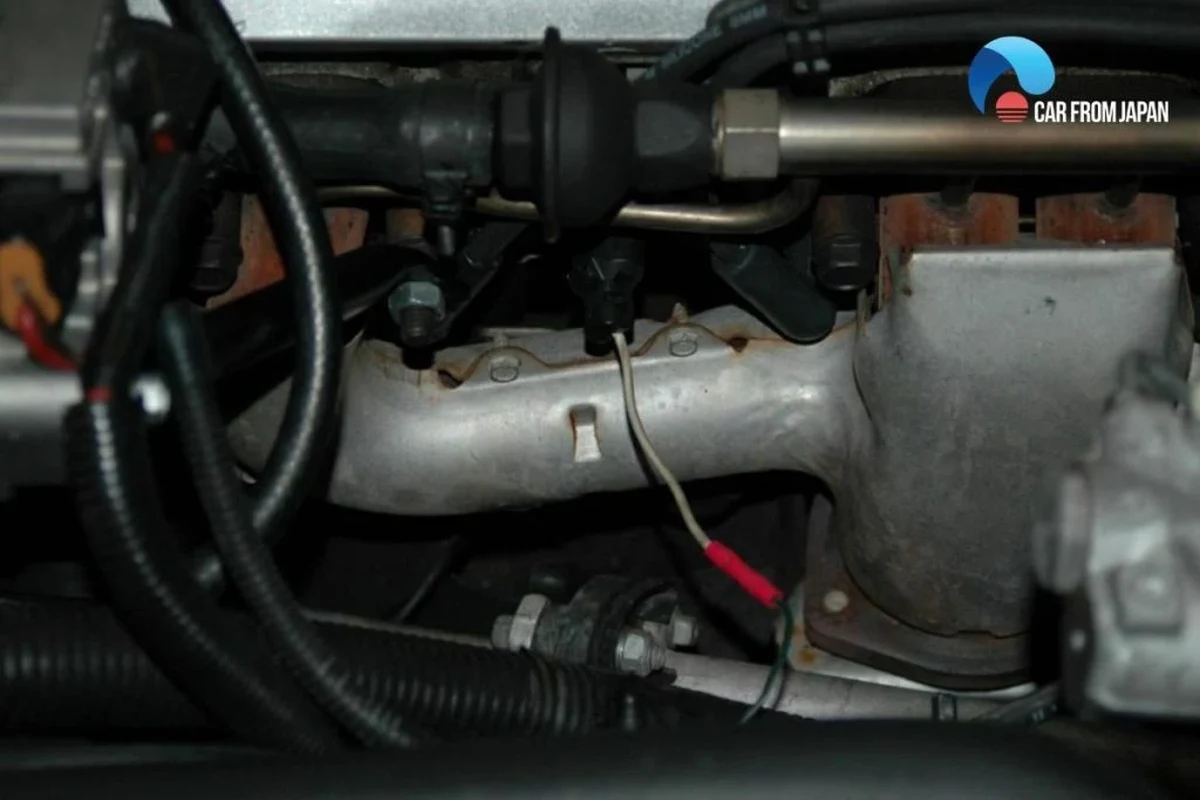
Knock sensors are often mounted on the engine block where they can read vibration accurately. Because of that location, they are exposed to heat, oil residue, coolant leaks, and vibration, all of which can affect connectors and harnesses over time.
Check for broken clips, bent pins, corrosion, oil intrusion, or a harness that has been rubbing against another component. A damaged connector can create the same symptoms as a failed sensor.
If you are diagnosing a suspected knock sensor problem, inspect the connector and wiring before you order parts. A visual check can save time when the real issue is a damaged harness or loose plug.
OEM vs aftermarket parts, installation care, and torque sensitivity
For engine sensors, OEM or direct-fit replacements are often the safer choice when exact signal behavior matters. Aftermarket parts may work well, but compatibility can vary by engine code, connector style, and calibration expectations.
Installation care matters too. Many knock sensors are torque-sensitive, so the official service manual should be followed closely. Over-tightening or under-tightening can affect how well the sensor reads vibration.
- Confirm the exact engine code and sensor part number.
- Check whether the fault is a sensor code, a misfire code, or both.
- Inspect wiring, connector pins, and nearby heat damage.
- Review the factory torque spec and service procedure.
- Verify return policy and warranty terms before ordering parts.
Final Verdict: Should You Replace the Knock Sensor for a Misfire?
Usually, no—not until you have checked the more common misfire causes first. A knock sensor can contribute to rough running and timing changes, but a true misfire is more often caused by plugs, coils, fuel delivery, vacuum leaks, compression loss, or carbon buildup.
If your scan data points to a sensor circuit fault, or if the engine is clearly pulling timing because of a bad signal, then replacing the knock sensor may be the right move. If the engine is actively misfiring, start with diagnosis, not parts swapping, so you fix the real cause and avoid repeat repairs.
Replace the knock sensor only when the diagnostics support it. If the symptoms point to ignition, fuel, or mechanical faults, those should be addressed first because they are more likely to cause the misfire and may also trigger the knock sensor response.
Frequently Asked Questions
It can sometimes contribute to rough running that leads to misfire-related symptoms, but it is not the most common direct cause. Often the real issue is ignition, fuel delivery, compression, or detonation that the sensor is detecting.
Common signs include reduced power, hesitation, conservative timing, and a check engine light. Some vehicles also feel sluggish under load even if the engine is not truly misfiring.
Knock sensor-related codes usually point to circuit or signal faults, while misfire codes identify a cylinder or random misfire pattern. If both appear, more diagnosis is needed before replacing parts.
Yes. Worn plugs, weak coils, and wiring faults can cause rough running that feels similar to a knock sensor issue and may even trigger knock control changes.
If the engine runs normally and the light is steady, you may be able to drive gently for a short time. If the light is flashing, the engine is shaking hard, or you hear pinging or knocking, stop driving and diagnose it soon.
Usually no. It is better to inspect plugs, coils, wiring, fuel delivery, and compression first unless the scan data clearly points to a sensor circuit fault.