Can the O2 Sensor Cause Stalling
Yes, a failing O2 sensor can cause stalling symptoms by disrupting fuel mixture control. But stalling usually happens because the sensor is part of a bigger issue, so diagnosis matters before replacement.
Yes, a bad oxygen sensor can contribute to stalling, but it is usually not the only cause. In most vehicles, the O2 sensor affects fuel mixture control, so a failing sensor can help create rough idle, hesitation, or shutdown when combined with other engine problems.
- Upstream matters most: The front O2 sensor is more likely to affect idle and drivability than the.
- Stalling is often indirect: The sensor usually contributes by pushing fuel trims too rich or too lean.
- Look for patterns: Rough idle, hesitation, misfires, and fuel economy loss often appear before stalling.
- Many faults mimic it: Vacuum leaks, MAF issues, fuel delivery problems, and exhaust leaks can look the same.
- Scan before replacing: OBD2 live data is the safest way to confirm the real cause.
Can the O2 Sensor Cause Stalling? Quick Answer and What It Means for Drivers
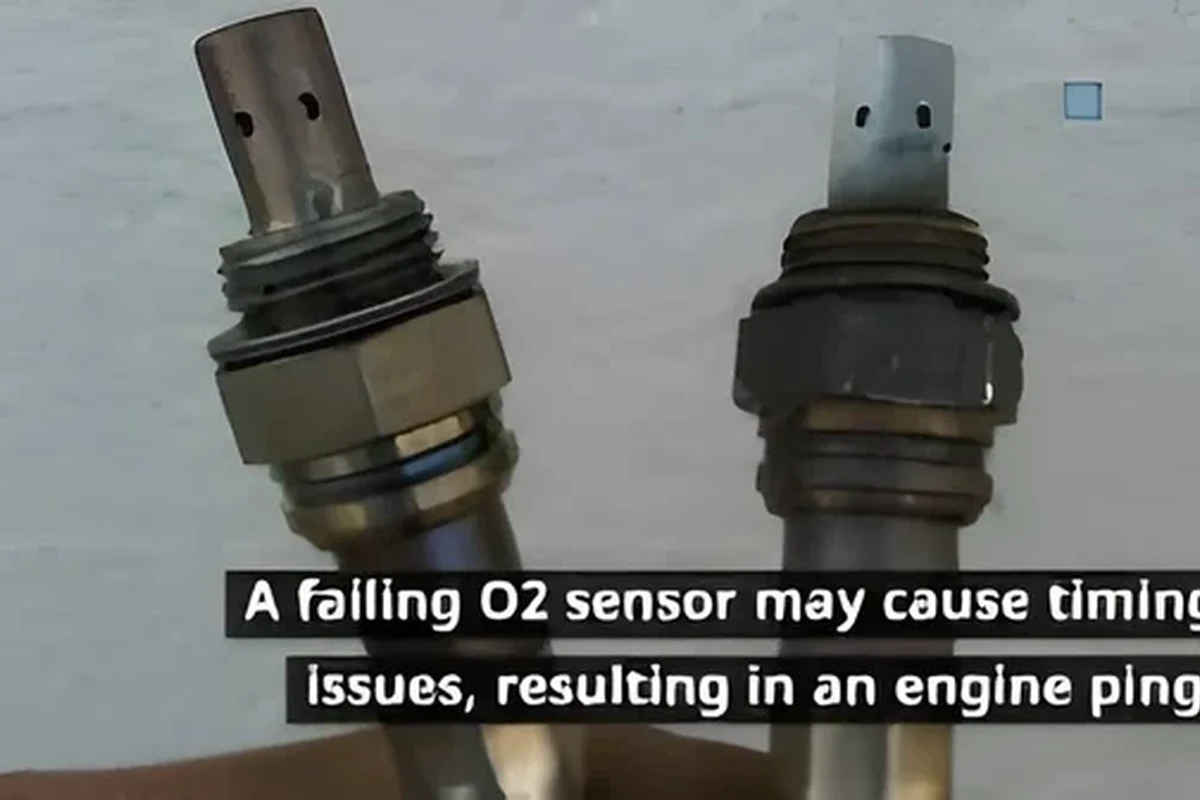
The oxygen sensor can cause stalling indirectly by sending inaccurate exhaust data to the engine computer. That can push the air-fuel mixture too rich or too lean, especially at idle or during low-speed driving.
Still, a stalling engine often points to more than one issue. If the car dies at stops, restarts poorly, or runs unevenly, the O2 sensor may be part of the diagnosis, but vacuum leaks, ignition faults, fuel delivery issues, or airflow sensor problems are also common suspects.
How the O2 Sensor Works in 2026 Vehicles
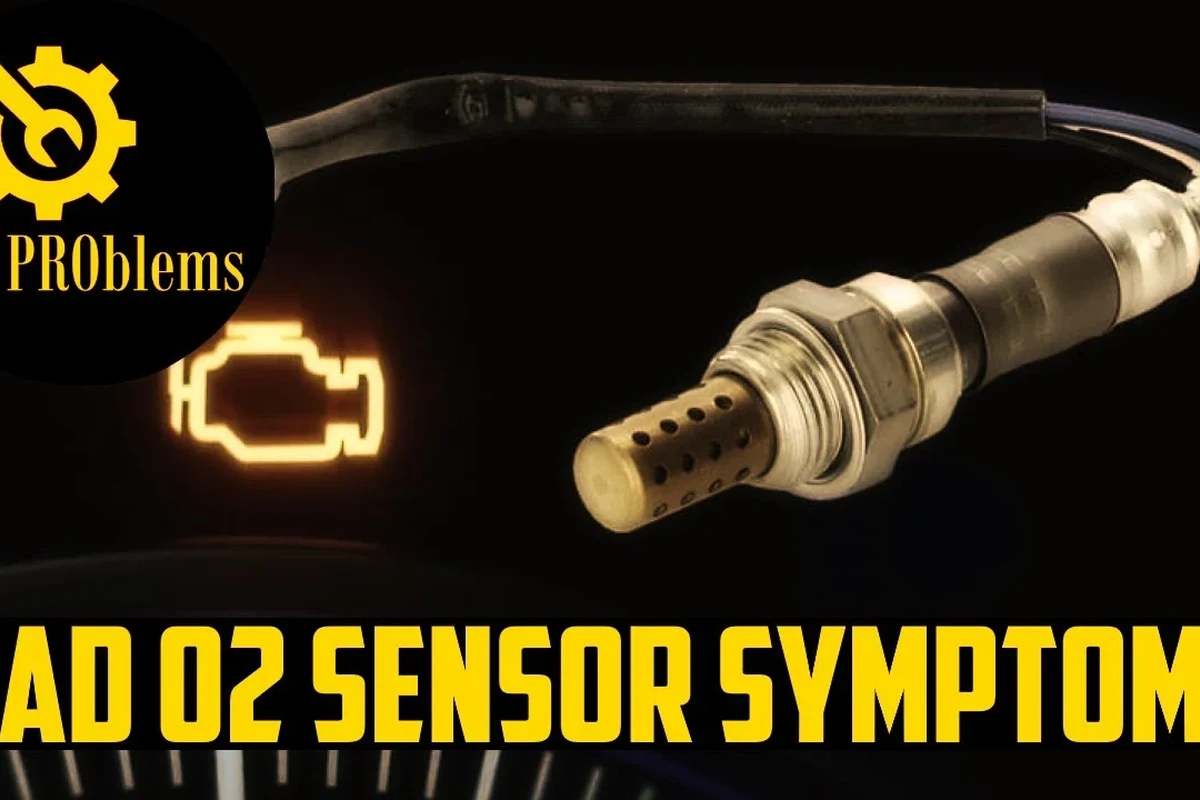
Modern engine control systems still rely on oxygen sensors to fine-tune fuel delivery. Even with better software, more sensors, and improved diagnostics, the basic job remains the same: help the engine computer understand whether combustion is running rich or lean.
What the oxygen sensor measures and why the engine computer depends on it
The O2 sensor measures oxygen content in the exhaust stream. The engine control module uses that signal to adjust injector pulse width, keeping the engine close to the ideal air-fuel ratio under normal operating conditions.
When the signal is accurate, the computer can correct small changes from temperature, altitude, engine wear, and driving style. When the signal is wrong or slow, fuel trims can drift enough to create rough idle, poor throttle response, and in some cases stalling.
Most gasoline engines use oxygen sensors mainly for closed-loop fuel control, which means the computer continuously adjusts fuel based on exhaust feedback.
Upstream vs. downstream sensors: which one is more likely to affect drivability
The upstream sensor, located before the catalytic converter, is the one most likely to influence drivability and stalling symptoms. It helps the engine computer decide how much fuel to add or subtract in real time.
The downstream sensor mainly monitors catalytic converter efficiency. A failing downstream sensor can trigger a check engine light, but it usually has less direct impact on stalling than an upstream sensor.
Sensor layout varies by engine and emissions system. Always confirm the exact sensor position in the vehicle service manual or wiring diagram before assuming which one is failing.
How a Faulty O2 Sensor Can Lead to Stalling Symptoms
A failing sensor does not usually kill the engine by itself. Instead, it sends misleading data that can push the engine toward unstable combustion, especially when idle speed is already marginal.
Rich or lean fuel mixture problems that can trigger rough idle and shutdown
If the sensor reads lean when the engine is actually rich, the computer may add too much fuel. That can cause a heavy, unstable idle, fouled spark plugs, and hesitation when you come to a stop.
If it reads rich when the engine is actually lean, the computer may remove too much fuel. Lean mixtures can cause surging, stumbling, misfires, and shutdown when the engine is under light load or returning to idle.
- Watch for stalling that happens after warm-up, not just at cold start.
- Compare fuel trim data before replacing the sensor.
- Check for exhaust leaks ahead of the sensor, since they can distort readings.
Why stalling usually happens with other engine faults, not the sensor alone
An O2 sensor is more often a contributor than a root cause. If the engine already has a vacuum leak, weak fuel pressure, dirty throttle body, or ignition misfire, the sensor’s feedback can make the symptom worse without being the original problem.
That is why replacing the sensor without checking the rest of the system sometimes fails to fix the stall. The engine may still have the same underlying imbalance, even with a new sensor installed.
Common Signs the O2 Sensor May Be the Problem
Drivers usually notice a pattern before the car starts dying at stoplights or in traffic. The clue is not just the stall itself, but the combination of fuel economy changes, idle quality issues, and fault codes.
Check engine light codes, fuel economy drops, misfires, and hesitation
A check engine light with oxygen-sensor or fuel-trim-related codes is a strong clue, but not proof. Codes often point to the circuit or the mixture problem, not necessarily the sensor alone.
Other signs include worse gas mileage, hesitation during acceleration, and random misfire codes. These symptoms suggest the engine is not controlling fuel cleanly, which can happen when the sensor signal is biased or delayed.
Do not assume the code tells the whole story. A damaged connector, exhaust leak, or wiring fault can create the same symptoms as a bad sensor.
Cold-start issues, unstable idle, and stalling at stops or low speed
Some oxygen sensor problems show up more clearly after the engine warms up and the system switches into closed-loop operation. That is when the computer starts relying more heavily on the sensor’s feedback.
Drivers may notice unstable idle at traffic lights, stumbling when shifting into gear, or stalling after coasting to a stop. If the engine runs better at higher rpm than at idle, the sensor may be part of the issue, but airflow or fuel delivery problems are still common alternatives.
Other Causes That Mimic O2 Sensor Failure
Many symptoms that look like a bad O2 sensor are actually caused by something upstream of the sensor or elsewhere in the engine management system. This is the reason proper diagnosis matters before replacing parts.
Vacuum leaks, dirty MAF sensors, clogged fuel filters, and failing fuel pumps
Vacuum leaks let unmetered air enter the engine, which can make the mixture too lean and confuse the sensor readings. A dirty mass airflow sensor can also misreport incoming air, causing fuel trims to drift and idle quality to drop.
Fuel supply problems are another major mimic. A clogged fuel filter or weak fuel pump can starve the engine, producing lean conditions, hesitation, and stalling that look similar to an O2 sensor fault.
| Common Cause | Typical Symptom | Why It Mimics O2 Failure |
|---|---|---|
| Vacuum leak | High or unstable idle | Changes the air-fuel ratio the sensor reports |
| Dirty MAF sensor | Hesitation, poor fuel trim | Computer gets the airflow calculation wrong |
| Fuel delivery issue | Stall under load or at stop | Engine runs lean even if the sensor is fine |
Ignition, exhaust, and wiring problems that can confuse diagnosis
Misfiring spark plugs, weak coils, and damaged plug wires can send unburned oxygen into the exhaust, which may make the O2 sensor appear faulty. Exhaust leaks before the sensor can also pull in outside air and distort the reading.
Wiring damage, corroded connectors, and poor grounds can create intermittent sensor signals. Those electrical problems often cause more confusing symptoms than the sensor element itself.
How to Diagnose the Problem Safely and Accurately
The best diagnosis combines scan data, visual inspection, and a basic understanding of how the engine behaves. Replacing an oxygen sensor too early can waste time and money if the real issue is elsewhere.
OBD2 scan data, live fuel trims, and sensor voltage behavior to verify
An OBD2 scanner can reveal whether the engine is running rich or lean through short-term and long-term fuel trims. Large positive trims often suggest the computer is adding fuel to correct a lean condition, while large negative trims can suggest the opposite.
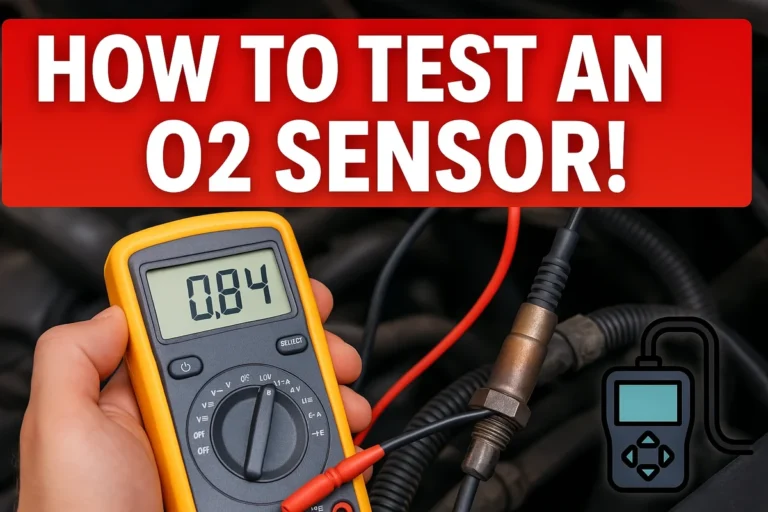
Live oxygen sensor data is also useful. A healthy upstream sensor should generally switch or respond quickly once the engine is warm, while a slow or stuck reading may point to a failing sensor or a circuit issue.
Check scan data at idle and at a steady cruise. A problem that appears only in one operating range can narrow the cause faster than replacing parts at random.
Visual inspection, connector checks, exhaust leaks, and common diagnostic mistakes
Start with the basics: inspect the sensor connector, nearby wiring, and exhaust joints for damage, corrosion, or soot marks. A cracked exhaust manifold or loose flange can create a false lean reading even when the sensor is fine.
One common mistake is treating every oxygen sensor code as a sensor failure. Another is ignoring misfires or fuel system faults that are actually causing the exhaust readings to look abnormal.
Replacement Guide: When to Repair, Replace, or Keep Driving
Whether to replace the sensor depends on the code, the scan data, the vehicle’s symptoms, and the age of the part. A sensor that is simply aged may be worth replacing, but a sensor reacting to another engine fault should not be the first thing changed.
Decision criteria, expected sensor lifespan, and value of OEM vs. aftermarket parts
Oxygen sensor lifespan varies by engine, fuel quality, driving conditions, and maintenance history. If the sensor is original and the vehicle has high mileage, replacement may be reasonable when the data supports it.
OEM or direct-fit replacement parts often reduce compatibility risk, especially with connectors, heater circuits, and calibration differences. Aftermarket options can be acceptable when the fitment and specifications match, but buyers should verify exact application details before ordering.
- Confirm the exact sensor position, connector type, and engine code
- Check whether the part is upstream or downstream
- Review the manual for torque, anti-seize guidance, and reset procedures
- Verify warranty terms and return policy before installation
Installation basics, safe handling, and care to prevent repeat failures
Follow the vehicle manual for removal and installation steps. Let the exhaust cool fully before touching the sensor, and avoid pulling on the wiring harness during removal.
If the old sensor failed because of oil burning, coolant contamination, or exhaust leaks, address that root cause first. Otherwise, the new sensor may be damaged again quickly.
Exhaust components can stay hot long after the engine is turned off. If you are not comfortable working around heated parts, fuel vapors, or seized sensors, a qualified shop is the safer choice.
Final Recommendation: When an O2 Sensor Is the Likely Cause of Stalling
An oxygen sensor is most likely to be involved when stalling comes with rich or lean fuel-trim data, a check engine light, rough idle, and symptoms that improve or worsen after warm-up. It becomes less likely when the engine has obvious vacuum leaks, misfires, fuel pressure issues, or airflow sensor faults.
Best next steps for DIY drivers, cautious commuters, and repair-shop shoppers
DIY drivers should start with an OBD2 scan, a visual inspection, and a check for exhaust leaks before buying parts. Cautious commuters who need the car reliable should avoid repeated guesswork and confirm the diagnosis quickly, since stalling can become a safety issue in traffic.
If you are going to a repair shop, ask for the scan codes, live fuel-trim numbers, and the reasoning behind the diagnosis. That makes it easier to tell whether the O2 sensor is the real cause or just one symptom in a larger engine problem.
- An O2 sensor can contribute to stalling by distorting fuel mixture control.
- Most stalling cases also involve another fault such as a vacuum leak, misfire, or fuel delivery issue.
- Scan data and visual checks are the safest way to confirm the cause before replacing parts.
Frequently Asked Questions
Yes, it can contribute to stalling by causing the engine to run too rich or too lean. It is more often part of a larger drivability problem than the only cause.
The upstream oxygen sensor is more likely to affect fuel control and drivability. The downstream sensor mainly monitors catalytic converter performance.
Common clues include a check engine light, poor fuel economy, hesitation, rough idle, and misfire codes. Stalling at stops or after warm-up can also happen.
Vacuum leaks, dirty MAF sensors, ignition misfires, exhaust leaks, clogged fuel filters, and weak fuel pumps can all mimic sensor failure. These issues can create the same fuel-trim symptoms.
Use an OBD2 scanner to check codes, live fuel trims, and sensor response. Also inspect wiring, connectors, and exhaust leaks before replacing parts.
Intermittent stalling can be unsafe, especially in traffic or at intersections. If the engine dies repeatedly, get the vehicle diagnosed soon and avoid long trips until the cause is known.