Can a Vehicle Speed Sensor Cause Stalling
Yes, a faulty vehicle speed sensor can cause stalling, especially when the vehicle slows down or stops. It is more likely when the speedometer is erratic and scan data shows a bad or missing speed signal.
Yes, a bad vehicle speed sensor can contribute to stalling, but it is usually one piece of a larger fault pattern rather than the only cause. When the speed signal is missing, erratic, or implausible, the engine computer may mismanage idle control, fuel delivery, or transmission behavior enough to make the vehicle stumble or stall.
- Stall pattern matters: Speed-sensor-related stalls usually happen during deceleration, stopping, or shifting.
- Look for extra clues: Erratic speedometer readings, shift problems, and warning lights strengthen the diagnosis.
- Check wiring first: Corrosion, loose connectors, and damaged harnesses can mimic a bad sensor.
- Use live data: A scan tool can confirm whether the ECU is seeing a believable speed signal.
- Replace carefully: Confirm exact fitment, sensor type, and connector quality before buying a new part.
Can a Vehicle Speed Sensor Cause Stalling? The Short Answer and What It Means
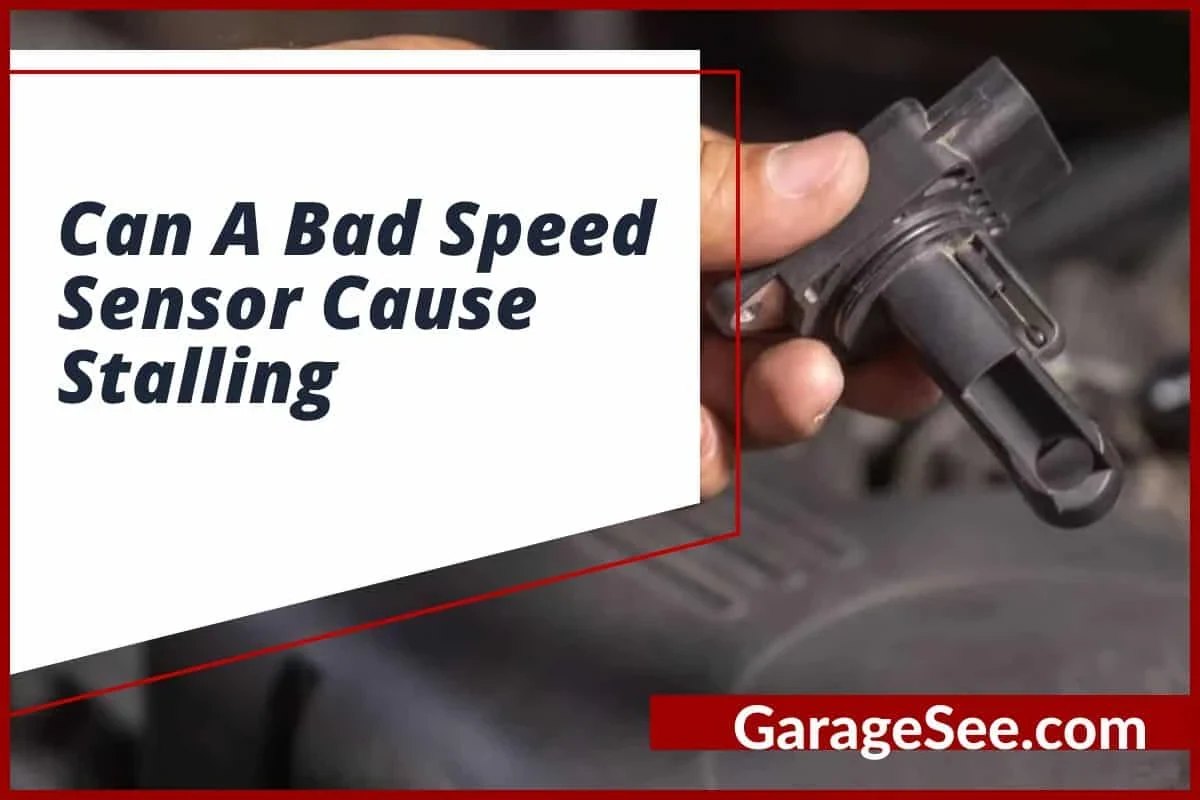
A vehicle speed sensor can cause stalling in some vehicles, especially when the sensor is feeding bad data to the engine control module or transmission control system. The effect is more likely if the stall happens during slowing down, coming to a stop, or shifting into gear, because those are moments when the ECU depends on accurate speed information to coordinate idle and drivability.
That said, a speed sensor is not the first suspect in every stall complaint. Vacuum leaks, dirty throttle bodies, failing crankshaft sensors, weak fuel delivery, ignition problems, or transmission faults can create similar symptoms, so the best diagnosis starts with the pattern of the stall instead of guessing from one warning light.
How a Vehicle Speed Sensor Works in the Drivetrain and Engine Management System
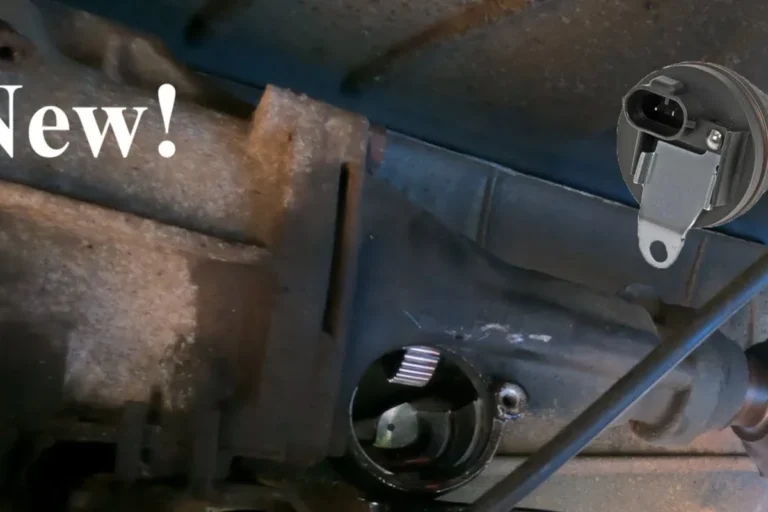
The vehicle speed sensor, often called a VSS, measures how fast the drivetrain or transmission output is turning and sends that information to the vehicle’s control modules. Depending on the design, the sensor may be mounted on the transmission, wheel hub system, or another part of the drivetrain, and the exact location varies by make and model.
Speed signal basics: what the ECU reads and why it matters
The ECU uses speed data for more than just the speedometer. It can affect shift timing, torque converter lockup, idle strategy, deceleration fuel cut, cruise control behavior, and sometimes stability or traction-related logic.
When the ECU sees a believable speed signal, it can predict what the engine should be doing as the vehicle slows, stops, or accelerates. If that signal disappears or jumps around, the computer may hesitate to adjust idle speed correctly, which can create a stall at low speed or right after braking.
How a faulty speed signal can affect idle control, shifting, and stall behavior
At low speed, the engine is already operating with less margin for error. If the speed sensor tells the ECU the vehicle is still moving when it is actually stopping, the computer may delay idle recovery or keep transmission behavior in the wrong state for too long.
In automatic vehicles, a bad signal can also interfere with torque converter lockup release or shift scheduling. If the converter stays locked too long, the engine can feel like a manual transmission stalled by an abrupt clutch release.
Some drivability problems blamed on the speed sensor are actually caused by damaged wiring, corroded connectors, or shared sensor circuits rather than the sensor element itself.
Signs a Bad Vehicle Speed Sensor May Be Behind Stalling
A failing speed sensor usually leaves clues beyond the stall itself. The more of these clues appear together, the stronger the case becomes that the sensor or its circuit deserves attention.
Common symptoms: rough idle, erratic speedometer, transmission issues, and warning lights
Typical signs include an erratic or dead speedometer, harsh or delayed shifting, cruise control problems, ABS or traction warnings on some vehicles, and a check engine light with speed-related fault codes. Some drivers also notice rough idle when stopping, a brief surge before the stall, or a stall that clears after restarting.
If the speed reading on a scan tool does not match actual vehicle motion, that is a strong clue. A sensor that works intermittently can be even harder to catch because the vehicle may drive normally until heat, vibration, or a bump causes the signal to drop out.
When stalling points to another cause instead
If the engine stalls while idling in park, cold starting, or accelerating hard, the speed sensor is less likely to be the main cause. In those cases, look more closely at air intake issues, throttle control, fuel pressure, ignition components, crank or cam sensors, battery voltage, or charging system problems.
Also, if the speedometer works normally and the transmission shifts cleanly, a VSS problem becomes less likely. The symptom pattern matters more than the presence of one generic stall complaint.
Who This Diagnosis Fits: Vehicles, Drivers, and Use Cases Most Affected
Not every vehicle uses speed data the same way, so the stall risk from a bad sensor varies by drivetrain design, age, and control strategy. Some vehicles will show only a speedometer issue, while others will develop noticeable low-speed drivability problems.
Automatic vs. manual transmissions
Automatic transmissions are generally more sensitive to a faulty speed signal because the ECU and transmission controller use that data for shift timing and torque converter control. A bad signal can create low-speed hesitation, harsh downshifts, or a stall as the vehicle comes to rest.
Manual transmissions can still be affected, but usually in a more limited way. On many manual vehicles, the speed sensor may influence the speedometer, idle strategy, or fuel cut behavior, yet a stall is often more likely to come from clutch, idle, or engine management issues than from the speed sensor alone.
Older vehicles vs. modern vehicles with integrated sensors and ECUs
Older vehicles may use simpler sensor setups and separate control logic, which can make symptoms easier to trace but sometimes harder to diagnose without a wiring diagram. Modern vehicles often integrate speed data across multiple modules, so one bad signal can trigger a wider set of symptoms and fault codes.
Modern systems also mean the fault may not be the sensor itself. A software issue, module communication problem, or damaged harness can mimic a bad sensor, so model-specific service information is important.
Sensor design, connector shape, pin count, signal type, and mounting location vary widely by vehicle. Always confirm the exact part number and diagnostic procedure in the official service manual or manufacturer catalog.
How to Diagnose the Problem Safely and Accurately
Good diagnosis starts with observation and simple checks before parts replacement. Because speed sensor symptoms overlap with many other faults, it is worth verifying the signal path rather than assuming the sensor is bad.
Visual inspection, connector checks, and wiring damage
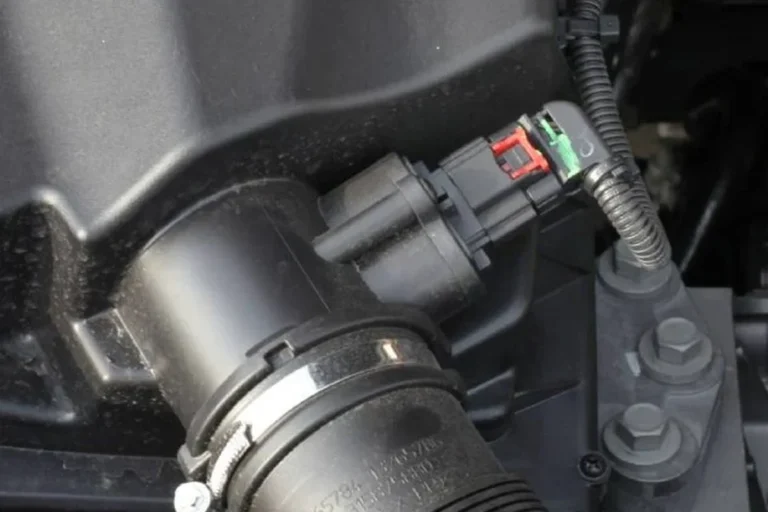
Inspect the sensor body, connector, and nearby harness for corrosion, oil intrusion, broken clips, chafed insulation, loose pins, or fluid contamination. A sensor mounted low on the transmission or near the wheel area can be exposed to road debris, heat, and moisture, which makes connector health especially important.
If the connector is loose or the wiring is damaged, the sensor may be fine but the signal still fails. Reseating a connector is sometimes enough to restore operation, but only if the terminals are clean and the locking tab is intact.
Check for visible damage, corrosion, or loose connectors before replacing anything.
Use a scan tool or service data to confirm whether speed readings match actual vehicle movement.
Check whether the stall happens during deceleration, stopping, shifting, or random idle conditions.
Scan tool data, fault codes, and live-speed readings
A scan tool can reveal whether the ECU is seeing vehicle speed, whether the reading drops out, and whether related modules report communication or transmission faults. Codes related to vehicle speed, output speed, transmission range, or drivetrain communication can support the diagnosis, but the code alone is not proof.
Live data is especially useful. If the reading stays at zero while the vehicle is moving, jumps erratically, or lags far behind actual motion, the sensor circuit or related module deserves closer inspection.
Common mistakes to avoid during diagnosis
One common mistake is replacing the speed sensor before checking the wiring and connector. Another is ignoring the possibility of a bad ground, low battery voltage, or a transmission issue that is feeding false symptoms into the same data stream.
It is also easy to misread a stall that happens only when braking to a stop. That pattern can point to idle air control, throttle body contamination, or torque converter problems just as easily as to the speed sensor.
Do not keep driving if stalling becomes frequent in traffic, at intersections, or during merging. Intermittent stalls can create a sudden loss of power assist, braking confidence, and steering control.
Repair, Replacement, and Cost Considerations
Once the diagnosis points to the sensor or its circuit, the next step is deciding whether cleaning, reseating, repair, or replacement makes the most sense. The right choice depends on whether the fault is electrical, mechanical, or simply a poor connection.
When cleaning, reseating, or replacing the sensor makes sense
If the sensor is contaminated with grime but not physically damaged, a careful cleaning may help on some designs. If the connector is loose or corroded, cleaning the terminals and restoring a secure connection may solve the issue.
Replacement makes sense when the sensor fails continuity or signal tests, the plastic housing is cracked, the magnet or pickup is damaged, or the signal remains unstable after connector and harness checks. If the vehicle uses a tone ring or reluctor wheel, damage to that component can mimic a bad sensor and should be checked too.
Key buying criteria: OEM fitment, sensor type, connector quality, and durability
When shopping for a replacement, confirm exact fitment by vehicle year, trim, transmission, engine, and drivetrain configuration. Speed sensors are not always interchangeable, even when they look similar.
Pay attention to sensor type and connector design. Some vehicles use Hall-effect sensors, others use magnetic pickups, and the wrong type can create inaccurate readings or no signal at all. Connector quality matters because poor terminal fit can cause intermittent faults that look like a bad module.
- Check the exact vehicle year, engine, transmission, and drivetrain application
- Confirm sensor type, connector shape, and pin count against the official part listing
- Review warranty terms, return policy, and any model-specific installation notes
- Verify whether the vehicle needs calibration, relearn steps, or scan tool clearing after installation
Value trade-offs: budget parts vs. OE-quality replacements
Budget sensors can be tempting, especially for older vehicles, but lower-cost parts sometimes have weaker connectors, inconsistent signal quality, or shorter service life. OE-quality or reputable aftermarket parts often cost more but may reduce the chance of chasing the same problem again.
The best value is usually the part that matches the original sensor’s electrical behavior and connector fit while offering dependable durability. If the vehicle is heavily used or the stall problem affects safety, reliability should matter more than the lowest upfront price.
Safety, Maintenance, and Long-Term Reliability Tips
Even a minor sensor fault can become a major inconvenience if it is ignored. The goal is not just to replace a part, but to keep the surrounding system reliable enough that the issue does not return.
Safe driving limits when stalling is intermittent
If the stall is rare and only happens under specific conditions, short trips to a repair shop may be manageable, but driving in traffic is risky. Avoid long highway trips, heavy traffic, and situations where a sudden stall could leave you stranded in a dangerous spot.
If the engine dies repeatedly or the vehicle becomes hard to restart, stop driving and arrange service. A recurring stall can also point to a worsening electrical fault that may affect other systems.
Preventive care for connectors, wiring, and related drivetrain components
Keep the sensor area free of oil leaks, mud buildup, and corrosion where possible. During routine maintenance, it helps to inspect harness routing, connector locks, and nearby transmission or wheel-speed components for wear or heat damage.
Because speed sensor symptoms can overlap with transmission and engine issues, it is smart to keep up with fluid service, battery health, and routine diagnostic checks when warning lights appear. Stable voltage and clean electrical connections improve the odds of a clean speed signal.
Final Recommendation: When a Vehicle Speed Sensor Is the Likely Cause
A vehicle speed sensor is a likely cause of stalling when the symptom shows up mainly as the vehicle slows, stops, or shifts, especially if the speedometer is erratic and scan data confirms a bad or missing speed signal. If the stall happens in those moments and the wiring, connector, and related drivetrain parts all check out, replacing the sensor is a reasonable next step.
Best next step based on symptoms, evidence, and repair confidence
Start with the least invasive checks: inspect the connector, confirm live speed data, and compare the fault pattern with the vehicle’s service information. If the evidence points to the sensor and not to fuel, ignition, idle control, or transmission problems, replacement is usually the most practical repair; if the evidence is mixed, a broader diagnosis is the safer choice.
—
Frequently Asked Questions
Yes, it can in some vehicles, especially when the stall happens as the car slows or stops. The sensor’s bad data can confuse idle control, shifting, or torque converter behavior.
Common signs include an erratic speedometer, transmission shifting problems, warning lights, and sometimes rough idle before a stall. The exact symptoms vary by vehicle design.
Check live scan-tool data, inspect the connector and wiring, and compare the stall pattern with the vehicle’s service information. A bad sensor is more likely if speed readings are missing or unstable while the vehicle is moving.
Yes. Corrosion, loose pins, damaged wiring, or a bad ground can interrupt the speed signal and create the same symptoms as a failed sensor.
Not for long, especially if the stall happens in traffic or during stops. Intermittent stalls can create a sudden loss of power and make the vehicle unsafe to drive.
Diagnose first if possible, because many faults can mimic a bad speed sensor. Replace the sensor when live data, fault codes, and inspection all point to the sensor or its circuit.