Can Steam Cleaners Kill Fleas Fast and Effectively
Yes, steam cleaners can kill fleas on contact when the heat reaches them directly. They work best as part of a broader flea-control plan that also includes vacuuming and pet treatment.
If you’re asking whether steam cleaners can kill fleas, the short answer is yes—steam can kill adult fleas and some eggs on contact when it reaches the right temperature and is applied correctly. The catch is that steam is a surface treatment, so it works best as part of a broader flea-control plan rather than a one-step fix.
- Fast contact kill: Steam can kill exposed fleas quickly when applied correctly.
- Surface limits: Deep carpet padding, clutter, and hidden life stages are harder to reach.
- Best use cases: Carpets, rugs, upholstery, pet bedding, seams, and baseboards.
- Buying focus: Verify heat output, attachments, maneuverability, and surface compatibility.
- Safety first: Keep pets away during use and avoid delicate or moisture-sensitive materials.
Can Steam Cleaners Kill Fleas Fast? The Short Answer and What to Expect
Steam cleaners can be very effective for killing fleas quickly on carpets, rugs, upholstery, and pet bedding because heat acts fast. But “fast” does not always mean “complete,” since fleas hide in seams, fibers, baseboards, and other spots that a pass of steam may not fully penetrate.
For homeowners, that means steam is best viewed as a targeted cleanup tool. It can reduce live flea pressure right away, but it usually needs to be paired with vacuuming, laundering, pet treatment, and follow-up monitoring to break the infestation cycle.
How Steam Destroys Fleas and Eggs on Contact
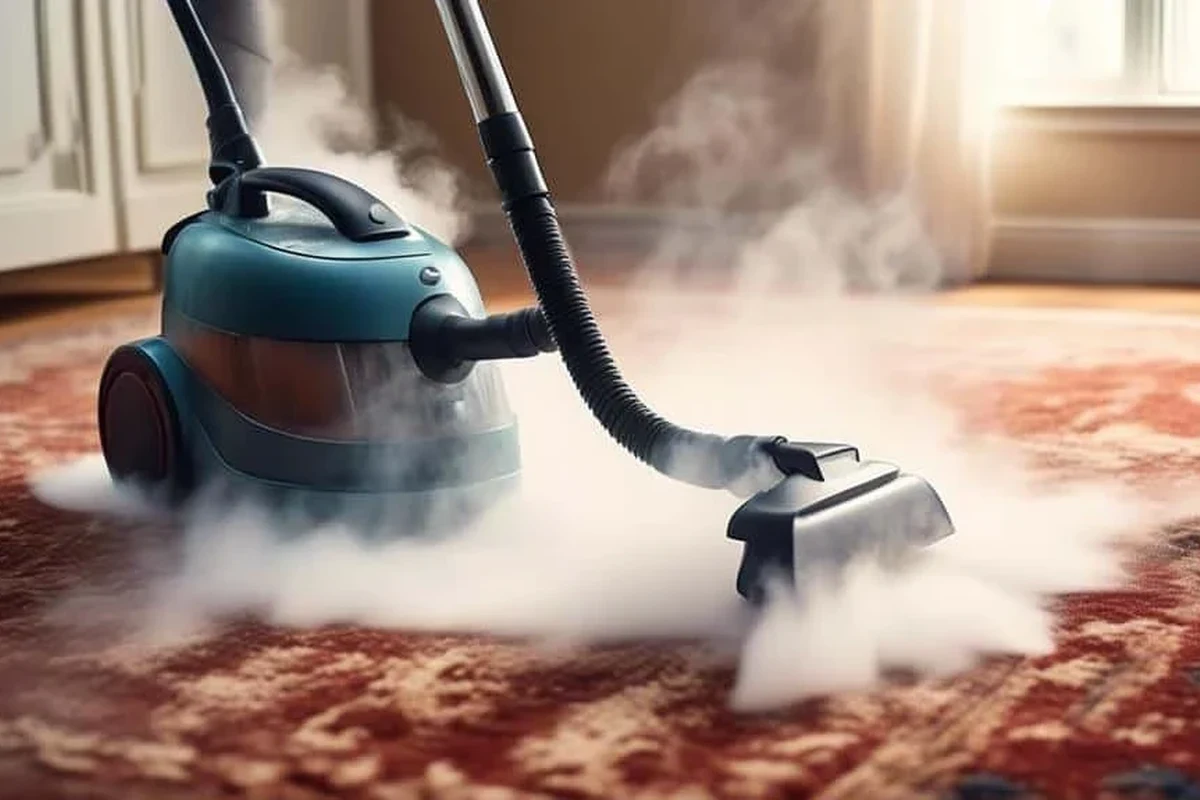
Steam works by transferring intense heat and moisture to the flea’s body and surrounding surface. When the temperature is high enough and exposure is long enough, the flea’s protective structures fail, which can kill adults and may damage eggs as well.
That is why steam is often considered a non-chemical option for surface treatment. It does not depend on residue or ingestion; instead, it depends on direct heat transfer, which makes application quality the deciding factor.
Why heat matters more than chemicals for surface treatment
Heat can be useful in homes where you want to avoid adding more sprays or powders to soft furnishings. It also reaches into textured fibers and seams where fleas can hide, provided the steam is hot enough and applied slowly enough.
Unlike chemicals, steam leaves little to no residue when used correctly, which can be appealing around kids, pets, and sensitive fabrics. Still, that advantage only matters if the surface can tolerate moisture and heat without damage.
Fleas develop through multiple life stages, and the hidden stages in carpets and bedding are often what keep infestations going.
Which flea life stages steam can and cannot reach
Steam is strongest against exposed adult fleas and can also affect eggs that are directly hit. It is less reliable for larvae and pupae hidden deep in carpet backing, clutter, or protected cocoons, where heat may not penetrate evenly.
That limitation matters because a flea problem is rarely just what you see on the surface. Even when steam knocks down visible activity, new fleas can still emerge later if hidden stages were missed.
Where Steam Cleaners Work Best in the Home
Steam is most useful on surfaces that can be cleaned slowly and evenly. It is especially helpful in areas where flea activity tends to concentrate, such as pet resting spots, soft furniture, and floor coverings.
Carpets, rugs, upholstery, pet bedding, and hard floors
Carpets and rugs are common targets because they can trap flea eggs and debris. Upholstery, pet beds, and removable fabric covers can also benefit if the material is steam-safe and the cleaner can reach seams and edges.
Hard floors are easier to sanitize, but flea hiding spots are usually in nearby cracks, grout lines, and along baseboards rather than the open floor itself. A steam cleaner with detail attachments can help address those edges more effectively.
- Focus on pet rest areas first, since that is where flea pressure is often highest.
- Use slow, overlapping passes on fabric surfaces instead of quick sweeping motions.
- Check care labels before steaming upholstery or bedding.
Areas where steam is less effective or risky
Steam is less effective in thick clutter, deeply packed carpet padding, and hidden nesting areas that do not receive direct heat. It can also be risky on delicate fabrics, unfinished wood, some laminates, electrical cords, and surfaces that can warp, stain, or delaminate with moisture.
If you are dealing with electronics, charging gear, or other household devices near the infestation, keep steam away from vents, plugs, and power connections. For broader home gadget safety, it is worth being equally cautious with moisture around devices discussed in guides like whether laptop chargers can overheat and how multi-port chargers behave with multiple devices.
What to Look For in a Steam Cleaner for Flea Control
Not every steam cleaner is equally useful for fleas. The best choice is the one that can maintain useful heat, move comfortably across your target surfaces, and give you enough control to clean edges and seams without soaking the material.
Steam temperature, pressure, tank capacity, and heat-up time
Look for a model whose manufacturer clearly states temperature or steam output details, because flea control depends on heat delivery more than marketing language. Pressure can help push steam into fabric texture, while a larger tank may support longer sessions before refilling.
Heat-up time matters if you plan to treat multiple rooms or repeat cleaning sessions. If specifications are vague, verify them in the official manual or product page rather than relying on retailer summaries, which can vary by model or region.
Attachments, cord length, maneuverability, and surface compatibility
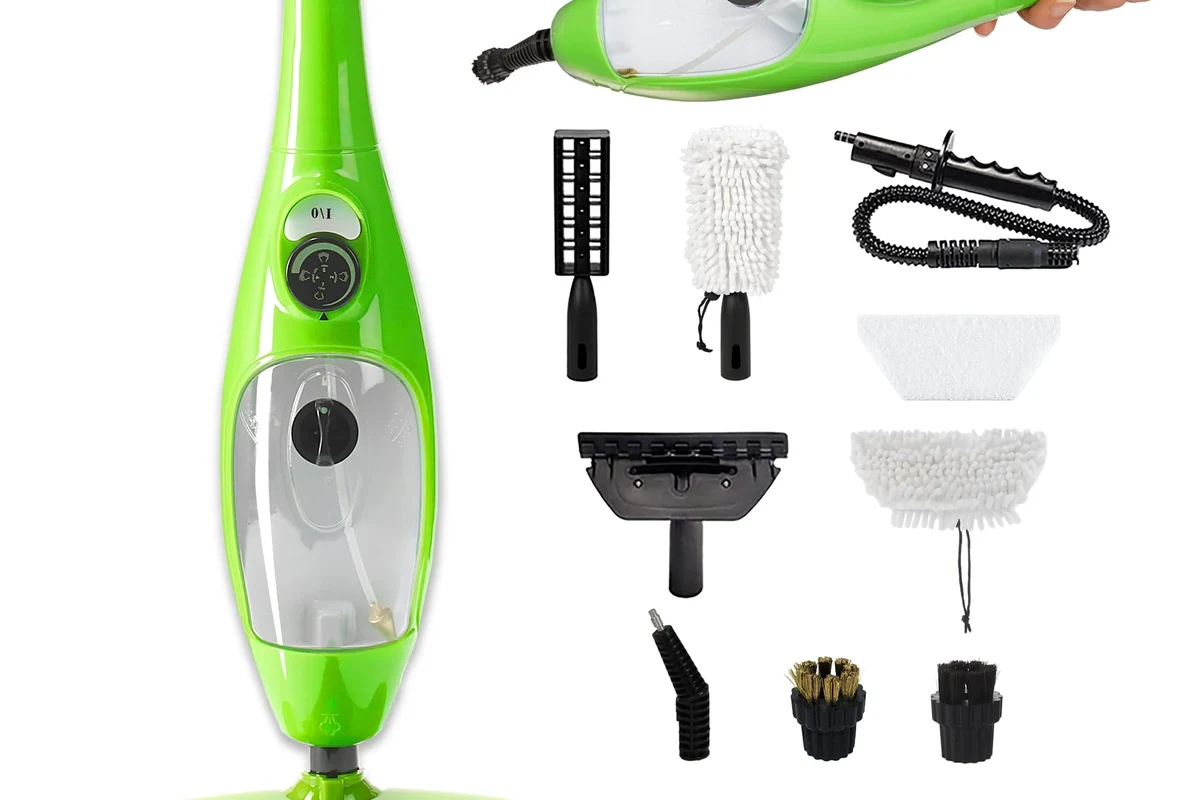
Detail nozzles, upholstery tools, and crevice attachments make a big difference because fleas often hide near seams, corners, and baseboards. A longer cord or easier maneuverability can help you cover more of the home without constantly stopping and repositioning.
Compatibility is just as important as power. A steam cleaner that is great for tile may be awkward on furniture, while a compact handheld unit may be easier for tight spaces but slower for full-room carpet work.
Noise, maintenance, and warranty details to verify before buying
Noise is worth considering if you have pets that are sensitive to loud appliances or if you plan to clean during quiet hours. Maintenance also matters: you may need to descale the unit, empty the tank, clean attachments, and store it dry after use.
Before buying, verify the warranty terms, replacement part availability, and whether the manufacturer recommends distilled water or another water type. Those details can affect long-term value more than a small difference in upfront price.
How to Use a Steam Cleaner Safely Around Pets and Fabrics
Steam can be helpful, but it is still a heat-and-moisture appliance. Safe use means preparing the area, protecting sensitive materials, and keeping pets and children away until surfaces are dry and cool.
Do not steam damaged fabrics, unstable furniture, exposed electrical parts, or surfaces that the manufacturer says are not heat-safe. Keep pets and children away from hot steam, freshly cleaned areas, and wet surfaces until everything is fully dry.
Preparation steps before steaming infestations
Start by vacuuming thoroughly, including edges, under furniture, and pet resting areas. Empty the vacuum immediately after use so fleas and debris do not remain inside the machine.
Then remove loose items from the treatment area, check fabric care labels, and identify any spots that may be too delicate for steam. If your pet has an active infestation, follow the veterinarian’s guidance for treatment so you are not relying on cleaning alone.
Remove clutter and vacuum carpets, seams, and baseboards before steaming.
Check a small area for fabric color change, warping, or moisture marks.
Use overlapping passes and focus on edges, seams, and pet zones.
Technique, dwell time, and avoiding damage to surfaces
Move slowly enough for the heat to transfer, but not so slowly that you oversaturate the surface. The goal is controlled contact, not soaking; too much moisture can lead to mildew, backing damage, or visible water spots.
Pay attention to seams, baseboards, furniture skirts, and the areas under cushions. These are common hiding places, and they are easy to miss if you only clean the center of the room.
If the surface feels damp rather than lightly warmed, you are probably moving too slowly or holding the nozzle too close.
Safety limits for pets, children, and delicate materials
Keep pets out of the room during steaming and until the area is fully dry and ventilated. Children should also stay away from hot equipment, extension cords, and damp floors.
For delicate materials, always check the care label and the steam cleaner’s manual. If the surface is silk, untreated wood, antique fabric, or anything with unclear finish, it is safer to skip steam and choose another method.
Common Mistakes That Reduce Flea-Killing Results
Many steam-cleaning disappointments come from technique, not the appliance itself. The most common issues are moving too quickly, skipping hidden spots, and expecting steam to solve an infestation by itself.
Moving too fast, skipping edges, and missing hidden nesting spots
If you rush across carpet or upholstery, the heat may not stay in contact long enough to kill fleas effectively. Edges, underside seams, and furniture contact points are especially important because that is where flea eggs and debris often collect.
Rooms with pets, blankets, and soft furniture usually need a more careful pass than open floor areas. A quick sweep may make the surface look clean while leaving the infestation cycle intact.
Overwetting carpets or relying on steam alone
Overwetting can create new problems, including lingering odor, slower drying, and possible fabric damage. Steam should leave the surface damp at most, not soaked.
It is also a mistake to rely on steam alone when the infestation is established. Vacuuming, pet treatment, laundering, and repeat cleaning are usually needed to interrupt the life cycle, especially if pupae remain hidden.
Benefits, Limitations, and Where Steam Fits in a Flea Treatment Plan
Steam earns its place because it can reduce fleas without adding another chemical treatment to the home. It is especially useful when you want a focused, surface-level method for carpets, upholstery, and pet zones.
- Kills fleas on contact when heat reaches the pest
- Can help clean soft surfaces without added residue
- Useful for seams, edges, and pet resting areas
- Does not reliably reach every hidden life stage
- Can damage delicate fabrics or moisture-sensitive surfaces
- Works best only when paired with other flea-control steps
Real-use advantages over sprays and powders
Compared with some sprays and powders, steam can feel simpler because it does not leave a chemical residue behind. That may be appealing in bedrooms, living rooms, and pet areas where you want a cleaner finish after treatment.
It also gives you immediate feedback: if a surface is properly treated, you are using visible heat and direct contact rather than waiting for a delayed effect. For many households, that makes steam a practical cleanup tool even if it is not the only one needed.
Evidence limitations and when steam is not enough
Steam’s effectiveness depends on the exact machine, surface, technique, and infestation severity. Because those variables change so much, there is no universal guarantee that one pass will solve the problem.
If fleas keep returning after repeated cleaning, the issue may be untreated pets, hidden pupae, or a source outside the home. In that case, steam should be treated as support, not the primary solution.
Best alternatives and add-ons to consider
Vacuuming remains one of the most important supporting steps because it physically removes fleas, eggs, and debris. Washing pet bedding and removable covers in hot water, when fabric care allows, can also help.
For persistent infestations, talk to a veterinarian about safe pet treatment options and consider a pest-control professional if the home problem is widespread. Steam is most effective when it is one part of a coordinated plan rather than the whole plan.
- Steam can kill fleas fast on contact, but only where the heat actually reaches.
- It works best on carpets, rugs, upholstery, pet bedding, and seams that can tolerate heat and moisture.
- Vacuuming, pet treatment, and repeat cleaning are still important for breaking the flea life cycle.
Final Recommendation: Who Should Use a Steam Cleaner for Fleas in 2026
A steam cleaner is a smart choice for households that want a non-chemical surface treatment and already plan to vacuum, wash fabrics, and treat pets appropriately. It is especially useful for apartment dwellers, pet owners, and anyone who needs to clean soft surfaces and tight edges without leaving much residue behind.
Best-fit households, pet owners, and budget considerations
Steam makes the most sense if you have a steam-safe home with carpets, rugs, and upholstered furniture that need targeted treatment. Budget-wise, the best value usually comes from a model with the right attachments and enough heat consistency for your surfaces, not simply the cheapest unit.
If you have mostly delicate fabrics, a lot of moisture-sensitive flooring, or a severe infestation that keeps returning, another approach may be more effective. In those cases, steam can still help, but it should not be your only tool.
How to judge value, care for the machine, and store it properly
Before buying, verify the manual, surface compatibility, warranty, and replacement-part support. After use, empty the tank, let the machine cool completely, wipe attachments dry, and store it in a dry place to reduce scale buildup and wear.
If you choose a steam cleaner for flea control, think of it as a maintenance appliance: the best long-term value comes from safe use, regular cleaning, and realistic expectations about what heat can and cannot reach.
Frequently Asked Questions
Yes. Steam can kill adult fleas on contact when the heat reaches them directly and is applied long enough. It works best on surfaces like carpets, upholstery, and pet bedding.
It can affect some eggs if the steam reaches them directly, but results depend on surface type and technique. Deeply hidden eggs and pupae are harder to reach.
Carpets, rugs, upholstery, pet bedding, and seams are the most useful targets if the material is steam-safe. Hard floors can be treated too, especially along edges and cracks.
Usually not by itself. Steam works best with vacuuming, laundering, pet treatment, and follow-up cleaning to break the flea life cycle.
Check steam output, heat-up time, tank capacity, attachments, maneuverability, and surface compatibility in the official manual. Warranty and replacement-part support also matter.
Yes, if you keep pets away from hot steam, wet surfaces, and cords during use. Let the area cool and dry fully before allowing pets back in.