Central Vacuum vs Upright Which One Is Best for You
Central vacuum is usually best for larger homes and quieter whole-home cleaning, while upright vacuum is better for smaller spaces, quick use, and lower upfront cost. Your best choice depends on installation needs, reach, storage, and how often you clean.
If you want whole-home convenience and quieter cleaning, a central vacuum is often the better long-term fit. If you want a lower-cost, portable cleaner that is easy to store and replace, an upright vacuum usually makes more sense.
The right choice in the central vacuum vs upright debate depends less on brand hype and more on your home layout, cleaning routine, and how much installation work you want to take on. Below, we break down how each system works, what to compare, and which type fits different households best.
- Best whole-home option: Central vacuum suits larger homes and renovation-friendly layouts.
- Best budget-friendly option: Upright vacuum is easier to buy, store, and replace.
- Noise matters: Central systems are usually quieter in the room being cleaned.
- Check the specs: Compare hose reach, inlet placement, weight, cord length, and attachments.
- Maintenance differs: Uprights are simpler to service day to day, while central systems need installation planning.
Central Vacuum vs Upright: Quick Answer and Who Should Choose Which
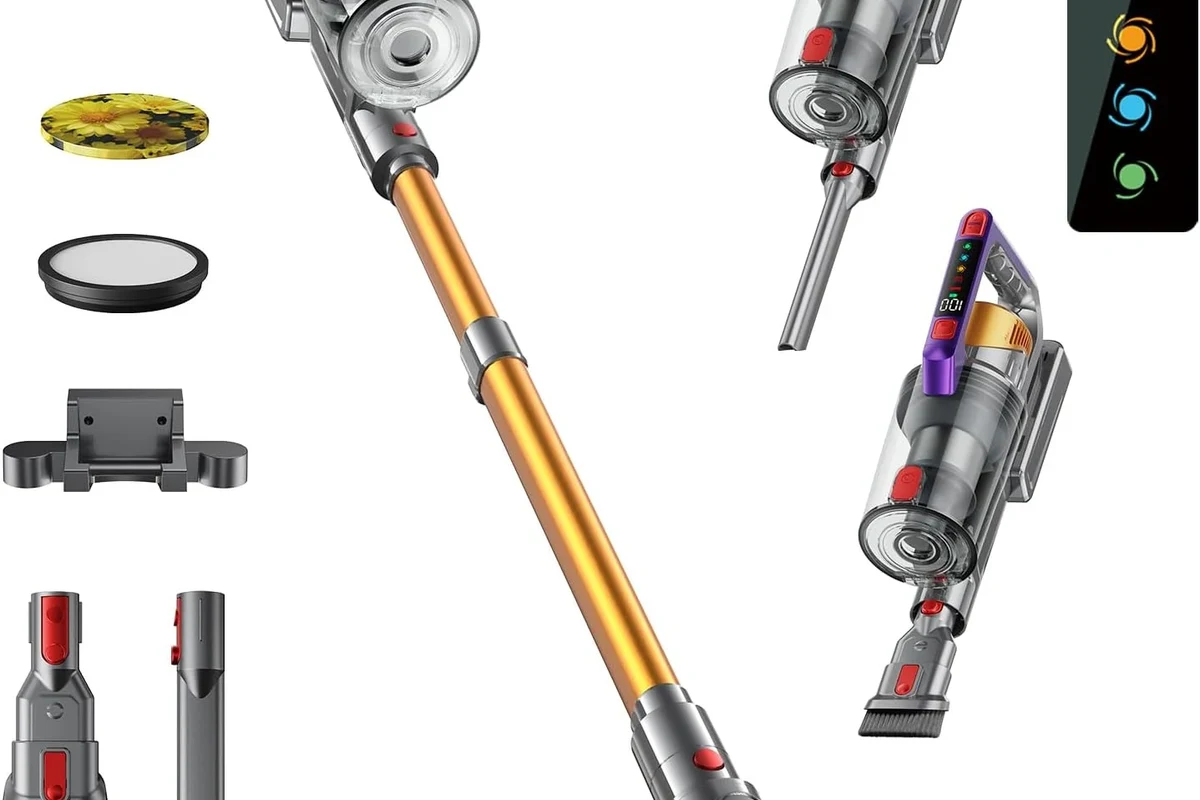
A central vacuum is best for homeowners who want a built-in system with strong reach, less noise in living areas, and a cleaner-feeling emptying process. An upright vacuum is best for renters, apartment dwellers, budget-conscious buyers, and anyone who wants a plug-in cleaner that is simple to move, store, and replace.
- Central vacuums can reduce noise in the room being cleaned.
- Uprights are usually easier to buy, carry, and use right away.
- Both can work well when matched to the right floor type and home size.
- Central systems require planning, inlet placement, and more installation effort.
- Uprights may feel noisy and can be less convenient for large multi-room homes.
- Performance varies widely by model, attachments, and maintenance.
How Central Vacuums and Upright Vacuums Work in 2026
Both vacuum types use airflow to lift dust and debris, but they package the motor, filtration, and dirt collection very differently. That difference affects noise, reach, maintenance, and how much of the cleaning system stays in your living space.
Central vacuum system setup, airflow path, and wall inlet basics
A central vacuum system places the main power unit in a remote location such as a garage, basement, utility room, or other approved area. Lightweight hoses connect to wall inlets placed around the home, and debris travels through hidden tubing to the central canister.
Because the motor and collection bin are usually away from the room you are cleaning, the system can feel quieter in daily use. It also keeps the heavy components out of the way, which can make handling easier once the hose is connected.
Central vacuum performance and installation details vary by home size, tubing layout, inlet placement, and the manufacturer’s recommended hose and accessory kit.
Upright vacuum design, suction method, and onboard filtration
An upright vacuum keeps the motor, dust bin or bag, filtration, and cleaning head in one floor-standing unit. You push it across the floor, and the brush roll and suction work together to lift debris into the collection chamber.
Most uprights are designed for quick setup and easy storage, especially in small homes. Many models also include onboard tools or detachable hoses, though hose reach is usually more limited than a central vacuum system.
Central vacuums often vent or isolate collected debris away from living areas, which can help reduce the amount of dust recirculated indoors compared with some portable vacuums.
Key Comparison Criteria: Cleaning Power, Coverage, Noise, and Convenience
The best comparison is not just suction alone. You should also think about reach, floor coverage, noise, storage, and how often you want to empty or maintain the machine.
Performance factors to compare: suction, brush roll, hose length, and reach
Cleaning power depends on more than motor strength. Brush roll design, airflow path, hose length, nozzle quality, and how well the vacuum matches carpet or hard flooring all affect real-world results.
Central vacuums often win on reach because a single hose can cover a large area without moving the power unit. Uprights usually win on simplicity because the cleaner head and motor are already connected, so there is less setup before you start vacuuming.
| Option | Best For | Key Consideration |
|---|---|---|
| Central vacuum | Whole-home cleaning | Needs proper inlet placement and hose management |
| Upright vacuum | Fast room-by-room cleaning | More limited reach, but easier to grab and go |
If you clean mostly carpet, check whether the upright has a brush roll height adjustment or carpet-specific head. For central systems, verify that the hose and power head are matched to your flooring and debris type.
Noise levels, storage footprint, and everyday handling trade-offs
Noise is one of the biggest practical differences. Central vacuums are usually quieter in the room because the motor sits elsewhere, while uprights place the motor near the user and can be noticeably louder.
Storage is the opposite story. A central system needs wall inlets and a hose, but the main unit stays hidden. An upright takes up closet or utility-space room, yet it is ready to use without attaching a long hose to the wall.
Best Fit by Home Type, Floor Plan, and User Needs
Your floor plan matters as much as your budget. A vacuum that feels perfect in a townhouse may be awkward in a large two-story home, and a system that works beautifully in a remodel may be overkill for a studio apartment.
When central vacuum makes more sense for larger homes and renovations
Central vacuum systems are often the stronger choice for larger homes, multi-level layouts, and remodels where tubing can be planned into walls. They also make sense if you want one cleaning system that can serve multiple rooms without dragging a heavy machine behind you.
If you are already renovating, adding inlet locations can be easier to integrate into the project than retrofitting later. That said, the final fit depends on wall access, power unit location, and whether your home layout supports good hose reach.
Homeowners planning a renovation or living in a larger house who want quieter cleaning, longer reach, and a built-in system that stays out of the way.
When upright vacuum is the better choice for apartments, quick cleans, and budget buyers
An upright vacuum is usually the better call for apartments, smaller homes, dorm-style spaces, or anyone who wants a straightforward cleaning tool with minimal setup. It is also the safer bet if you may move soon, because you can take it with you without worrying about built-in infrastructure.
For quick daily pickups, uprights are hard to beat. They are also easier to compare by weight, cord length, dust-bin size, and included attachments, which helps buyers who want a clear shopping decision.
Specifications and Buying Criteria to Check Before You Decide
Instead of shopping by marketing language, compare the features that affect daily use. The most useful spec sheet is the one that matches your floors, square footage, storage space, and cleaning habits.
Central vacuum specs: motor power, inlet placement, hose quality, and filtration
For central vacuums, check the motor specification, recommended home size, and whether the system is designed for your number of inlets and expected hose length. Also look at hose quality, since a poor hose can make the system feel awkward even if the power unit is strong.
Filtration matters too. Some systems use bags, some use bagless collection, and some include additional filtration stages. Confirm how the dirt is emptied, how often filters need attention, and whether replacement parts are easy to get for your exact model.
Upright specs: weight, cord length, bin capacity, head design, and attachments
For uprights, weight and cord length strongly affect convenience. A lighter machine is easier to carry upstairs, while a longer cord can reduce outlet swapping in larger rooms.
Bin capacity, brush roll design, and included tools are also important. Pet owners, for example, may want a stronger brush head and better hair management, while hard-floor users may care more about soft rollers or brush shutoff options. If you are comparing portable cordless styles as alternatives, you may also find our guides to the Cordless Commercial Upright Vacuum and best cordless vacuums for pet hair helpful.
Real-World Benefits and Limitations of Each Option
Specs only tell part of the story. In everyday use, the best vacuum is usually the one that you will actually reach for often, maintain correctly, and keep matched to your home over time.
Central vacuum advantages: quieter operation, less indoor dust recirculation, and service life
Central vacuums are appealing because the loudest components are usually away from the room, which can make cleaning less disruptive for families, remote workers, and light sleepers. The setup can also reduce how much dust is processed right next to you, depending on the filtration and exhaust design.
These systems can last a long time when installed well and maintained properly, but service life depends on the motor, usage frequency, and the availability of parts. If the system is hard to service or the tubing is poorly planned, the long-term advantage shrinks.
Follow the manufacturer’s instructions for electrical connections, hose use, and filter maintenance. Stop using any vacuum that shows overheating, damaged cords, loose wall inlets, or unusual burning smells.
Upright advantages: lower upfront cost, portability, and easier replacement
Uprights usually cost less to get started and are much simpler to replace if they wear out or no longer fit your needs. That makes them a practical choice for first-time homeowners, renters, and anyone who wants a straightforward appliance purchase.
They are also portable in a different way: you can carry them between rooms, floors, or even homes without needing built-in infrastructure. The trade-off is that you may deal with more noise, more visible storage, and more frequent emptying on some models.
Installation, Setup, Maintenance, and Safe Use
Maintenance is where many buyers underestimate the difference between the two systems. Easy upkeep can matter as much as suction because a vacuum that is annoying to maintain often gets used less often.
Central vacuum setup considerations: wall routing, power unit placement, and professional install needs
Central vacuum installation usually requires planning for tubing routes, inlet locations, and a suitable power-unit location. In many homes, a professional install is the easiest and safest route because wall access, electrical requirements, and airflow planning can get complicated.
Before buying, confirm whether the manufacturer provides a layout guide, approved accessories, and installation requirements for your region. If you are retrofitting an older house, ask how much wall access is needed and whether the system can be expanded later.
- Check compatibility with your home layout, flooring, and square footage.
- Confirm inlet placement, hose length, and power unit location.
- Review the manual, warranty, and replacement-part availability.
- Verify electrical and safety requirements before installation.
Upright care: filter cleaning, brush roll checks, belt replacement, and cord safety
Upright maintenance is usually simpler, but it still matters. Clean or replace filters as directed, clear hair from the brush roll, inspect belts if your model uses them, and keep the cord away from heat, sharp edges, and pinch points.
If the vacuum loses pickup, check for clogs, a full bin, blocked filters, or worn brush components before assuming the motor is failing. For more portable cleaning options, some readers also compare upright systems with other cordless formats such as the commercial cordless vacuum and the Tornado cordless vacuum review to see whether convenience or coverage matters more.
Stop using damaged cords, cracked housings, loose plugs, or overheated vacuum parts and follow the manufacturer’s guidance before continuing.
Final Verdict: Central Vacuum vs Upright Which One Is Best for You
The better choice is the one that matches your home and cleaning style, not the one with the biggest claims. Central vacuum is usually best for larger homes, remodels, and buyers who value quieter whole-home cleaning, while upright vacuum is usually best for smaller spaces, fast setup, and lower upfront cost.
Transparent recommendation based on budget, home size, cleaning frequency, and long-term value
If you want the best long-term fit and you own a home that can support installation, central vacuum is the stronger whole-house solution. If you want a practical, flexible cleaner that is easier to buy, store, and replace, upright is the smarter everyday choice.
Choose central vacuum for larger homes, renovation projects, and quieter operation. Choose upright for apartments, quick cleanups, and buyers who want the simplest path from purchase to use.
Frequently Asked Questions
A central vacuum is often better for a large house because it offers longer reach and keeps the motor away from living areas. An upright can still work well, but you may need to move it room to room more often.
It can be worth it if you own the home, want quieter cleaning, and plan to stay long term. Confirm wall routing, inlet placement, and installation requirements before you buy.
Check weight, cord length, bin capacity, brush roll design, and included attachments. Also verify whether the vacuum matches your flooring, pet hair needs, and storage space.
Not always. Cleaning results depend on suction, brush head design, hose length, filtration, and how well the vacuum matches your floors and home layout.
Uprights are usually easier to maintain because you can clean the filter, brush roll, and bin directly on the unit. Central vacuums may need less in-room maintenance, but the system and hose setup can be more involved.
Verify your home size, floor plan, installation options, warranty terms, and replacement-part availability. If specs or compatibility are unclear, confirm them with the manufacturer or official manual before buying.