Crane Cool Mist Humidifier Not Working Fix It Fast
Check power, reseat the tank, and clean mineral buildup first if a Crane cool mist humidifier is not working. If it still won’t mist, inspect the float, seals, and base for damage or replacement needs.
If your Crane cool mist humidifier is not working, the fastest fix is usually to check power, reseat the tank, clean mineral buildup, and confirm the water level is reaching the misting area. If the unit still won’t mist after those basics, the problem is often a clogged transducer, a bad tank seal, or a part that needs replacement.
- Power first: A loose plug, bad outlet, or damaged cord can mimic a broken humidifier.
- Tank alignment matters: A misseated tank or bad gasket can stop water flow to the base.
- Mineral buildup is common: Scale on the misting disc often causes weak or no mist.
- Safety comes first: Stop using the unit if it overheats, leaks, or has damaged electrical parts.
Crane Cool Mist Humidifier Not Working? Quick Fixes You Can Try First

Start with the simplest checks before you take anything apart. Make sure the outlet works, the tank is seated correctly, the cap is tight, and there is enough water in the reservoir for the unit to trigger misting.
If the humidifier powers on but gives no mist, unplug it, empty it, and inspect the base for visible scale or loose parts. Many “dead” humidifiers are actually suffering from a blocked water path or a poor tank seal rather than a full mechanical failure.
If the unit behaves inconsistently, test it after a full clean and fresh fill with plain water. That helps separate a simple maintenance issue from an electrical or sensor problem.
How a Crane Cool Mist Humidifier Works and What Usually Fails

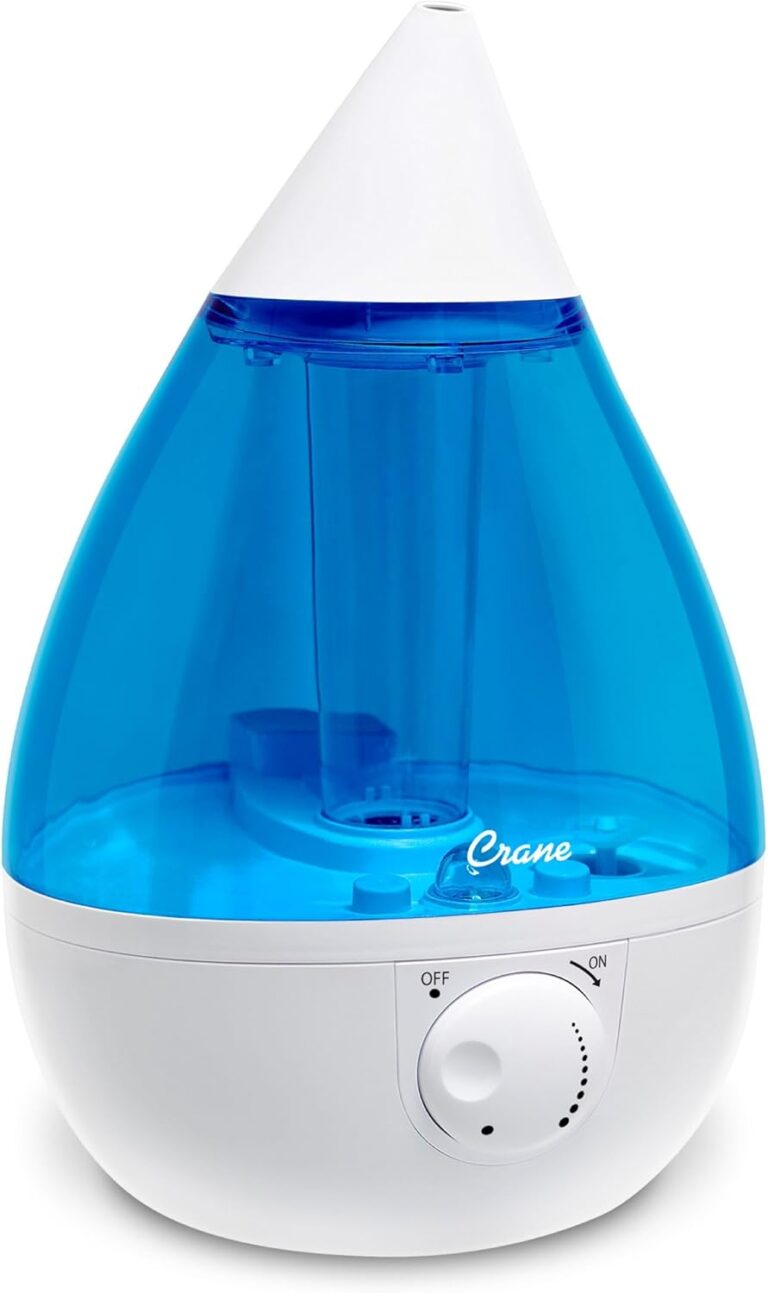
Most Crane cool mist models use water from the tank, a base reservoir, and an ultrasonic element to create a fine mist. When any one of those parts is disrupted, the humidifier may stop, mist weakly, or cycle on and off.
Water flow, ultrasonic misting, and the role of the base
The tank feeds water into the base, where the misting component vibrates at a high frequency to turn water into visible vapor. If the base is too empty, too full, or blocked by residue, the unit may not generate mist even though it still has power.
The base also houses the float, sensors, and any shutoff behavior that prevents dry running. That means a simple alignment problem can look like a much bigger failure.
Common failure points: power, tank seal, mineral buildup, and clogged parts
The most common issues are boring but fixable: a loose plug, a tank cap that is not sealed, mineral buildup on the ultrasonic disc, or a clogged opening where water enters the base. Over time, hard water can leave scale that prevents the misting surface from working properly.
Crane humidifier designs vary by model, so always confirm the exact tank, cap, and base layout in the official manual for your unit.
Check the Basics: Power, Outlet, Cord, and Tank Setup
Before focusing on internal parts, verify that the humidifier is actually receiving stable power and that the tank is installed the way the manufacturer intended. This step is especially important if the unit is completely unresponsive.
Confirm the outlet, adapter, and cable are delivering power safely
Try a different wall outlet that you know works. If your model uses an external adapter or power cord, inspect it for fraying, bent pins, or loose connections, and make sure the plug is fully seated at both ends.
If the outlet is controlled by a wall switch or power strip, confirm that it is turned on. For power-related troubleshooting on small electronics, it can also help to review general failure patterns like why a charger stops working or why a charger is not charging, because the same ideas about loose connections and damaged cords often apply here.
Seat the tank correctly and verify the cap, valve, and gasket
Lift the tank and reinstall it carefully so it sits flush on the base. If the cap, valve, or gasket is misaligned, water may not flow into the reservoir correctly, which can stop misting or cause the unit to shut off early.
Look for cracks, warped plastic, or a missing seal. Even a small leak can keep the humidifier from maintaining the water level it needs to operate.
Step-by-Step Troubleshooting for No Mist, Weak Mist, or Intermittent Mist
If the humidifier powers on but performance is poor, work through the water path and misting area in order. That approach helps you avoid replacing parts before you know what is actually blocked or damaged.
Unplug the unit, remove the tank, and check the reservoir for debris, slime, or white scale.
Use a manufacturer-safe method to remove mineral deposits from the ultrasonic disc and nearby surfaces.
Refill with fresh water, reseat the tank, and see whether mist output returns to normal.
Clean the misting disc and remove mineral deposits
A thin layer of mineral buildup can reduce output or stop mist completely. Use only the cleaning method recommended in your model’s manual, since some Crane units call for gentle descaling rather than aggressive scrubbing.
Do not scrape the disc with metal tools. The ultrasonic surface is delicate, and scratches can make the problem worse.
Inspect the float, transducer area, and water level indicators
If your model has a float or water-level sensor, make sure it moves freely and is not stuck in one position. A stuck float can trick the unit into thinking the reservoir is empty or unsafe to run.
Also check the area around the transducer or misting chamber for trapped debris. Small bits of scale, dust, or dried additives can interrupt the water path and cause intermittent mist.
Reset the unit and look for signs of overheating or auto-shutoff
Some humidifiers need a simple power reset after cleaning or after running dry. Unplug the unit, wait a few minutes, then reconnect it and test again with a properly filled tank.
If the humidifier shuts off quickly, feels unusually warm, or repeatedly cycles without misting, stop using it until you confirm the cause in the manual. Safety features are there to prevent damage when the unit is low on water or operating abnormally.
Do not bypass shutoff features, force damaged parts into place, or keep running a humidifier that is overheating, leaking, or making unusual electrical sounds.
Safety, Maintenance, and Cleaning Habits That Prevent Repeat Problems
Regular care matters as much as troubleshooting. Cool mist humidifiers are especially sensitive to mineral buildup, standing water, and improper storage, so a simple cleaning habit can prevent many repeat failures.
Safe descaling, disinfecting, and drying routines
Follow the official manual for descaling frequency and approved cleaning agents. In general, gentle cleaning and full drying are better than harsh products that can damage plastic, seals, or internal components.
After cleaning, let the tank and base dry before reassembly if the manufacturer recommends it. That reduces odor, residue, and the chance of trapped moisture affecting performance.
What not to do: harsh chemicals, overfilling, and damaged parts
Avoid bleach, abrasive scrubbers, and any cleaner not approved for the humidifier. These can leave residue, weaken seals, or create fumes that you do not want in a bedroom or nursery.
Do not overfill the tank or operate the unit with a cracked cap, missing gasket, or visibly damaged cord. If a part looks worn out, replacing it is safer than trying to improvise a fix.
Stop using damaged electronics, swollen batteries, frayed cables, overheating chargers, or unstable appliances and follow the manufacturer’s guidance.
Who This Humidifier Fits Best in 2026
A Crane cool mist humidifier is usually a practical pick for people who want simple humidification without a complicated app or smart-home setup. The right fit depends more on room size, maintenance habits, and noise tolerance than on brand name alone.
Ideal room sizes, bedroom use, nursery use, and seasonal comfort needs
These humidifiers are commonly used in bedrooms, small offices, nurseries, and other personal spaces where dry air causes discomfort. For larger rooms, performance depends on the specific model’s output, room layout, and how tightly the space holds moisture.
If you plan to use one near a child’s room, confirm the model’s safety features, cord placement, and cleaning requirements before relying on it overnight.
Noise expectations, moisture output, and practical trade-offs
Cool mist units are usually quieter than many mechanical appliances, but “quiet” is still model-dependent and can change as the unit ages or scales up. A humidifier that is easy to clean may be more valuable than one with a slightly higher advertised output if you need reliable daily use.
There is always a trade-off between convenience and maintenance. If you want low effort, choose a design with easy tank access, simple cleaning steps, and replacement parts that are easy to verify.
Replacement Parts, Warranty Checks, and When Repair Is Not Worth It
Before buying a new unit, check whether the problem is really a replaceable tank, cap, or power component. For many humidifiers, a small part is cheaper and more practical than replacing the entire appliance.
What to inspect before buying a new tank, cap, or power component
Compare the part number in your manual with the exact model number on the unit. Tank shape, cap threading, gasket style, and base fit can vary enough that a near-match still won’t work correctly.
Also inspect the cord, adapter, and any visible connectors for wear. If the electrical side is damaged, avoid guessing; use the manufacturer’s replacement guidance or a qualified service option.
Warranty details to verify and signs the unit should be replaced
Check the warranty terms, proof-of-purchase requirements, and whether the issue is covered before spending money on parts. Some problems are considered wear and tear, while others may qualify for support depending on age and condition.
Replacement is usually the better choice if the base is cracked, the electrical components are unreliable, or cleaning no longer restores normal misting. If you are unsure, the official manual and support page should be your first stop before ordering parts.
- Most no-mist problems come from power issues, bad tank seating, or mineral buildup.
- Clean the base and misting area gently, then retest before replacing parts.
- If the unit overheats, leaks, or has damaged electrical parts, stop using it and check warranty or replacement options.
Final Verdict: Is a Crane Cool Mist Humidifier Worth Fixing or Replacing?
In many cases, yes—especially if the problem is a dirty transducer, a loose tank cap, or a worn gasket. Those are common, low-cost fixes that can restore normal operation without much hassle.
Best next step based on age, damage level, and long-term value
If the humidifier is otherwise in good shape, start with cleaning, reseating, and part inspection. If the base is cracked, the cord is damaged, or the unit keeps failing after proper maintenance, replacement is usually the more sensible long-term choice.
For readers comparing whether to repair or replace, the best decision is the one that balances safety, part availability, and how often you actually plan to use the humidifier.
Frequently Asked Questions
Start with the intended use, correct fit or compatibility, official specifications, safety guidance, and the main limitations.
The best fit depends on experience level, body size, activity, terrain, available space, budget, and how often it will be used.
Confirm the exact model, size chart, dimensions, weight or load limits, included parts, warranty, return policy, and official instructions.
A common mistake is choosing by marketing claims alone instead of checking fit, compatibility, safety requirements, and real-use conditions.
Follow the manufacturer’s cleaning, storage, inspection, and replacement guidance. Stop using equipment that is damaged, unstable, cracked, or no longer fits correctly.
No. Results and risk reduction vary by the product, user, fit, setup, skill, environment, and activity. Protective gear cannot eliminate every risk.