Best Ryobi Stick Vacuum Mount for Easy Storage
The best Ryobi stick vacuum mount is the one that matches your exact model and holds it securely with enough battery clearance. For most homes, a sturdy cradle or bracket is the safest and most convenient storage choice.
If you want a ryobi stick vacuum mount that actually makes daily storage easier, choose one that matches your exact vacuum model, holds the unit securely, and leaves enough clearance for the battery and attachments. The best setup is usually a wall-mounted cradle or hook that keeps the vacuum easy to grab without putting stress on the handle, battery, or wall surface.
- Compatibility first: Match the mount to the vacuum’s handle shape, battery position, and accessory layout.
- Secure support matters: Use a wall location and hardware that can safely hold the full load.
- Simple or accessory-ready: Choose a basic hook for minimal storage or a dock-style mount for more organization.
- Measure before buying: Confirm clearance for charging, attachments, and easy removal.
Best Ryobi Stick Vacuum Mount for Easy Storage: What to Buy and Why
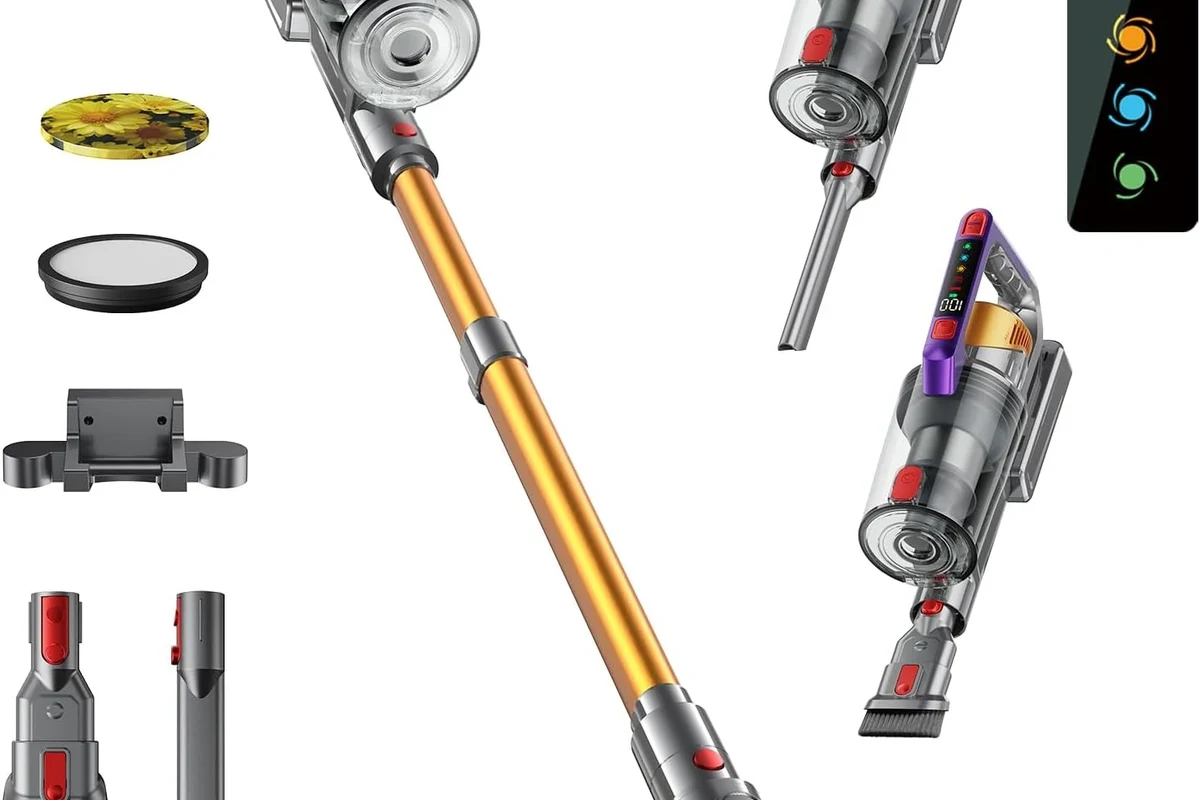
Quick answer: the best mount is the one that fits your specific Ryobi stick vacuum model, supports its weight securely, and allows easy grab-and-go storage without stressing the battery or wall surface.
A good mount should do more than hold the vacuum off the floor. It should fit the body shape, avoid blocking the battery pack, and keep the tool positioned where you can return it quickly after cleaning.
How a Ryobi Stick Vacuum Mount Works and Why It Matters
Wall-mounted storage basics: docking, hanging, and battery-safe positioning
Most mounts work in one of three ways: a simple hook that supports the handle, a cradle that supports more of the vacuum body, or a dock-style bracket that helps guide the vacuum into a repeatable storage position. The right design depends on how your Ryobi stick vacuum balances when upright and where the battery sits.
Battery-safe positioning is important because the mount should not press on the pack, charger cable, or release button. If the vacuum includes a removable battery, leave room so the pack is not squeezed against the wall or bracket.
How the mount improves floor space, charging convenience, and daily cleanup speed
Wall storage clears floor space in closets, laundry rooms, garages, and utility corners. It can also make charging easier if your vacuum charges in place or if you keep the battery and charger nearby.
For everyday cleanup, the biggest advantage is speed. When the vacuum is visible, organized, and easy to reach, you are more likely to use it for quick crumbs, pet hair, and small messes instead of leaving it in a corner.
Many cordless vacuums are stored on wall mounts primarily for convenience, but the mount also helps reduce accidental tip-overs that can stress the handle, nozzle, or battery connection over time.
Who a Ryobi Stick Vacuum Mount Fits Best in 2026
Ideal users: apartments, garages, laundry rooms, workshops, and small homes
Wall storage is especially useful in compact spaces where every square foot matters. Apartments, small houses, dorm-style rooms, garages, and workshops often benefit because the vacuum can stay out of the way while still remaining easy to reach.
It is also helpful in homes with pets or kids, where quick cleanup is frequent and a dedicated storage spot prevents the vacuum from being left on the floor.
Which Ryobi stick vacuum owners benefit most from wall storage versus floor storage
Owners who clean often, use multiple attachments, or keep the vacuum in a main living area usually benefit most from a mount. If your vacuum is part of a routine for crumbs, pet hair, stairs, or car interiors, a fixed storage spot makes that routine smoother.
Floor storage can still make sense if the vacuum is used rarely, moved between rooms, or stored in a cabinet with built-in shelving. For some users, a freestanding organizer or closet shelf is easier than drilling into a wall.
When a mount is not the best choice: rentals, fragile walls, or limited drilling access
A mount may not be ideal if you rent and cannot make wall changes, if the wall material is weak or damaged, or if the only available spot is too narrow for safe clearance. In those cases, a floor stand, closet organizer, or adjustable storage rack may be more practical.
Do not install a vacuum mount on unstable, cracked, damp, or heat-exposed walls. If the wall surface cannot safely support the load, choose a different storage method.
Key Specs to Check Before You Buy a Ryobi Stick Vacuum Mount
Vacuum compatibility: model fit, handle shape, battery placement, and accessory clearance
Compatibility is the first thing to verify. Ryobi stick vacuums can vary by model, so check the handle shape, body width, battery location, and whether the mount interferes with filters, dust cups, or release latches.
If the mount includes accessory slots, make sure they fit the exact nozzles or tools you plan to store. A mount that works for one vacuum body may still fail if the attachments crowd the charging area or block the battery.
Load rating, bracket depth, and wall anchor requirements
Look for a mount with a stated load rating that comfortably exceeds the weight of your vacuum and any accessories you plan to hang with it. Bracket depth matters too, because a shallow design may not support the vacuum body securely.
Also check whether the mount requires studs, drywall anchors, or both. If the product does not clearly explain the hardware requirements, that is a sign to review the manual before buying.
Dimensions, spacing, and how much room you need for the vacuum and attachments
Measure the wall area before you order. You need enough vertical height for the vacuum to sit without hitting the floor and enough side clearance so the handle, battery, and nozzle can move in and out easily.
Accessory storage adds more spacing needs. If you want to keep crevice tools, dusting brushes, or extra batteries on the same mount, confirm the full footprint instead of focusing only on the main bracket.
Material quality, finish, and long-term durability in humid or high-use areas
Choose a mount made from sturdy material that resists flexing, cracking, or loosening over time. In garages, laundry rooms, and utility spaces, a durable finish also matters because humidity and temperature changes can affect cheaper hardware.
Manufacturer listings sometimes omit details such as screw type, wall-anchor quality, or coating durability. If those details matter for your space, confirm them in the manual or product listing before you buy.
Best Mount Styles and How They Compare
Simple wall hook mounts: affordable, compact, and easy to install
Wall hook mounts are the most basic option. They are usually compact and work well when you only need a place to hang the vacuum body quickly.
The trade-off is that they may offer less support for heavier vacuums or awkward handle shapes. If your Ryobi model balances poorly, a hook alone may not feel secure enough.
Dedicated cradle or dock mounts: more secure, better for frequent use
Cradle and dock mounts support more of the vacuum’s body, which can make storage feel steadier and more repeatable. That can be useful if you remove and return the vacuum many times a day.
These mounts usually take more space and may require a more careful installation, but they often provide a cleaner, more stable fit than a single hook.
Accessory-friendly mounts: storage for nozzles, chargers, and spare batteries
Some mounts add hooks, bins, or side slots for tools and charging gear. That can be a strong choice if you want one organized station instead of separate storage spots for each part.
If your vacuum uses a removable battery system, accessory-friendly storage can keep the charger and spare pack in one place. Just make sure the charger cable is routed safely and does not hang where it can be snagged.
Trade-offs: price, installation complexity, and flexibility
Simple hooks are often the easiest and least expensive option, while dock-style systems and organizers usually cost more and take longer to install. More features can be useful, but only if you will actually use them.
- Keeps the vacuum off the floor and easier to reach
- Can improve organization for tools and charging gear
- Helps prevent tipping and clutter
- May require drilling and careful wall selection
- Compatibility can vary by vacuum model
- Some designs leave little room for accessories or batteries
Setup Guide: Installing a Ryobi Stick Vacuum Mount Safely
Choosing the right wall location and measuring for reach, height, and clearance
Pick a location where the vacuum can be lifted out without hitting shelves, doors, or nearby appliances. The ideal height is usually one where you can return the vacuum with a natural arm motion and without dragging the nozzle on the floor.
Also think about daily traffic. A mount placed behind a door or in a tight walkway is more likely to get bumped or blocked by bags, bins, or tools.
Stud mounting versus drywall anchors and when each is appropriate
Stud mounting is generally the more secure choice because it anchors the bracket into solid framing. Drywall anchors may be acceptable for lighter mounts if the manufacturer allows them, but they are not always the best option for a heavy vacuum or a high-traffic area.
Follow the hardware instructions that come with the mount. If the manual specifies a certain anchor type or stud spacing, use that guidance instead of improvising.
Step-by-step installation checks: level alignment, screw tightness, and vacuum test fit
Measure the height and width carefully so the vacuum clears the floor and nearby objects.
Check for studs, suitable anchors, and any hidden plumbing or wiring before drilling.
Make sure the bracket sits straight and the screws are snug without over-tightening the wall material.
Place the vacuum in the mount and confirm that it rests securely without pressing on the battery, cord, or release points.
Common setup mistakes that cause wobble, wall damage, or poor access
The most common mistakes are mounting too high, using the wrong anchors, ignoring the vacuum’s balance point, and failing to leave enough room for the battery or accessories. Another common issue is placing the mount where the vacuum can be knocked loose by a door swing or passing foot traffic.
Real-Use Benefits, Limitations, and Value for Money
Benefits: faster storage, reduced clutter, better protection from tipping, and easier charging access
A well-matched mount creates a clear home for the vacuum, which makes cleanup more consistent. It also reduces the chance of the vacuum falling over, getting stepped on, or being buried behind other items in a closet or garage corner.
If charging is part of your routine, a good mount can make that process easier by keeping the vacuum and charger area organized. That matters most for households that use the vacuum several times a week.
Limitations: model-specific fit, wall drilling, and possible battery interference
The biggest drawback is that many mounts are not universal in practice. Even if a product says it fits stick vacuums broadly, the handle shape, battery layout, and dust cup position can still create fit issues.
Wall drilling is another limitation, especially in rentals or finished spaces. And if the mount is too tight around the battery, it can make storage awkward rather than convenient.
Value comparison: budget mounts versus premium organizer systems
Budget mounts often make sense if you only need basic wall storage and your vacuum fit is straightforward. Premium organizer systems may be worth considering if you want space for accessories, charging gear, and a cleaner overall setup.
Transparent verdict: what makes a mount worth buying in 2026
A mount is worth buying if it matches your vacuum model, installs securely on the right wall surface, and makes everyday storage easier without creating new annoyances. If it only saves space but makes charging, access, or battery removal harder, it is probably not the right fit.
The best choice for most buyers is a sturdy, model-compatible cradle or bracket with enough clearance for the battery and attachments. Choose a simpler hook if you want the lowest-cost option and your vacuum hangs securely in a basic position.
Care, Safety, and Troubleshooting for Long-Term Use
Safety checks: wall integrity, screw inspection, and avoiding heat or moisture exposure
Check the mount and wall regularly, especially if the vacuum is removed and returned often. Look for loose screws, wall cracks, bent brackets, or any sign that the mount is shifting under load.
Keep the storage area away from direct heat sources and excessive moisture. That matters in garages, laundry rooms, and utility spaces where conditions can change more than in a hallway closet.
Stop using any mount that wobbles, pulls away from the wall, or shows visible damage. If the vacuum or battery is damaged, follow the manufacturer’s safety guidance before storing or charging it again.
Maintenance: cleaning dust buildup, checking brackets, and re-tightening hardware
Dust can collect on the bracket, especially in garages or workshops. Wipe the mount occasionally so grit does not interfere with the fit or scratch the vacuum body.
Recheck the hardware periodically, since repeated removal and replacement can loosen screws over time. A quick inspection every few weeks is usually enough for most homes.
Troubleshooting fit issues, slipping, charging obstruction, and accessory clutter
If the vacuum slips, the mount may be too shallow, mounted at the wrong angle, or simply not designed for your model. If charging is blocked, check whether the battery, charger cable, or dock needs more side clearance.
Accessory clutter usually means the mount is doing too much for the available wall space. In that case, separate the attachments into a small bin or shelf instead of forcing everything onto one bracket.
Replacement guidance: when to upgrade a weak mount or switch storage methods
Upgrade the mount if it flexes, loosens often, or makes everyday use frustrating. Switch to a floor stand or cabinet-based solution if your wall surface is unsuitable, your vacuum is too heavy for the bracket design, or you need a storage setup that works without drilling.
For readers comparing cordless vacuum storage options more broadly, it can also help to look at how other models handle wall mounting and battery placement, such as a cordless vacuum with a replaceable battery or a cordless vacuum for pet hair, since those design choices often affect storage needs.
- Match the mount to your exact Ryobi stick vacuum model and battery layout.
- Choose a secure wall location with enough height, clearance, and support.
- Use a simple hook for basic storage or a cradle/dock for more stability and accessories.
- Check hardware regularly and replace any mount that wobbles, flexes, or damages the wall.
For shoppers still comparing storage-friendly cordless vacuums, it may also help to review the broader design and battery approach of models like the Ergorapido cordless vacuum or the Simplicity cordless vacuum, since storage needs often follow the vacuum’s shape and charging setup.
—
Frequently Asked Questions
A secure cradle or bracket that matches your exact Ryobi model is usually the best choice. It should support the vacuum’s weight, leave battery clearance, and make grab-and-go storage simple.
Check the model number, handle shape, battery placement, and accessory clearance before buying. If the listing does not clearly state compatibility, verify it in the manual or with the manufacturer.
Sometimes, but only if the mount instructions allow it and the anchors are rated for the load. Stud mounting is usually more secure for heavier vacuums or busy storage areas.
They can, especially if your charging setup uses a removable battery or a dock that stays near the storage spot. Make sure the mount does not block the charger cable or press on the battery.
Confirm the wall is structurally sound, measure for clearance, and check for hidden wiring or plumbing. Follow the mount’s hardware instructions and avoid installing on damaged or damp surfaces.
Replace it if it wobbles, cracks, loosens repeatedly, or no longer fits the vacuum securely. If the wall surface is unsuitable, switching to a floor stand or cabinet storage may be the better option.