Best Pop Up Camper Fan Picks for Cool Comfortable Trips
The best pop up camper fan is the one that matches your power setup, stays quiet enough for sleep, and fits your camper’s limited space. For most buyers, a compact fan with secure mounting and flexible power is the safest, most practical choice.
A good pop up camper fan can make a cramped sleeping space feel far more livable by improving airflow, reducing stuffiness, and helping you sleep more comfortably. The right choice depends on how much air you need, how quiet the fan is, where it can mount, and whether your camper power setup supports it.
- Power first: Match the fan to 12V, USB, AC, battery, or dual-power use before comparing extras.
- Quiet matters: Small camper spaces make motor noise and vibration more noticeable at night.
- Placement matters: A stable, well-aimed fan often works better than a bigger fan in the wrong.
- Safety matters: Check cords, mounts, batteries, and charger instructions before overnight use.
Best Pop Up Camper Fan Picks for Cool Comfortable Trips: What to Buy and Why It Matters
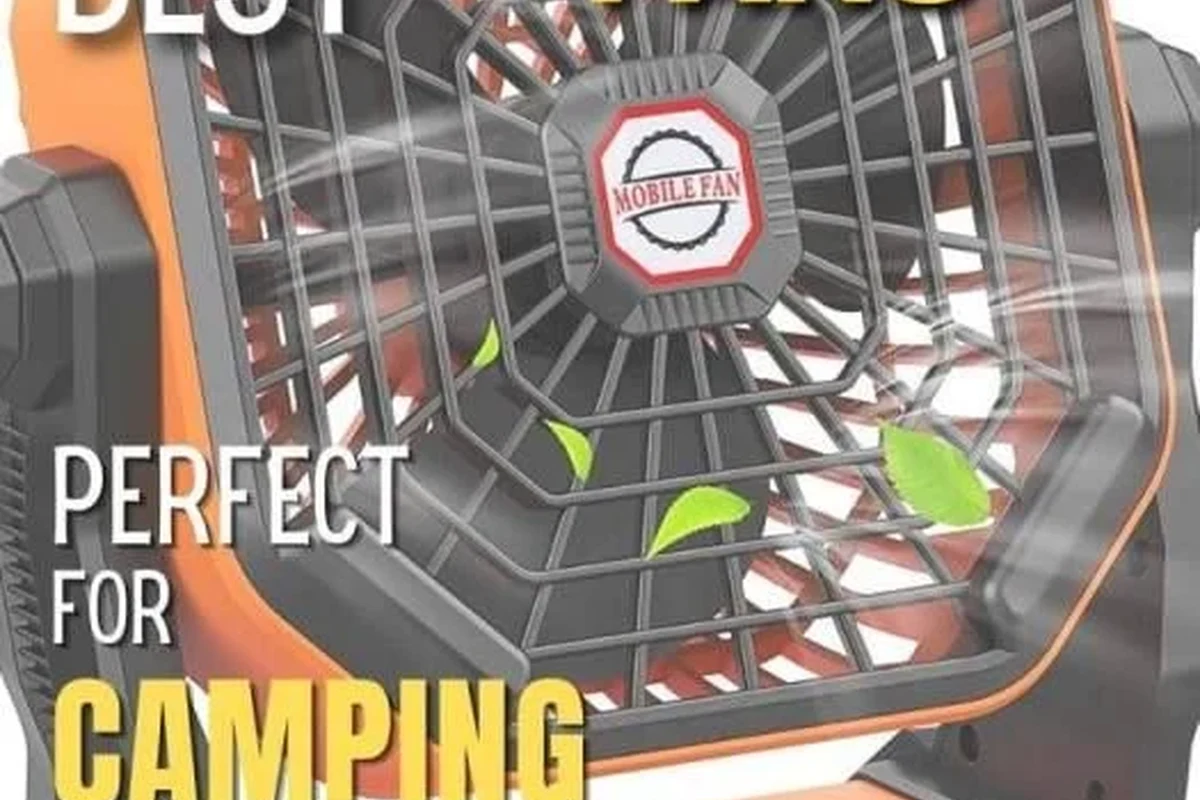
Quick answer: the best pop up camper fan depends on airflow, noise level, mounting style, and how you power it in a small RV space
If you want the simplest buying rule, start with your camper’s power options and sleeping layout. A fan that is quiet, compact, and easy to secure usually works better in a pop up camper than a larger household fan that moves more air but takes up too much room or creates too much vibration.
How a Pop Up Camper Fan Works and Why It’s Different from a Regular Fan
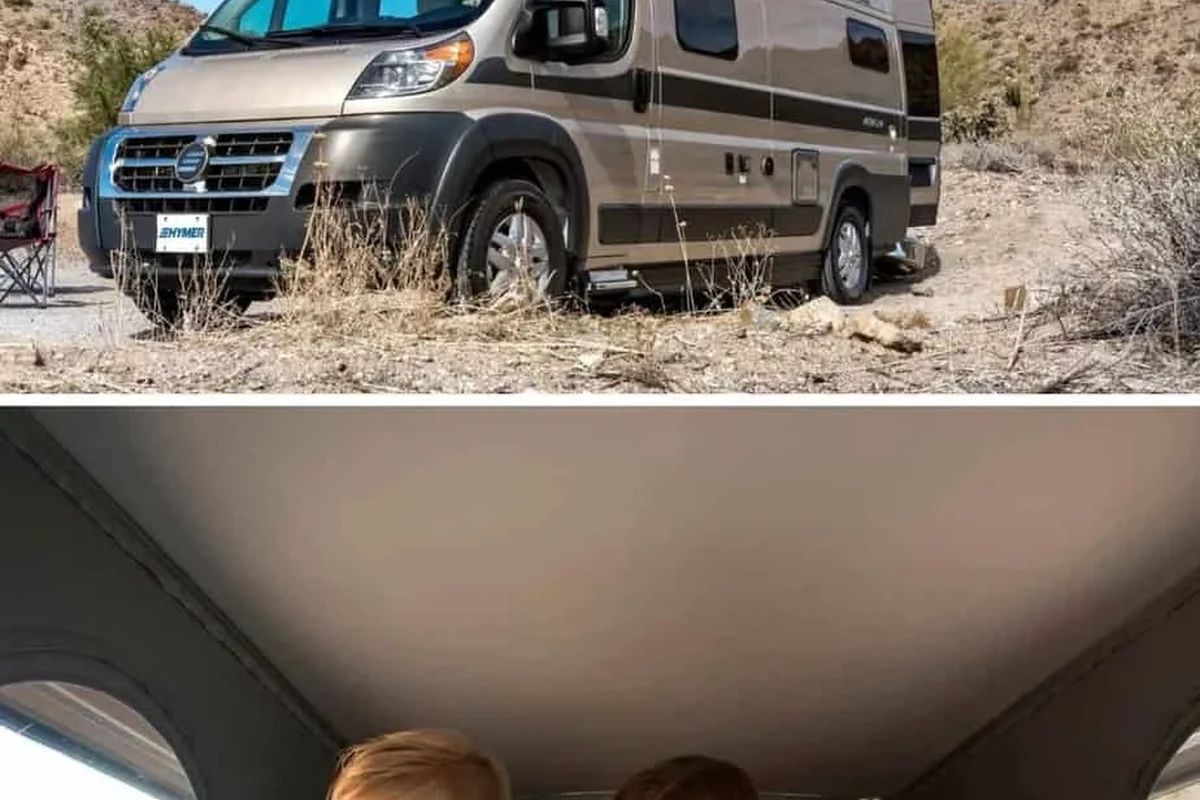
Pop up campers have limited interior volume, lower ceilings, and more sensitive mounting surfaces than a typical bedroom or living room. That means a fan does not just cool the air; it helps move stagnant warm air out of the sleeping zone and keeps humidity from feeling trapped.
Air circulation in compact sleeping spaces
In a small camper, even modest airflow can feel significant because the air has less space to sit still. A fan positioned correctly may help distribute cooler outside air, reduce hot spots near the ceiling, and make the space feel less humid after a warm day.
Why low-noise, low-draw operation matters in campers
Many campers are used for sleeping, so fan noise matters more than it does in a garage or workshop. Power draw matters too, especially if you rely on battery power, shore power with limited outlets, or a small inverter setup.
Fan performance can vary by model, blade design, motor type, and the camper’s layout. Manufacturer airflow claims are useful, but real comfort also depends on where the fan is placed and how open the windows and vents are.
Common fan types: clip-on, ceiling mount, portable rechargeable, and 12V models
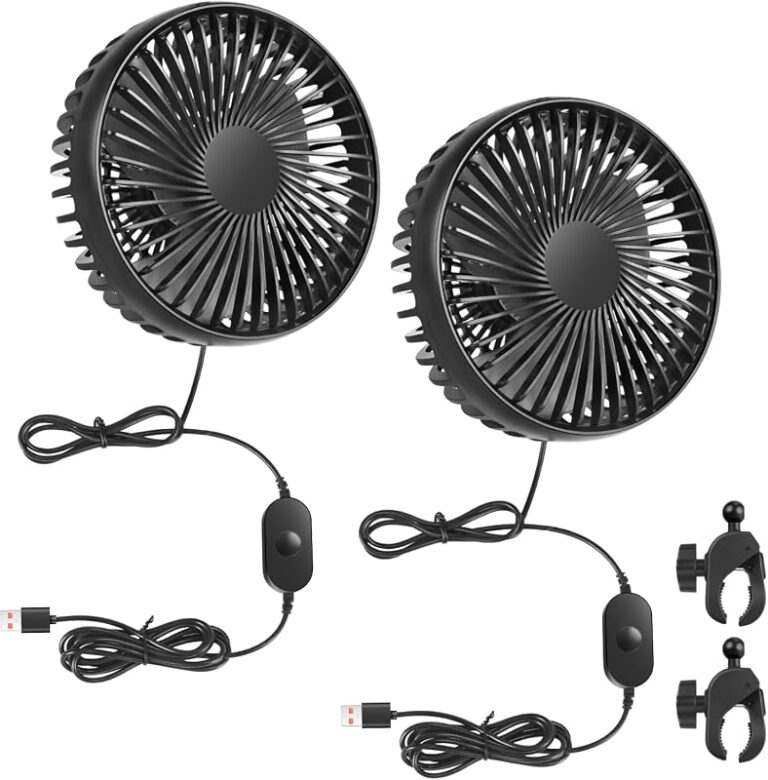
Clip-on fans are popular because they save floor space and can be aimed at a bunk or dinette area. Ceiling-mount or fixed fans can be more convenient if your camper already has an installed location, while rechargeable and 12V fans are often preferred for off-grid use or flexible placement.
Top Buying Criteria for Choosing the Right Pop Up Camper Fan
Before comparing models, focus on the features that matter most in a compact RV environment. In small spaces, the best fan is often the one that balances airflow, noise, stability, and power efficiency rather than chasing the highest possible speed.
Airflow, speed settings, and oscillation for cabin coverage
More speed settings can help you fine-tune comfort at night, especially when one setting is too weak and the next is too strong. Oscillation can improve coverage in a shared sleeping area, but a fixed-direction fan may be better if you only need airflow aimed at one bunk or one person.
- Choose a fan with at least one low setting for sleeping.
- Look for adjustable tilt so you can direct air above the body instead of straight at the face.
- If two people share the space, oscillation may help reduce hot spots.
Power source: 12V, USB, AC, battery, or dual-power options
Power compatibility is one of the biggest differences between camper fans. A 12V fan is often convenient for RV wiring, USB models can work with power banks or USB outlets, AC fans suit shore power setups, and battery or dual-power designs are useful when you want backup flexibility.
- Check compatibility with your camper outlets, battery setup, or power bank.
- Confirm the plug type, cable length, and whether adapters are included.
- Review the manual for rated input, charging instructions, and overnight use guidance.
Noise level, size, weight, and storage footprint
Quiet operation is especially important in a pop up camper because thin walls and small rooms can make motor noise feel louder than expected. A compact fan that folds, clips, or stores flat is usually easier to pack than a bulkier model with a wider base or long stand.
Build quality, mounting stability, and safety features
Look for a sturdy clip, stable base, or secure mount that will not shake loose on uneven campground surfaces. Protective grilles, covered blades, and dependable speed controls matter because a camper has more movement, more foot traffic, and less clearance than a typical room.
Use only the charging cable, adapter, or power source recommended by the manufacturer. Stop using any fan with frayed cords, a loose mount, damaged blades, unusual heat, or a swollen battery.
Best Pop Up Camper Fan Picks by Use Case
Because exact product availability changes, it is often more useful to shop by use case than by brand name alone. The right choice depends on whether you want the easiest all-around option, the quietest sleep setup, or a fan that can run when you are far from hookups.
Best overall for balanced cooling and portability
The best overall pop up camper fan is usually a compact model with multiple speeds, low noise, and either dual power or a flexible 12V/USB setup. That combination works well for most campers because it is easier to place, easier to store, and less likely to feel overpowered in a small interior.
Campers who want one fan that can handle sleeping, daytime airflow, and occasional off-grid use without taking up much space. The main limitation is that “balanced” models may not move as much air as larger high-output fans.
Best quiet fan for sleeping in tight camper spaces
For light sleepers, prioritize a model that emphasizes low-speed smoothness over maximum airflow. The goal is steady circulation without a rattling motor, harsh hum, or vibration that can echo through a small pop up camper at night.
Best budget fan for occasional weekend trips
A budget-friendly fan can be enough if you only camp a few weekends a year and mainly need relief during mild weather. Just be extra careful with build quality, cord length, and mount stability, because lower-cost models may trade away durability or quieter operation.
Best battery-powered fan for off-grid camping
Battery-powered fans are useful when you do not want to depend on campground hookups or when you need ventilation during stops, naps, or evenings away from shore power. Check the charging method, battery replacement availability, and whether runtime claims are based on low speed, because real-world use often differs from the marketing description.
Best clip-on or mountable fan for flexible placement
Clip-on and mountable fans are often the most practical in a pop up camper because they can move from bunk to dinette to doorway as needed. Their main advantage is placement flexibility, but they must be secured carefully so vibration, bumps, or a loose surface do not cause them to fall.
Who Each Fan Type Fits Best: Matching the Fan to Your Camping Style
Different campers have different comfort needs, and the best fan for one setup may be awkward in another. Think about how often you camp, whether you sleep with windows open, and whether your power access is reliable or limited.
Weekend campers and family travelers
Families and casual weekend campers usually benefit from a quiet, easy-to-use fan with simple controls and dependable placement. If more than one person shares the camper, a fan with oscillation or adjustable direction can help make the airflow feel more even across the sleeping area.
Off-grid and boondocking users
Off-grid travelers should focus on low power draw, battery flexibility, and the ability to recharge from a safe, approved source. A fan that offers efficient low-speed performance may be more useful than one with a dramatic top speed that drains power too quickly.
Solo travelers and minimalist setups
Solo campers often prefer a small fan that clips easily, stores quickly, and does not require complicated setup. If you travel light, prioritize portability and simple charging over extra features you may not use.
Campers with limited outlet access or older pop up camper layouts
Older camper layouts can have fewer outlets or awkward sleeping arrangements, which makes cable length and mounting options especially important. In these cases, a dual-power or rechargeable fan can solve placement problems that a standard plug-in fan cannot.
Setup, Placement, and Safe Use in a Pop Up Camper
Good placement can make a modest fan feel much more effective. Poor placement can create dead zones, block walkways, or make the fan seem louder and weaker than it really is.
Best placement for airflow without blocking walkways or sleeping areas
Place the fan where it can move air across the sleeping zone without blowing directly into bedding or into a wall. Often, a slightly elevated angle near a window, vent, or open passage helps circulate air better than placing the fan flat on a floor or shelf.
How to secure clip-on and mounted fans to reduce vibration and falls
Make sure the clamp, bracket, or mount is fully seated on a stable surface before powering the fan. If the camper surface flexes, use the manufacturer’s recommended mounting method and avoid improvised setups that could loosen while the camper is moving or settling.
Select a surface that can support the fan without flexing, slipping, or interfering with bedding and doors.
Keep cables away from foot traffic, sharp edges, hinges, and places where they may be pinched when the camper is folded.
Check for vibration, wobble, or noise before leaving the fan on for a long period.
Safe cable routing, battery handling, and avoiding overheating
Keep cables neat and visible so they are less likely to snag or get crushed. If the fan uses a rechargeable battery, follow the charging instructions closely, avoid damaged chargers or swollen packs, and do not cover the unit while it is charging unless the manual explicitly allows it.
What to check before sleeping with the fan running overnight
Before bed, confirm that the fan is stable, the cable is secure, and the airflow is comfortable enough to run for hours without adjustment. If the fan has an auto-off timer, low-battery alert, or oscillation mode, make sure you understand how it behaves so you are not surprised in the middle of the night.
Real-World Benefits, Limitations, and Common Mistakes to Avoid
A pop up camper fan can greatly improve comfort, but it is still only one part of temperature management. Ventilation, shade, window coverings, and campground conditions all affect how much the fan helps.
When a fan improves comfort and when it cannot replace full AC
A fan is great for moving air, reducing stuffiness, and making warm weather more tolerable. It cannot cool the air the way an air conditioner can, so in very hot or humid conditions it may only make the space more bearable rather than truly cool.
Trade-offs between strong airflow and noise
Stronger airflow often comes with more motor noise, more vibration, or a larger physical footprint. If you are sensitive to noise, it may be better to choose a quieter fan with moderate output and use it in combination with venting and window placement.
Common mistakes: undersized power, poor mounting, and wrong fan placement
One common mistake is buying a fan that looks powerful but does not match the camper’s available power source. Another is mounting it in a spot where it blows into a surface instead of across the room, which can make it feel less effective and more noisy.
Stop using damaged electronics, swollen batteries, frayed cables, overheating chargers, or unstable appliances and follow the manufacturer’s guidance.
Evidence limits: what product specs can tell you versus what they cannot
Manufacturer specs can tell you the fan’s power type, speed settings, dimensions, and claimed airflow, but they do not fully predict comfort in your camper. Real-world performance depends on room layout, sleeping habits, vent use, and whether the fan stays stable during travel and overnight use.
Care, Storage, Maintenance, and Final Recommendation
Simple maintenance helps a camper fan last longer and stay safer to use. Dust, moisture, and storage pressure can all affect performance over time, especially in a vehicle that may sit unused between trips.
Cleaning blades, grills, vents, and battery contacts
Unplug the fan or power it down before cleaning, and use the manufacturer’s cleaning guidance for blades, grills, vents, and battery contacts. A soft brush or dry cloth is usually safer than liquid cleaners unless the manual says otherwise.
Storage tips for off-season camper use and moisture protection
Store the fan in a dry place where the grille and cord will not be crushed. If your camper is exposed to humidity, check for dust buildup, corrosion, or moisture before the next trip, and let the unit dry fully before use if it was stored in a damp environment.
What warranty details, replacement parts, and durability claims to verify
Before buying, confirm the warranty terms, return policy, and whether replacement clips, batteries, adapters, or mounts are available. Those details matter because a fan that is easy to support and service can be a better long-term value than a cheaper model with no parts support.
The best pop up camper fan is the one that fits your power setup, stays quiet enough for sleeping, and mounts securely in your available space. If you camp off-grid, prioritize battery flexibility and low draw; if you mostly use hookups, focus on quiet airflow and a stable, compact design.
Frequently Asked Questions
A compact fan with multiple speeds, low noise, and flexible power options is usually the safest all-around choice. It should fit your layout and power setup without taking up too much space.
Choose the power type that matches how you camp most often. 12V and AC models work well for wired setups, while USB, battery, and dual-power fans are better when you need more flexibility.
There is no single perfect noise level because sensitivity varies, but lower-speed operation and smooth motor sound matter most in small spaces. Look for a fan that stays comfortable on its lowest setting.
Place it where it can move air across the sleeping area without blocking walkways or hitting bedding. A stable, elevated position near a vent or open window often works well.
Check the power source, mounting style, size, cord length, noise level, and safety features. Also confirm the warranty, return policy, and whether replacement parts are available.
No, a fan moves air but does not cool it like AC. It can improve comfort a lot, but in very hot or humid weather it may not be enough on its own.