Flashback Camera Review Best Features and Buying Tips
The Flashback Camera is worth considering if you want a simple smart home camera and can verify the exact model’s app, storage, and power setup. If those details are unclear or the ecosystem fit is weak, a different camera may be the safer buy.
The Flashback Camera can be a practical smart home pick if you want simple monitoring, app-based alerts, and a setup that does not demand a lot of technical tinkering. Whether it is worth buying depends on the exact model, its storage options, app reliability, and how well it fits your home layout and privacy needs.
- Best fit: Renters, pet owners, and small-home users who want easy monitoring.
- Check first: Exact model, app requirements, storage method, and power source.
- Watch for: Subscription costs, weak Wi‑Fi performance, and limited mounting flexibility.
- Long-term value: Good cameras are easy to update, maintain, and place correctly.
Flashback Camera Review: What It Is, How It Works, and Whether It’s Worth Buying in 2026
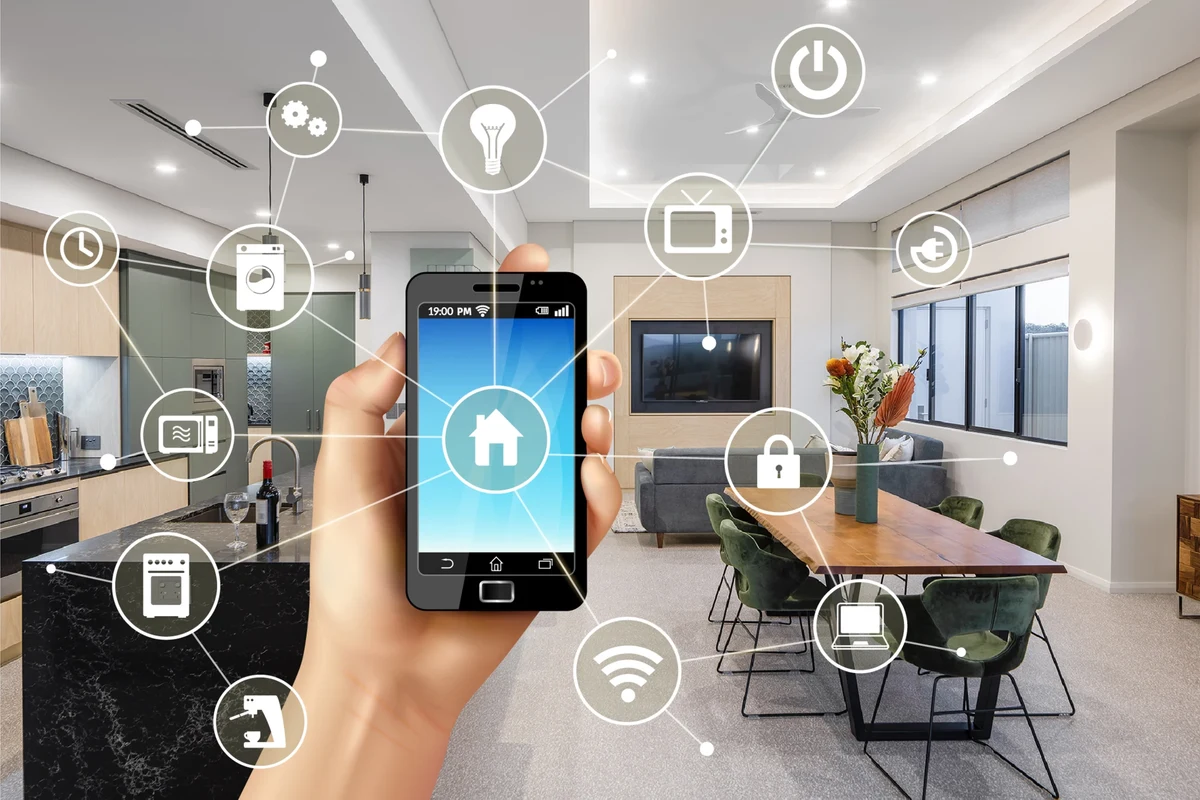
“Flashback camera” is best treated as a product name to verify carefully rather than a one-size-fits-all category. Different sellers and model variants can use similar naming, so the smartest buying approach is to confirm the exact product page, manual, and app listing before you compare features or make a purchase decision.
In a smart home setup, the main question is not just whether the camera records video. It is whether the camera offers dependable connectivity, usable motion alerts, clear enough image quality for your space, and a storage approach that matches how you want to review clips later.
Flashback Camera at a Glance: Main Features, Smart Home Use Case, and Who It Fits Best
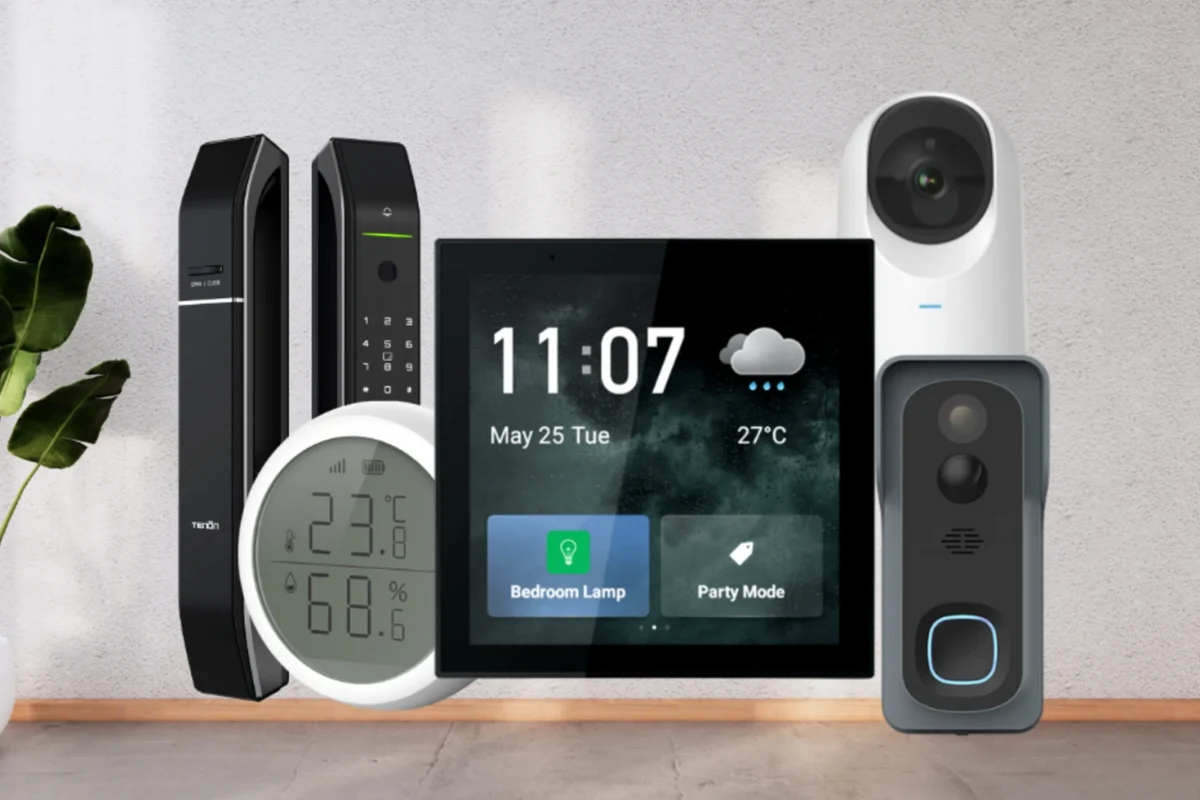
For most buyers, a camera like this is meant to help with everyday awareness: checking entryways, watching pets, monitoring a nursery or home office, or keeping an eye on a rental while you are away. The value comes from convenience and visibility, not from replacing a full home security system.
Because feature sets vary by model, focus on the practical basics first: resolution, night vision, motion alerts, storage, and how easy the app is to navigate. If those essentials are weak, extra features usually do not make up for them.
Ideal users: renters, homeowners, pet owners, and budget-conscious smart home buyers
Renters often benefit from compact cameras with easy installation and minimal wall damage. Homeowners may care more about whether the camera integrates cleanly with the rest of their smart home, while pet owners usually want dependable live view and motion notifications that are not overly sensitive.
Budget-conscious buyers should weigh the total cost, not just the sticker price. A lower upfront price can become less attractive if cloud storage, extra accessories, or app subscriptions are required for the features you actually want.
Buyers who want a straightforward smart home camera for basic monitoring, as long as they verify app quality, storage options, and mounting fit first.
Key decision criteria: video quality, app reliability, storage, and installation ease
Video quality matters most when you need to identify faces, packages, or activity in dim light. App reliability matters because a camera with a clunky or unstable app can be frustrating even if the hardware is decent.
Storage is another major divider. Some buyers want local recording for lower ongoing cost and more control, while others prefer cloud storage for easier remote access and clip history. Installation ease also matters, especially if you are mounting the camera in a tight space or moving it between rooms.
- Check the exact model number, app requirement, and storage method
- Confirm dimensions, mount style, and power source for your room or entryway
- Review warranty terms, return policy, and firmware update support
- Verify privacy settings, notification controls, and compatibility with your router or smart home platform
How the Flashback Camera Works: Setup, Connectivity, App Requirements, and Power Options
Most smart cameras follow the same general pattern: connect the device to power, pair it through a mobile app, link it to Wi‑Fi, and then adjust motion, privacy, and notification settings. The exact steps can vary by firmware version and region, so the official manual should be your first reference.
If the camera supports multiple power or storage options, that flexibility can be useful, but it also makes it more important to verify what is included in the box and what must be purchased separately.
Wi‑Fi compatibility, mobile app pairing, and account setup steps to verify
Check whether the camera supports 2.4 GHz Wi‑Fi, 5 GHz Wi‑Fi, or both. Many smart cameras still rely on 2.4 GHz for setup or connectivity because it can travel farther through walls, but that is not universal, so do not assume compatibility without checking the manual.
The pairing process usually involves downloading the official app, creating an account, scanning a QR code or entering a setup code, and following on-screen prompts. Before buying, verify whether the app is available for your phone, whether it requires a subscription for core features, and whether multi-user sharing is supported if more than one person needs access.
App features, login requirements, and sharing permissions can change with firmware updates or app-store revisions. Confirm the current app listing and support documentation before you rely on any feature for daily use.
Power source, cable quality, rated wattage, and safe-use limits for powered models
Some cameras are plug-in only, while others may use battery power or a hybrid setup. If the model uses a power adapter, check the rated input, connector type, and cable length so you can place the camera where it actually needs to go.
Use only the manufacturer-recommended adapter or a clearly compatible certified replacement. If a cable feels loose, gets unusually warm, or shows fraying, stop using it and replace it according to the manufacturer’s guidance.
Do not cover a powered camera or run a damaged cable under rugs, behind heat sources, or where pets can chew it. If you notice heat, smoke, cracking, or unstable power behavior, disconnect the device and inspect it before using it again.
Specifications to Check Before You Buy: Resolution, Field of View, Dimensions, Storage, and Night Vision
Specifications are where many camera purchases succeed or fail. A camera can look good on paper but still be a poor fit if the field of view is too narrow, the body is too large for the mounting spot, or the storage plan is inconvenient.
Use the spec sheet as a fit check, not just a feature list. The goal is to match the camera to your room, your internet setup, and your tolerance for subscriptions or app complexity.
Physical size, mounting clearance, and placement considerations for indoor or outdoor use
Measure the intended location before you buy. A camera that works well on a tabletop may be awkward on a narrow shelf, and outdoor placement can require more attention to weather exposure, cable routing, and viewing angle.
Placement also affects performance. If the lens points directly at a bright window, a hallway light, or a reflective surface, image quality can suffer. For outdoor use, check whether the model is rated for that environment and whether the manufacturer specifies any limits for rain, dust, or temperature.
Before mounting, hold the camera in the intended position and preview the live view in the app if possible. That helps you catch blind spots, glare, and motion zones that are too wide or too narrow.
Local vs cloud storage, motion detection, and subscription-related trade-offs
Storage is one of the most important long-term buying decisions. Local storage can be appealing for privacy and reduced recurring cost, while cloud storage can make it easier to access clips from anywhere and keep event history even if the camera is damaged or removed.
Motion detection also deserves scrutiny. Some cameras detect people, pets, or vehicles more accurately than others, and sensitivity settings can affect how many false alerts you receive. If advanced detection or longer video history requires a subscription, make sure the free tier still meets your needs before you buy.
Real-World Benefits and Limitations: Security, Monitoring, Alerts, and Everyday Convenience
The biggest benefit of a smart camera is visibility. You can check in on a space quickly, review motion events, and get a better sense of what happened when you were away from home.
That said, smart cameras are only as helpful as their alerts, app stability, and placement. A camera that misses motion, sends too many notifications, or makes playback hard to find can become more annoying than useful.
What the camera does well in a smart home setup
In the right setup, a camera like this can help with package monitoring, pet watching, child-free room checks, and general peace of mind. It can also complement other smart home devices, such as door sensors, smart locks, or a video doorbell, by giving you visual context.
Convenience is another strength. If the app is well designed, you can review clips quickly, adjust zones, and fine-tune alerts without needing a separate hub or complicated installation process.
Motion alerts are often more useful when you narrow detection zones and adjust sensitivity for the room size, lighting, and traffic pattern.
Common drawbacks, evidence limitations, and situations where another model may be better
Because no verified first-hand testing evidence is available here, treat performance claims as model-dependent rather than guaranteed. Real-world results can vary with router strength, wall thickness, app version, and whether the camera is placed indoors or outdoors.
You may want another model if you need wide outdoor coverage, advanced smart home ecosystem integration, or a more established support track record. Buyers who want the least possible maintenance may also prefer a camera with clearer privacy controls, simpler local storage, or a more transparent warranty structure.
- Useful for everyday monitoring and quick app-based checks
- Can fit renters and small-space setups well if the mount and power options are simple
- May offer a lower-friction path into smart home video monitoring
- Exact features may vary by model, app version, or retailer bundle
- Subscription or cloud costs may change the value equation
- Performance can depend heavily on Wi‑Fi quality and placement
Comparison Guide: Flashback Camera vs. Other Smart Home Cameras and Alternative Options
Comparing cameras works best when you use the same criteria across every option: app quality, storage flexibility, image quality, installation effort, and ecosystem compatibility. That approach is more useful than comparing marketing language or a single feature like resolution.
If you are deciding between the Flashback Camera and alternatives, look for the option that reduces friction in your specific home rather than the one with the longest feature list.
Best alternatives for larger homes, broader ecosystems, or lower-cost buyers
Larger homes often benefit from cameras with stronger Wi‑Fi performance, wider coverage, or support for multiple cameras in one app. If you already use a major smart home ecosystem, a model with better platform compatibility may be more valuable than a camera with a few extra standalone features.
Lower-cost buyers should compare total ownership cost, not just hardware price. Some budget cameras look appealing until you factor in storage limitations, subscription requirements, or accessories needed for the right angle and mounting height.
| Option | Best For | Key Consideration |
|---|---|---|
| Flashback Camera | Simple everyday monitoring | Verify app, storage, and exact model details |
| Broader ecosystem camera | Homes already using one platform | Check platform compatibility and feature lock-in |
| Budget local-storage camera | Cost-conscious buyers | Confirm clip access, app quality, and mount quality |
Transparent verdict based on value, features, and long-term usability
The Flashback Camera makes sense if it offers the balance you need between setup simplicity, daily convenience, and acceptable ongoing costs. It is less compelling if the app is weak, storage is restrictive, or the model requires extra purchases to become genuinely useful.
Long-term usability matters more than a flashy spec sheet. A camera that is easy to maintain, update, and place correctly is usually the better smart home buy, even if another model advertises a higher number on the box.
Setup, Care, and Troubleshooting Tips for Safe Long-Term Use
Good setup habits can solve many camera problems before they start. Most issues come from weak Wi‑Fi, poor placement, or app settings that were never adjusted after installation.
Ongoing care is usually simple, but it should still be intentional. Cleaning the lens, checking cables, and keeping firmware current can help the camera stay dependable over time.
Installation mistakes to avoid, including weak signal, poor mounting, and app misconfiguration
Do not place the camera at the edge of Wi‑Fi range and assume it will stay stable. If the live feed lags or alerts arrive late, move the camera closer to the router, add a mesh node if appropriate, or reduce obstacles between the device and the network.
Also avoid mounting the camera where it can shake, tilt, or get blocked by decor. In the app, review motion zones, notification schedules, and privacy modes so you are not missing events or getting unnecessary alerts.
Check Wi‑Fi strength at the intended location before final mounting.
Test the view in the app, then secure the mount once blind spots are minimized.
Set motion sensitivity, alert timing, and privacy controls to match the room.
Maintenance, cleaning, storage, firmware updates, heat inspection, and replacement guidance
Use a soft, dry cloth to clean the lens and exterior as recommended by the manufacturer. Avoid harsh cleaners unless the manual says they are safe, especially around seals, openings, or coated surfaces.
Keep firmware updated through the official app, but only after confirming the update comes from the manufacturer. Periodically inspect the camera, cable, and adapter for heat, wear, or damage, and replace any part that shows signs of failure rather than trying to improvise a fix.
Stop using damaged electronics, swollen batteries, frayed cables, overheating chargers, or unstable devices and follow the manufacturer’s guidance for replacement or service.
Final Buying Recommendation: Is the Flashback Camera the Right Smart Home Pick in 2026?
The Flashback Camera can be a good smart home choice if you want a practical monitoring device and you are willing to verify the exact model details before buying. Its real value depends on whether the app, storage plan, mounting style, and power setup fit your home without adding frustration.
If you need broad ecosystem support, advanced outdoor coverage, or the lowest possible long-term cost, compare alternatives first. If you want a straightforward camera for everyday visibility and the specs check out, it may be a sensible buy.
Best-for summary and what to verify before checkout, including warranty details
Best for renters, pet owners, small-home users, and budget-minded buyers who want simple monitoring and can confirm compatibility in advance. Before checkout, verify warranty length, return policy, app requirements, storage terms, and whether the included accessories are enough for your intended placement.
- Confirm the exact Flashback Camera model before comparing features.
- Prioritize app reliability, storage choice, and installation fit over marketing claims.
- Check power, Wi‑Fi, and mount requirements to avoid setup problems later.
- Choose an alternative if you need stronger ecosystem support or broader coverage.
Frequently Asked Questions
It is best for renters, pet owners, small-home users, and budget-conscious smart home buyers who want simple monitoring. The exact fit depends on the model’s app, storage, and mounting options.
Focus on resolution, field of view, night vision, storage type, and motion detection quality. Also confirm the camera’s dimensions and power needs so it fits your space.
That depends on the exact model and seller bundle. Check whether cloud storage, event history, or advanced alerts require a paid plan before you buy.
Most smart cameras require the official app, an account, Wi‑Fi pairing, and a quick placement check. Setup difficulty varies by app version, router compatibility, and mounting location.
Clean the lens gently, inspect cables and adapters for wear, and keep firmware updated through the official app. If you notice heat, fraying, or instability, stop using the device until it is checked or replaced.
Confirm the exact model number, warranty, return policy, app requirements, storage terms, and included accessories. Also make sure the camera matches your Wi‑Fi, power, and mounting needs.