Ocean Isle Cameras Guide to the Best Views and Spots
Ocean Isle cameras are best used as live visual checks for surf, crowds, and weather before you head out. The most useful feeds are wide, reliable, and easy to open on mobile.
Ocean Isle cameras are usually live webcams placed around the beach, pier, inlet, or marina so you can see real conditions before you leave home. For trip planning, surf checks, fishing, and crowd awareness, they are often more useful than a forecast alone.
- Best use: Live beach and waterfront views help confirm real-time conditions better than forecasts alone.
- Best angles: Beachfront, pier, inlet, and marina cameras each answer different planning questions.
- What to verify: Check image quality, update speed, mobile access, and outdoor durability before depending on a.
- Main limits: Camera angles can miss hazards, and lighting or lag can make conditions look different.
- Smart choice: Use camera feeds with weather apps, tide charts, and official alerts for better decisions.
Ocean Isle Cameras Guide to the Best Views and Spots: What They Are and How to Use Them
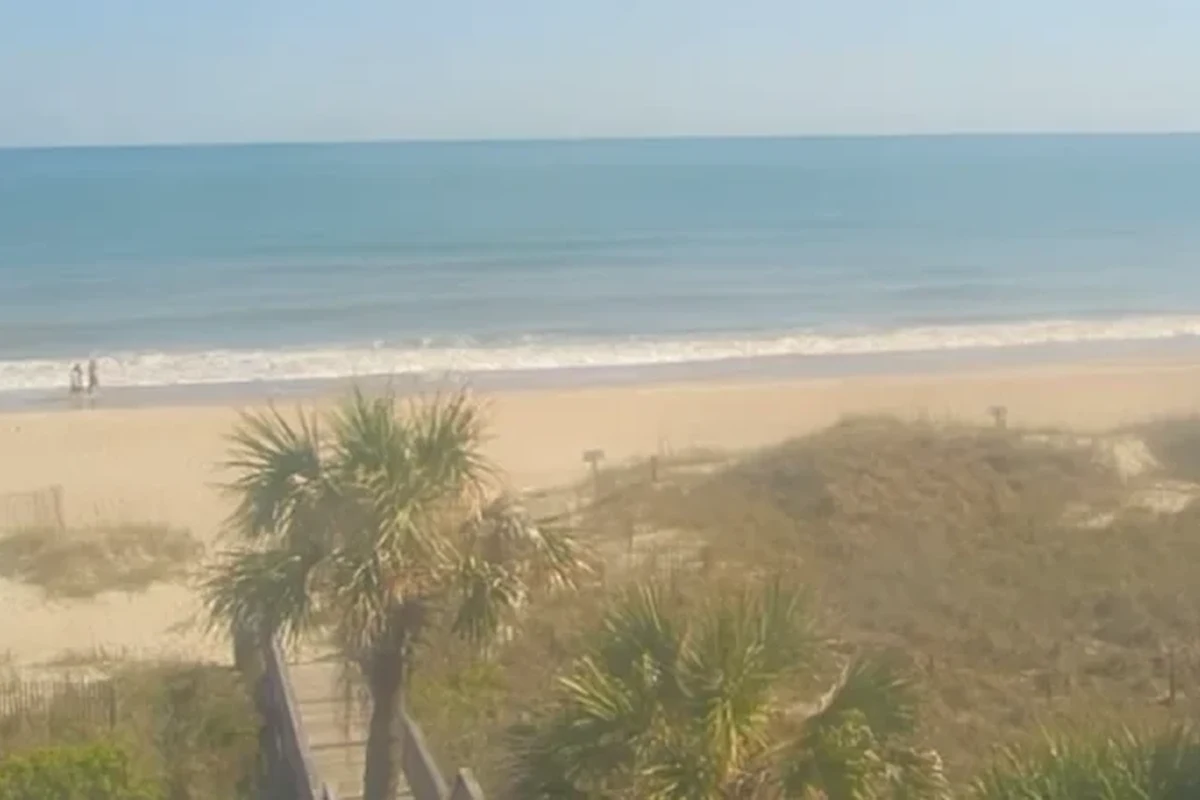
When people search for ocean isle cameras, they usually want a fast way to judge the beach without guessing. A good live feed can show whether the water looks calm or rough, whether the shoreline is busy, and whether the sky and visibility match what the weather app is suggesting.
Quick answer: the best Ocean Isle cameras are the live beach and waterfront webcams that give you real-time surf, weather, and crowd conditions before you go
The most useful Ocean Isle camera feeds are the ones with a clear, wide view of the shoreline or inlet and a stream that updates often enough to reflect current conditions. If the image is sharp, the angle is broad, and the feed loads reliably on your phone, it can save time and help you choose the right beach access point or activity.
How these cameras work, what they show, and why they matter for planning a beach day in 2026
These cameras are typically fixed IP cameras or hosted webcam feeds that send still images or live video over the internet. Depending on the setup, they may be embedded in a website, opened through a browser, or accessed through a smart home platform or camera app.
What they show depends on placement. A beachfront camera may help you judge surf height, wave spacing, and crowd density, while an inlet or marina camera is more useful for boat traffic, water clarity, and wind-driven chop. In practice, the value comes from seeing the scene as it is now, not from relying on a single forecast number.
If you are comparing multiple feeds, open them side by side. A beach camera, inlet camera, and weather radar together usually tell a more complete story than any one source alone.
Best Viewing Spots on Ocean Isle: Where the Cameras Usually Deliver the Most Useful Angles
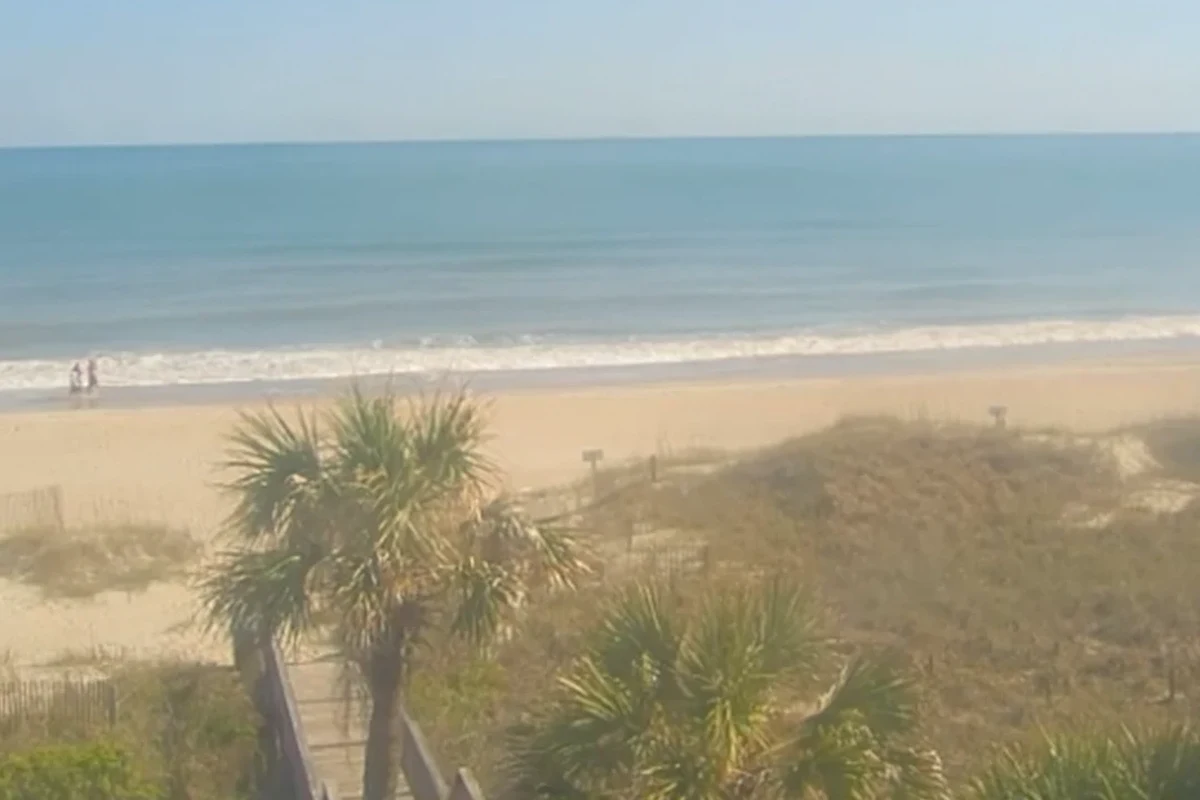
Camera placement matters more than many people expect. A feed that points toward open water can help with surf and weather, while a view that includes access points, parking, or the pier can be better for planning around crowds and activity.
Beachfront, pier, inlet, and marina views: what each location tells you
Beachfront cameras are the best starting point for most visitors because they show the shoreline, wave action, and how crowded the sand looks. Pier views can add a sense of water movement, visibility, and activity near the structure, which is useful for both casual visitors and anglers.
Inlet views are especially helpful when you want to understand current flow, boat movement, and whether the water looks calm enough for a small craft. Marina cameras are more niche, but they can be useful for checking docking conditions, traffic, and general boating activity before launch or pickup.
A wide-angle camera can make a busy beach look less crowded than it really is if people are spread out across the frame, so it helps to watch for movement and density across the whole scene.
How to choose a camera angle based on surf, traffic, fishing, sunrise, or family trip planning
If you care about surf, choose a camera that faces the open water and shows the break zone clearly. If you are planning around traffic or family logistics, a feed that includes access paths, parking areas, or the beach entrance may be more practical.
Anglers usually benefit from inlet or pier views because they reveal water movement and boat presence. Sunrise watchers should look for east-facing views with an unobstructed horizon, while families may prefer a camera that shows a broader stretch of beach so they can estimate how much space is actually available.
Key Features to Check Before Relying on an Ocean Isle Camera Feed
Not every webcam is equally useful. Before you trust a feed for planning, check whether the image is clear, the stream updates often enough, and the camera works well on the device you actually use.
Image quality, field of view, night visibility, and update frequency
Image quality determines whether you can see small details like wave texture, crowd spacing, or flags. Field of view matters because a narrow angle may miss important areas just outside the frame, while a wider view can give better context but less detail at a distance.
Night visibility is worth checking if you want early morning or evening information, but low light often reduces usefulness. Update frequency also matters: a feed that refreshes slowly may be fine for general planning, but it is less reliable when conditions are changing quickly.
Connectivity, app or browser access, and whether the stream works well on mobile
Many ocean isle cameras are easiest to use through a browser, but some are also supported in an app or embedded in a local tourism or property site. If you plan to check the feed on your phone before heading out, make sure the stream loads cleanly on mobile data and does not require extra plugins or logins.
Connection stability matters too. A feed that buffers, freezes, or fails to load during busy hours is less useful than a simpler stream that opens reliably every time.
Dimensions, mounting style, weather resistance, and maintenance needs for smart home setups
If you are thinking about installing a camera rather than just viewing one, the physical setup matters. Check the mounting style, cable routing, power source, enclosure, and whether the camera is designed for outdoor use in salt air, wind, heat, and humidity.
For smart home setups, maintenance is part of the decision. Outdoor lenses need cleaning, mounts can loosen over time, and weather exposure can shorten the life of cables or seals if the equipment is not rated for the environment.
Do not install or adjust outdoor cameras in unsafe weather, on unstable ladders, or near exposed electrical components. Follow the manufacturer’s installation instructions and local safety guidance.
Who Ocean Isle Cameras Are Best For in 2026
These feeds are not just for beachgoers. They can help a wide range of people make better decisions with less guesswork, especially when plans depend on weather, visibility, or crowd levels.
Beachgoers, anglers, boaters, rental hosts, homeowners, and travel planners
Beachgoers can use live views to decide when to leave, which access point to use, and whether the shore looks comfortable for kids or older family members. Anglers and boaters may care more about current, chop, and traffic near the pier or inlet.
Rental hosts and homeowners can use camera feeds for general property awareness when permitted by law and privacy rules, while travel planners may use them to compare busy and quiet times before booking a day trip. For anyone coordinating a group, the visual confirmation can reduce back-and-forth messages.
When a live camera is more useful than a weather app or tide chart alone
Weather apps are great for forecasts, and tide charts are useful for timing, but neither tells you exactly what the shoreline looks like right now. A live camera can confirm whether the beach is crowded, whether the surf matches expectations, or whether the sky has already changed.
That said, the camera should complement, not replace, official weather alerts, marine forecasts, and local advisories. The best planning comes from combining visual confirmation with trusted forecast data.
- Use a camera feed first for “what does it look like right now?” and a forecast for “what may happen later?”
- Check the same view at different times of day to learn its usual lighting and crowd patterns.
- Save the most useful feeds in your browser or phone shortcuts so they are easy to open quickly.
Benefits and Real-World Uses of Ocean Isle Cameras
The biggest advantage of ocean isle cameras is simple: they reduce uncertainty. Instead of guessing from a forecast alone, you can see whether the beach is calm, busy, hazy, or changing fast.
Checking crowd levels, surf conditions, visibility, parking pressure, and storm changes
Live feeds are especially helpful for crowd checks because they show whether the beach is packed, lightly used, or somewhere in between. They also help with surf and visibility, which can matter a lot for swimming, photography, shelling, and water sports.
Some cameras may indirectly help you judge parking pressure if the image includes access roads or nearby lots, though that depends on the angle. During storms or fast-moving weather, a camera can provide a quick visual update on cloud cover, rain bands, and changing water conditions.
Using camera feeds to save time, reduce guesswork, and plan safer outings
For many people, the practical benefit is time savings. If the beach looks too crowded or the weather has already turned, you can adjust plans before driving over, which is especially useful for families or visitors on a tight schedule.
Safety is another reason to check a live feed. A camera cannot replace official warnings, but it can reinforce the decision to avoid rough water, low visibility, or unstable conditions when the scene clearly does not match your original plan.
- Use live camera views to confirm real-time beach, surf, and crowd conditions.
- Match the camera angle to your goal: beach, pier, inlet, marina, or sunrise viewing.
- Combine camera feeds with forecasts, tide charts, and official alerts for better planning.
Limitations, Common Mistakes, and Evidence Gaps to Keep in Mind
Ocean Isle cameras are helpful, but they are not perfect evidence. A good-looking image can still hide hazards, miss nearby conditions, or lag behind what is happening in real life.
Why camera angles can miss hazards, why lighting can distort conditions, and why feeds may lag
A camera only shows one slice of the coast, so it may miss rip currents, submerged debris, or rough water just outside the frame. Lighting can also distort what you see; glare, shadows, haze, and rain can make conditions look better or worse than they really are.
Feeds may lag because of network issues, refresh intervals, or hosting delays. That means a scene that looks calm could already be changing by the time you arrive.
Common user mistakes: overtrusting one view, ignoring local alerts, and misreading weather from a static image
One common mistake is relying on a single camera and assuming it represents the entire beach or inlet. Another is ignoring local advisories, flag warnings, or marine notices because the image looks inviting.
People also misread still images, especially when the camera updates slowly. A static frame can make it hard to tell whether waves are rising, the wind has shifted, or the beach is simply between updates.
Transparent evidence limits: what a camera can confirm and what it cannot
A camera can confirm visible conditions: crowd density, water appearance, general surf shape, sky cover, and whether an area is open and active. It cannot reliably confirm underwater hazards, exact current strength, or future weather changes.
For that reason, the most trustworthy approach is to treat camera feeds as one input among several. If safety matters, official weather and local guidance should carry more weight than a single visual snapshot.
Stop relying on a feed if the image is frozen, badly distorted, or obviously outdated. Verify conditions with official alerts, local signage, or another current source before making a safety decision.
Safety, Setup, and Maintenance Tips for Smart Home Camera Users
If you are installing or managing a camera for Ocean Isle or a similar coastal location, the smart home basics matter as much as the view. Good placement, stable power, and routine care help the camera stay useful longer.
Basic setup checklist: power source, mounting location, app requirements, Wi-Fi connectivity, and placement
- Check compatibility, model number, app requirements, dimensions, ports, wattage, and intended use
- Confirm safety guidance, warranty, return policy, privacy settings, and update support
Start with the power source, because outdoor cameras may use wired power, PoE, a battery, or another setup depending on the model. Then confirm the mounting location has a clear view, enough protection from direct salt spray, and a path that keeps cables secure and out of the way.
Wi-Fi strength is also important. A camera that is too far from the router or blocked by walls may drop connection at the worst times, so placement should balance view quality with signal reliability.
App requirements, cloud storage options, firmware updates, and remote viewing features vary by model and may change after purchase. Check the current manual and app listing before you install.
Safe use and care: cleaning lenses, checking cables, inspecting mounts, replacing worn parts, and protecting equipment from salt air
Coastal environments are tough on electronics. Salt air, moisture, sand, and UV exposure can all affect lenses, seals, mounts, and cables, so periodic inspection is important even if the camera seems to be working normally.
Clean the lens gently according to the manufacturer’s instructions, look for corrosion or cracks, and replace worn cables or damaged mounts promptly. If a unit shows overheating, frayed wiring, or water intrusion, stop using it and follow the maker’s guidance.
Warranty details, storage considerations, and what to verify before buying or installing
Before you commit to a camera, verify warranty terms, return policy, update support, and whether the model is intended for indoor or outdoor use. If the camera will be moved seasonally, also check storage needs, including whether the device should be removed, dried, and packed in a protective case.
For smart home buyers, the safest habit is to read the official manual and compatibility list before mounting anything permanently. That is especially important when the camera depends on a specific app, subscription, or network setup that may vary by region or firmware.
Final Recommendation: How to Choose the Right Ocean Isle Camera View for Your Needs
The right Ocean Isle camera is the one that answers your specific question clearly and reliably. For most people, that means choosing the widest useful live view with stable access on mobile, then pairing it with forecasts and local alerts.
Best choice by use case: casual beach viewing, trip planning, fishing, boating, or home monitoring
For casual beach viewing and family trip planning, choose a beachfront camera with a broad shoreline view and easy mobile access. For fishing, an inlet or pier camera is usually more informative because it shows movement, water texture, and nearby activity.
For boating, marina and inlet views are often the best fit, while homeowners or rental hosts should focus on placement, privacy, weather resistance, and maintenance requirements. If your main goal is sunrise or scenery, prioritize an east-facing camera with minimal obstructions.
Value verdict: when Ocean Isle cameras are worth using, and when another source is the better option
Ocean Isle cameras are worth using when you want a fast visual check before leaving home, especially for beach days, water activities, or crowd-sensitive plans. They are less useful when the feed is poor quality, outdated, or too narrow to show the area you care about.
If the camera cannot load reliably or does not show the right angle, a weather app, tide chart, radar map, or official local advisory may be the better source. The best results come from using live views as a practical layer of confirmation, not as the only decision tool.
Frequently Asked Questions
They are usually live beach or waterfront webcams that help you check surf, crowd levels, and weather conditions before you go. They are most useful as a real-time visual check alongside forecasts and tide charts.
A wide beachfront view is usually best because it shows shoreline activity, surf, and how crowded the beach looks. If you care about boats or fishing, an inlet or pier view may be more useful.
No. A camera can show current visible conditions, but it cannot reliably predict future weather or confirm hazards outside the frame.
Check image clarity, viewing angle, refresh speed, and whether the feed works well on your phone. If the camera is for installation, also verify power, Wi-Fi, mounting, and weather resistance.
Yes, especially inlet, pier, and marina views, which can help you judge water movement and nearby traffic. They still should be paired with marine forecasts and local advisories.
They can miss hazards outside the frame, be affected by glare or low light, and sometimes lag behind real conditions. Treat them as one planning tool, not the only source of truth.