AnySun Sewer Camera Review for Clear Pipe Inspections
The AnySun sewer camera is a practical choice for occasional home pipe inspections if the exact model specs match your needs. It is most useful for reducing guesswork on clogs, but it is not a substitute for pro-grade equipment on demanding jobs.
If you need a practical way to inspect drains and sewer lines without immediately calling a plumber, the AnySun sewer camera can be a useful entry-level tool. It is most appealing for homeowners and DIY users who want to see what is happening inside a pipe before deciding on the next repair step.
- Best fit: Homeowners and DIY users who need occasional drain or sewer line checks.
- Buyer’s priority: Verify cable length, camera diameter, lighting, and power details before ordering.
- Main value: Helps identify buildup, roots, cracks, and standing water before calling a plumber.
- Main trade-off: Budget sewer cameras may struggle in muddy water, tight turns, and long runs.
- Safety reminder: Stop using damaged cables, dim lights, or unstable chargers and follow the manual.
AnySun Sewer Camera Review: What It Is and Whether It’s Worth Buying
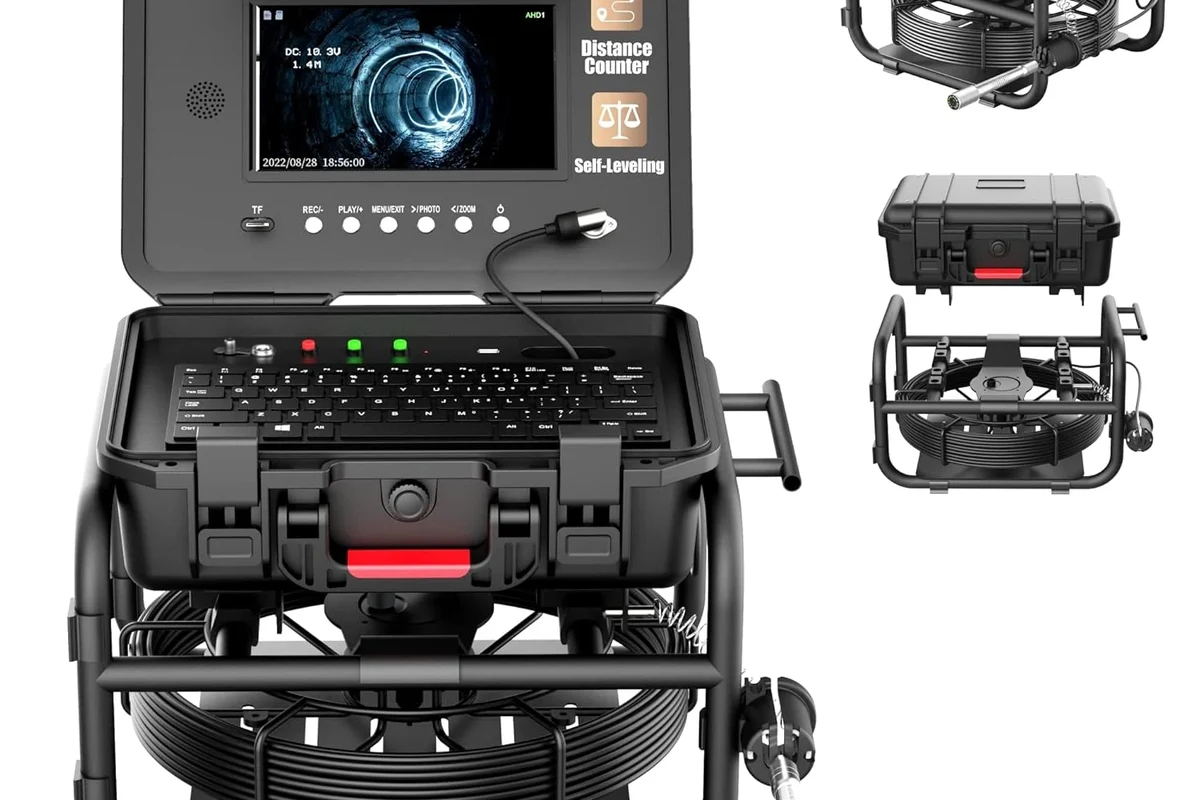
The AnySun sewer camera is part of a category of inspection tools designed to help you look inside pipes, drains, and other hard-to-see plumbing runs. In simple terms, it pairs a camera on a flexible cable with a monitor so you can identify clogs, buildup, or visible damage without opening walls or guessing blindly.
Quick verdict for homeowners, DIYers, and light-duty plumbing inspections
For light-duty home maintenance, this type of camera can be worth considering if you want better visibility into recurring drain problems. It makes the most sense for people who need occasional inspections rather than a heavy professional workload.
What this review can and cannot verify in 2026
This article does not claim first-hand testing of the AnySun sewer camera. Instead, it explains how sewer cameras in this class generally work, what specifications matter, and what you should verify on the official product listing, manual, and warranty page before buying.
Model names, cable lengths, screen sizes, waterproof ratings, battery details, app support, and included accessories can vary by retailer, bundle, or firmware version. Confirm the exact version you are considering.
How the AnySun Sewer Camera Works for Pipe and Drain Inspections
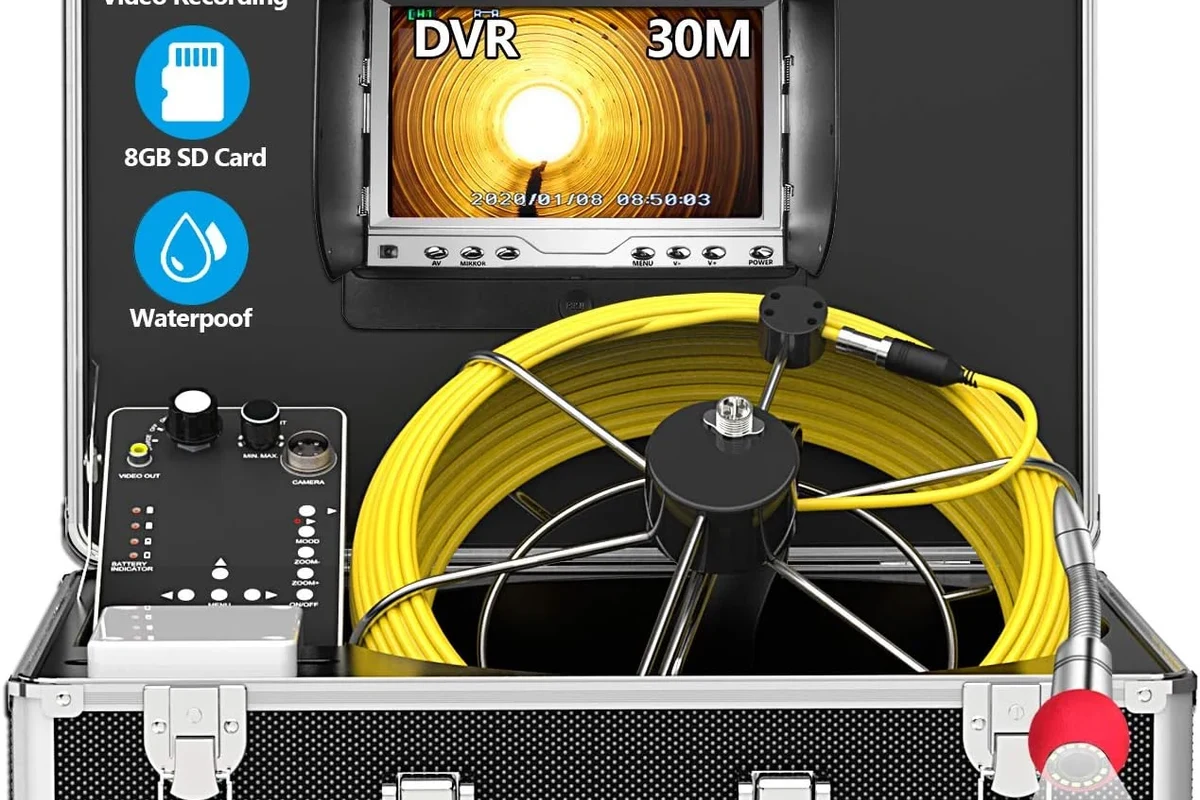
A sewer camera is basically a small inspection system made for confined, wet, and dirty spaces. The camera head goes into the pipe, the cable carries the image back to a screen, and built-in lights help illuminate dark sections so you can see what is blocking flow.
Camera head, cable, monitor, and light system explained
The camera head is the most important part because it determines how well the image can handle dim, reflective, or muddy conditions. The cable or push rod lets you guide the lens through the line, while the monitor shows the live feed and may include controls for brightness or recording, depending on the model.
LED lights are especially important in sewer and drain work because most pipes are too dark for a standard camera to see anything useful. If the lighting is weak or uneven, the image can look washed out, which makes it harder to identify cracks, roots, grease buildup, or standing water.
Typical inspection workflow from insertion to locating blockages
Start with a clean access point such as a drain opening or cleanout, and make sure the area is safe and dry enough to work in.
Feed the camera forward gently so you can watch the image and avoid forcing the head through tight bends or debris.
Look for standing water, heavy buildup, root intrusion, offset joints, or visible damage as the camera advances.
If the model supports it, note the distance or location so a plumber can target the problem more efficiently later.
Where it fits in smart home maintenance and home repair routines
Even though a sewer camera is not a connected smart-home device in the usual sense, it still fits neatly into a preventive maintenance routine. It can help homeowners check plumbing before a leak becomes a larger repair, especially in older houses with frequent drain issues or unpredictable line conditions.
Many drain problems are easier to diagnose when you can see whether the issue is a soft clog, a root intrusion, or a structural pipe problem.
Key Specifications to Check Before You Buy
Because sewer cameras are often sold in bundles with different accessories, the exact spec sheet matters more than the brand name alone. The best choice is the one that matches your pipe access, your typical run length, and how much visibility you need in low-light conditions.
Cable length, cable stiffness, and push distance
Cable length determines how far you can inspect from the access point, but usable reach also depends on stiffness and how easily the cable can be guided through bends. A longer cable is not automatically better if it is too floppy to push through a real plumbing run.
Screen size, image resolution, and visibility in low-light pipes
The monitor size affects comfort, especially if you want to inspect for more than a few minutes. Image resolution and lighting quality matter just as much, because a large screen still looks poor if the camera cannot handle dark, wet pipe interiors clearly.
Waterproof rating, camera diameter, and compatibility with pipe sizes
Water resistance is essential for any sewer camera, but the exact rating should be checked in the official documentation rather than assumed. Camera diameter also matters because a head that is too large may have trouble entering narrow drains or tight plumbing passages.
Battery life, power source, and safe charging limits
Some sewer cameras use built-in batteries, while others rely on external power. If the model is rechargeable, verify the charging method, the rated adapter requirements, and the manufacturer’s guidance for safe charging, especially if the unit will be used in damp utility spaces.
Do not charge damaged batteries, swollen devices, or units with frayed cables. If the camera, charger, or connector shows heat, odor, cracking, or instability, stop using it and follow the manufacturer’s instructions.
Build quality, storage case, and included accessories
For this category, build quality affects how well the cable survives repeated bending, cleaning, and storage. A sturdy case, spare accessories, and a clear manual can make the tool much easier to keep in working condition over time.
- Camera head and cable assembly
- Monitor or display unit
- Charging cable or power adapter, if included
- Hooks, magnets, or accessory attachments, if listed
- User manual and warranty information
Who the AnySun Sewer Camera Fits Best
This kind of camera is not for everyone, but it can be a smart purchase for the right user. The key question is whether you need occasional visibility into plumbing problems or a more rugged tool for frequent professional use.
Homeowners handling recurring clogs or preventive inspections
Homeowners with older plumbing, recurring slow drains, or unexplained backups are often the best fit for a sewer camera in this class. It can help you decide whether the issue is minor enough for DIY cleaning or serious enough to call a plumber.
DIY users versus professional plumbers
DIY users usually benefit most when they want a straightforward, affordable way to inspect a line before taking action. Professional plumbers, on the other hand, often need longer reach, stronger cable handling, better image quality, and more durable hardware for daily work.
Homeowners and DIY users who need occasional pipe inspection and want a practical way to reduce guesswork before repairs.
Best use cases for drains, sewer lines, and hard-to-see plumbing runs
These cameras are typically most useful in sink drains, floor drains, main line access points, and other plumbing paths where the issue is hidden from view. They are also helpful when you need to confirm whether a clog is caused by buildup, damage, or a foreign object.
When a rental unit or pro-grade camera may be the better choice
If you only need one inspection, renting a professional camera may be more economical than buying. A pro-grade model may also be the better choice if you need longer cable reach, better image clarity, or repeated use across multiple properties.
Real-World Benefits and Practical Use Value
The biggest value of a sewer camera is not just seeing inside a pipe. It is making the next decision more accurately, which can save time, reduce unnecessary guesswork, and help you avoid opening the wrong section of plumbing.
Finding blockages, cracks, roots, and buildup faster
A camera can help distinguish between common causes of drainage problems. Grease buildup, sediment, root intrusion, and visible cracks all suggest different repair paths, which is why visual confirmation is often more useful than guessing based on symptoms alone.
Reducing guesswork before calling a plumber
If you can show a plumber where the blockage appears to be, you may shorten diagnostic time and avoid paying for broad exploratory work. Even if you still need professional help, the camera can make the conversation more specific and efficient.
How inspection footage can support repair decisions
Footage or still images can help you compare conditions before and after cleaning, snaking, or other maintenance. That record can be useful when deciding whether a problem is temporary or whether the line may need more serious attention.
Value for routine maintenance in older homes
Older homes often benefit from periodic plumbing checks because pipes may have more buildup, aging joints, or previous repairs that are not visible from the outside. A sewer camera can be part of a sensible maintenance routine if you want early warning before a small issue becomes a larger one.
- Inspect after slow-drain symptoms instead of waiting for a full backup.
- Keep notes on where a problem appears so future checks are easier.
- Use the camera as a diagnostic tool, not a substitute for safe plumbing practice.
Limitations, Trade-Offs, and Common Mistakes
Like most budget inspection tools, the AnySun sewer camera class has trade-offs. Understanding those limits helps you avoid disappointment and choose the right expectations for the job.
Visibility issues in muddy water, sharp turns, or long runs
Camera performance can drop quickly in cloudy water, greasy residue, or pipes with multiple tight bends. Long runs also reduce usability if the cable is difficult to steer or if the image becomes harder to interpret at distance.
What budget sewer cameras usually lack compared with premium models
Lower-cost units often skip advanced features such as higher-end image sensors, more rugged cable construction, better distance tracking, or professional locating tools. That does not make them useless, but it does mean they are usually best for lighter, less demanding work.
Common user errors: forcing the cable, poor cleaning, and weak lighting checks
One of the most common mistakes is pushing too hard when the cable meets resistance. Another is putting the camera away without cleaning it properly, which can shorten its life and make the lens harder to use next time.
If the image suddenly turns dark, blurry, or unstable, stop and inspect the lens, lighting, cable, and connector before continuing. Forcing a damaged setup can worsen both the tool and the plumbing access point.
Evidence limits: why results can vary by pipe condition and operator skill
Even a good sewer camera can produce different results depending on the pipe’s condition, how much water is present, and how carefully the operator feeds the cable. That is why reading user experiences can help, but they should not replace the official specs and manual for the exact model you plan to buy.
Safe Setup, Use, and Maintenance Guide
Good care matters because sewer cameras are exposed to water, grime, and repeated bending. Safe handling also helps preserve image quality and reduces the chance of damaging the cable or the pipe access point.
Pre-use checks: cable inspection, lens cleaning, and battery verification
Before each use, inspect the cable for kinks, cuts, or weak spots and make sure the lens is clean enough to produce a usable image. If the model is battery powered, confirm that it is charged according to the manufacturer’s instructions and that the charger matches the device.
Safe insertion practices to avoid damaging the camera or plumbing
Insert the cable slowly and avoid twisting it aggressively through tight bends. If you hit resistance, pause and reassess rather than forcing the head forward, because both the camera and the pipe can be damaged by excessive pressure.
Work in short advances so you can watch the screen continuously. Small movements make it easier to spot changes in the pipe and reduce the chance of jamming the cable.
Cleaning after use, drying, and storage recommendations
After the inspection, wipe down the camera head and cable, then let everything dry fully before storing it. A dry, organized case helps protect the monitor, cable, and connectors from unnecessary wear between uses.
Replacement guidance for worn cables, dim lights, or damaged connectors
If the cable becomes stiff, frayed, or unreliable, replacement is usually safer than continued use. The same applies to dim lights, loose connectors, or a monitor that no longer displays a stable image, especially if the manufacturer offers approved replacement parts.
Warranty details to verify before purchase
Before buying, check the warranty length, what it covers, and whether accessories are included under the same terms. It is also worth confirming return policy details and whether the seller or manufacturer handles service claims, since that can affect support quality later.
- Check the exact model number and bundle contents
- Confirm cable length, camera diameter, and power requirements
- Review the manual, warranty, and return policy
- Verify charging safety, cleaning guidance, and storage instructions
Final Recommendation: Is the AnySun Sewer Camera a Smart Buy in 2026?
The AnySun sewer camera looks best suited for homeowners and DIY users who want a practical, occasional-use inspection tool rather than a premium professional system. If your goal is to diagnose recurring drain issues, document visible problems, and reduce guesswork before calling a plumber, it can be a sensible option as long as the exact specs match your plumbing needs.
Best-fit buyer profile and purchase decision summary
Choose it if you want a straightforward camera for light-duty inspections, especially in homes with recurring clogs or older plumbing. Skip it if you need heavy daily use, very long cable reach, or advanced imaging features that are more common in professional-grade units.
Alternatives to consider if you need longer cable reach or pro-level image quality
If your line is especially long, difficult, or prone to severe blockage, consider a rental unit or a higher-end inspection camera with verified reach and stronger cable handling. That route may cost more upfront, but it can be the better choice for demanding jobs or one-time diagnostics.
Transparent verdict on value, reliability, and overall usefulness
The AnySun sewer camera can be a useful, budget-conscious inspection tool if you verify the exact model details before buying and keep expectations realistic. Its value depends less on hype and more on whether the cable reach, image quality, and build quality match the kind of plumbing problems you actually need to inspect.
Frequently Asked Questions
It is best for homeowners and DIY users who need occasional pipe inspections. It is less ideal for frequent professional use or demanding long-run inspections.
Cable length, cable stiffness, camera diameter, screen visibility, waterproof rating, and power source are the main checks. Confirm the exact model details in the official listing and manual.
Yes, it can help show whether the problem is buildup, roots, standing water, or visible damage. That can make it easier to decide whether DIY cleaning or a plumber is the next step.
Budget models may have weaker image quality, shorter practical reach, and less durable cables than premium units. Results also vary depending on pipe condition and how carefully the camera is operated.
Wipe the camera and cable after use, let everything dry fully, and store it in a protective case if one is included. Avoid putting away a wet unit or a cable that is kinked or damaged.
Buy it if you expect repeated light-duty inspections and want a convenient home tool. Rent or choose a pro-grade model if you need longer reach, stronger durability, or higher image quality for a difficult line.