Can O2 Sensor Cause Car to Jerk
Yes, a bad O2 sensor can make a car jerk, but it is often only one possible cause. The best first step is to scan for codes and check live data before replacing parts.
Yes—an oxygen sensor can contribute to jerking, hesitation, or surging, but it is not the only likely cause. In many cars, an O2 sensor problem shows up alongside fuel trim issues, misfires, or exhaust leaks, so the real fix starts with diagnosis rather than guessing.
- Upstream matters most: The front O2 sensor has the biggest effect on fuel mixture and drivability.
- Jerking is not specific: Misfires, vacuum leaks, fuel issues, and transmission faults can feel the same.
- Scan before replacing: OBD2 codes and live fuel trims help confirm whether the sensor is really the.
- Fit is critical: Match the exact sensor position, connector, and engine application before buying a replacement.
Can an O2 Sensor Cause a Car to Jerk? Quick Answer and What’s Really Happening
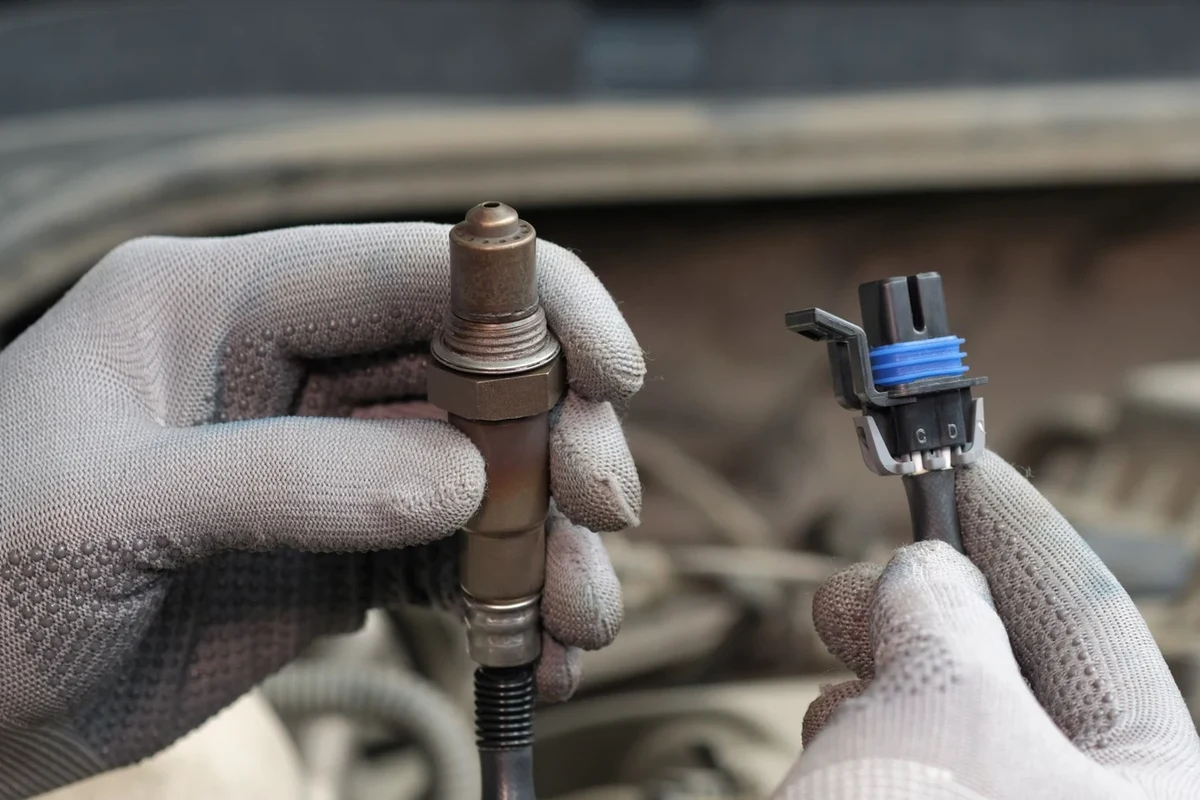
An oxygen sensor can cause a car to jerk if it sends inaccurate signals to the engine computer. That can make the engine run too rich or too lean, which may lead to hesitation, uneven acceleration, or a surging feel.
That said, jerking is a broad symptom. Spark issues, fuel delivery problems, vacuum leaks, dirty mass airflow readings, and transmission faults can feel similar, so the O2 sensor should be treated as one possible cause—not the default answer.
How an O2 Sensor Works in 2026 Fuel-Injected Cars
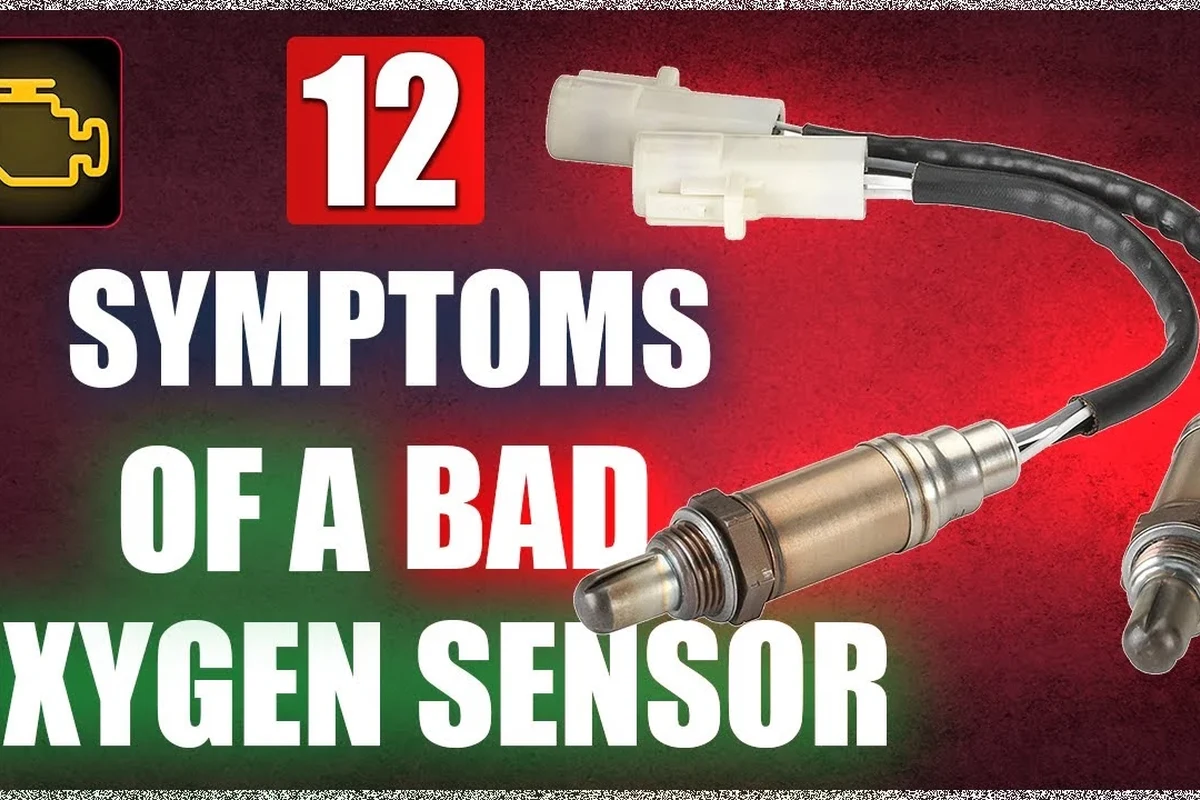
An O2 sensor measures oxygen content in the exhaust so the engine control unit can fine-tune the air-fuel mixture. In modern fuel-injected vehicles, that feedback helps the engine stay efficient, reduce emissions, and maintain smoother drivability.
Upstream vs. downstream O2 sensors
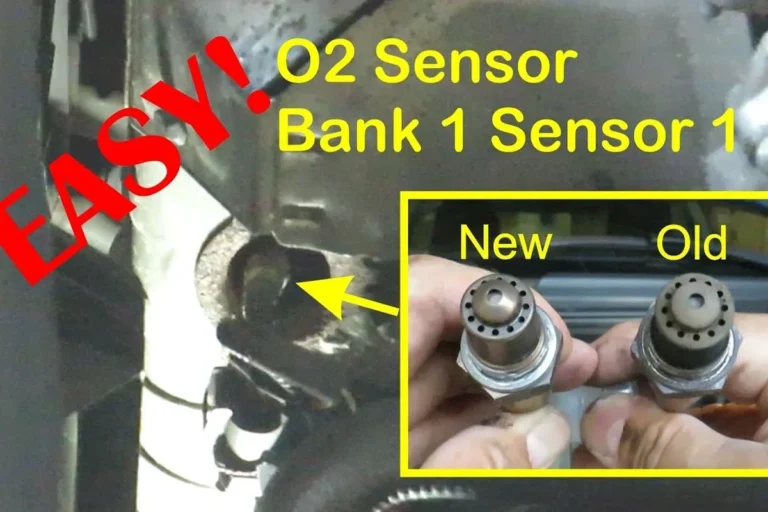
Upstream sensors sit before the catalytic converter and are the main sensors used for fuel control. Downstream sensors sit after the catalytic converter and are mainly used to monitor catalyst performance, so they usually do not control mixture as directly.
Sensor layout varies by engine, model year, and emissions package. Always confirm the exact sensor position in the service manual or parts catalog before ordering a replacement.
How the sensor affects air-fuel mixture and drivability
If an upstream O2 sensor reads too slowly, too lean, or too rich, the computer may overcorrect. Those corrections can create a noticeable stumble, especially during throttle changes, light cruising, or stop-and-go traffic.
When the sensor is only slightly degraded, the car may still run, but not smoothly. That is why people often notice jerking before they notice a major drivability failure.
Common Symptoms That Link O2 Sensor Problems to Jerking
Jerking from an O2 sensor problem usually comes with other clues. The symptom pattern matters more than the jerk itself.
Jerking during acceleration, cruising, or idle
A bad upstream sensor may cause hesitation when you press the accelerator, a surging feeling at steady speed, or an unstable idle. The jerk may be intermittent because sensor readings can drift with temperature, load, and driving conditions.
If the jerk is strongest during hard acceleration, the cause may also involve fuel pressure, ignition, or airflow issues rather than the sensor alone.
Check engine light, rough idle, poor fuel economy, and hesitation
Common related symptoms include a check engine light, rough idle, reduced fuel economy, and a delayed response when you ask for power. Trouble codes such as mixture, sensor heater, or misfire codes can help narrow the cause, but they do not always mean the sensor itself is bad.
An O2 sensor often reacts to engine problems rather than causing them. For example, a vacuum leak can make the sensor report a lean condition even when the sensor is working correctly.
When an O2 Sensor Is the Cause vs. When It Is Not
The O2 sensor is more likely to be the cause when the engine runs better after the sensor signal is corrected or replaced and the live data clearly shows abnormal behavior. It is less likely to be the cause when the sensor is only reporting a problem created elsewhere in the engine.
Fuel delivery issues, spark problems, vacuum leaks, and transmission faults
Low fuel pressure, clogged injectors, worn spark plugs, failing coils, intake leaks, exhaust leaks before the sensor, dirty throttle bodies, and transmission shudder can all feel like jerking. Each of these can also influence fuel trims, which is why they are easy to confuse with O2 sensor trouble.
- Easy to check with scan data before replacing parts
- Can directly affect mixture and smoothness when the upstream sensor fails
- Often blamed for symptoms caused by other engine faults
- Replacing it without diagnosis can waste time and money
How to avoid misdiagnosis and wasted parts replacement
Start with the code, then confirm the data. A code alone is not proof, and a jerking feel alone is not enough to justify a sensor replacement.
If the engine has misfire codes, fuel trim extremes, or obvious vacuum or exhaust leaks, fix those first. Otherwise, you may replace a good O2 sensor and keep the same drivability problem.
How to Diagnose the Problem Safely and Accurately
For most drivers, the safest and most reliable first step is an OBD2 scan. That gives you a clearer picture of whether the sensor is reacting normally or sending misleading information.
Using an OBD2 scanner and live data to spot sensor behavior
Read stored and pending trouble codes, then look at live data while the engine warms up and while you lightly rev or cruise the car. A healthy upstream sensor should generally respond quickly to mixture changes, while a lazy or stuck sensor may move slowly or stay fixed.
Use a scanner that shows live fuel trim and O2 sensor data, not just basic code numbers. That makes it much easier to separate a bad sensor from a bad engine condition.
Reading fuel trims, voltage patterns, and trouble codes
Fuel trims tell you how hard the computer is working to correct the mixture. Large positive trims can suggest a lean condition, while large negative trims can suggest a rich condition, but the cause may be a leak, fuel issue, or sensor error.
On many vehicles, narrowband O2 sensors switch voltage rapidly once warm, while wideband sensors report mixture differently. Because sensor type varies, check the service information for your exact engine before judging the data.
Visual inspection for wiring damage, exhaust leaks, and contamination
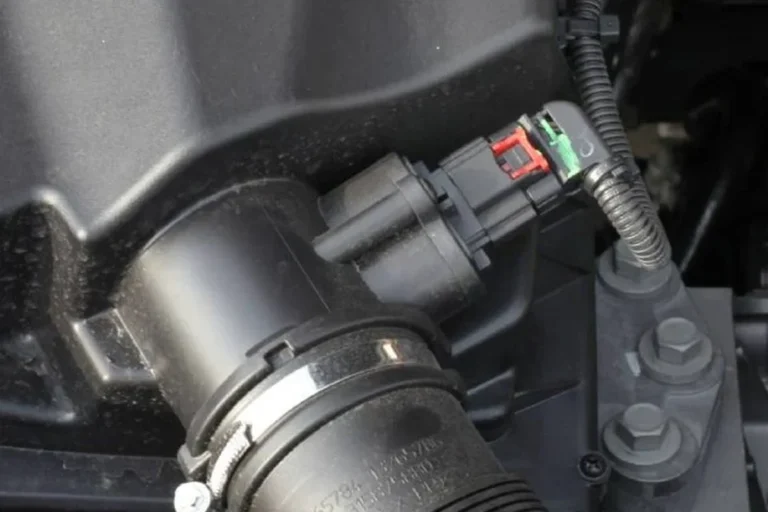
Inspect the sensor harness, connector, and nearby exhaust components for heat damage, corrosion, oil contamination, and broken insulation. An exhaust leak ahead of the sensor can trick the ECU into reading lean, and that can produce jerking even if the sensor itself is fine.
Stop and let the exhaust cool before touching sensors, pipes, or connectors. Hot exhaust parts can cause serious burns, and damaged wiring should be repaired according to the vehicle manufacturer’s guidance.
Replacement Guide: What to Look for in a Quality O2 Sensor
If diagnosis points to the sensor, the replacement should match the vehicle exactly. O2 sensors are not universal, and the wrong part can create new problems.
Compatibility, connector type, thread size, and sensor position
Confirm the exact engine, sensor position, connector shape, thread size, and whether the part is upstream or downstream. Even small differences can affect fit and function, especially on vehicles with multiple sensor types.
- Check the exact sensor position and connector style
- Verify engine code, model year, and emissions configuration
- Confirm whether the part is upstream or downstream
- Review warranty terms and return policy before installation
OEM vs. aftermarket options, warranty, and value trade-offs
OEM or OE-equivalent sensors are often the safest choice when fit and signal accuracy matter most. Aftermarket options can be fine when they are specifically listed for the vehicle, but quality and connector compatibility vary by brand and application.
Warranty length can be useful, but it should not outweigh correct fit and proven compatibility. A cheap sensor that does not communicate properly with the ECU is not a good value.
Signs it is time to replace the sensor
Replacement becomes more likely when the sensor shows slow response, heater circuit faults, contamination, or a pattern that matches the code and live data. High mileage alone is not enough to condemn it, but age, contamination, and repeated sensor-related codes are strong clues.
Safe Repair, Installation, and Maintenance Tips
Sensor replacement is usually straightforward, but exhaust heat, seized threads, and incorrect installation can create avoidable damage. Careful prep matters as much as the part itself.
Heat safety, anti-seize use, and avoiding over-tightening
Work on a cool exhaust system and use the correct sensor socket or wrench. Many replacement sensors come with thread treatment already applied, so adding extra anti-seize without checking the instructions can be a mistake.
Do not over-tighten the sensor. Too much torque can damage threads, crack the housing, or make future removal much harder.
Never install a sensor on a hot exhaust or near damaged wiring. If threads are seized or the exhaust is rusted, follow the service manual and use the proper repair method instead of forcing the part.
Clearing codes, test-driving, and verifying the fix
After replacement, clear codes with a scanner if the vehicle allows it, then drive long enough for the computer to relearn and run its readiness checks. Watch for the return of the same code, the same fuel trim pattern, or the same jerking symptom.
If the symptom remains, the sensor was probably not the root cause. That is the point where deeper diagnosis becomes more valuable than more parts swapping.
Preventing future failures with fuel, exhaust, and engine care
Good spark plugs, clean air intake components, timely oil changes, and prompt repair of exhaust leaks can help protect O2 sensors from contamination and false readings. Using quality fuel and keeping the engine in tune also reduces the chance of mixture problems that confuse the sensor.
Final Recommendation: Should You Replace the O2 Sensor First?
For DIYers, the best first move is usually to scan the car and inspect the live data before buying parts. If the upstream sensor shows abnormal behavior and the rest of the engine checks out, replacement is reasonable; if not, look for leaks, ignition faults, or fuel delivery issues first.
Best next step for DIYers and when to see a mechanic
If you have a scanner and basic tools, you can often narrow the problem enough to avoid guesswork. If the car is misfiring heavily, stalling, showing multiple codes, or you are not comfortable working around hot exhaust parts, a qualified mechanic is the safer choice.
Transparent verdict on how often the O2 sensor is the real cause of jerking
An O2 sensor can absolutely cause jerking, but it is only one of several common causes. In practice, it is often a contributing factor or a symptom of another problem, so the smartest approach is to diagnose first and replace only when the evidence supports it.
Frequently Asked Questions
Yes, especially if the upstream sensor sends inaccurate mixture data. That can cause hesitation, surging, or uneven acceleration.
Common signs include a check engine light, rough idle, poor fuel economy, hesitation, and fuel trim problems. Jerking can happen, but it usually appears with other symptoms.
Use an OBD2 scanner to check codes, live O2 data, and fuel trims. Also inspect for vacuum leaks, exhaust leaks, spark issues, and fuel delivery problems before replacing parts.
Usually less often than an upstream sensor. Downstream sensors mainly monitor catalytic converter performance, so they are less directly involved in fuel control.
Not usually. Scan the vehicle first and confirm the sensor is the likely cause, because many other engine faults can create the same jerking symptom.
Sometimes the car will still drive, but fuel economy, emissions, and drivability can suffer. If the engine is misfiring badly, stalling, or running very rough, get it checked soon.