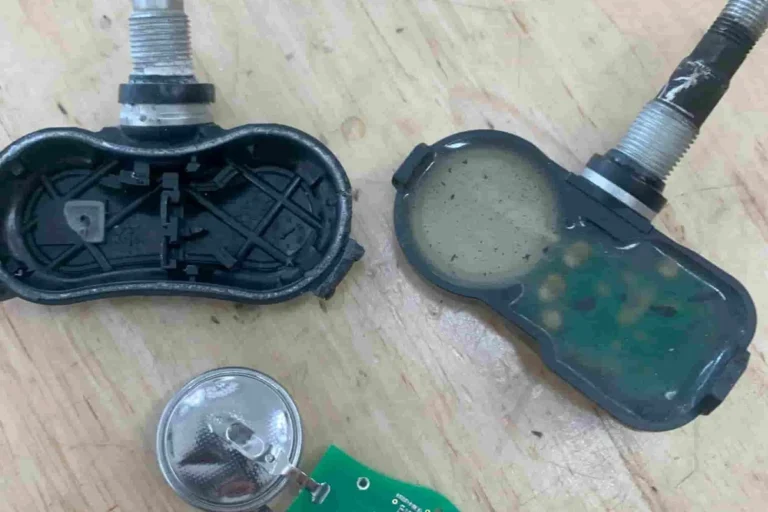
Can I Replace Just One Tpms Sensor
Yes, you can often replace just one TPMS sensor if that is the only failed unit. Make sure the new sensor matches your vehicle’s frequency, valve type, and relearn requirements before buying it.
Yes, you usually can replace just one TPMS sensor if only that sensor has failed and the rest are still working normally. The key is making sure the replacement matches your vehicle’s TPMS system, frequency, and relearn requirements so the warning light clears correctly.
- One failed sensor is often enough: A single replacement usually works when the other sensors are still healthy.
- Compatibility matters most: Match the vehicle, frequency, valve style, and relearn method exactly.
- Old sensors may fail in batches: If the rest are aging, replacing more than one can save labor later.
- Relearn steps are essential: The new sensor may not clear the warning light without proper programming or reset.
Can I Replace Just One TPMS Sensor? Quick Answer and When It Makes Sense
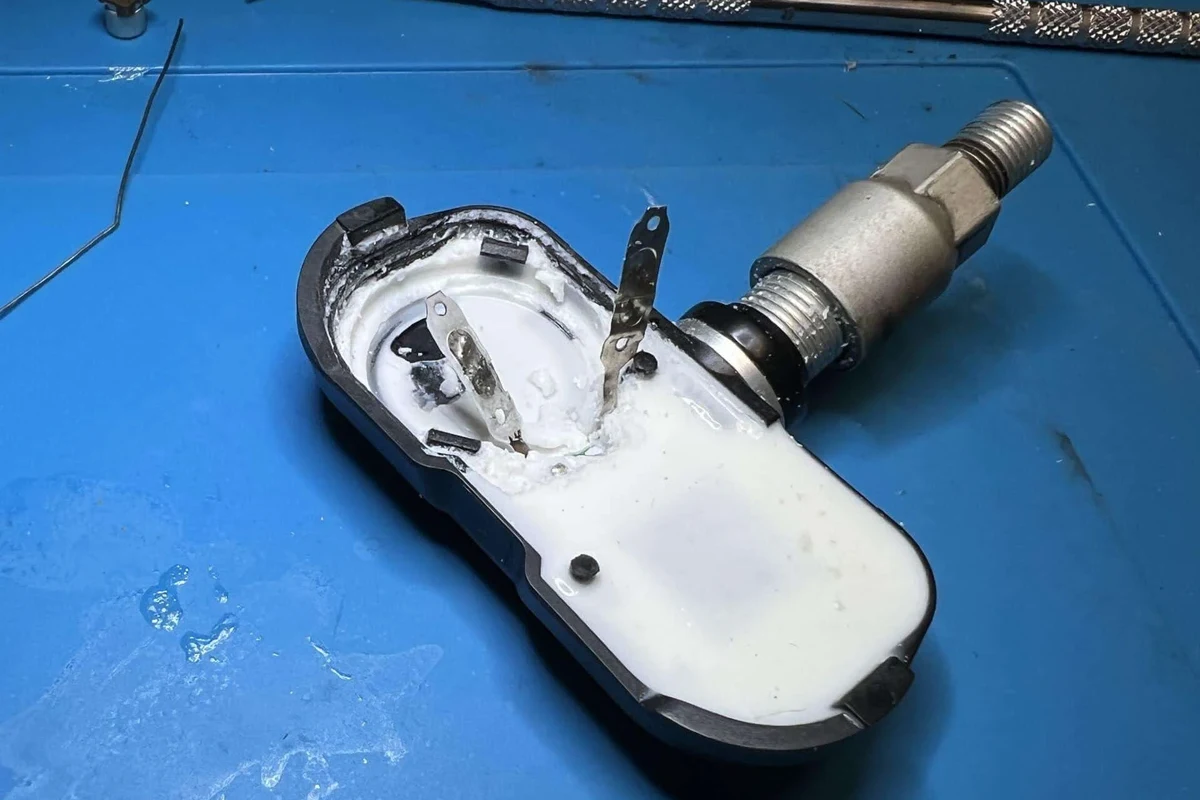
Replacing a single TPMS sensor is often the most practical choice when one wheel is the only problem. That said, it is only a smart fix if the other sensors are still healthy enough that you are not setting yourself up for another warning light soon.
For many drivers, this question comes up after a tire service, a dashboard warning, or a scan tool points to one wheel. The right answer depends on the vehicle, the sensor type, and whether the failed sensor is part of a larger aging set.
How TPMS Sensors Work and Why One Sensor Can Be Replaced Alone
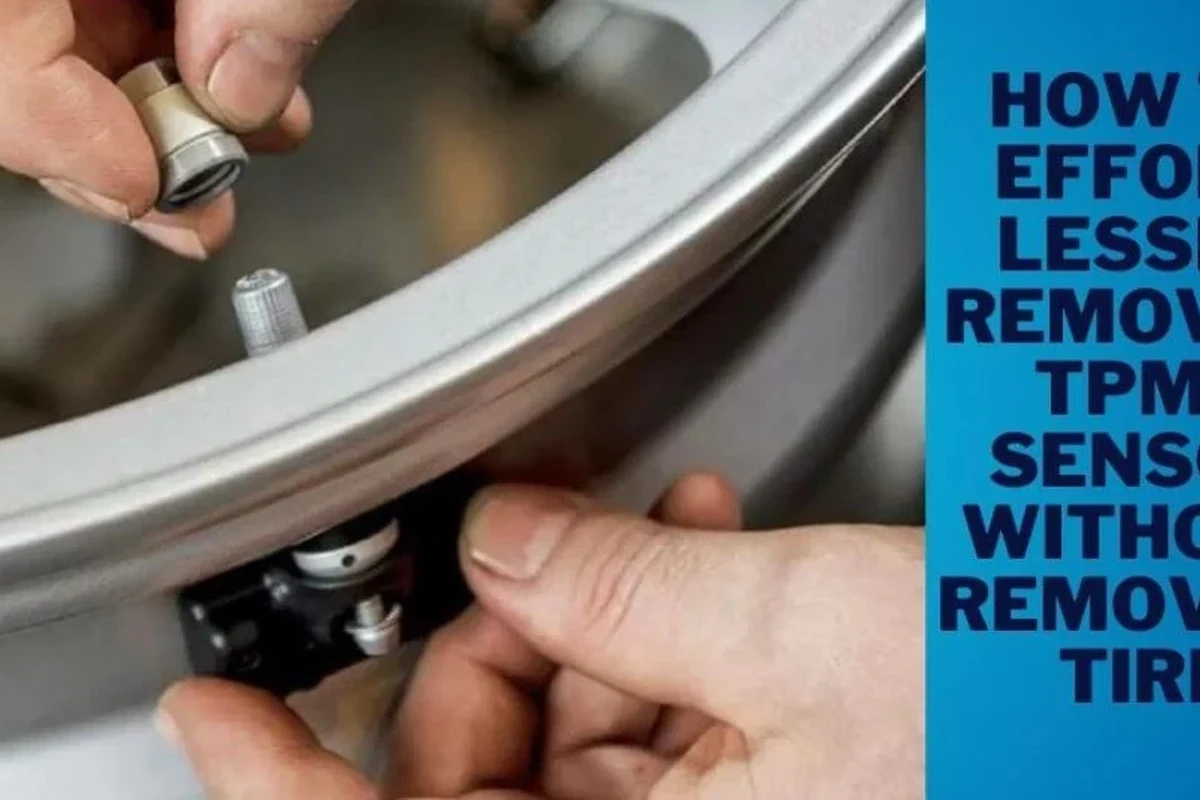
TPMS sensors are designed to report tire pressure data individually, so a failure in one wheel does not automatically mean the others must be replaced. Each sensor sends its own signal, which is why a single bad unit can often be swapped without touching the rest.
Direct vs. indirect TPMS systems
Direct TPMS uses a pressure sensor inside each wheel, usually mounted at the valve stem area or attached to the wheel assembly. Indirect TPMS does not use pressure sensors in the tire at all; it estimates pressure changes by comparing wheel-speed data from the ABS system.
If your vehicle uses indirect TPMS, the “sensor replacement” question may not apply in the same way, because there may be no in-wheel pressure sensor to replace. Always confirm your system type in the owner’s manual or the manufacturer’s service information before buying parts.
TPMS design varies by make, model, trim, and wheel package. Some vehicles use different sensor frequencies or relearn methods depending on region or production year, so compatibility should be checked by VIN when possible.
What the sensor actually monitors
A direct TPMS sensor typically measures air pressure and may also track temperature and battery status, depending on the design. The dashboard warning light does not always mean the sensor itself is bad; sometimes the tire is underinflated, the battery is weak, or the signal cannot be read after service.
That is why a proper diagnosis matters. Replacing one sensor only makes sense when the fault is isolated and verified, not when the system is simply responding to low tire pressure or a relearn issue.
When Replacing Only One TPMS Sensor Is the Right Choice
Single-sensor replacement is most sensible when the problem is localized and the rest of the system is still dependable. It is a targeted repair, not a shortcut for a tired TPMS system that is nearing the end of its life.
Single-sensor failure after battery death, impact damage, or corrosion
TPMS sensors can fail for several reasons, including battery depletion, physical damage during tire work, corrosion at the valve area, or water intrusion in some cases. If one sensor is clearly dead while the others still report normally, replacing only that unit is usually appropriate.
This is especially common after tire replacement, wheel damage, or years of service. A single failed sensor does not automatically mean the rest are bad, but it does suggest you should inspect the other three or four while the wheels are already being serviced.
Who this option fits best: budget-focused drivers, older vehicles, and isolated faults
Replacing one sensor is a good fit for budget-conscious drivers who want the least expensive repair that still restores proper monitoring. It also makes sense for older vehicles when the remaining sensors are still functioning and there is no sign of a system-wide issue.
Drivers with one confirmed failed sensor, functioning remaining sensors, and a vehicle that supports easy relearn or programming. The main limitation is that older sensors may fail one after another, so this is best when the rest of the set still has useful life left.
- Ask the shop or parts seller to confirm the fault code before buying anything.
- Check whether your vehicle needs sensor programming, cloning, or a relearn after installation.
- Inspect the valve stem, grommet, and sealing hardware if the sensor is being replaced during tire service.
What to Check Before Buying a Replacement TPMS Sensor
TPMS sensors are not one-size-fits-all. Before you replace a single unit, confirm the exact match for your vehicle and make sure the sensor can be learned by your car’s system without extra surprises.
Vehicle compatibility, sensor frequency, and relearn support
The most important check is compatibility with your exact year, make, model, trim, and wheel setup. Many TPMS sensors are frequency-specific, and a sensor that works on one vehicle may not communicate correctly on another, even if the valve looks similar.
You also need to know how the vehicle relearns the new sensor. Some vehicles relearn automatically after driving, while others require a scan tool or a specific reset procedure. The official manual or manufacturer service instructions are the safest source for that information.
Valve type, programming method, and OEM vs. universal sensor choices
TPMS sensors may use rubber or metal valve stems, and the wrong valve style can create fitment or durability issues. If the sensor is integrated with the valve assembly, the service parts need to match the wheel design and sealing hardware.
Programming method matters too. Some replacement sensors come pre-programmed for specific vehicles, while others are universal and must be configured with a tool before installation. OEM sensors may offer the closest match, but quality universal options can be a practical choice when they are explicitly supported for your vehicle.
Key decision criteria: durability, battery life, and warranty coverage
Battery life is a major factor because the sensor battery is usually sealed inside the unit. If the replacement sensor is only slightly cheaper but has weaker support or unclear longevity, it may not be worth it.
Warranty terms also matter. Look for clear coverage on the sensor itself, and check whether the warranty depends on professional installation or specific programming steps. If that information is vague, confirm it before purchase.
- Confirm the sensor matches your exact vehicle and wheel setup
- Verify frequency, relearn method, and programming requirements
- Check valve type, included hardware, and warranty terms
- Review the return policy in case the part is not compatible
Benefits and Trade-Offs of Replacing Only One Sensor
There is no universal “best” answer here. Replacing one sensor is efficient when the failure is isolated, but it can be less economical if the rest of the system is already aging out.
Cost savings, faster repair, and reduced downtime
The biggest advantage is obvious: you only pay for one sensor and one service event instead of replacing an entire set. That can mean less downtime, less labor, and a quicker return to normal tire monitoring.
This approach is especially useful if you rely on the vehicle daily and just need the warning light resolved without turning the repair into a larger project. It is also a sensible choice when the other sensors are still reporting correctly and have no signs of trouble.
Limitations: matching wear, battery age, and future failure risk
The trade-off is that the remaining sensors may be close behind if they were installed at the same time. TPMS batteries age with time, not mileage alone, so a set that is several years old can fail in waves rather than one at a time.
There is also the practical issue of matching service life. If one sensor died because the set is simply old, replacing only one may solve today’s issue but leave you with another alert soon after.
- Lowest immediate cost
- Fastest way to restore one failed wheel reading
- Less labor than replacing the full set
- Other old sensors may fail later
- Compatibility mistakes can cause relearn problems
- Not always the best long-term value
How to Replace and Relearn a Single TPMS Sensor Safely
Replacing a TPMS sensor is often a tire-service job, not a simple exterior swap. Because the sensor sits inside the wheel assembly, safe installation and correct relearn steps matter just as much as the part itself.
Basic setup steps and tools typically needed
Most replacements require the wheel to be removed from the vehicle and the tire bead to be separated enough to access the sensor. The exact tools depend on the vehicle and sensor design, but a TPMS-capable scan tool, torque tools, and proper tire service equipment are commonly involved.
Use the vehicle’s diagnostic information or a TPMS tool to verify which sensor has failed before removing anything.
Match the replacement to the vehicle’s frequency, valve style, and programming method, then install any required seals or hardware.
Follow the manufacturer’s relearn procedure and confirm that all four tire positions report correctly after installation.
Common mistakes to avoid during installation and programming
One common mistake is buying a sensor based only on appearance. Another is assuming the warning light will clear on its own without a relearn or drive cycle.
It is also easy to overlook valve hardware, torque requirements, or the need to replace sealing components. Skipping those details can lead to leaks, signal problems, or an early repeat repair.
TPMS service involves tire and wheel work, which can be hazardous without the right equipment and experience. If you are not set up for tire dismounting, do not improvise with makeshift tools or ignore wheel safety procedures.
When professional installation is the safer option
Professional installation is the better choice if the wheel uses a difficult sensor layout, the vehicle needs a scan-tool relearn, or you are unsure which part number to buy. It is also the safer route if the tire is already due for service, since the wheel has to come apart anyway.
If your vehicle has expensive wheels, low-profile tires, or a history of TPMS warnings after tire work, a shop with the right equipment can reduce the chance of damage and make the relearn process smoother.
Maintenance Tips, Inspection Habits, and Signs the Other Sensors May Be Next
Once one sensor fails, the rest of the system deserve a closer look. A little maintenance can help you avoid repeated warning lights and get more life from the remaining sensors.
How to protect sensor life through tire care and seasonal checks
Keeping tires properly inflated is one of the simplest ways to reduce TPMS stress and avoid unnecessary alerts. Regular tire rotations, seasonal pressure checks, and careful handling during tire mounting can also help preserve sensor hardware.
If you switch between summer and winter wheels, label the sets and keep track of which sensors belong to which wheels. That makes diagnosis and relearn work much easier later.
TPMS warnings can appear after temperature drops because tire pressure naturally changes with ambient temperature, even when there is no sensor failure.
Warning signs of weak batteries, signal loss, or repeated alerts
If a TPMS light comes back soon after a repair, that can point to a second weak sensor, an incomplete relearn, or a communication issue. Intermittent readings, missing wheel data, or repeated alerts after pressure is corrected are all signs to investigate further.
If the TPMS light returns repeatedly, do not assume the new sensor is defective. Check tire pressure, relearn status, valve hardware, and the remaining sensors before replacing more parts.
Final Recommendation: Should You Replace One TPMS Sensor or More Than One?
For most drivers, replacing just one TPMS sensor is the right move when the failure is clearly isolated and the rest of the system is still healthy. It is a practical, cost-conscious fix that works well when compatibility is confirmed and the relearn procedure is straightforward.
Best-case scenarios for a single-sensor replacement
Choose one-sensor replacement when the vehicle has a confirmed single failure, the other sensors are reading normally, and the replacement part is an exact match for the system. This is especially sensible on older vehicles that still have a functioning set but need one targeted repair.
When replacing the full set offers better long-term value
Replacing more than one sensor can make more sense when the vehicle is older, the remaining sensors are also aging, or you are already paying for wheel service and want to avoid repeated labor later. If you are unsure, compare the age of the remaining sensors, the cost of labor, and the likelihood of another failure soon.
If you want the safest path, start with your owner’s manual and the vehicle’s official TPMS service information, then confirm part compatibility before buying. That approach gives you the best chance of fixing the warning light once instead of chasing it twice.
Frequently Asked Questions
Yes, you often can replace just one TPMS sensor if the failure is isolated and the new part matches your vehicle. The rest of the system does not usually need replacement unless they are also aging or faulty.
A TPMS diagnostic scan or service tool can identify the affected wheel position. It is also important to confirm tire pressure and relearn status before replacing parts.
Not always. A full set can make sense when the remaining sensors are old, but a single replacement is fine when the others are still working properly.
Sometimes, but many vehicles require a relearn procedure or scan-tool programming. Check the owner’s manual or official service information for the exact steps.
Verify year, make, model, trim, sensor frequency, valve type, programming method, and warranty terms. Compatibility should be confirmed before installation.
Replace more than one if the remaining sensors are old, battery life is uncertain, or you want to avoid repeated labor soon. That can be better long-term value than a single patch repair.