Can You Reset Tire Pressure Sensor
Yes, you can often reset a tire pressure sensor after the tires are inflated correctly and the vehicle’s TPMS supports that method. If the warning stays on, the issue is usually a failed sensor, damaged valve, or relearn problem.
Yes, you can often reset a tire pressure sensor or TPMS warning light, but only if the problem is actually low pressure, a recent tire rotation, or a system that needs to relearn its new tire positions. If the sensor is damaged, the battery is dead, or the vehicle needs a specific relearn procedure, a simple reset may not solve it.
- Check pressure first: A reset only works after all tires are inflated to the vehicle’s recommended spec.
- Match the TPMS type: Direct and indirect systems use different reset or relearn steps.
- Use the manual: Reset steps vary by make, model, year, and trim.
- Watch for hardware faults: Dead batteries, damaged valves, and mismatched sensors can block a reset.
Can You Reset Tire Pressure Sensor? Quick Answer and When It Actually Works
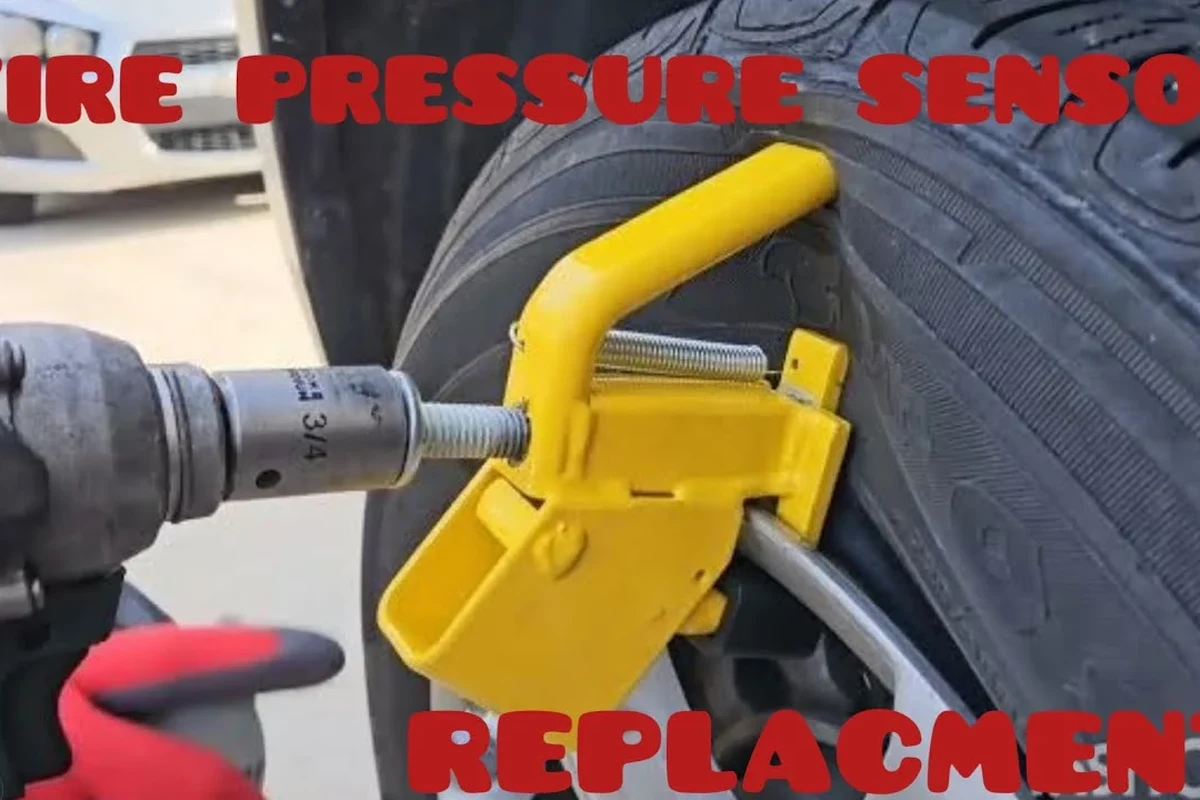
In many vehicles, the answer is yes: a tire pressure sensor system can be reset, relearned, or reinitialized after the tires are inflated to the correct pressure. That said, the reset button or driving cycle is not a cure-all, because the warning light is often a sign that the system detected a real pressure issue or a sensor fault.
If the light came on after weather changed, a tire was rotated, or a wheel was replaced, a reset may be the right next step. If the light stays on after correcting pressure, the sensor, valve stem, or TPMS module may need professional diagnosis.
How a Tire Pressure Sensor System Works in 2026
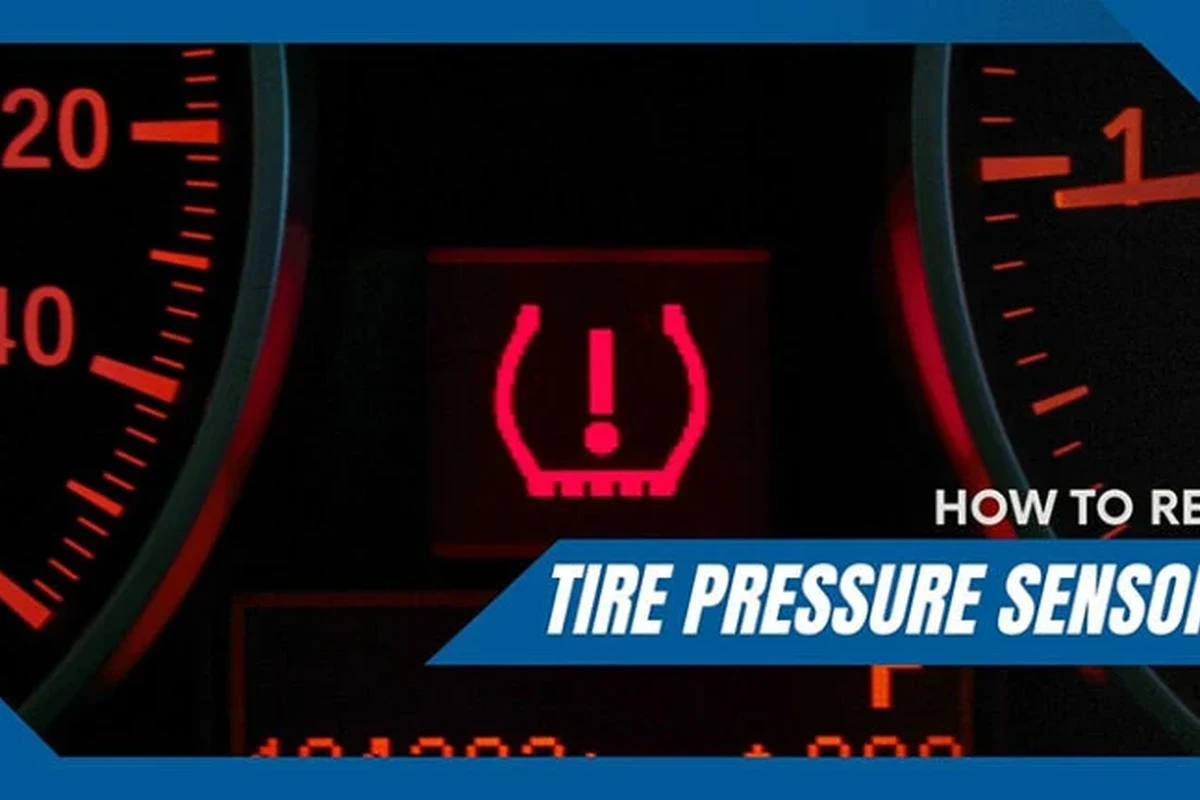
Tire pressure monitoring systems are designed to warn you when one or more tires are below the vehicle’s programmed threshold. The exact behavior varies by make and model, but the system usually compares live sensor data or wheel-speed patterns against expected values.
Direct TPMS vs. indirect TPMS
Direct TPMS uses individual sensors inside each wheel, usually attached to the valve stem area, to measure actual air pressure. Indirect TPMS does not measure pressure directly; instead, it uses wheel-speed data from the ABS system to detect when a tire is rolling with a smaller effective diameter, which can happen when pressure drops.
Indirect TPMS often needs a relearn or calibration after tire inflation, rotation, or replacement because it has to relearn the normal wheel-speed baseline.
That difference matters because “resetting the tire pressure sensor” may mean two different things. On a direct system, you may be asking the vehicle to relearn sensor IDs or wake up the sensors; on an indirect system, you are usually telling the car to store a new baseline after the tires are properly inflated.
What the dashboard warning light is really telling you
The TPMS light usually means the system sees a pressure condition outside its expected range, but it does not always tell you which tire is the cause. Some vehicles show a specific tire position, while others only show a general warning icon.
The meaning of the warning light varies by vehicle. Check the owner’s manual for whether your car shows low pressure, a TPMS fault, or a sensor communication issue.
If the light flashes before staying on, many vehicles interpret that as a system malfunction rather than simple low pressure. That usually points to a sensor, battery, module, or communication problem instead of a tire that just needs air.
When a Reset Is Enough and When It Is Not
A reset is best viewed as a follow-up step after checking the tires, not the first step. If the underlying issue is pressure-related or relearn-related, the reset can work well; if the hardware is failing, it usually will not.
Low tire pressure, seasonal temperature changes, and recent tire rotation
Cold weather can lower tire pressure enough to trigger a warning, especially if the tires were already near the minimum recommended level. A recent tire rotation can also confuse systems that need a relearn, because the sensor positions or wheel-speed patterns have changed.
Check all four tires with a reliable gauge before touching the reset button. Inflate them to the pressure listed on the driver-side door placard, not the number molded into the tire sidewall.
If the light appeared right after a seasonal temperature drop or tire service, a reset is often worth trying once the tires are corrected. For indirect systems, the vehicle may need a calibration drive after the reset, not just a button press.
Sensor battery failure, damage, or wheel replacement issues
Direct TPMS sensors have internal batteries that eventually wear out, and those batteries are not usually replaceable separately. Sensors can also fail from corrosion, impact damage, bead-leak issues, valve-stem damage, or problems that happen during tire mounting.
If a wheel was recently replaced, repaired, or remounted and the warning will not clear, inspect for valve damage, sensor breakage, or a mismatched sensor type before trying repeated resets.
Repeated reset attempts will not revive a dead sensor battery or fix a damaged module. If the same tire keeps triggering the warning after proper inflation, a tire shop or dealership scan tool may be needed to identify the failed component.
Step-by-Step Guide to Resetting a Tire Pressure Sensor
The safest reset process starts with correct inflation, then moves to the vehicle’s official reset or relearn method. Because procedures vary widely, the owner’s manual is the best source for your exact model.
Before you reset: check all tires with a gauge
Start by checking every tire when they are cold, meaning the car has been parked long enough that the tires are close to ambient temperature. Compare the reading on each tire to the vehicle’s recommended pressure, not to the sidewall maximum.
- Check the spare tire too if your vehicle monitors it.
- Look for nails, slow leaks, or uneven wear while the tires are low.
- Do not assume the warning is false just because the car still drives normally.
Once all tires are corrected, drive a short distance or follow the reset procedure in the manual. Many systems need the vehicle to be driven after reset so the sensors can report stable readings.
Common reset methods by vehicle type
Some vehicles use a dashboard menu, some use a TPMS button, and others require a scan tool or dealer-level relearn procedure. Luxury models and newer vehicles may be more specific about ignition position, speed, and drive time during the relearn.
| Reset Method | Best For | Key Consideration |
|---|---|---|
| Dashboard menu | Vehicles with built-in TPMS settings | Menu names vary by make and model |
| TPMS button | Many older or simpler systems | May require exact ignition and tire pressure steps |
| Drive cycle | Indirect TPMS and some direct systems | Needs a specific route, speed, or time |
| Scan tool relearn | Some direct TPMS vehicles | May require a tire shop or dealer tool |
Because the method depends on the vehicle, the best source is the owner’s manual or the manufacturer’s service information. If a guide online conflicts with your manual, trust the manual for your exact trim and model year.
Driving cycle, relearn mode, and manual button reset
A driving cycle usually means the vehicle needs to move at a certain speed for a certain distance so the TPMS can reestablish normal readings. Relearn mode may involve putting the car into a special state, then activating each sensor in sequence.
- Check compatibility with your vehicle make, model, and year
- Confirm whether your TPMS is direct or indirect
- Verify the manual reset steps and any required drive cycle
- Confirm whether a scan tool or shop relearn is needed
Manual button resets are usually the simplest, but they only work if the vehicle supports that method. If the light returns immediately, the system may not have completed the relearn or may be detecting a separate fault.
Key Specs and Decision Criteria to Check Before You Try a Reset
Before you spend time resetting anything, confirm the vehicle details that control TPMS behavior. A reset that works on one trim level may fail on another because the sensor type, software, or relearn process is different.
Vehicle make, model, year, and TPMS type compatibility
The same nameplate can use different TPMS setups across model years or trims. That means the most important compatibility check is your exact year, engine or trim if relevant, and whether the vehicle uses direct or indirect monitoring.
If you are unsure, look up the tire pressure section in the owner’s manual or the manufacturer’s service portal. A quick online search can help, but it should not replace model-specific instructions.
Recommended tire pressure, spare tire coverage, and sensor location
Some vehicles monitor the spare tire, while others do not. Others may place sensors in the valve stem assembly, which matters if you are replacing wheels, tires, or valve hardware.
Knowing where the sensor lives helps you avoid unnecessary parts replacement. It also helps when a tire shop asks whether the issue is a wheel sensor, a valve stem, or a system calibration problem.
Tool needs: gauge, scan tool, and owner’s manual guidance
At minimum, you should have a reliable tire pressure gauge. Depending on the vehicle, you may also need a TPMS activation tool, a scan tool, or access to a shop that can perform the relearn.
If your vehicle has a reset button but the light keeps flashing, do not keep pressing it repeatedly. Recheck pressure, then follow the exact procedure in the manual or seek diagnostic help.
For many drivers, the manual is the most valuable “tool” because it explains the sequence, ignition state, and drive cycle the vehicle expects. Skipping that step is one of the main reasons resets fail.
Common Mistakes That Cause TPMS Reset Failures
Most failed resets come from a simple mismatch between the fix and the real problem. Either the tires were not actually corrected, or the vehicle needed a different procedure than the one used.
Resetting before fixing the actual pressure problem
If a tire is still underinflated, the warning will often come back even after a reset. The system is doing its job by alerting you to a condition that still exists.
Always correct pressure first, then reset. If you reset first, you may waste time and miss a slow leak or damaged tire.
Ignoring damaged valves, dead batteries, or mismatched sensors
Direct TPMS parts can fail in ways that look like a simple low-pressure warning. A cracked valve stem, corroded hardware, or a mismatched aftermarket sensor can prevent the system from reading correctly.
Do not drive long-term with a persistent TPMS warning if you suspect a flat, leaking tire, or damaged wheel hardware. A sensor alert can be the first sign of a tire safety problem.
If a tire shop recently installed new wheels or sensors, ask whether the replacement parts were compatible with your vehicle’s TPMS protocol. Compatibility issues are common when parts are not matched carefully.
Using the wrong inflation spec after tire service
Some drivers inflate tires to the sidewall maximum after service, which is not the same as the vehicle’s recommended pressure. That can affect ride quality, wear, and how the TPMS interprets the reading.
Use the placard pressure for everyday driving unless the manufacturer specifies a different load or towing condition. If you tow, haul, or drive in unusual conditions, check the manual for the correct alternate spec.
Safety, Maintenance, and Long-Term Care for Tire Pressure Sensors
TPMS is useful, but it still depends on good tire maintenance. Regular inspection is the best way to keep the warning system accurate and reduce surprise failures.
How often to inspect tires, valves, and sensor seals
Check tire pressure at least monthly and before long trips, and inspect the tires visually for cuts, bulges, uneven wear, or embedded debris. If you notice a slow leak or repeated low-pressure reading, the valve area and sensor seal deserve attention.
Wheel service, tire mounting, curb impacts, and corrosion can all affect valve hardware and sensor seals. The exact repair path depends on the wheel design and sensor type.
Cold-weather checks, tire rotation, and post-service relearn steps
Cold weather tends to lower pressure, so seasonal checks are especially important in fall and winter. After tire rotation or wheel replacement, many vehicles need a relearn so the system knows which sensor is on which corner.
That relearn step is easy to overlook, but it is often the difference between a cleared warning and a persistent light. If your car has a specific relearn sequence, keep a copy of it with your tire maintenance records.
When to replace a sensor instead of resetting again
If the same warning keeps returning after proper inflation and the correct reset method, replacement may be more practical than repeated relearns. This is especially true when a sensor battery is near the end of its life or the wheel hardware is damaged.
Resetting is the best first move for drivers with correct tire pressure, a recent rotation, or a vehicle that clearly supports a relearn. If the warning persists after those checks, a professional diagnosis is the smarter next step.
Final Recommendation: Is Resetting the Best Fix for Most Drivers?
For most drivers, yes, resetting a tire pressure sensor is a reasonable and often effective first fix after the tires have been checked and corrected. It is especially useful after temperature changes, tire rotations, or routine service that changes wheel positions.
Best-case scenarios, limitations, and when to visit a tire professional
The best-case scenario is simple: the tires were low, you inflated them to the correct spec, and the vehicle relearns normally. The limitation is that a reset cannot repair a failing sensor, dead battery, broken valve stem, or incompatible replacement part.
- Check and correct tire pressure first, then reset or relearn.
- Use the exact procedure for your vehicle’s TPMS type and model year.
- Persistent warnings usually mean a sensor, valve, or system fault.
If the warning stays on after the right steps, or if you are unsure whether your vehicle uses direct or indirect TPMS, a tire professional can save time and prevent guesswork. That is the safest path when the issue may involve hardware, not just a settings reset.
Frequently Asked Questions
Often yes, if your vehicle supports a manual reset, relearn, or driving cycle. You still need to inflate the tires to the correct pressure first.
The tires may still be underinflated, or the vehicle may need a different relearn procedure. A dead sensor battery, damaged valve, or system fault can also keep the light on.
No, reset methods vary by make, model, year, and TPMS type. Some use a button, some use a menu, and some need a scan tool or specific drive cycle.
Usually yes, if your vehicle requires a relearn after rotation. Check the owner’s manual because some systems need the new wheel positions stored before the warning will clear.
Yes, cold air lowers tire pressure and can trigger the warning light. Recheck all tires with a gauge and inflate them to the vehicle’s recommended pressure.
Replace the sensor if the warning returns after correct inflation and the proper reset procedure, especially if the sensor battery is dead or the hardware is damaged. A tire shop can confirm whether the problem is the sensor or something else.