Do O2 Sensor Spacers Really Work
O2 sensor spacers can work for some modified exhaust setups by reducing rear-sensor exposure to exhaust flow. They do not fix a bad catalytic converter, a failing sensor, or a tuning problem, so fitment and diagnosis matter more than the spacer itself.
O2 sensor spacers can work for a narrow purpose: they may reduce check engine lights caused by a rear oxygen sensor seeing exhaust that is “too efficient” after certain exhaust modifications. They do not fix a bad catalytic converter, a failing sensor, an exhaust leak, or a tune problem, and they are not a universal solution.
- Works best for: Some modified vehicles that trigger catalyst-efficiency codes from the rear O2 sensor.
- Does not fix: Bad converters, exhaust leaks, sensor failure, or fuel/tune problems.
- Fitment matters: Confirm thread size, sensor length, clearance, and sensor type before buying.
- Legal caution: Check local emissions and inspection rules before depending on a spacer.
Do O2 Sensor Spacers Really Work? Quick Answer and What They Actually Do
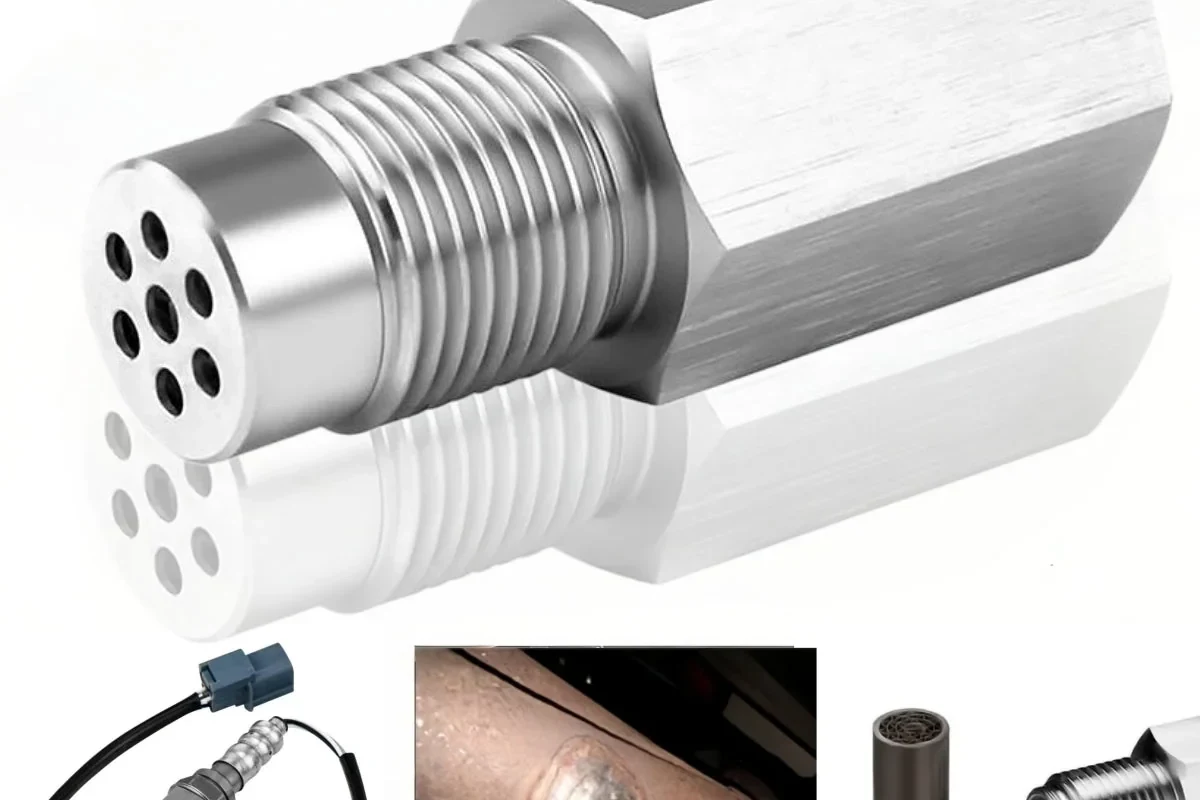
In plain terms, an O2 sensor spacer changes how much exhaust reaches the sensor, which can make the reading look less extreme to the engine computer. That can help in some modified exhaust setups, but success depends on the vehicle, the sensor location, the catalyst condition, and how strict the onboard diagnostics are.
How O2 Sensor Spacers Work in 2026: Basic Function, CEL Reduction, and Emissions Logic
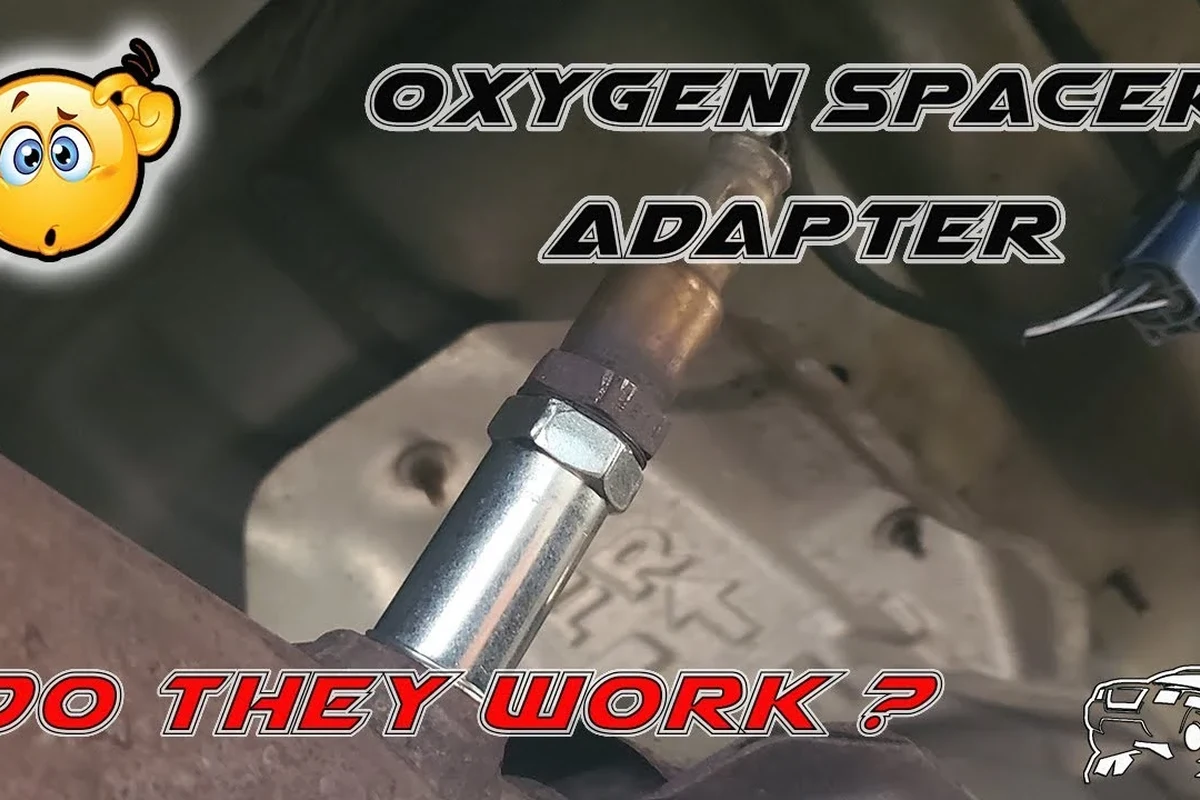
An oxygen sensor spacer is a small threaded adapter installed between the exhaust bung and the sensor. Its job is to move the sensor slightly out of the main exhaust stream or redirect exhaust through a smaller passage, which can soften the signal that the engine computer sees.
What a spacer changes in the sensor’s reading path
Most spacers alter the flow path rather than the sensor itself. By reducing direct exposure to exhaust pulses, they can make the downstream sensor report a steadier pattern, which may keep the computer from interpreting the catalytic converter as inefficient.
That said, the exact result depends on the spacer style, the sensor design, and whether the vehicle uses a narrowband or wideband sensor in that location. Some vehicles are easier to influence than others, while newer or more aggressive diagnostic strategies may still detect the issue.
Why some vehicles trigger a check engine light without one
Many check engine lights related to spacers come from catalyst-efficiency monitoring. If the rear sensor sees the exhaust behaving too much like the front sensor, the computer may assume the catalytic converter is not doing enough work and set a code.
This is common after catless downpipes, high-flow exhaust changes, or a worn converter that no longer stores and cleans exhaust gases effectively. In those cases, the spacer may reduce the symptom, but it does not change the fact that the emissions system is operating outside the intended range.
Who O2 Sensor Spacers Fit Best: Vehicle Types, Exhaust Setups, and Use Cases
Spacers tend to make the most sense for owners of modified gasoline vehicles who are chasing a catalyst-efficiency code after an exhaust change. They are also sometimes considered by drivers dealing with borderline sensor behavior on older platforms, but results vary widely.
Common compatibility factors to verify before buying
- Confirm the sensor thread size and whether the rear sensor location accepts a spacer safely
- Check exhaust clearance, sensor length, and heat exposure near the mounting point
- Verify whether your vehicle uses a narrowband or wideband sensor at that position
- Review local emissions rules and inspection requirements before relying on a spacer
Compatibility is not just about thread fit. The converter type, sensor placement, exhaust temperature, and ECU logic all affect whether a spacer helps or does nothing useful.
When a spacer is more likely to help than solve the problem
A spacer is more likely to help when the vehicle is otherwise running well, the exhaust has been modified in a way that changes catalyst readings, and the code is specifically related to downstream sensor activity. It is less likely to help if the engine has misfires, fuel-trim issues, leaks, or a damaged catalytic converter.
If the car already has drivability symptoms, fix those first. A spacer is not a substitute for diagnosing fuel, ignition, or exhaust problems.
Key Specs and Buying Criteria: Thread Size, Material, Angle, Depth, and Catalytic Converter Type
Buying the right spacer is mostly about fitment and style. Small differences in angle, depth, and internal passage can change whether the sensor sees enough exhaust to stay happy without causing other problems.
Fitment details to confirm: M18 x 1.5, sensor length, and clearance
Thread size is the first thing to confirm, but not the only thing. A spacer that fits the threads can still fail if it places the sensor where it overheats, vibrates, or physically interferes with surrounding parts.
Straight vs angled spacers, mini-cats, and anti-fouler styles
Straight spacers move the sensor outward in a direct line. Angled spacers change the direction of the sensor, which can help with clearance and sometimes with exhaust exposure. Mini-cat styles add a small catalytic element inside the spacer, while anti-fouler styles are a more basic approach that simply reduces direct exhaust contact.
Different styles can behave very differently on the same car. If a listing does not clearly state thread size, sensor type, and intended use, verify those details before ordering.
Real-World Benefits and Limitations: What Spacers Can and Cannot Fix
People usually buy spacers for one of two reasons: to reduce a recurring catalyst code or to make an exhaust modification easier to live with. That can be a practical short-term benefit, but it is not the same as restoring the emissions system to factory function.
Potential benefits: fewer false catalyst codes and easier modification compatibility
- May reduce nuisance catalyst-efficiency codes on some modified vehicles
- Can be a relatively simple, reversible hardware change
- May help certain exhaust setups work more consistently with the ECU
- Does not repair a failing converter or sensor
- Results vary by vehicle and ECU calibration
- May not pass emissions or inspection requirements
For some owners, the biggest benefit is convenience. If the vehicle otherwise drives normally and the spacer reduces repeated warning lights, it can make a modified setup easier to live with.
Limitations: emissions compliance, inconsistent results, and tune-related issues
Spacers are not a universal fix, and they may be ineffective on vehicles with very strict monitoring logic. They can also fail if the engine tune, fuel trims, or exhaust hardware are not otherwise in a healthy range.
Legal and inspection concerns matter too. In many places, anything that defeats or alters emissions monitoring can create compliance problems, so readers should confirm local rules and inspection standards before relying on one.
Do not use a spacer to ignore warning lights that point to misfires, rich running, exhaust leaks, or converter damage. Those issues can affect drivability, emissions, and heat management.
Installation and Setup Guide: Safe Use, Torque Care, and Common Mistakes
Installation is usually simple in concept, but exhaust hardware can be stubborn, hot, and easy to damage. The safest approach is to work from the vehicle manual or service information and avoid forcing threads.
Prep steps, anti-seize use, and avoiding damaged threads
Hot exhaust parts can burn skin and make the sensor or bung easier to damage.
Look for corrosion, cross-threading, or previous damage before installing the spacer.
Follow the sensor and spacer manufacturer guidance for anti-seize; too much can contaminate threads or affect fit.
Thread the spacer and sensor by hand first to reduce the risk of cross-threading.
If resistance feels abnormal, stop and inspect the threads. Forcing exhaust hardware can turn a simple install into a costly repair.
Clearance checks, sensor orientation, and heat-related precautions
After installation, confirm that the sensor and spacer do not touch nearby components and that the wiring has enough slack. Heat and vibration are common failure points, especially on lowered vehicles or tight engine bays.
Stop using damaged connectors, frayed sensor wiring, stripped threads, or spacers that come loose after heat cycling. Follow the manufacturer’s guidance if anything looks unstable.
Maintenance, Inspection, and Troubleshooting After Installation
Once installed, a spacer should be treated like any other exhaust-related component: inspect it periodically and pay attention to warning lights, unusual smells, and changes in engine behavior. If the code returns quickly, that is often a sign the spacer is not the right solution for the vehicle.
How to spot recurring codes, exhaust leaks, and sensor contamination
If the check engine light comes back, scan the code rather than guessing. Recurring catalyst codes can point to exhaust leaks, a weak converter, sensor aging, or a tune that still needs attention.
Contamination can also interfere with sensor behavior. Oil burning, coolant leaks, silicone exposure, and prolonged rich running can all affect oxygen sensor accuracy and make a spacer less effective.
When to remove, replace, or upgrade the spacer setup
Remove the spacer if it causes fitment issues, rattles, leaks, or inspection problems. Replace it if the threads are damaged, the material is heat-warped, or the sensor can no longer be installed securely.
Upgrading to a different style may help when the current one is close but not quite right, such as switching from a straight spacer to an angled design for clearance. If the code persists across multiple styles, the real fix is likely elsewhere in the exhaust or engine management system.
Verdict: Are O2 Sensor Spacers Worth It in 2026?
O2 sensor spacers can be worth trying when the goal is to reduce a specific catalyst-efficiency warning on a modified vehicle and the owner understands the limits. They are most useful as a compatibility aid, not as a repair part.
Best-case scenario, worst-case scenario, and final recommendation
Best case: the spacer reduces nuisance codes and makes a mild exhaust modification easier to live with. Worst case: it does nothing, masks a real problem, or creates inspection and fitment headaches. If you need a legal, reliable, long-term fix, diagnose the underlying emissions issue first; if you only need a narrow compatibility workaround and local rules allow it, a well-matched spacer can be a reasonable trial.
For most readers, the right answer is cautious: verify the code, confirm fitment, check local emissions rules, and treat the spacer as a last-mile tuning aid rather than a cure-all.
Frequently Asked Questions
They can work on some modified vehicles, especially when the issue is a catalyst-efficiency code from the rear sensor. They are not reliable on every car and do not fix underlying engine or exhaust problems.
A spacer may help reduce a check engine light related to the rear oxygen sensor seeing too much direct exhaust flow. It is mainly used as a workaround for certain exhaust modifications, not as a repair for a bad catalytic converter.
Check the thread size, sensor length, clearance, and whether the rear sensor location can physically accept a spacer. You should also confirm the sensor type and review the vehicle’s service information before buying.
That depends on local emissions and inspection rules. In many regions, anything that alters emissions monitoring can create compliance issues, so verify the rules before relying on one.
Scan the code again and check for exhaust leaks, sensor damage, contamination, or a failing catalytic converter. If the code returns quickly, the spacer may not be the right solution.
Choose based on fitment, clearance, and the type of exhaust setup you have. Straight, angled, anti-fouler, and mini-cat styles can behave differently, so the best option depends on the vehicle and the code you are trying to address.