Do Camshaft Sensor Go Bad
Yes, camshaft sensors can go bad, and the most common signs are hard starting, stalling, rough idle, and check engine lights. Before replacing one, confirm the fault with scan data and inspect the wiring, connector, and related sensors.
Yes, camshaft sensors can go bad, and when they do, they often cause hard starting, rough running, stalling, or a check engine light. The tricky part is that these symptoms can also come from wiring, the crankshaft sensor, or timing-related issues, so diagnosis matters before you replace anything.
- Symptoms: Hard starts, stalls, hesitation, rough idle, and timing-related codes are common warning signs.
- Causes: Heat, oil contamination, corrosion, vibration, and wiring damage often trigger failure.
- Diagnosis: Check the connector, scan codes, and compare cam and crank live data before buying.
- Fitment: Match the exact engine, connector, sensor location, and part number.
- Next step: If symptoms remain after replacement, inspect related sensors and mechanical timing.
Do Camshaft Sensors Go Bad? Short Answer, Symptoms, and Why It Matters
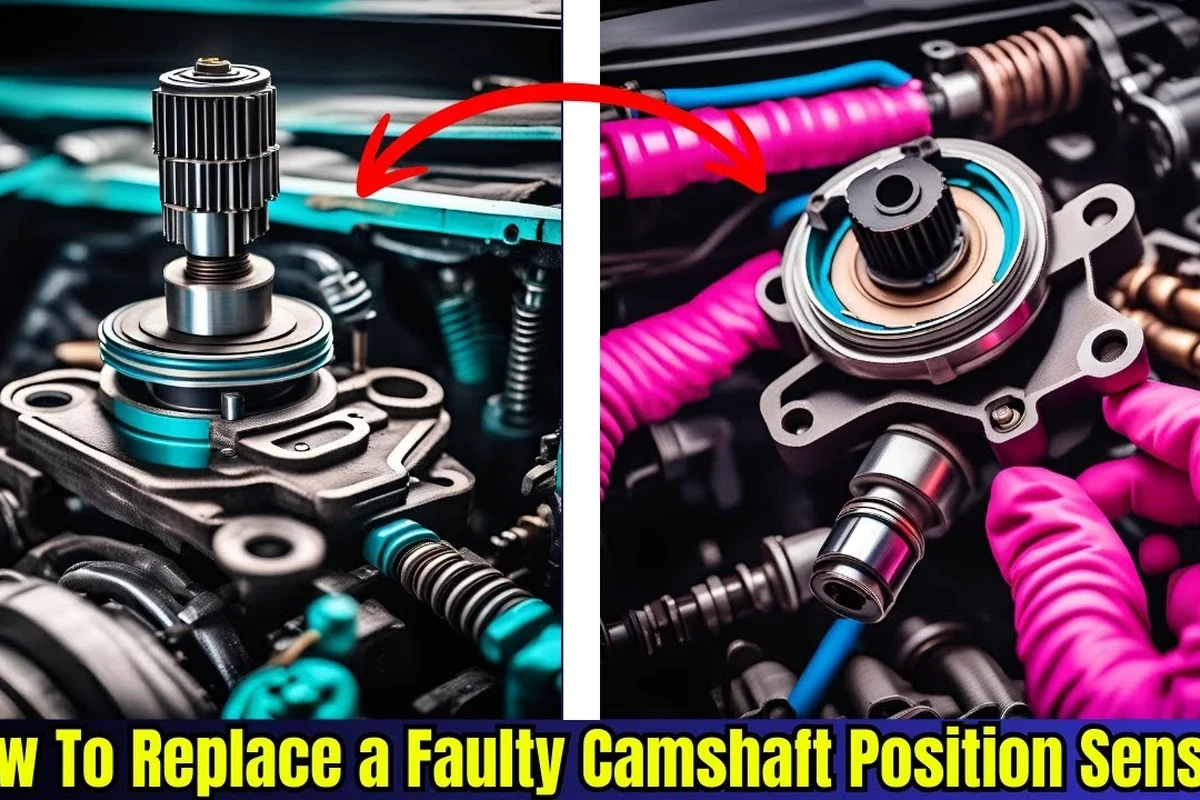
A camshaft sensor is an electronic part, so it can fail from heat, contamination, wiring problems, or normal wear over time. When it starts giving the ECU weak or incorrect timing information, the engine may still run, but it may not run well.
That matters because many modern engines depend on the camshaft sensor for precise fuel injection and ignition timing. If the signal becomes unreliable, the vehicle may enter a backup strategy, run rough, or refuse to start at all.
What a Camshaft Sensor Does in Modern Engines
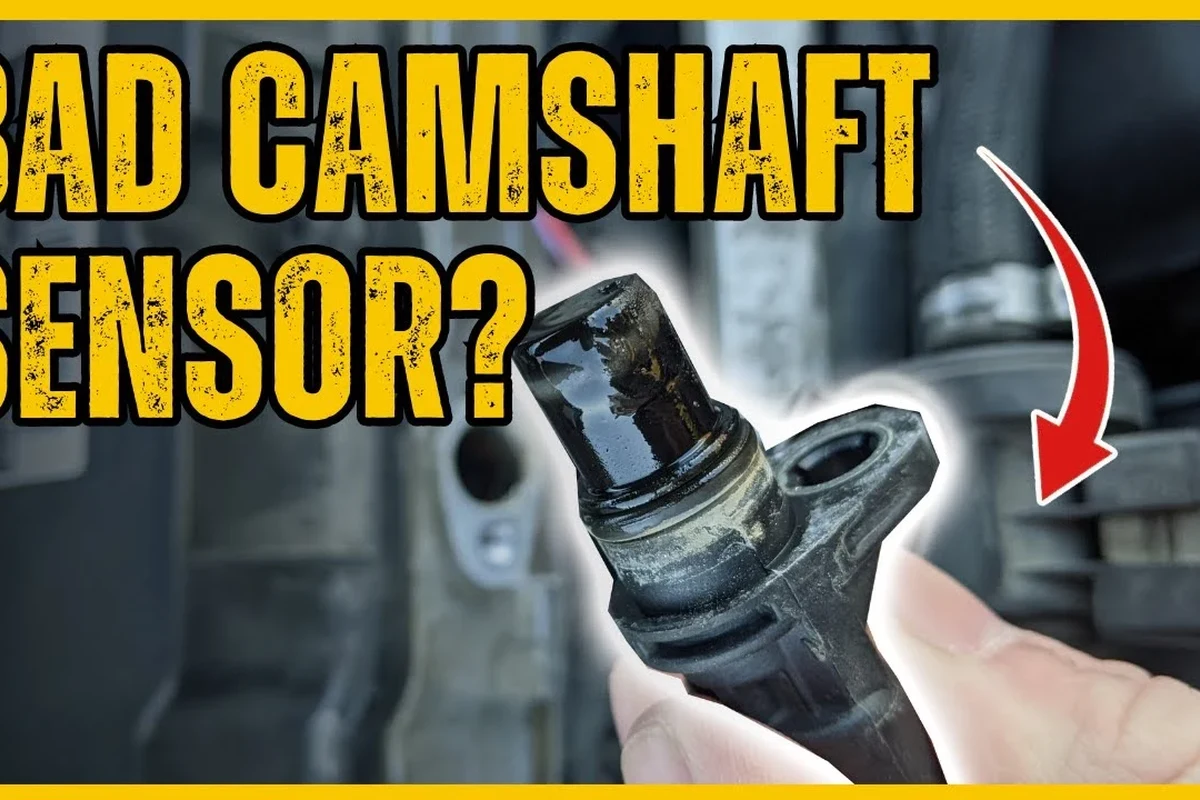
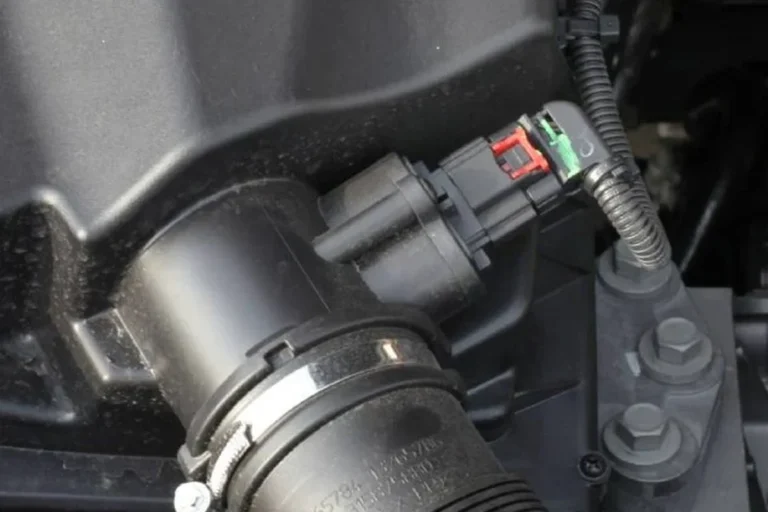
The camshaft sensor tells the engine computer where the camshaft is positioned as the engine turns. That information helps the ECU know which cylinder is on its intake or compression stroke so it can coordinate fuel and spark more accurately.
How the sensor works with the ECU and crankshaft sensor
The camshaft sensor usually works alongside the crankshaft sensor. The crank sensor tracks engine speed and crank position, while the cam sensor helps the ECU identify cylinder phase and engine timing sequence.
In many vehicles, the ECU compares both signals to verify that the engine is synchronized. If the signals do not match expected patterns, the computer may log a fault code and adjust how the engine runs.
Why timing signals affect starting, fuel delivery, and ignition
Starting depends on the ECU knowing when to inject fuel and fire the ignition coils. If the camshaft signal is missing or erratic, the engine may crank longer before starting or fail to start until the signal returns.
Fuel delivery can also become less precise, which may lead to hesitation, poor idle quality, or reduced power. In some vehicles, the ECU can guess enough to keep the engine running, but drivability usually suffers.
Some engines can still run with a failing camshaft sensor because the crankshaft sensor provides partial timing information, but the engine may run in a reduced-performance mode.
Common Signs a Camshaft Sensor Is Failing
Symptoms often start intermittently. A sensor may work when cold and act up once heat builds under the hood, which makes the problem feel random and harder to trace.
Hard starting, stalling, rough idle, and hesitation
Hard starting is one of the most common clues. The engine may crank normally but take longer than usual to fire, especially after sitting or when the engine is hot.
Stalling can happen at idle, during slow traffic, or right after startup. Rough idle, stumbling, poor acceleration, and hesitation under load are also common because the ECU is receiving inconsistent timing data.
Check engine light codes and what they usually indicate
A check engine light may point to camshaft sensor circuit problems, correlation issues between the cam and crank sensors, or timing-related faults. Common codes often begin with the P0340 family, but the exact meaning depends on the vehicle.
Do not assume the code proves the sensor itself is bad. A damaged connector, broken wire, oil intrusion, or even a mechanical timing issue can trigger similar codes.
If the engine stalls in traffic, loses power unpredictably, or struggles to restart, treat it as a safety issue and avoid driving long distances until it is diagnosed.
Why Camshaft Sensors Go Bad
Camshaft sensors usually fail because of the environment around them, not because they are complicated parts. They sit near heat, vibration, oil vapor, and engine movement, which makes them vulnerable over time.
Heat, oil contamination, wiring damage, and connector corrosion
High engine heat can weaken internal electronics and harden insulation on nearby wiring. Oil leaks can coat the sensor or connector, and contamination may affect the electrical signal or damage seals.
Wiring damage is another frequent cause. Chafed wires, loose connectors, bent pins, and corrosion can create an intermittent fault that looks exactly like a bad sensor.
Manufacturing wear, vibration, and age-related failure
Even when nothing obvious is wrong, sensors can age out. Internal components may drift, vibration can loosen connections, and repeated thermal cycling can cause failure after years of service.
That is why replacement intervals are not always fixed. Some sensors last a long time, while others fail earlier because of engine layout, heat exposure, or oil leaks.
How to Diagnose a Bad Camshaft Sensor Safely
Good diagnosis saves money and prevents unnecessary parts swapping. The safest approach is to start with simple checks, then move to scan data and related systems before replacing the sensor.
- Check the connector first for oil, corrosion, broken locks, or loose pins.
- Scan for codes and freeze-frame data before clearing anything.
- Compare camshaft and crankshaft live data if your scanner supports it.
- Inspect nearby wiring for rubbing, heat damage, or repairs that look unfinished.
Visual inspection, code scanning, and comparing live data
Start with a visual inspection of the sensor, harness, and connector. Look for cracked housings, oil intrusion, damaged seals, and any sign that the connector is not fully seated.
Next, scan the vehicle for codes and note freeze-frame data if available. Live data can help confirm whether the camshaft signal is dropping out, staying fixed, or disagreeing with the crankshaft signal.
When to check related parts before replacing the sensor
Check the crankshaft sensor, timing components, and engine oil condition if the symptoms point beyond a single sensor. A failing crank sensor can mimic cam sensor problems, and a stretched timing chain or belt issue can create correlation codes.
If the vehicle has known service bulletins for wiring or connector issues, those should be reviewed before buying parts. The official manual or manufacturer information is the best place to confirm the correct diagnostic path.
Diagnosis steps vary by make, engine family, and scanner capability. Some vehicles provide excellent live data, while others require more advanced testing to confirm the fault.
Replacement Guide: Fit, Compatibility, and Decision Criteria
If the sensor is confirmed bad, fitment matters more than price alone. A camshaft sensor that looks similar may still be wrong for the engine, connector style, or mounting position.
OEM vs aftermarket sensors and what to verify before buying
OEM parts are usually the safest choice when you want the closest match to the original sensor. Quality aftermarket sensors can also work well, but compatibility and signal behavior should be checked carefully.
Before buying, verify the part number, engine code, and sensor location. If the listing does not clearly match your vehicle, confirm it with the manufacturer catalog or a trusted parts lookup tool.
Vehicle fitment, connector type, sensor location, and part numbers
Some engines use one cam sensor, while others use multiple sensors for different banks or camshafts. Connector shape, pin count, mounting depth, and orientation can all differ even within the same model year.
Always match the sensor to the exact engine configuration, not just the year and model name. If possible, compare the old sensor’s part number with the replacement before installation.
- Check the exact vehicle year, engine, and trim compatibility
- Confirm connector type, mounting style, and part number
- Review warranty terms, return policy, and any manufacturer updates
- Verify whether the vehicle needs relearn or scan-tool procedures after installation
Benefits, Limitations, and Common Mistakes When Replacing the Sensor
Replacing a failed camshaft sensor can restore normal starting and smoother running, but it will not fix every timing-related problem. If the root cause is wiring, oil intrusion, or a mechanical issue, the new sensor may only be a temporary solution.
What improves after replacement and what may not
When the sensor is the true problem, you may see better starting, fewer stalls, smoother idle, and the disappearance of related codes after the repair is completed correctly. That is especially true when the old sensor had an intermittent signal failure.
However, if the engine still has rough running after replacement, the issue may be elsewhere. Corroded connectors, a failing crank sensor, low battery voltage, or timing chain wear can leave symptoms behind.
Typical installation mistakes and how to avoid them
One common mistake is replacing the sensor without checking the connector or harness. Another is installing the wrong part because the engine family or sensor location was not verified carefully.
It is also easy to overlook oil leaks or damaged seals that will shorten the life of the new part. Follow the vehicle manual for torque, routing, and any relearn steps, and avoid forcing connectors into place.
Stop and recheck the repair if the engine still stalls, misfires, or sets the same code after replacement. That usually means the sensor was not the only problem.
Maintenance, Care, and Final Recommendation
Camshaft sensors do not need routine cleaning in normal service, but the parts around them do benefit from basic care. Keeping oil leaks, connector corrosion, and harness damage under control can help the sensor last longer.
How to extend sensor life and protect wiring
Repair oil leaks promptly so the sensor and connector are not exposed to contamination. During other maintenance, visually check the harness for rubbing, brittle insulation, or loose clips.
If a connector looks dirty or corroded, use only proper electrical contact care methods recommended by the manufacturer or a qualified technician. Avoid aggressive cleaning that could damage terminals or seals.
When replacement is the right move and when further diagnosis is needed
Replacement makes sense when the sensor is confirmed faulty, the code and live data support it, and the wiring and related components look sound. That is the most efficient path when symptoms clearly match a failing sensor.
If the diagnosis is uncertain, keep investigating before spending money on parts. The best outcome comes from matching the symptom, code, and inspection results to the correct cause rather than guessing.
- Camshaft sensors can fail from heat, contamination, wiring issues, and age.
- Common symptoms include hard starting, stalling, rough idle, hesitation, and check engine lights.
- Always inspect wiring, connectors, and related sensors before replacing the part.
- Verify exact fitment by engine, connector, and part number before buying a replacement.
For most drivers, the right approach is simple: confirm the fault with scan data and inspection, then replace the sensor only if the evidence points there. If symptoms continue after replacement, the next step is deeper diagnosis, not another random part swap.
Frequently Asked Questions
Yes. Heat, vibration, or a loose connector can make the sensor work sometimes and fail at other times. Intermittent faults are common and often harder to diagnose than a complete failure.
Hard starting, stalling, rough idle, hesitation, and a check engine light are common signs. Some vehicles may also run in a reduced-performance mode.
Short trips may still be possible in some cases, but drivability can get worse without warning. If the engine stalls or struggles to restart, it is safer to stop driving until the issue is diagnosed.
You usually need code scanning, live data, and a visual inspection to tell the difference. The two sensors work together, so a fault in one can look like a problem in the other.
OEM is often the safest fitment choice, but some aftermarket sensors work well if the part number and connector match exactly. Verify compatibility with your vehicle’s engine and sensor location before buying.
Check the connector, wiring, oil leaks, and related fault codes first. Also confirm the exact engine configuration and part number so you do not install the wrong sensor.