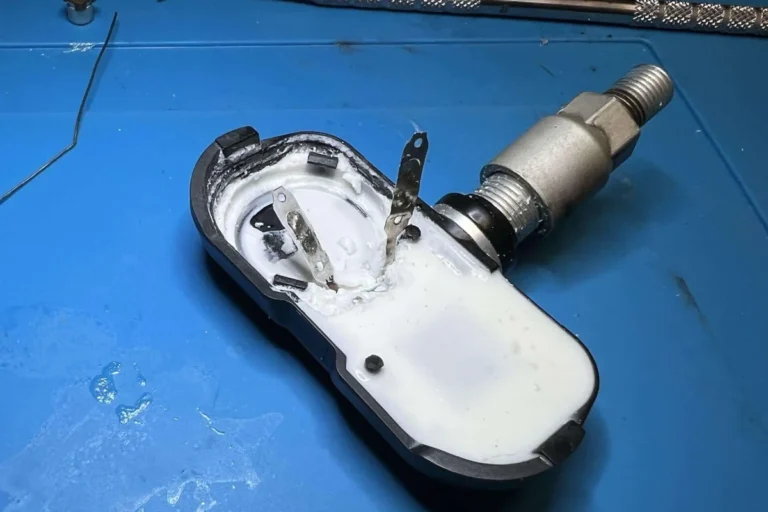
Can Speed Sensor Cause Limp Mode
Yes, a faulty speed sensor can cause limp mode if the vehicle no longer trusts speed data. But wiring, tone rings, fluid issues, and control-module faults can create the same symptoms, so diagnosis matters.
Yes—a bad speed sensor can absolutely cause limp mode in many vehicles. When the engine computer or transmission control module no longer trusts vehicle speed data, it may limit power and shifting to protect the drivetrain.
That means the sensor is a real suspect, but it is not the only one. The safest approach is to confirm the fault with codes, live data, and a careful inspection before replacing parts.
- Yes, it can: A bad speed sensor may trigger limp mode when speed signals become unreliable.
- Look for patterns: Speedometer issues, harsh shifting, and warning lights often appear together.
- Don’t guess: Scan codes and inspect wiring before replacing the sensor.
- Check related causes: Low transmission fluid, tone ring damage, and module faults can mimic sensor failure.
- Verify fitment: Sensor type and compatibility can vary by vehicle, transmission, and build date.
Can a Speed Sensor Cause Limp Mode? Quick Answer and What It Means
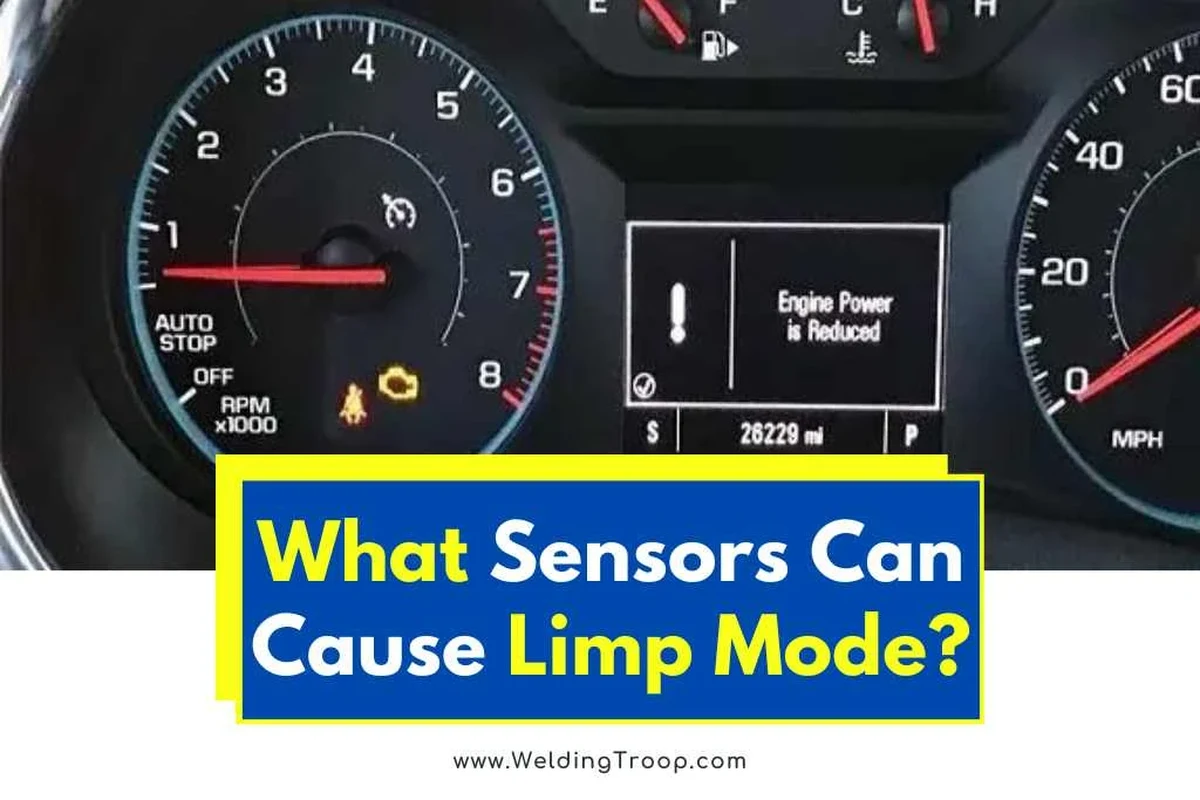
A speed sensor can cause limp mode when the control module sees missing, erratic, or impossible speed information. In modern vehicles, that data helps the computer decide when to shift, how much torque to allow, and whether a fault is serious enough to protect the transmission or engine.
Limp mode is not a diagnosis by itself. It is the vehicle’s protective fallback strategy, so the real question is why the speed signal became unreliable in the first place.
How a Speed Sensor Works in Modern Vehicles
Speed sensors turn motion into electrical signals the vehicle can read. Depending on the design, they may monitor transmission output speed, wheel speed, or both, then send that information to the engine control unit, transmission control module, ABS system, or traction control system.
Vehicle speed sensor vs. wheel speed sensor: what each one does
A vehicle speed sensor, often called a VSS, usually helps the powertrain understand how fast the vehicle is moving. A wheel speed sensor is typically part of the ABS and stability control system and tracks the rotation of individual wheels.
Some vehicles share speed data across multiple systems, so a fault in one sensor can affect more than one warning light. That is why a dashboard symptom may look like a transmission problem even when the root cause is in the ABS or wheel-speed circuit.
How sensor data affects transmission, traction control, and engine protection
The transmission uses speed data to time shifts and manage line pressure. Traction control and stability systems compare wheel speeds to detect slip, while the engine computer may reduce power if the data looks unsafe or inconsistent.
If the vehicle cannot verify speed correctly, it may shift harshly, stay in one gear, or lock out higher gears. That behavior helps prevent damage, but it can feel dramatic to the driver.
Some vehicles use speed information from the ABS system even when the speedometer appears to be a separate feature, so one sensor fault can create multiple symptoms at once.
Why a Faulty Speed Sensor Can Trigger Limp Mode
Control modules are designed to fail safely. If the speed signal becomes unreliable, the software may assume the vehicle is in a risky condition and limit performance instead of allowing normal operation.
Common failure signals: erratic readings, no signal, or implausible data
Three common patterns often point to a speed sensor problem: a signal that jumps around, a signal that disappears completely, or a reading that does not match reality. Any of those can confuse the computer enough to trigger protective behavior.
Intermittent faults are especially frustrating because the vehicle may work normally for a while and then suddenly enter limp mode. Heat, vibration, corrosion, or damaged wiring can make the fault appear and disappear.
How the ECU reacts when speed data becomes unreliable
When the ECU or transmission controller cannot trust the speed signal, it may store a fault code, turn on warning lights, and restrict shifting or throttle response. In some vehicles, the system may also disable cruise control, traction control, or ABS-related features.
The exact reaction depends on the make, model, and control strategy. That is why the official service manual or manufacturer diagnostic flowchart is often the best reference for a specific vehicle.
Symptoms That Point to a Speed Sensor Problem
Speed sensor issues can create a cluster of symptoms that seem unrelated at first. The key is to look for patterns involving speed readings, shifting behavior, and warning lights together.
Warning lights, harsh shifting, speedometer issues, and reduced power
Common signs include a check engine light, ABS light, traction control light, a dead or erratic speedometer, delayed shifts, harsh shifts, and reduced engine power. Some vehicles also feel stuck in one gear or refuse to accelerate normally.
If the speedometer drops to zero while the vehicle is moving, that is a strong clue. If the transmission also shifts poorly at the same time, the speed signal deserves close attention.
- Pay attention to whether the problem starts after rain, washing, or driving over bumps.
- Note whether the speedometer, ABS light, and limp mode happen together or separately.
- Write down the exact conditions when the fault appears so diagnostics are faster.
Other issues that can mimic limp mode and how to tell them apart
Low transmission fluid, a clogged filter, failing solenoids, throttle body faults, engine misfires, and wiring damage can all cause similar symptoms. A bad battery, weak charging system, or poor ground connection can also confuse control modules and create false limp-mode behavior.
The difference often shows up in scan data and fault codes. A true speed sensor issue usually leaves clues in the speed-related circuit, while a fluid or solenoid issue may point more directly to transmission pressure or gear-ratio errors.
What to Check Before Replacing the Sensor
Replacing the sensor first is tempting because the part is relatively simple, but that can waste money if the real issue is elsewhere. A better plan is to check codes, wiring, connectors, and related components before ordering parts.
- Check compatibility, model number, app requirements, dimensions, ports, wattage, and intended use
- Confirm safety guidance, warranty, return policy, privacy settings, and update support
Scan tool codes, wiring condition, connectors, and fluid-related causes
Start with a scan tool and look for speed sensor, transmission, ABS, or communication codes. Then inspect the harness for chafing, corrosion, loose pins, oil intrusion, or a connector that does not lock firmly.
Also check transmission fluid level and condition if your vehicle uses a transmission-mounted speed sensor. Low or dirty fluid can create shifting problems that look like sensor failure, especially when the vehicle is hot.
When the problem is the sensor, harness, tone ring, or transmission control
The sensor may be bad, but so may the wiring between the sensor and the module. On some vehicles, a damaged tone ring, reluctor wheel, or encoder ring can create a false speed signal even when the sensor itself is fine.
In more complex cases, the transmission control module or ABS module may be the actual source of the problem. That is why live data comparison matters: if one wheel or one speed channel is inconsistent while the others look normal, the fault location becomes easier to narrow down.
How to Diagnose the Issue Safely and Accurately
Most DIY owners can do a basic inspection without special tools, but deeper electrical testing may require a meter, scan data, and model-specific knowledge. If you are not comfortable working around the transmission, brakes, or underbody wiring, professional help is often the smarter choice.
Stop and seek professional guidance if the vehicle has severe shifting problems, repeated stall behavior, burning fluid smell, or multiple warning lights that return immediately after clearing.
Basic inspection steps for DIY owners
Use a scan tool to identify whether the fault points to vehicle speed, wheel speed, transmission output speed, or communication issues.
Look for broken clips, corrosion, fluid contamination, rubbing, or bent pins before touching the sensor itself.
Check whether the speed reading changes smoothly as the vehicle moves and whether one sensor disagrees with the others.
Verify battery voltage, charging health, transmission fluid condition, and any obvious mechanical damage near the sensor area.
When professional diagnostics are the better choice
Professional diagnostics make sense when the codes are vague, the fault is intermittent, or the vehicle needs deeper electrical testing. A technician can compare live data more efficiently and check module-level faults that a basic handheld scanner may not reveal.
This is especially important on vehicles where the speed signal passes through multiple modules. A simple parts swap may not solve a communication or control issue.
Replacement Considerations, Costs, and Long-Term Reliability
If the diagnosis points clearly to the sensor, replacement is often straightforward. The bigger decision is choosing the right part and making sure the underlying problem will not damage the new sensor or bring the limp mode back.
OEM vs. aftermarket speed sensors: fit, quality, and value
OEM sensors are usually the safest choice when fitment and signal accuracy matter most. Aftermarket sensors can be a good value, but quality varies by brand, and some vehicles are more sensitive to small differences in signal output or connector design.
Before buying, confirm the exact part number, connector style, mounting style, and vehicle compatibility. For some models, the same name can cover multiple sensor variants depending on trim, drivetrain, or transmission type.
Compatibility can vary by engine, transmission, axle ratio, ABS setup, and build date. Always verify the VIN-based part listing or the manufacturer’s catalog before ordering.
Installation risks, calibration needs, and common mistakes to avoid
Common mistakes include forcing a connector, damaging the seal, leaving debris near the sensor tip, or skipping relearn and calibration steps when the vehicle requires them. Some systems may need a drive cycle or scan-tool procedure after replacement.
Do not ignore the tone ring or harness if the new sensor fails quickly. Replacing parts without fixing the cause can turn a simple repair into a repeat problem.
Final Recommendation: When a Speed Sensor Is the Likely Cause of Limp Mode
If limp mode appears with speedometer problems, transmission shifting issues, and speed-related fault codes, the speed sensor is a strong candidate. If the symptoms are paired with wiring damage, fluid problems, or multiple unrelated codes, the sensor may be only part of the story.
For most drivers, the best next step is a code scan, a visual inspection, and a live-data check before replacing anything. If the fault is intermittent or the vehicle has multiple modules involved, professional diagnosis is usually worth it because it reduces guesswork and avoids unnecessary parts replacement.
- A bad speed sensor can trigger limp mode when the control module no longer trusts vehicle speed data.
- Wiring, tone rings, low fluid, and module faults can create the same symptoms.
- Scan codes and live data before replacing the sensor to avoid unnecessary repairs.
Best next steps for drivers, DIYers, and budget-conscious repairs
Drivers should document symptoms and avoid pushing the vehicle hard if limp mode returns. DIYers can start with code reading and connector inspection, while budget-conscious repairs should focus on confirming the exact fault before buying parts.
If the vehicle is unsafe to drive, shifting unpredictably, or repeatedly losing power, stop and get it checked by a qualified technician.
Frequently Asked Questions
Yes. If the control module cannot trust vehicle speed data, it may limit power or shifting to protect the drivetrain.
Common signs include a check engine light, ABS or traction control lights, a dead speedometer, harsh shifting, and reduced power.
Yes. Low or dirty fluid can cause shifting problems that look similar to sensor failure, so it should be checked during diagnosis.
Not always. It is better to read codes, inspect the wiring and connector, and compare live data before replacing parts.
Yes. On many vehicles, wheel speed data supports ABS, traction control, and stability systems, which can influence limp-mode behavior.
Sometimes. Some vehicles require a relearn, scan-tool procedure, or drive cycle, so the service manual should be checked first.