Can a Camshaft Sensor Cause a Misfire
Yes, a bad camshaft sensor can cause a misfire, but it is only one of several possible causes. Check the codes, inspect the wiring, and rule out ignition or fuel problems before replacing parts.
A bad camshaft position sensor can cause a misfire, but it is not the only likely cause. In many vehicles, it creates timing and fuel-injection problems that feel like a misfire, so the real fix depends on the codes, symptoms, and how the engine is behaving.
- Cam sensor faults can mimic misfires: Bad timing data can disrupt fuel injection and engine operation.
- Codes are clues, not proof: Misfire codes and cam sensor codes often overlap with other faults.
- Wiring matters: Loose connectors, corrosion, and damaged harnesses can act like a failed sensor.
- Ignition and fuel issues are common: Plugs, coils, injectors, and vacuum leaks often cause the same symptoms.
Can a Camshaft Sensor Cause a Misfire? Quick Answer and What It Means
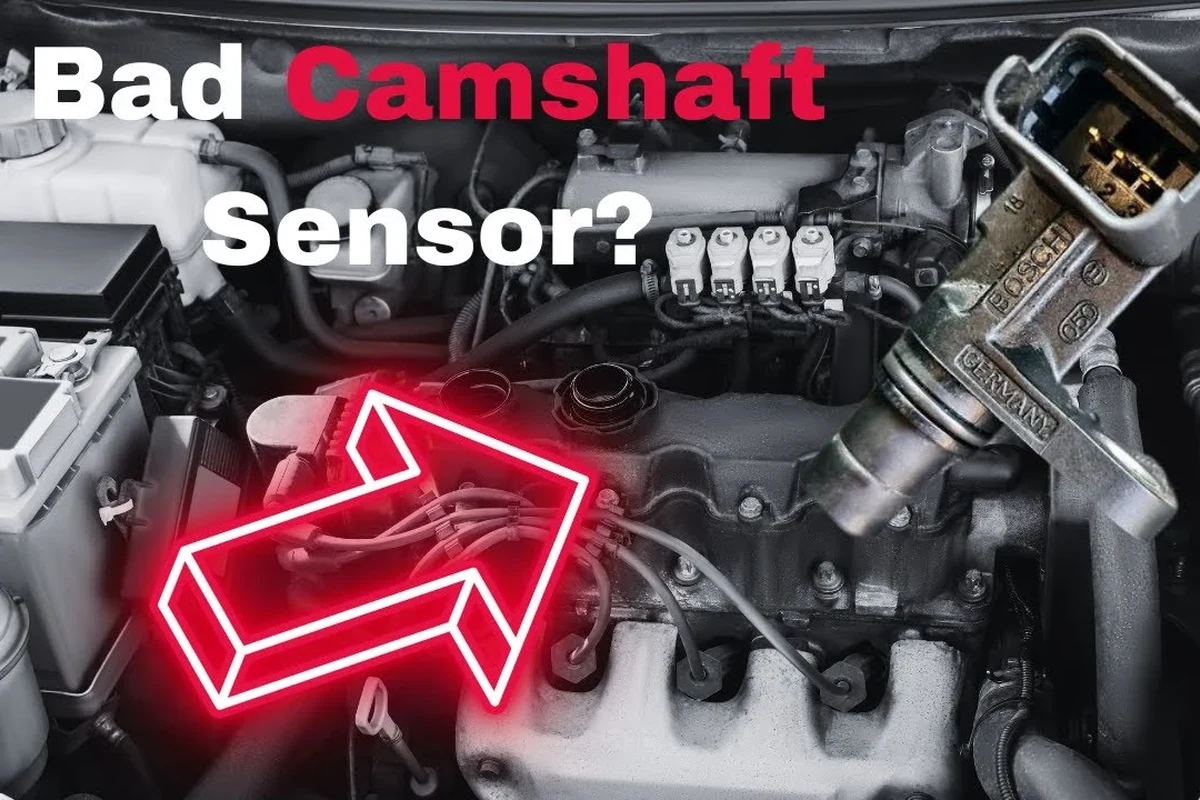
Yes, a failing camshaft sensor can contribute to a misfire by sending incorrect or missing timing information to the engine computer. When that signal is unstable, the engine may not know exactly when to inject fuel or coordinate spark events, which can lead to rough running, hesitation, or stalling.
That said, a camshaft sensor is often only one piece of the puzzle. A true misfire can also come from ignition, fuel, air, wiring, or mechanical issues, so it is best to treat the sensor as a possible cause rather than the automatic answer.
How a Camshaft Position Sensor Works in the Engine Timing System
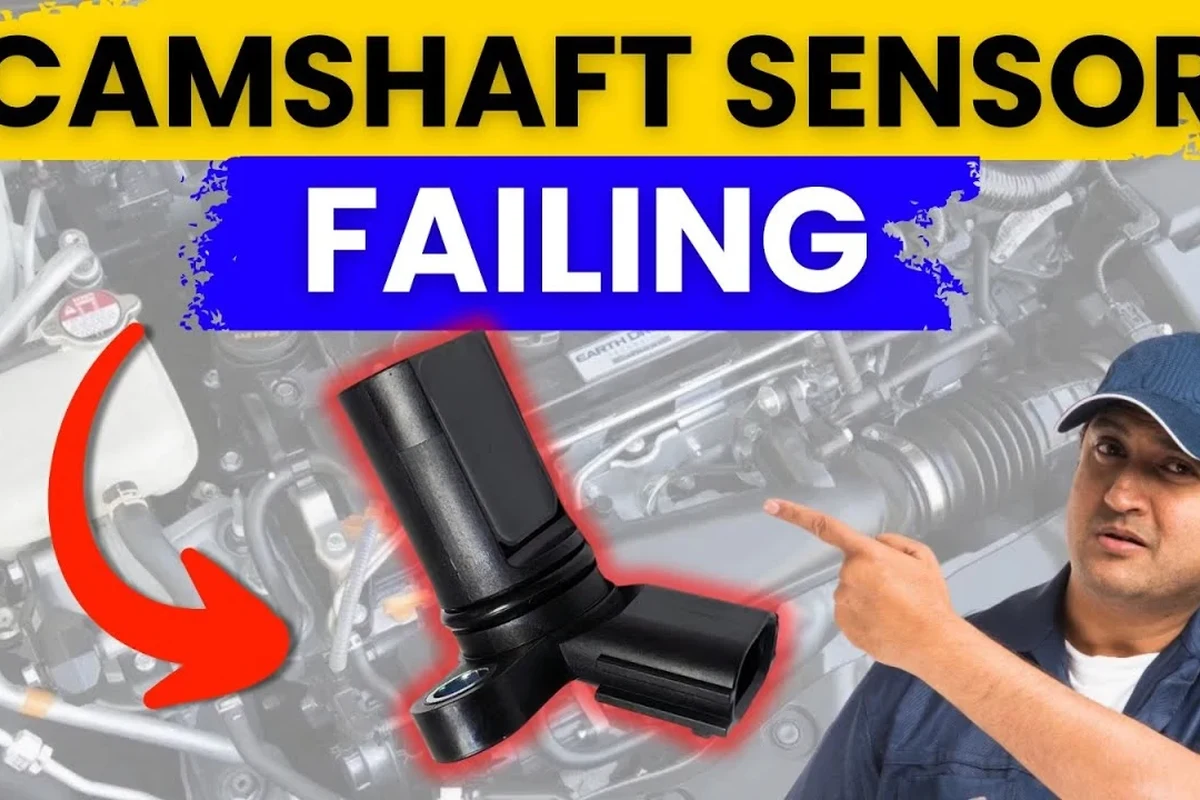
The camshaft position sensor helps the engine control module understand where the camshaft is in its rotation. That information is used to synchronize fuel injection and, on some systems, to coordinate ignition timing and variable valve timing strategies.
When the sensor signal is clean, the engine computer can manage combustion more precisely. When the signal drops out, becomes noisy, or reports the wrong position, the engine may stumble because the computer is working with incomplete timing information.
Camshaft sensor vs. crankshaft sensor: why both matter
The camshaft sensor and crankshaft sensor work together. The crankshaft sensor tracks engine speed and crank position, while the camshaft sensor helps the computer identify which cylinder is on the compression stroke.
If either sensor fails, the engine may misfire, stall, or refuse to start. In some vehicles, a cam sensor problem is more obvious during starting or low-speed operation, while a crank sensor problem can cause broader shutdown or no-start symptoms.
How timing signals affect fuel injection and spark
Modern engines rely on precise timing data to decide when to open injectors and, in many cases, when to fire coils. If the cam sensor signal is erratic, the computer may delay or misplace those commands.
That can create a cylinder that gets fuel at the wrong moment or a combustion event that is not fully synchronized. The result may feel like a classic misfire even though the root issue is timing data, not a bad spark plug.
Some vehicles can still run with a failing camshaft sensor by using backup strategies, but drivability usually gets worse as the signal becomes less reliable.
Signs a Bad Camshaft Sensor Can Look Like a Misfire
The tricky part is that cam sensor failure does not always look the same from one vehicle to another. Some drivers notice a clear misfire, while others notice intermittent stumbling, delayed starting, or a stall that appears and disappears.
Common symptoms: rough idle, hesitation, stalling, hard starts
A rough idle is one of the most common signs people associate with a cam sensor issue. You may also notice hesitation when accelerating, a stumble at low RPM, or a hard start that becomes more frequent over time.
Intermittent stalling is another clue, especially if the engine restarts after sitting briefly. If the problem changes with heat, vibration, or weather, that can point to a sensor, connector, or wiring fault rather than a simple wear item.
Check engine light codes and what they can suggest
OBD2 trouble codes can help narrow the cause, but they do not always name the exact failed part. Camshaft sensor-related codes, cam/crank correlation codes, or cylinder-specific misfire codes may appear together.
It is also possible to see misfire codes without a cam sensor code at all. That is why live data and a basic inspection matter before buying parts based on the code alone.
Code definitions and diagnostic paths vary by make, model, and engine family. Always confirm the exact code description in the vehicle service information or owner’s manual before replacing parts.
When a Misfire Is Actually Caused by Something Else
A misfire is a symptom, not a diagnosis. If you replace the camshaft sensor without checking the rest of the ignition and fuel system, the engine may keep misfiring and the warning light may return.
Ignition coil, spark plug, and fuel delivery problems
Worn spark plugs, weak ignition coils, damaged plug wires, and poor fuel delivery are common misfire causes. These problems often show up under load, during acceleration, or when the engine is cold.
If only one cylinder is misfiring, the issue is often more localized, such as a coil, plug, injector, or compression problem. If multiple cylinders are affected, the cause may be broader, such as fuel pressure, vacuum leaks, or a sensor signal affecting the whole engine.
Vacuum leaks, wiring faults, and mechanical engine issues
Vacuum leaks can create a lean condition that feels like a misfire, especially at idle. Damaged wiring, corroded connectors, or poor grounds can also interrupt the cam sensor signal and mimic a failed sensor.
Mechanical issues matter too. Low compression, timing chain wear, valve problems, or incorrect valve timing can all produce misfire symptoms that no sensor replacement will fix on its own.
If the check engine light is flashing, avoid extended driving. A severe misfire can overheat and damage the catalytic converter, so the vehicle should be inspected promptly.
How to Diagnose the Problem Safely and Accurately
Start with the simplest checks first. A careful inspection can save time and prevent unnecessary part replacement.
Visual inspection, connector checks, and wiring condition
Look for loose connectors, broken locking tabs, oil contamination, cracked insulation, or wires that have rubbed against hot or moving parts. Cam sensors are often exposed to heat and vibration, so connector problems are common enough to matter.
If the sensor sits near oil leaks or road splash, inspect the plug and harness closely. Corrosion or oil intrusion can weaken the signal even when the sensor itself is not fully dead.
Make sure the plug is fully seated and the terminals are clean, straight, and dry.
Look for cuts, melted sections, or chafing near brackets, covers, and the timing area.
See whether the problem is a cam sensor code, a cylinder misfire code, or both.
Using an OBD2 scanner and live data to narrow the cause
An OBD2 scanner can tell you more than stored codes alone. Live data may show unstable camshaft signal readings, cam/crank correlation issues, or misfires that happen only at idle or under load.
Compare the data with the symptoms. If the cam signal drops out when the engine warms up, that is more suggestive of a sensor or wiring issue than a random spark plug failure.
Clear codes only after you have recorded them. If you erase the fault too early, you may lose useful clues about whether the problem is intermittent or constant.
When to stop DIY troubleshooting and get professional help
If you see repeated misfire codes, cam/crank correlation faults, or signs of internal engine timing trouble, it is time for a professional diagnosis. The same is true if the engine stalls in traffic, runs extremely rough, or has a flashing check engine light.
A technician can check waveform patterns, mechanical timing, fuel pressure, and cylinder health with tools most drivers do not have. That matters because an incorrect guess can waste money and leave the real issue unresolved.
Do not keep driving a vehicle that is stalling, backfiring, or flashing the check engine light. Get the engine evaluated before the misfire causes more damage.
What to Look for in a Replacement Camshaft Sensor
If the sensor is confirmed bad, the replacement choice matters. Fit, connector shape, and signal compatibility are more important than a generic “fits most” claim.
OEM vs. aftermarket fit, compatibility, and sensor quality
OEM parts usually offer the safest match when the exact engine is sensitive to signal quality or when the original sensor has a known calibration profile. Quality aftermarket parts can also work well, but compatibility should be verified carefully.
Because sensor behavior can vary by engine family and model year, do not assume every part with the same name will perform the same way. Confirm the exact engine code, connector style, and mounting style before ordering.
Critical specs to verify: connector type, mounting style, and engine code
Check whether the sensor uses a single-bolt mount, a clip-in design, or a different retention style. Also verify the connector pin count and shape, since a physical fit does not guarantee the signal is correct.
Value factors: warranty, return policy, and brand reputation
For a sensor part, value is not only about price. A clear warranty, a reasonable return policy, and a reputable brand can matter more than a small upfront savings if the fit or signal quality is uncertain.
Because availability and support policies vary by seller, confirm those details before buying. Keep the packaging and part number until you know the repair has solved the problem.
Installation, Care, and Common Mistakes to Avoid
Even a good replacement sensor can fail to solve the issue if it is installed incorrectly or if the underlying problem was elsewhere. Careful handling and clean connections help the repair last longer.
Safe installation basics and handling precautions
Follow the vehicle service manual for access, torque, and connector handling. Disconnect power only when the manufacturer recommends it, and avoid forcing a connector that does not line up cleanly.
Keep the sensor tip and connector clean. Oil, dirt, or damaged seals can interfere with the signal or create repeat electrical problems after installation.
- Match the part number to the exact engine code before installation.
- Inspect nearby wiring and grounds while the sensor is accessible.
- Use the service manual for torque and routing details.
Common errors that can cause repeat misfires after replacement
One common mistake is replacing the cam sensor while ignoring spark plugs, coils, or fuel issues. Another is installing the wrong part number because the connector looks similar but the signal profile is different.
Reusing a damaged connector, leaving oil leaks unresolved, or pinching the harness during reassembly can also bring the problem back. If the code returns quickly, revisit the wiring and related systems instead of assuming the new sensor is defective.
Maintenance tips and when to inspect the sensor again
Cam sensors do not usually need routine service, but they should be checked again if the engine develops new rough-running symptoms, oil leaks, or intermittent no-start behavior. Heat, vibration, and contamination can shorten sensor life over time.
If your vehicle has a history of timing cover leaks, valve cover leaks, or harness damage, periodic inspection is worth the effort. Preventing contamination and connector wear is often easier than chasing repeat drivability issues later.
Final Recommendation: Is the Camshaft Sensor the Likely Cause?
Use the symptoms and codes together. If you have cam sensor-related codes, stalling, hard starts, or rough idle that changes with heat or vibration, the sensor or its wiring becomes a strong suspect.
If the misfire is isolated to one cylinder, or if you have worn plugs, weak coils, fuel delivery complaints, vacuum leaks, or compression concerns, look there first. A camshaft sensor can cause a misfire, but it is only one possible root cause in a larger engine timing and combustion system.
Best next step based on symptoms, codes, and vehicle age
For an older vehicle with multiple drivability issues, start with a full scan, wiring inspection, and basic ignition checks. For a newer vehicle with a clear cam sensor code and matching symptoms, verify the exact part number and service data before replacing the sensor.
Bottom-line verdict for drivers in 2026
The camshaft sensor is a real and plausible misfire cause, especially when timing signals are unstable. The smartest approach is to confirm the code pattern, inspect the wiring, and rule out ignition and fuel problems before replacing parts.
Frequently Asked Questions
Yes, a failing camshaft sensor can trigger a misfire by giving the engine computer the wrong timing information. That can affect fuel injection and, on some vehicles, spark coordination.
Common symptoms include rough idle, hesitation, hard starts, stalling, and sometimes a check engine light. The exact pattern depends on the vehicle and how unstable the sensor signal is.
If the check engine light is flashing or the engine is stalling, it is safer to stop driving and get it inspected. Continued driving can worsen the problem and may damage the catalytic converter.
Camshaft sensor codes, cam/crank correlation codes, and some misfire codes can all point in that direction. You should confirm the exact code meaning in the vehicle service information.
Not automatically. If the misfire is caused by worn plugs or weak coils, those should be addressed first or at the same time as the sensor diagnosis.
Verify the exact engine code, connector type, and mounting style. It is also smart to check warranty terms, return policy, and the official compatibility listing.