Are Cheap Qi2 Chargers Safe and Worth Buying
Cheap Qi2 chargers can be safe, but only when the listing is transparent, the adapter is correct, and the charger manages heat well. If the specs are vague or the build feels flimsy, it is smarter to spend more.
Cheap Qi2 chargers can be safe, but only if they are genuinely Qi2-compliant, paired with the right power adapter, and built with decent heat management. The bigger risk is not “cheap” by itself—it is vague listings, weak quality control, poor thermals, and missing compatibility details.
- Safety depends on specs: Clear Qi2 support, proper adapter requirements, and honest compatibility matter most.
- Heat is the main risk: Poor alignment, weak thermals, and bad cables can raise temperatures and reduce reliability.
- Cheap works best in light-duty roles: Secondary spots, travel, and occasional charging are better fits than heavy daily use.
- Inspect before and during use: Frayed cables, cracked housings, burnt smells, and repeated disconnects mean stop using it.
- Spend more when it matters: For daily charging and premium devices, better documentation and heat control are worth paying.
Are Cheap Qi2 Chargers Safe? Quick Answer and Bottom Line
Yes, some inexpensive Qi2 chargers are safe enough for everyday use, especially when they come from a trustworthy seller and clearly state their Qi2 support, power requirements, and device compatibility. The safest budget options are usually the ones that look boring: clear specs, proper certifications, honest wattage claims, and no exaggerated promises.
The problem is that many low-cost listings blur the line between Qi, Qi2, and “magnetic wireless charging.” If a charger is missing basic information, ships with an unknown adapter, or feels flimsy, it is better to skip it than to gamble on heat, instability, or poor battery care.
How Qi2 Charging Works and Why Price Matters
Qi2 is built around magnetic alignment and wireless power delivery, which helps the phone sit in the right spot more consistently than a random magnetic pad. That alignment matters because wireless charging efficiency depends on how well the coils line up; a better fit usually means less wasted energy and less heat.
Price matters because lower-cost chargers often save money in places buyers do not see: internal components, thermal design, cable quality, and quality-control checks. A charger can look premium on the outside while using a weak circuit board or a poorly managed coil inside.
Qi2 certification, magnetic alignment, and power delivery basics
In practical terms, Qi2 is meant to improve the experience of magnetic wireless charging by standardizing alignment and behavior across compatible devices. For iPhone users and other supported phones, that can mean a more reliable connection, fewer charging interruptions, and better consistency than no-name magnetic pads.
That said, a product label alone is not enough. Buyers should look for the exact compatibility wording from the manufacturer and avoid assuming that “magnetic,” “fast,” or “for iPhone” automatically means true Qi2 support.
What cheap chargers often cut: materials, thermals, and quality control
Budget chargers often use thinner housings, lower-grade cables, and less robust internal thermal protection. Those shortcuts can make the charger run hotter, age faster, or behave inconsistently over time.
Quality control is another weak point. One unit may work fine while another from the same listing has a loose connector, noisy coil, or unstable charging behavior, which is why retailer reputation and return policy matter more than flashy marketing.
Qi2 support, charging speed, and included accessories can vary by model, region, firmware, and retailer bundle. Always confirm the exact listing and manual before buying.
What to Check Before Buying a Cheap Qi2 Charger in 2026
Before buying, treat the listing like a spec sheet, not an ad. If the seller cannot clearly explain wattage, adapter requirements, device compatibility, and safety certifications, that is a warning sign.
Rated wattage, cable quality, and included power adapter requirements
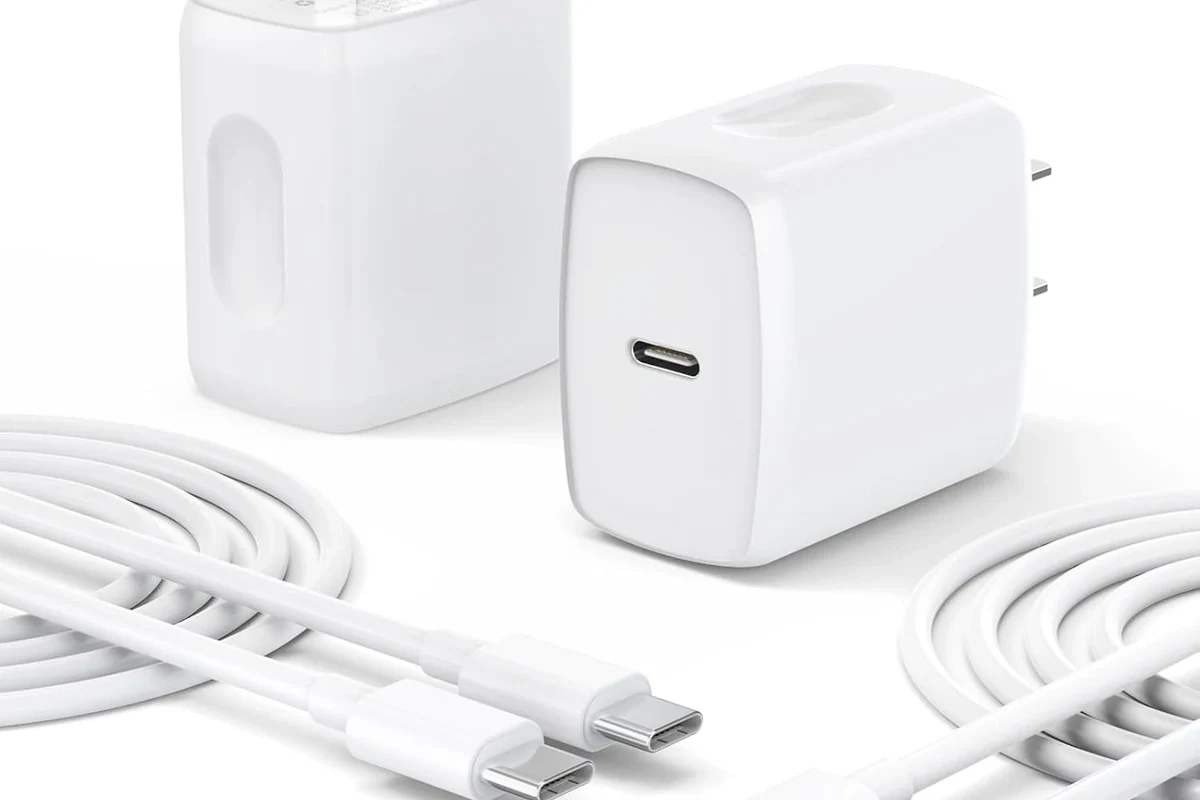
Check the charger’s rated input and output, then confirm what power adapter it needs. Many wireless chargers do not perform correctly with weak or low-quality adapters, even if the charger itself is fine.
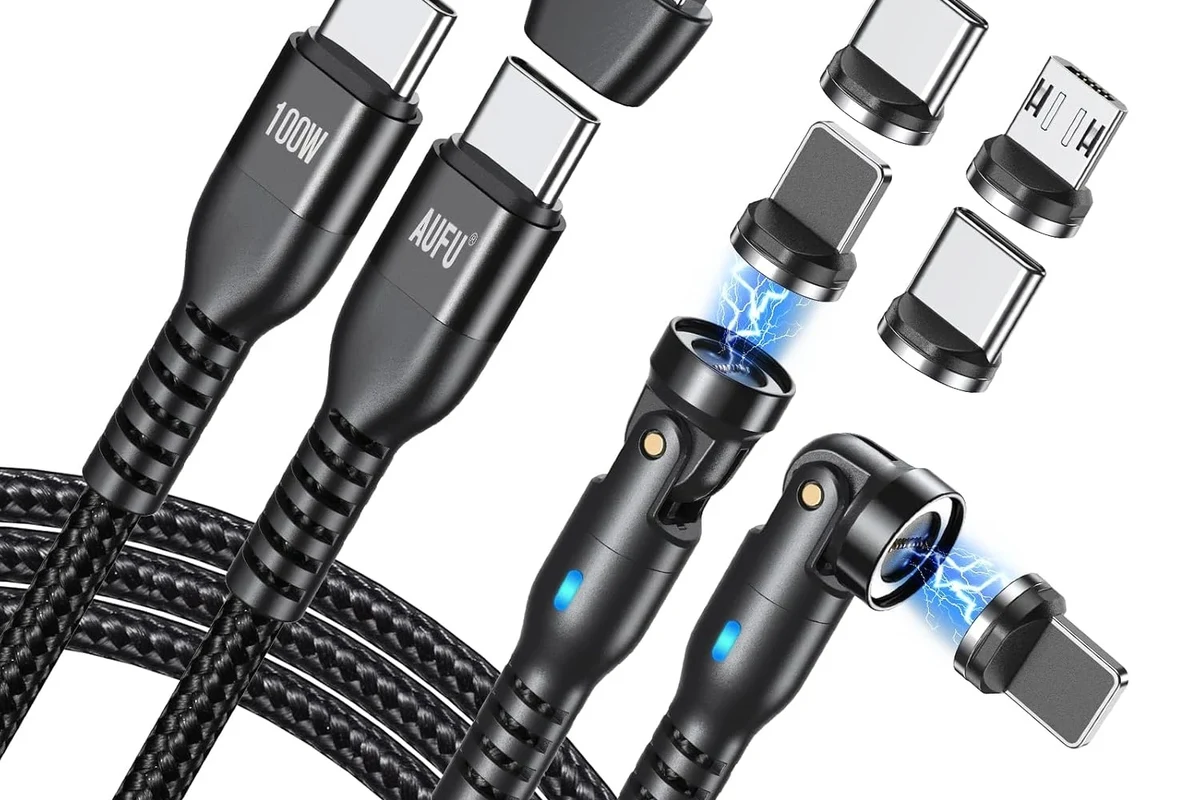
The cable matters too. A bargain charger with a flimsy cable can create charging dropouts, excess heat, or a loose connection at the wall or USB port. If the bundle includes an adapter, verify that it is from a known brand or clearly specified by the manufacturer.
- Check the exact Qi2 support wording and your phone model compatibility
- Confirm the required adapter wattage and whether one is included
- Inspect the cable, connector fit, and return policy before first use
- Look for clear safety markings, manual instructions, and warranty terms
Compatibility with iPhone, Qi2 phones, cases, and accessories
Qi2 chargers are most useful when the phone, case, and charger all cooperate. A thick case, metal plate, wallet attachment, or off-center ring can weaken the magnetic hold and reduce charging reliability.
If you use a case, confirm that the manufacturer explicitly says it is compatible with magnetic wireless charging. Even then, accessories can change the outcome, so a “works with MagSafe-style cases” claim should be treated as a starting point, not proof.
Build quality, certifications, and signs of a trustworthy listing
Look for a listing that names the manufacturer, provides a manual, and states the charger’s safety compliance clearly. A trustworthy product page usually explains what is included, what is required, and what devices are supported without vague hype.
Be cautious with missing brand names, recycled product photos, or too-good-to-be-true claims. If the listing avoids specifics about adapter compatibility, heat protection, or supported devices, the seller may be hiding weak engineering or poor documentation.
- Prefer listings that name the charger model, not just the marketplace title
- Keep the original packaging and manual until you confirm stable performance
- Use the charger only with the adapter wattage the manufacturer recommends
Safety Risks: Heat, Battery Stress, and Power Instability
Wireless charging always creates some heat, and heat is the main safety concern with cheap Qi2 chargers. A unit that runs too warm, loses alignment often, or cuts in and out can stress both the charger and the phone battery over time.
How to spot overheating, slow charging, and inconsistent magnetic hold
Warning signs include a charger that feels unusually hot, a phone that charges slowly despite a proper adapter, or a magnetic connection that slips too easily. You may also notice repeated start-stop charging sounds or notifications if the phone keeps reconnecting.
Those symptoms do not always mean the charger is dangerous, but they do mean something is wrong. It could be the case, the adapter, the cable, the phone position, or the charger itself—so isolate each variable before continuing to use it.
Common mistakes that make inexpensive chargers less safe
One common mistake is plugging a wireless charger into an underpowered or poor-quality adapter. Another is placing it on a soft surface like a bed or couch where heat cannot escape properly.
Users also create problems by stacking accessories between the phone and charger, covering the charger with papers or fabric, or ignoring visible wear on the cable. Cheap gear becomes riskier when it is used in the wrong environment or with the wrong setup.
Stop using any charger that smells burnt, becomes excessively hot, shows cracked plastic, has frayed cables, or causes repeated charging interruptions. Follow the manufacturer’s guidance and replace damaged equipment immediately.
Who Cheap Qi2 Chargers Fit Best — and Who Should Avoid Them
Budget Qi2 chargers are not automatically bad, but they are best treated as convenience accessories rather than mission-critical power gear. The right buyer is usually someone who wants a secondary charger and is willing to verify the details carefully.
Best for travel, bedside use, and secondary charging spots
A cheaper Qi2 charger can make sense for a guest room, office desk, travel bag, or occasional bedside use. In those scenarios, the charger may not face heavy daily wear, and convenience matters more than premium materials.
They are also useful when you want a backup charging spot and do not need the most polished build. If the charger is easy to replace and the device is not your only charging solution, the value equation improves.
Budget-minded buyers who need a secondary Qi2 charger for light to moderate use and can confirm the adapter, case, and device compatibility first.
Not ideal for heavy daily charging, hot environments, or premium devices
If you charge every night, live in a warm room, or rely on a charger all day on a desk, spending more often makes sense. Better thermals, sturdier cables, and more consistent magnetic alignment usually matter more in high-use situations.
Cheap chargers are also a less comfortable choice for expensive phones if the listing is vague or the seller has a weak track record. In that case, paying more for a reputable model can reduce the chance of nuisance problems and replacement hassle.
Real-World Value: When a Budget Qi2 Charger Is Worth It
The value of a cheap Qi2 charger depends on what you are giving up. If the savings are modest, a more reputable model may be the smarter buy because wireless charging gear is one of those categories where reliability usually matters more than a small price difference.
Performance trade-offs versus midrange and branded alternatives
Midrange and branded chargers often justify their cost with better documentation, more consistent magnetic alignment, and clearer support if something goes wrong. Budget models can still work well, but the trade-off is usually more uncertainty about heat, longevity, and accessory quality.
If a cheaper charger lacks clear specs, it is not just a “less premium” choice—it is a harder choice to trust. That uncertainty is the real cost.
- Lower upfront cost
- Good for secondary locations and travel
- Can be perfectly adequate when specs are clear
- More variation in build quality and thermals
- Higher chance of vague listings or weak accessories
- Less confidence for heavy daily use
Where savings make sense and where they do not
Savings make sense when the charger is for a backup spot, a short-term need, or a device that is not especially sensitive to charging convenience. They make less sense when you want a long-term bedside charger, a daily work desk charger, or something you will leave plugged in for hours every day.
In other words, buy cheap when the use case is forgiving and the listing is transparent. Spend more when reliability, heat control, and warranty support matter more than the initial discount.
Safe Use, Care, and Replacement Guidance
Even a decent Qi2 charger can become unsafe if it is neglected. Good setup, airflow, and regular inspection matter just as much as the original purchase.
Proper setup, airflow, cable inspection, and charging habits
Place the charger on a hard, flat surface with room for air to move around it. Keep it away from blankets, pillows, direct sunlight, and enclosed spaces that trap heat.
Inspect the cable and connector periodically for bends, fraying, or looseness. If the charger is used near a bed or desk, make sure the phone sits centered on the magnetic ring and does not slide off during the night.
Use a hard, open area so heat can escape and the charger stays aligned.
Match the charger with the manufacturer-recommended power adapter and cable.
If charging becomes erratic or hotter than usual, stop and inspect the setup.
When to stop using a charger and replace it immediately
Replace the charger right away if the housing cracks, the cable frays, the plug loosens, or the unit repeatedly disconnects under normal use. You should also stop using it if your phone reports abnormal charging behavior or if the charger stays hot for long periods without a clear reason.
When in doubt, consult the manufacturer’s manual, warranty terms, and any current safety notices. If the product has been recalled or the seller can no longer provide support, replacement is the safer move.
Final Recommendation: Buy Cheap Qi2 Chargers or Spend More?
Cheap Qi2 chargers are safe enough to consider when the listing is transparent, the adapter requirement is clear, and the charger is used in a well-ventilated, low-stress setup. They are worth buying for secondary locations, travel, or light everyday use if you are willing to check compatibility carefully.
If you want the safest long-term choice for daily charging, a slightly pricier model from a reputable brand is usually the better investment. The extra money often buys better thermals, clearer documentation, and fewer surprises—exactly what matters most in wireless charging gear.
Buy a cheap Qi2 charger only when the specs are clear, the seller is trustworthy, and the use case is low risk. If the listing is vague or the charger will be used heavily every day, spend more for better reliability and heat control.
Frequently Asked Questions
Some are safe if they clearly support Qi2, use the right adapter, and come from a trustworthy seller. Vague listings, poor thermals, and missing compatibility details are the main concerns.
Confirm the exact Qi2 support wording, required adapter wattage, cable quality, and device compatibility. Also check the manual, warranty, and return policy before you buy.
It can contribute to excess heat if alignment is poor, the adapter is underpowered, or the charger has weak thermal design. If the charger feels unusually hot or charging becomes erratic, stop using it and inspect the setup.
Often yes, because wireless chargers may need a certain adapter wattage to work properly. Always follow the manufacturer’s requirements rather than assuming any USB adapter will do.
They can be, but daily use raises the importance of heat control, cable durability, and consistent magnetic alignment. A midrange or branded model is often a better long-term choice for heavy use.
Replace it if the cable frays, the housing cracks, the charger runs unusually hot, or charging becomes unstable. Also stop using it immediately if there are burnt smells, visible damage, or a safety notice from the manufacturer.