Can You Change the Battery in a Tpms Sensor
Sometimes, but not usually as a simple DIY battery swap. Most TPMS sensors are sealed, so the better fix is often replacing the whole sensor unless the model is specifically rebuildable.
Yes, sometimes you can change the battery in a TPMS sensor, but in many vehicles the battery is sealed inside the sensor and the whole unit is replaced instead. The right answer depends on the sensor design, the vehicle, and whether the part was made to be serviced or rebuilt.
- Sealed is common: Many TPMS sensors are built as one sealed unit, so the battery is not.
- Check the exact model: OEM part numbers and sensor documentation determine whether a rebuild kit exists.
- Diagnosis first: A warning light can also come from damage, corrosion, or relearn issues, not just.
- Full replacement is often safer: It usually reduces leak risk and repeat labor on older or corroded sensors.
Can You Change the Battery in a TPMS Sensor? Short Answer and What It Means for Drivers
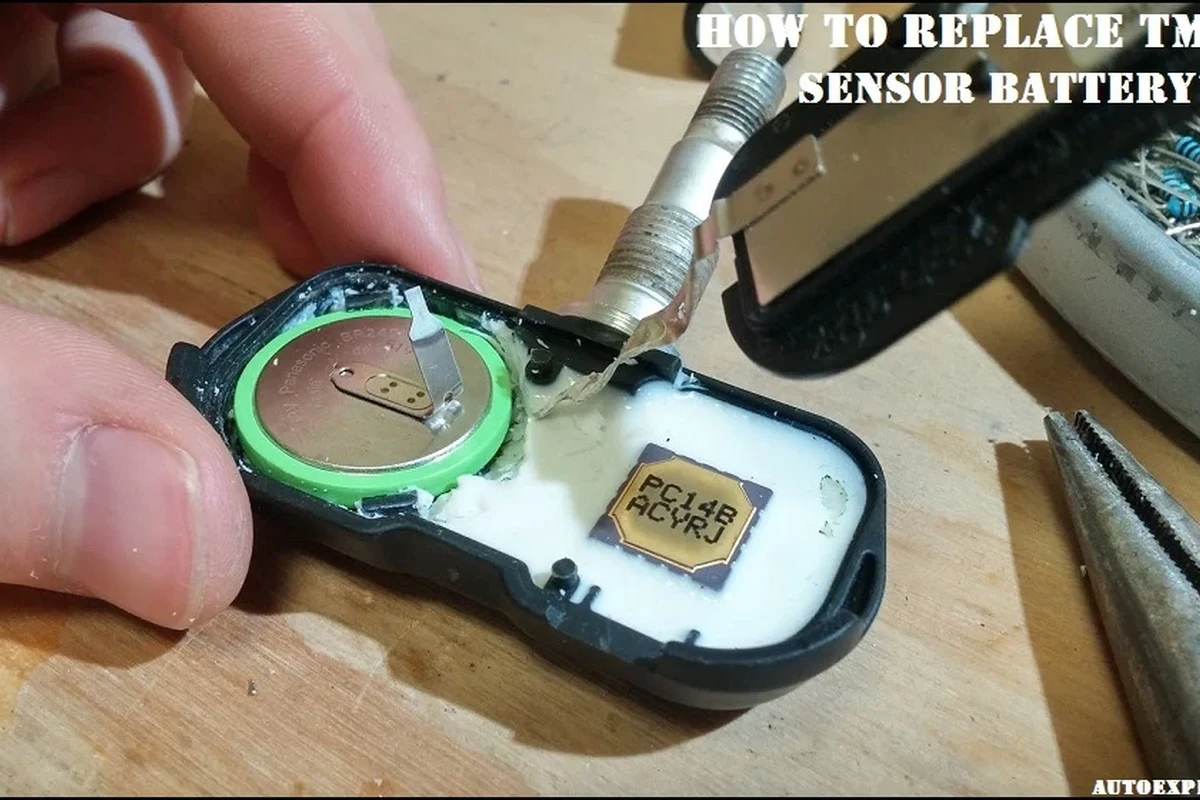
For most drivers, the practical answer is that a TPMS sensor battery is not a simple user-serviceable part. If the battery is sealed inside the sensor, swapping it usually means dismounting the tire, opening or rebuilding the sensor, and then relearning the system afterward.
That matters because TPMS is a safety-related convenience feature: when it stops reporting correctly, you lose reliable low-pressure warnings. If your dashboard light is on or the readings are erratic, the question is not just whether the battery can be changed, but whether it is worth the labor and risk compared with replacing the sensor.
How TPMS Sensors Work and Why the Battery Is Usually Sealed In
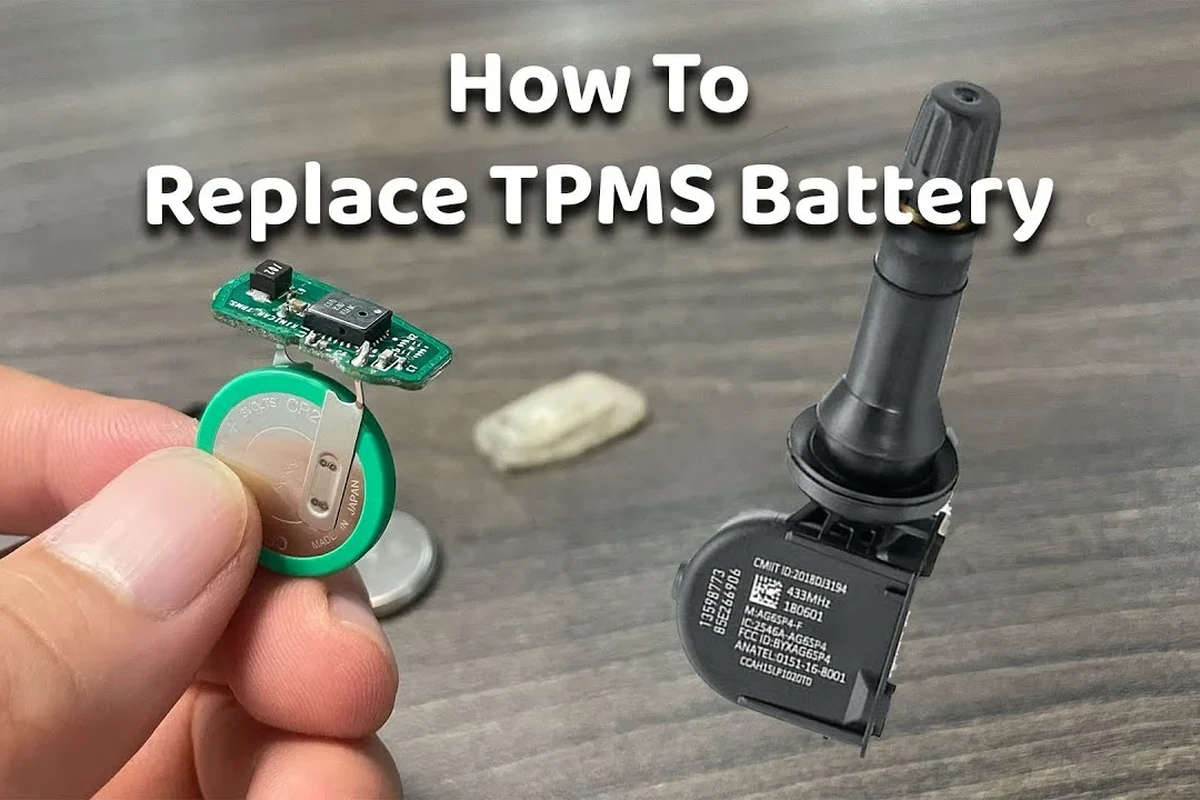
TPMS sensors sit inside or near the wheel and send pressure data wirelessly to the vehicle. Because they live in a harsh environment with vibration, heat, moisture, and brake dust, manufacturers often build them as compact sealed units rather than openable gadgets with a standard battery door.
That sealed design helps reduce leaks and physical damage, but it also limits serviceability. In many cases, the battery is expected to last for the life of the sensor, after which the entire sensor is replaced.
Direct-fit vs. programmable TPMS sensors
Direct-fit sensors are made to match a specific vehicle application, while programmable or universal sensors can be configured for multiple makes and models. Both types may still use sealed batteries, but programmable sensors can make replacement easier in the sense that the same sensor body may be used across more vehicles.
What changes is not always the battery access, but the service path. Some shops can clone or program a new sensor quickly, while a DIY owner may still need the correct tool, relearn procedure, and compatibility check.
Why most sensor batteries are not designed to be user-replaced
TPMS batteries are usually integrated into a sealed electronic assembly to protect the circuit from moisture and centrifugal force. Opening the case can compromise the seal, and a poor reseal can lead to corrosion, intermittent readings, or complete failure.
There is also a safety and reliability issue. A sensor that appears to work after a battery swap may still fail later if the housing, gasket, valve stem, or electronics were stressed during disassembly.
Do not pry open a TPMS sensor unless the specific sensor model is designed to be rebuilt and you have the correct service parts and procedures. Damaging a wheel-mounted sensor can cause air leaks or unreliable tire-pressure readings.
When a TPMS Sensor Battery Can Be Replaced vs. When the Whole Sensor Should Be Replaced
Some TPMS sensors are rebuildable, but many are not. The deciding factor is usually the sensor’s construction and the manufacturer’s service instructions, not the age of the vehicle alone.
If the sensor is a serviceable design and the right rebuild kit exists, battery replacement may be possible. If the sensor is fully sealed, replacement is usually the smarter and safer route.
Common signs of battery failure or end-of-life
A weak TPMS battery often shows up as an intermittent warning light, a sensor that drops off the display, or a tire that reports pressure only sometimes. In some vehicles, the system may also show a sensor communication fault rather than a simple low-pressure alert.
These symptoms can also come from other issues, including damage, corrosion, dead sensor electronics, or a tire shop forgetting to relearn the system after service. That is why diagnosis matters before buying parts.
Vehicle age, sensor design, and serviceability factors
Older vehicles are more likely to need sensor replacement simply because the original batteries have aged out. But newer vehicles can still use sealed, non-serviceable sensors, and some aftermarket options are designed for replacement rather than rebuild.
Serviceability also depends on wheel type, valve stem style, and whether the sensor is a snap-in rubber-stem design or a metal clamp-in style. Those details affect labor, leak risk, and the cost of doing the job correctly.
How to Tell Whether Your TPMS Sensor Is Repairable or Disposable
The safest way to answer the repair-or-replace question is to identify the exact sensor model and check the manufacturer documentation. A generic “TPMS battery” search is not enough because sensor construction varies widely.
Checking OEM part numbers and sensor documentation
Start with the OEM part number, the vehicle owner’s manual, or the sensor label if it is visible during service. The official parts catalog or sensor documentation should indicate whether the unit is sealed, rebuildable, or sold only as a complete assembly.
If the documentation is unclear, a tire shop or parts supplier with access to application data can often confirm whether a battery kit exists. Always verify the exact model and frequency/application before ordering anything.
Compatibility can vary by trim level, wheel package, market region, and model year. For 2026 vehicles and newer aftermarket sensors, confirm the exact application before assuming a sensor or rebuild kit will work.
Physical clues: crimped housings, sealed cases, and valve-stem styles
A crimped or welded housing is a strong sign that the sensor is not meant to be opened. Sealed plastic cases, molded seams, and integrated electronics usually point toward replacement rather than battery service.
Valve-stem style also matters. Snap-in rubber stems and clamp-in metal stems each have different service parts and wear points, so a “battery problem” may actually be a stem, seal, or corrosion issue.
Compatibility considerations for 2026 vehicles and aftermarket sensors
Modern vehicles increasingly rely on exact sensor IDs, frequency matching, and relearn procedures. An aftermarket sensor may be a good value, but only if it supports the vehicle’s protocol and can be programmed or cloned correctly.
For 2026 model-year vehicles, confirm support with the sensor maker, the vehicle manual, and the tire shop’s programming tool list. Compatibility is often the deciding factor between a quick replacement and repeated warning lights.
- Check the exact sensor part number and whether the battery is serviceable
- Confirm vehicle frequency, relearn method, and compatibility before ordering
- Verify valve-stem style, seal parts, and torque guidance from the manual
- Review warranty terms and recall or safety notices if available
Key Decision Criteria: Cost, Safety, Reliability, and Time
The best choice is not always the cheapest part. A TPMS repair should be judged by total cost, how long the vehicle will be down, and how much reliability you need from the system.
Replacement battery cost vs. full sensor replacement cost
A battery-only approach can look cheaper on paper, especially if the sensor body is reusable. But if the sensor must be opened, resealed, and tested, the labor and service parts can narrow the gap quickly.
Full sensor replacement often costs more up front but may reduce the risk of a second failure. For many drivers, that trade-off is worth it because the sensor is already in a demanding location and access requires tire service anyway.
Labor, relearn procedures, and downtime
Any TPMS service may require tire removal, balancing checks, and a relearn or reset procedure. If the vehicle needs a special scan tool or drive cycle, the time cost can be more than the part cost.
DIY owners should also factor in the inconvenience of a car that cannot be driven long with an active TPMS fault, especially if the system is masking a real low-pressure problem. A shop can often diagnose and complete the relearn faster if the vehicle is already due for tire work.
Risk trade-offs: leak prevention, corrosion, and sensor failure
Opening a sensor adds risk. Even if the battery is replaced successfully, the housing may not reseal perfectly, and a tiny leak or corrosion issue can create a new problem later.
That is why many technicians prefer replacing the entire sensor when the battery is near end of life. The goal is not just to restore a warning light; it is to keep the tire-pressure system dependable.
- Ask for the exact sensor part number before approving service.
- Replace valve stems, seals, and service kits when the design calls for it.
- Confirm the relearn procedure before leaving the shop.
- Keep the old sensor until the new one is verified working.
Step-by-Step Guide: What to Do If Your TPMS Sensor Battery Is Dying
If the system shows a TPMS warning, do not assume the battery is the only issue. Start with diagnosis, then decide whether the sensor is rebuildable, replaceable, or simply due for a full swap.
Confirm the warning with a scan tool or tire shop diagnosis
Use the vehicle’s display, a compatible scan tool, or a tire shop diagnosis to identify which wheel or sensor is failing. This helps separate a dead battery from a flat tire, damaged sensor, or communication fault.
If the vehicle is still showing correct pressure but the warning remains, the issue may be a sensor ID or relearn problem instead of battery failure.
Inspect the tire, valve stem, and sensor condition
Have the tire removed or inspected by a qualified shop if the sensor is inside the wheel. Look for corrosion, cracked stems, missing seals, or physical damage to the sensor body.
If the stem or seal is worn, replacing only the battery will not solve the whole problem. In that case, the service kit or full sensor replacement is usually the better path.
Choose repair, rebuild, or full replacement based on the sensor type
If the sensor is explicitly rebuildable and the correct battery kit is available, a repair may make sense. If the sensor is sealed or the housing is damaged, replace the complete sensor instead of forcing an opening procedure.
When in doubt, compare the labor involved with the expected remaining life of the vehicle. Older or high-mileage vehicles often justify a full replacement for better long-term reliability.
Relearn, reset, and verify proper pressure readings
After any TPMS service, the vehicle may need a manual reset, an automatic drive cycle, or a tool-based relearn. Follow the owner’s manual or the sensor maker’s instructions exactly.
Then verify that each tire reports correctly and that the warning light stays off after a short drive. If a sensor still drops out, recheck compatibility and installation before assuming the new part is defective.
Stop using damaged sensors, leaking valve stems, or corroded wheel hardware until the tire shop or manufacturer guidance confirms the system is safe to return to service.
Common Mistakes, Safety Limits, and Maintenance Tips
Most TPMS mistakes happen when people treat the sensor like a simple removable battery device. In reality, it is a sealed electronic part that lives in a demanding environment and often needs careful handling.
Why DIY battery swaps often damage sealed sensors
Many DIY attempts fail because the housing is not meant to be opened, the seal gets damaged, or the wrong battery chemistry is used. Even if the sensor powers on, it may not survive long-term exposure to moisture and wheel heat.
If the sensor was not designed for user battery replacement, the safest DIY move is to replace the sensor or bring the wheel to a qualified tire shop.
Safe handling during tire removal and reinstallation
TPMS sensors can be damaged during tire mounting if the technician is careless with the bead breaker or valve area. The wheel should be handled with the sensor’s location in mind, and torque specs should follow the vehicle or sensor instructions.
After reinstallation, check for leaks and make sure the system reports normally before the vehicle is returned to regular use.
Maintenance habits that can extend TPMS life
Keeping tires properly inflated reduces stress on the system because the sensor is not constantly reacting to underinflation events. Routine wheel service also gives technicians a chance to spot corrosion or damage early.
It also helps to avoid ignoring a TPMS warning for long periods. Quick diagnosis can prevent a small pressure issue from turning into a tire or sensor problem.
Storage and care for spare sensors and service parts
If you keep spare sensors or rebuild parts, store them in a cool, dry place and follow the manufacturer’s shelf-life guidance if provided. Loose parts should be kept clean and labeled by vehicle application to avoid mix-ups.
For shops and frequent tire changers, organized storage matters because programming mistakes and wrong-application parts are common sources of repeat work.
Final Verdict: Should You Try to Change the Battery in a TPMS Sensor?
For most drivers, the best answer is no, not as a casual DIY job. If the sensor is sealed, replacing the whole unit is usually safer, faster, and more reliable than trying to open it.
Best choice for DIY owners
DIY owners should only attempt a battery change if the specific sensor is documented as rebuildable and the correct kit is available. Even then, it is smart to compare the effort against the price of a complete sensor and the cost of a relearn.
Best choice for shops and high-mileage drivers
Shops and high-mileage drivers usually benefit from full sensor replacement when the battery is aging out. It reduces repeat labor, lowers the chance of a reseal problem, and restores the system with a cleaner long-term result.
Value recommendation based on sensor age and vehicle needs
If the sensor is newer, rebuildable, and easy to service, a battery replacement can be reasonable. If the sensor is sealed, corroded, or already near the end of its service life, a complete replacement is the better value for most vehicles.
Change the battery only when the sensor is specifically designed for it; otherwise, replace the whole TPMS sensor. That choice is usually the best mix of safety, reliability, and long-term value.
Frequently Asked Questions
Sometimes, but only if the sensor is designed to be rebuilt. Many TPMS sensors are sealed, so opening them can damage the housing or cause leaks.
Common signs include an intermittent TPMS warning, a sensor that drops off the display, or a communication fault. A scan tool or tire shop diagnosis can confirm whether the battery is the real problem.
For sealed sensors, replacing the whole unit is usually the safer and more reliable choice. A battery-only repair makes sense mainly when the sensor is documented as rebuildable and the correct kit is available.
Often yes. Many vehicles require a manual reset, drive cycle, or tool-based relearn so the car can recognize the new sensor IDs.
Battery life varies by sensor design, vehicle use, and conditions like heat and vibration. Many sensors last for years, but there is no universal lifespan that applies to every model.
Check the exact part number, frequency, relearn method, valve-stem style, and vehicle compatibility. Also confirm warranty terms and any current manufacturer notices before ordering.