Can I Change Just One O2 Sensor
Yes, you can often replace just one O2 sensor if the fault is isolated to that sensor. The key is to verify the exact bank, sensor position, and part type before buying or installing anything.
Yes, in many cases you can change just one O2 sensor if that is the only sensor that has failed or set a fault code. The key is to replace the correct sensor, confirm the underlying problem, and make sure the new part matches your vehicle’s bank, position, and connector style.
- Single-sensor repair: Usually fine when only one sensor has failed and the rest test normally.
- Correct fit matters: Match bank, sensor number, connector, thread, and heater type.
- Don’t skip diagnosis: Exhaust leaks and wiring damage can mimic a bad O2 sensor.
- Upstream vs. downstream: They serve different jobs and are not always interchangeable.
- Broader replacement: Makes more sense when multiple sensors are old or codes keep returning.
Can You Change Just One O2 Sensor? Quick Answer and When It Makes Sense
For most drivers, replacing only one oxygen sensor is completely reasonable when diagnostics point to a single failed unit. That is especially true if the other sensors are still responding normally and there are no signs of a broader exhaust, wiring, or fuel-control issue.
The important part is not whether you replace one or four sensors; it is whether you replace the right one. O2 sensors are location-specific, and confusing an upstream sensor with a downstream one can lead to the same warning light coming back.
How O2 Sensors Work and Why Replacing Only One Can Affect Performance
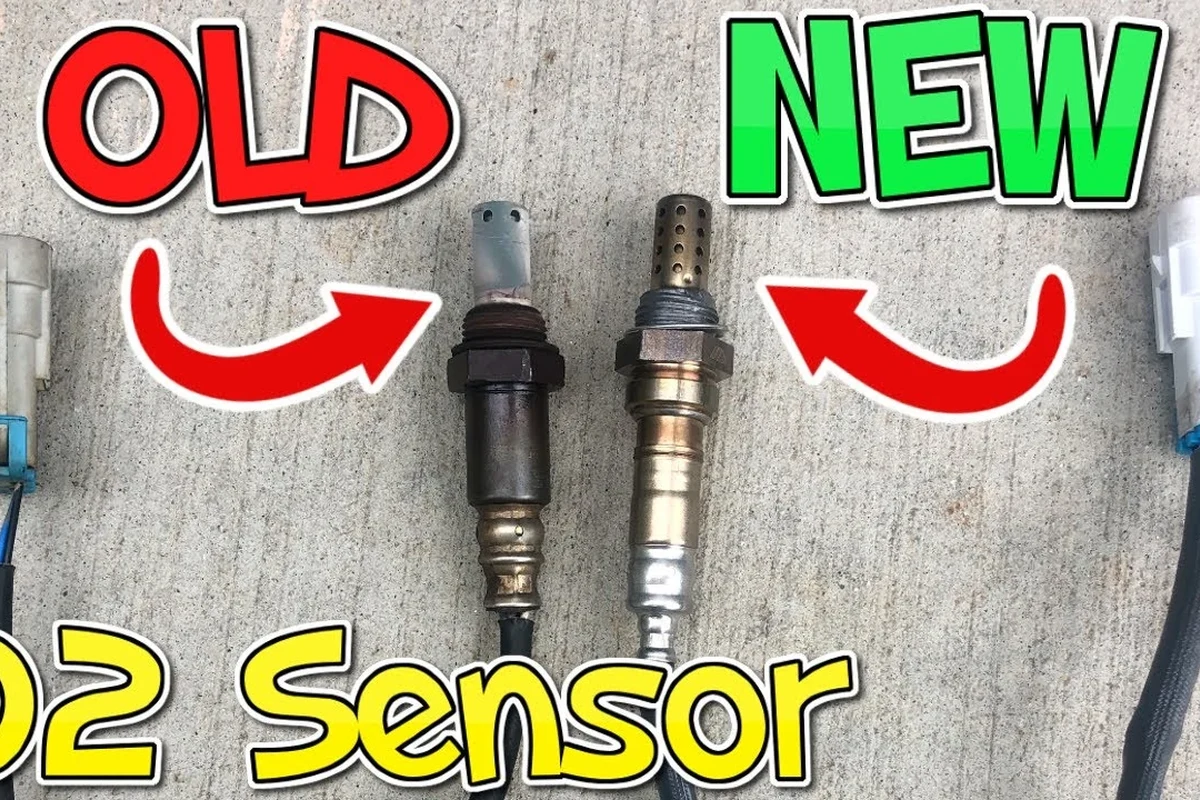
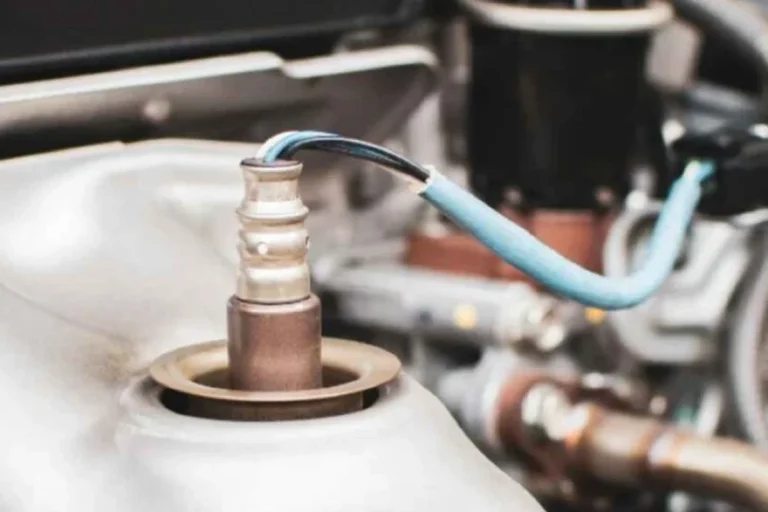
O2 sensors measure oxygen content in the exhaust stream and send that information to the engine computer. The ECU uses the signal to adjust fuel delivery, monitor catalytic converter efficiency, and help keep emissions within target range.
Because the system relies on fast, accurate readings, even one weak sensor can affect drivability, fuel economy, or emissions readiness. At the same time, a sensor that is only used for catalyst monitoring may not change how the engine feels as much as an upstream sensor does.
Upstream vs. downstream sensors
Upstream sensors sit before the catalytic converter and are usually the main sensors the ECU uses to fine-tune the air-fuel mixture. Downstream sensors sit after the catalytic converter and are often used to check how well the catalyst is working.
If the upstream sensor is faulty, you may see rough idle, poor fuel trim, hesitation, or a check engine light. If the downstream sensor fails, the vehicle may still drive fairly normally, but emissions monitoring and diagnostic codes can be affected.
How the ECU uses sensor data for fuel trim and emissions
The ECU watches voltage or current signals from the sensor and compares them with expected behavior. When the reading is slow, stuck, or out of range, the computer may adjust fuel trim too aggressively or set a fault code.
That is why a single bad sensor can matter more than its physical location suggests. The ECU does not care how many sensors were replaced; it only cares whether the signal is believable and consistent with the rest of the engine data.
Exact O2 sensor behavior varies by vehicle, engine layout, and engine management strategy. Always confirm the fault code and the factory service information before ordering parts.
When Replacing a Single O2 Sensor Is the Right Choice
Replacing one sensor is the best choice when diagnostics clearly isolate a single failure. It is also the most budget-friendly option when the rest of the system is healthy and the vehicle does not have a history of related exhaust or wiring problems.
Signs one sensor has failed
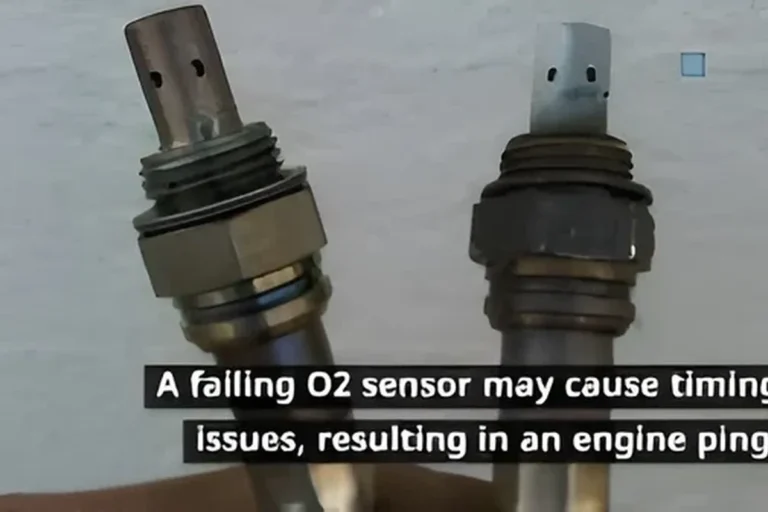
Common clues include a sensor-specific trouble code, a sensor signal that is stuck or sluggish, or a scan tool reading that does not match the others. You may also see a code that returns only for one bank or one sensor position.
Do not assume the sensor is the problem just because the light is on. Exhaust leaks, damaged wiring, vacuum leaks, misfires, and fuel delivery issues can all mimic O2 sensor failure.
Cases where matching replacement is not necessary
A matching pair is not always required when only one sensor is bad and the others are within normal range. This is often the case on newer vehicles where the remaining sensors have not aged enough to justify replacement.
If the replacement part is the correct type and the connector matches, a single replacement can be a clean, targeted repair. That approach is often smarter than replacing good parts just to make them look uniform.
When multiple sensors should be replaced together
Multiple sensors may make sense when several have high mileage, when the vehicle has repeated sensor-related codes, or when the exhaust system has been exposed to oil consumption or coolant contamination. In those situations, sensor wear may be system-wide rather than isolated.
If one sensor has failed because of a shared problem, replacing only that sensor may not solve the root cause. A professional diagnosis is especially helpful when more than one code appears at once.
- Use the exact fault code and sensor location before buying parts.
- Check for exhaust leaks and wiring damage first if the code keeps returning.
- Compare live data from all sensors when possible to spot a pattern.
How to Identify the Correct O2 Sensor for Your Vehicle
Choosing the right sensor matters as much as deciding whether to replace one or more. O2 sensors can look similar but differ in connector shape, heater design, thread size, wire length, and calibration details.
Bank and sensor numbering basics
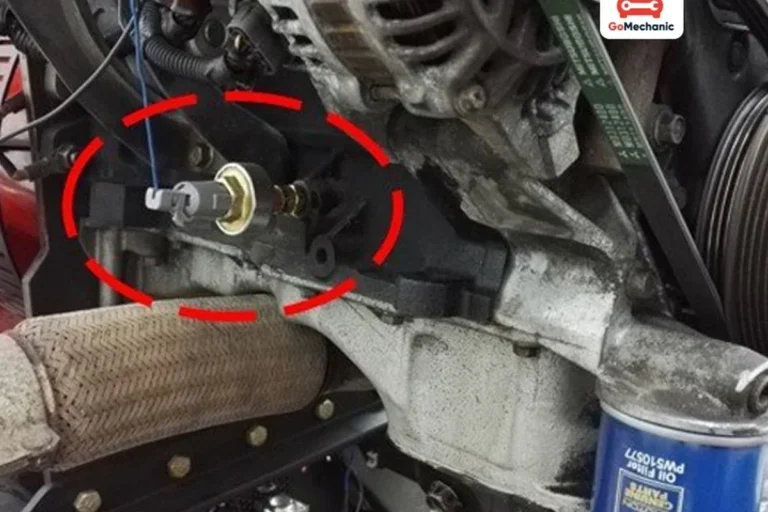
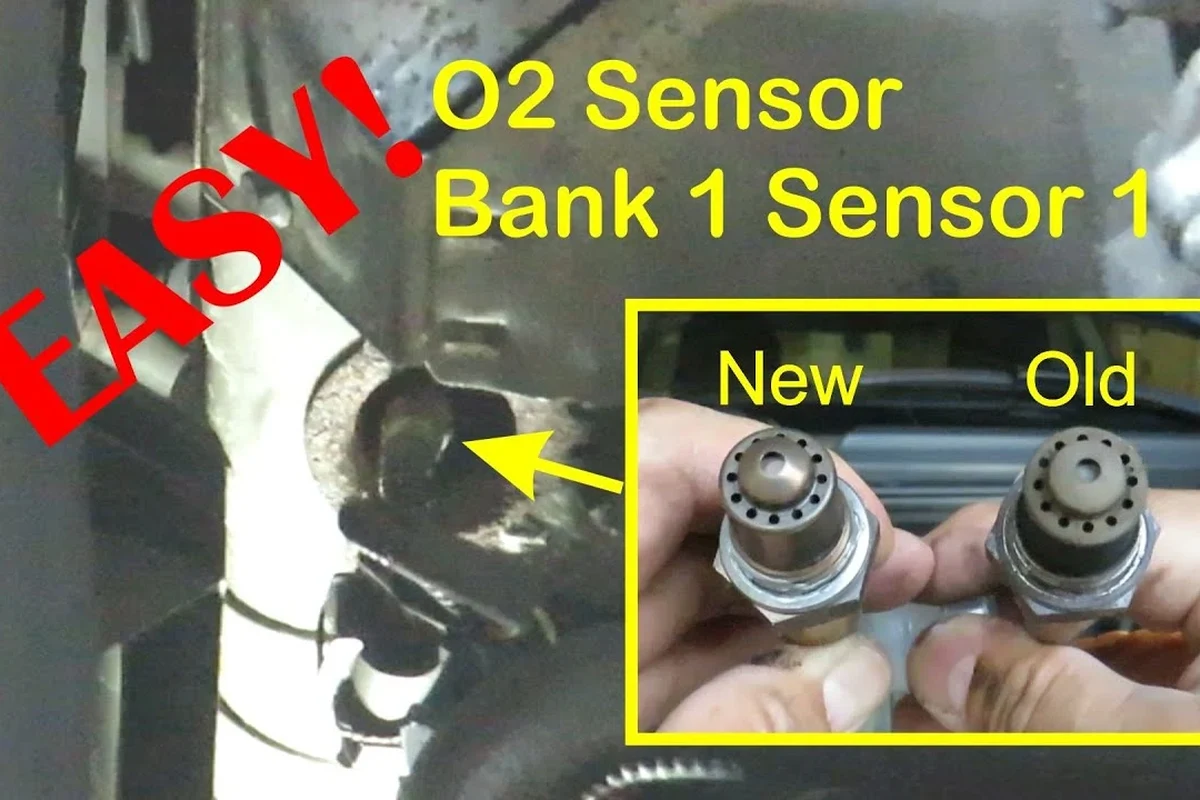
Bank refers to the side of the engine, while sensor number refers to the position before or after the catalytic converter. On many vehicles, Sensor 1 means upstream and Sensor 2 means downstream, but you should verify that convention in the service manual rather than guessing.
V-shaped engines can have Bank 1 and Bank 2, while inline engines may have only one bank. The wrong bank or position can lead to installation frustration and a code that does not clear.
OEM part numbers, universal fit, and connector style
OEM part numbers are the safest starting point because they reduce the chance of fit or signal mismatch. Universal-fit sensors can work in some cases, but they often require splicing and are more dependent on correct wiring and connector compatibility.
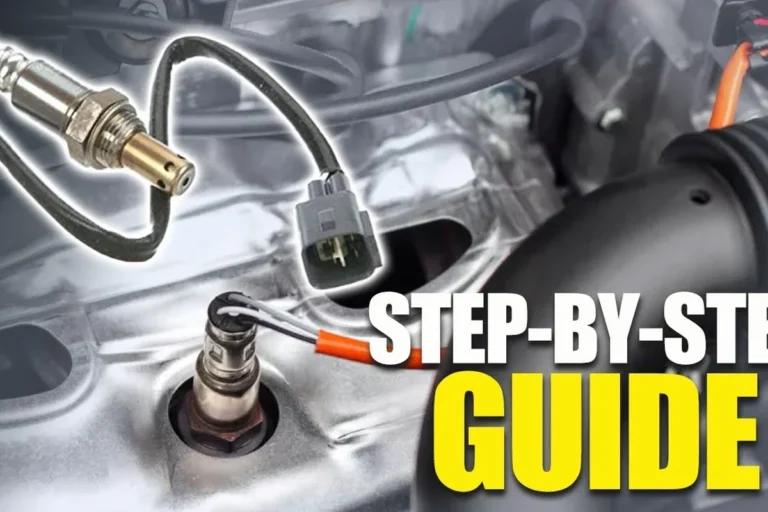
Connector style matters because a physically similar sensor may still have a different plug, wire count, or pin layout. Before ordering, compare the part number, connector photo, and harness length with your current sensor.
Key specs to verify: thread size, wire length, and heater type
Thread size must match the exhaust bung, or the sensor will not install correctly. Wire length matters because a harness that is too short can strain the connector, while one that is too long may leave the wiring exposed to heat.
Heater type is also important because many modern sensors use heated elements to reach operating temperature faster. If the heater spec is wrong, the sensor may not perform as expected and could trigger a circuit code.
Benefits, Trade-Offs, and Value of Replacing Only One O2 Sensor
Replacing one sensor can save money and reduce repair time, but it is not always the cheapest choice in the long run. The value depends on whether the rest of the system is healthy and whether the replacement is likely to last.
Cost savings and faster repair time
The biggest benefit is obvious: you buy fewer parts and spend less time on labor. For DIY repairs, that can make the job more approachable, especially if only one sensor is accessible without removing other components.
For a shop repair, replacing one sensor instead of several can also reduce downtime. That matters for commuters, rideshare drivers, and anyone who needs the vehicle back quickly.
Risks of uneven sensor aging and repeat diagnostics
The downside is that the remaining sensors may be older and closer to the end of their useful life. If one has failed from age, the others may not be far behind, which can mean another repair later.
There is also a risk of repeat diagnostics if the original problem was not the sensor itself. In that case, replacing one part may temporarily clear the code while the actual issue stays in the background.
How a single replacement compares with a full set replacement
A single replacement is best when the fault is isolated and the other sensors are behaving normally. A full set replacement is more appropriate when mileage is high, access is labor-intensive, or the vehicle has several sensor-related complaints at once.
Think of it as targeted repair versus preventive refresh. Targeted repair is usually the smarter first move, but a broader replacement can make sense when labor overlap is significant.
- Lower parts cost
- Less labor and downtime
- Good fit for isolated failures
- Other aging sensors may fail later
- Won’t fix unrelated engine or exhaust issues
- Wrong part selection can trigger repeat codes
Common Mistakes to Avoid During O2 Sensor Replacement
Most O2 sensor problems after replacement come from fitment mistakes, not from the sensor itself. Careful identification and inspection are what separate a clean repair from a frustrating repeat job.
Mixing up upstream and downstream locations
Upstream and downstream sensors are not interchangeable on many vehicles. If you install the wrong one, the ECU may still see abnormal data even though the part is new.
Always confirm the exact sensor position by code, diagram, or service manual. Do not rely only on where the old sensor was mounted if the exhaust has been modified or previously repaired.
Using the wrong sensor type or cheap low-quality parts
Different vehicles may require narrowband, wideband, air-fuel ratio, or heated sensor variants. A sensor that looks close enough can still behave differently enough to cause drivability or emissions issues.
Very low-quality parts may save money up front but can create more diagnostic time later. If possible, choose a reputable brand or OEM-equivalent part with clear fitment information.
Ignoring related issues like exhaust leaks or wiring damage
An exhaust leak near the sensor can pull in outside air and distort readings. Likewise, damaged wiring, corroded connectors, or melted insulation can make a good sensor look bad.
If the code returns after replacement, inspect the harness, connector pins, and exhaust joints before replacing more parts. That step often saves time and money.
Stop and inspect the system if you see melted wiring, heavy corrosion, exhaust leaks, or evidence of oil and coolant contamination. Those issues can damage new sensors or make the fault return quickly.
Safe Replacement Steps, Maintenance, and Long-Term Care
O2 sensor replacement is usually straightforward, but safety and connector care matter. Hot exhaust parts, brittle wiring, and seized threads can turn a simple job into a damaged component or injury risk.
Basic safety precautions before removal
Let the exhaust cool completely before touching the sensor or nearby hardware. Disconnect the battery only if the vehicle manual recommends it for your procedure, and support the vehicle properly if you need access underneath.
Work in a well-ventilated area and follow the vehicle manufacturer’s service steps. If access is poor or the sensor is seized, it may be safer to stop and use a professional repair approach rather than forcing it.
Anti-seize, torque, and connector handling tips
Some replacement sensors come with anti-seize already applied, while others do not. Follow the product instructions carefully, because using the wrong compound or too much of it can affect sensor performance or thread seating.
Use the correct torque if the manufacturer provides a specification. Do not twist the harness when installing or removing the sensor, and make sure the connector clicks fully into place.
What to inspect after installation and how to extend sensor life
After installation, confirm that the harness is clipped away from hot exhaust surfaces and moving parts. Clear the code only after the repair is complete, then verify that the warning light does not return and that no new codes appear.
To help extend sensor life, fix misfires, oil burning, coolant leaks, and exhaust leaks promptly. Those issues can shorten sensor life faster than normal age and mileage alone.
- A single O2 sensor replacement is fine when diagnosis points to one specific failure.
- Correct bank, sensor position, connector style, and heater type matter more than simply matching the old part’s appearance.
- Check for exhaust leaks, wiring damage, and engine issues before assuming the sensor is the only problem.
Final Recommendation: Should You Change Just One O2 Sensor in 2026?
In most cases, yes, you can change just one O2 sensor, and that is often the best choice when the fault is isolated. The smartest repair is the one that matches the diagnosis, not the one that replaces the most parts.
Best-fit scenarios by driver type and budget
If you are on a tighter budget, drive a daily commuter, or have a scan result that points to one failed sensor, replacing only that sensor is usually the most practical move. It is also a good option when the rest of the system has no related symptoms.
For owners who want a quick, targeted fix, a single replacement keeps the job focused and manageable. Just make sure the part is correct for your exact vehicle configuration.
When to choose a paired or full replacement instead
Choose a paired or broader replacement when multiple sensors are old, several codes are present, or the vehicle has shared contamination or wiring problems. That is also worth considering when labor access is difficult and you want to avoid repeating the same work soon.
If you are unsure, compare live data, verify the code, and consult the factory service information or a qualified technician. That extra step is usually cheaper than replacing the wrong sensor twice.
Change just one O2 sensor when diagnostics clearly isolate a single failure and the rest of the exhaust and wiring system checks out. If the vehicle has multiple aged sensors or repeated related codes, a broader replacement may be the better long-term value.
Frequently Asked Questions
Yes, if diagnostics point to one failed sensor and the rest are working normally. Replacing only the bad sensor is often the most practical option.
Use the fault code, bank number, and sensor position from the service manual or scan tool data. Do not guess based on location alone.
No. Upstream sensors help the ECU adjust fuel trim, while downstream sensors mainly help monitor catalytic converter performance.
Only if both sensors are aged, both are showing problems, or the vehicle has repeated related codes. A pair is not always necessary.
Exhaust leaks, wiring damage, misfires, vacuum leaks, and fuel system problems can all trigger similar symptoms or codes.
Fix engine misfires, oil burning, coolant leaks, and exhaust leaks quickly. Also make sure the harness is routed away from heat and moving parts.