Do I Need to Reset Ecu After Changing O2 Sensor
Usually, you do not need to reset the ECU after changing an O2 sensor. Reset it only if the manual or your diagnosis suggests it will help clear old learned data or fault codes.
If you replace an O2 sensor, you usually do not need to reset the ECU for the car to run. In many cases, the ECU will relearn on its own after the new sensor starts sending a stable signal, but a reset can sometimes help clear old fuel-trim data or speed up the relearn process.
- Reset is optional: Most vehicles relearn after a correct O2 sensor replacement.
- Use evidence: Live data and fuel trims tell you more than the warning light alone.
- Check related faults: Wiring, exhaust leaks, vacuum leaks, and catalytic converter issues can mimic sensor failure.
- Follow the manual: Reset methods and relearn steps vary by vehicle.
Do You Need to Reset the ECU After Changing an O2 Sensor? Quick Answer First
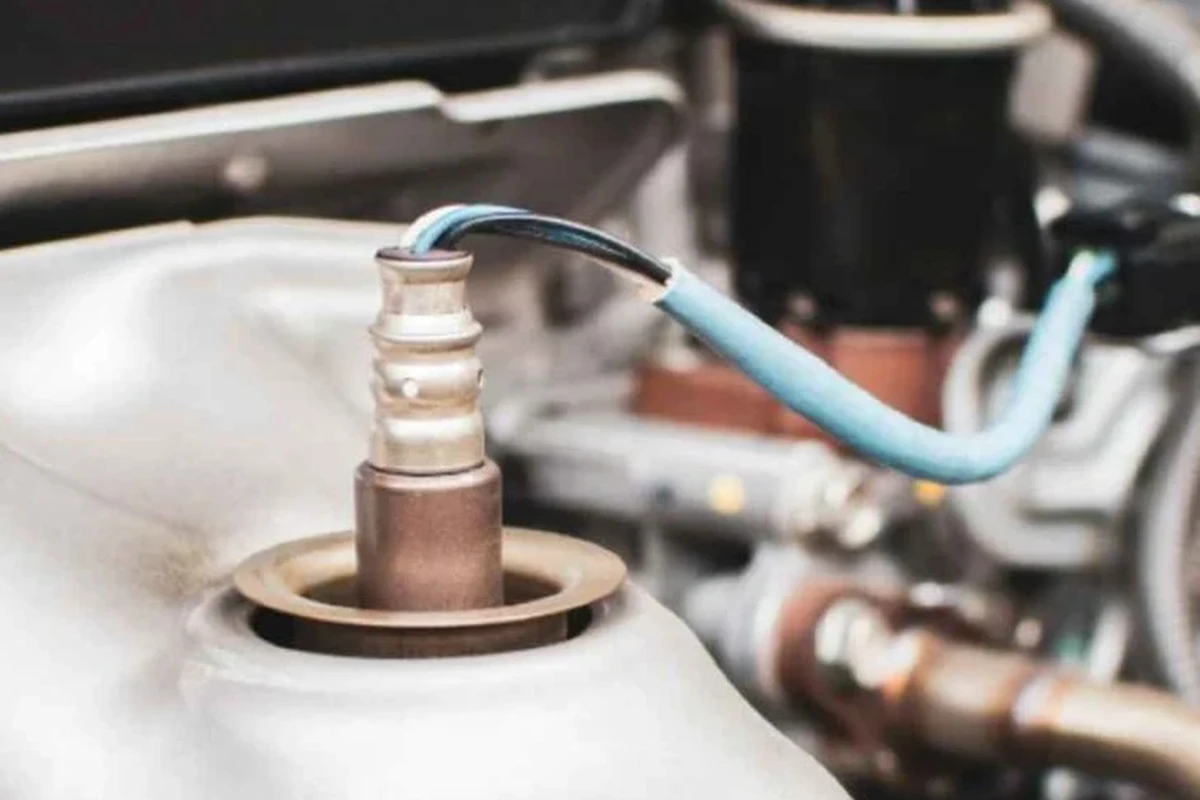
For most vehicles, the answer is no: the ECU can adapt without a reset once the new oxygen sensor is installed correctly. A reset is more of a troubleshooting or cleanup step than a required part of sensor replacement.
What an O2 Sensor Does and How the ECU Uses Its Signal
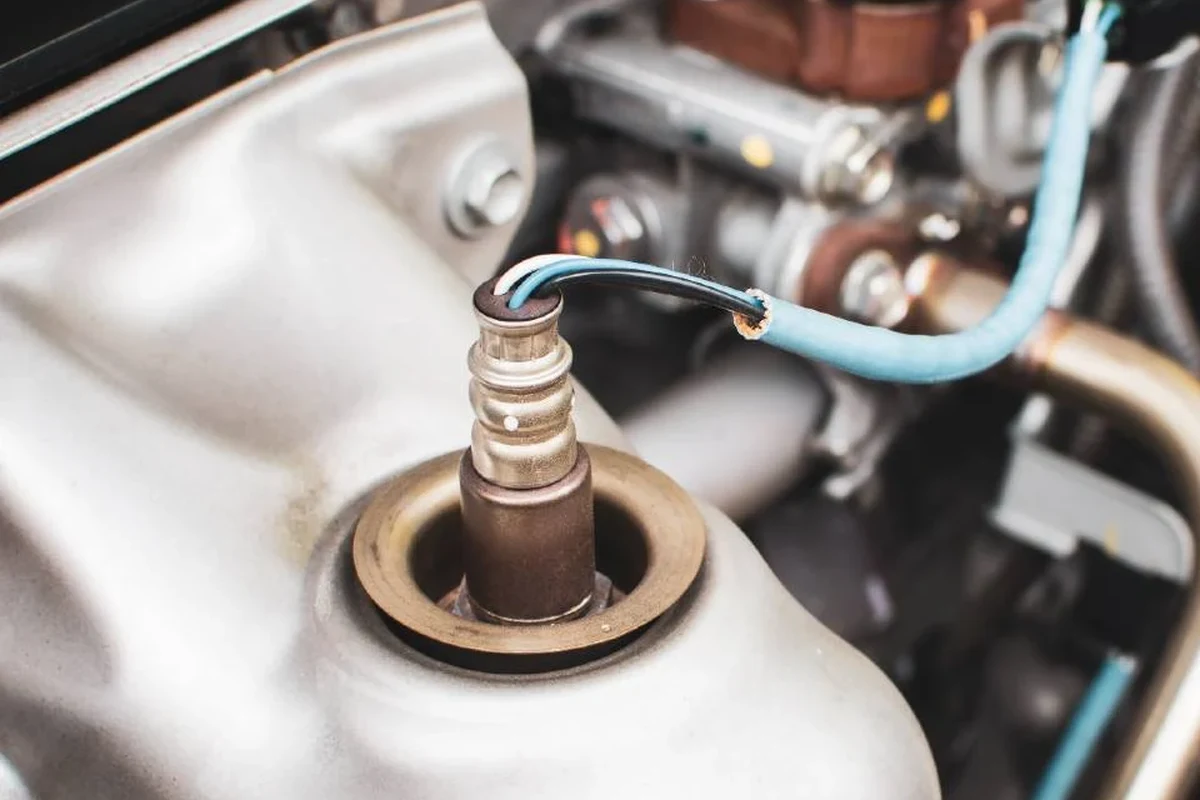
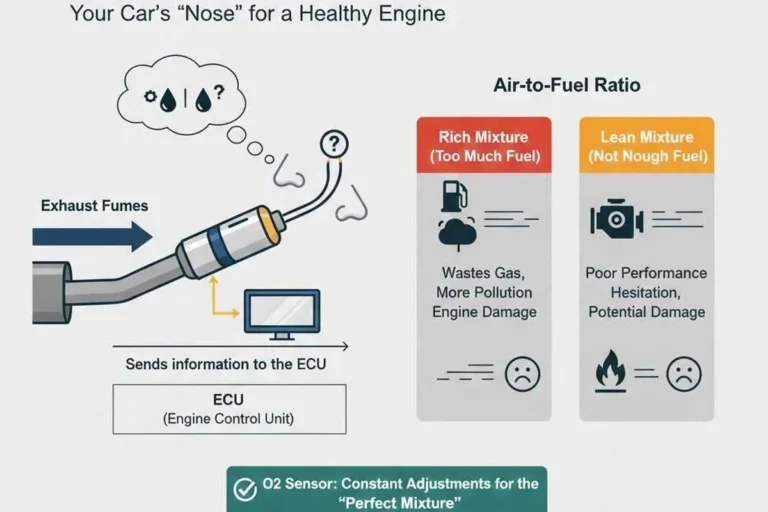
An oxygen sensor measures the amount of oxygen in the exhaust stream and sends that information to the engine computer. The ECU uses the signal to fine-tune fuel delivery so the engine can run efficiently, reduce emissions, and keep the air-fuel mixture close to target.
There are usually upstream and downstream sensors. The upstream sensor helps control fueling, while the downstream sensor is often used to monitor catalytic converter performance and emissions-related behavior.
Closed-Loop Fuel Control, Fuel Trims, and Check Engine Monitoring
Once the engine warms up, many vehicles switch into closed-loop operation. In that mode, the ECU constantly adjusts fuel delivery based on sensor feedback, and those adjustments are reflected in short-term and long-term fuel trims.
If an O2 sensor has been failing, the ECU may have stored correction patterns based on bad data. After replacement, those learned values may gradually normalize on their own, but a reset can sometimes clear outdated trims and fault history faster.
Some driveability issues after sensor replacement are caused by the ECU still reacting to old data, not by the new sensor itself.
When an ECU Reset Is Helpful After O2 Sensor Replacement
A reset can be useful when you want the ECU to start fresh after a repair, especially if the check engine light has been on for a while. It may also help when the vehicle is slow to relearn or when you are trying to confirm whether the new sensor fixed the original fault.
If you have access to a scan tool, check live data and stored codes before clearing anything. That gives you a record of the original issue in case the light returns.
Cases Where a Reset Can Speed Up Relearning or Clear Old Fault Data
A reset is often helpful after replacing a sensor that caused long-term fuel trim drift, repeated misfires, or persistent emissions codes. It can also be useful if the ECU has stored a pending or historical fault that may confuse diagnosis after the repair.
That said, the benefit depends on the vehicle. Some systems relearn quickly, while others need a mix of idle time, warm-up cycles, and normal driving before fuel trims settle.
When You Should Not Rely on a Reset Alone
If the new O2 sensor does not solve the problem, the ECU reset may only hide the symptom temporarily. You should always look for the underlying cause when the code returns or the engine still runs poorly.
Do not keep driving with severe misfires, strong fuel smells, overheating, or flashing check engine lights. Those signs can point to damage that needs prompt diagnosis.
Wiring Faults, Exhaust Leaks, Vacuum Leaks, and Catalytic Converter Issues
Bad wiring, corroded connectors, damaged heater circuits, or poor grounding can make a brand-new sensor act faulty. Exhaust leaks ahead of the sensor can also pull in outside air and distort readings, while vacuum leaks can create lean conditions that look like sensor trouble.
In some cases, the real issue is the catalytic converter, not the sensor. If the downstream sensor code keeps coming back, or if the vehicle fails emissions-related readiness checks, the converter and surrounding exhaust system should be inspected according to the manufacturer’s diagnostic flow.
Stop and inspect the connector, wiring, exhaust joints, and nearby hoses before assuming the replacement sensor is bad. A reset cannot repair a mechanical or electrical fault.
How to Reset the ECU Safely in 2026
The safest reset method depends on the vehicle. The owner’s manual or factory service information should be your first reference, because some vehicles lose learned values with a battery disconnect, while others store data in a way that makes a scan-tool reset more appropriate.
Battery Disconnect Method vs. Scan Tool Reset vs. Fuse Pull
A battery disconnect can clear memory on many older vehicles, but it can also erase radio presets, clock settings, seat memory, and other learned settings. A scan tool reset is usually cleaner because it targets codes and adaptive values more directly, but not every tool supports every make and model.
Pulling a fuse is sometimes mentioned online, but fuse locations and effects vary widely. If you are not sure which circuit is involved, avoid guessing and use the manual or a professional-grade scan tool instead.
Make sure the sensor is installed correctly, the connector is locked, and the code has been addressed before clearing memory.
Follow the owner’s manual or scan tool instructions for your exact vehicle.
Drive normally and allow the ECU to rebuild trims and readiness monitors.
Safety Steps, Memory Loss, and Relearn Considerations
Before disconnecting a battery, save radio codes and note any settings you may want to restore. Make sure the ignition is off, keep the vehicle stable, and avoid touching terminals with metal tools that could short the circuit.
After a reset, the engine may idle differently for a short time. That is often normal while the ECU relearns, but rough running, stalling, or repeated codes suggest the problem is still present.
Relearn behavior varies by model, transmission type, and ECU software version. Some vehicles require a specific drive cycle before readiness monitors complete.
How to Tell if the New O2 Sensor Is Working Properly
The best way to confirm success is not just whether the check engine light is off. You also want to see stable live data, normal fuel trims, and readiness monitors that progress without the same code returning.
Readiness Monitors, Live Data, Fuel Trim Changes, and Warning Signs
A scan tool can show whether the O2 sensor is switching or responding as expected. On many vehicles, fuel trims should move away from the extreme values that were present when the old sensor or related fault was active.
Warning signs include a code that returns quickly, sensor data that stays fixed, unusually rich or lean behavior, poor fuel economy, or a monitor that never completes. Those symptoms usually mean the repair needs further diagnosis rather than another reset.
- A reset is optional for most O2 sensor replacements.
- Live data and fuel trims are better proof of success than the dashboard light alone.
- If the code returns, inspect wiring, exhaust leaks, vacuum leaks, and the catalytic converter.
Common Mistakes People Make After Replacing an O2 Sensor
Many repeat failures come from installation or compatibility mistakes, not from the ECU itself. Taking a few minutes to verify the sensor type and the surrounding system can save time and avoid chasing the same code again.
Wrong Sensor Type, Poor Installation, Contaminated Threads, and Ignoring Codes
One common mistake is installing the wrong sensor position or the wrong connector style. Upstream and downstream sensors are not always interchangeable, and some vehicles require a specific heated sensor or exact part-number match.
Poor installation can also cause problems. Cross-threaded sensors, contaminated anti-seize on the sensing tip, damaged wiring, or a loose connector can all create false readings or a new fault code. If the original code was not recorded before clearing it, diagnosis becomes harder because you lose useful clues.
- Verify the exact sensor position before ordering or installing.
- Check the connector, harness routing, and exhaust sealing after installation.
- Use the vehicle’s diagnostic codes and live data to confirm the fix.
- Follow the manufacturer’s torque and anti-seize guidance if provided.
Final Recommendation: Reset or No Reset Based on Your Situation
If the repair was straightforward and the vehicle runs normally, you usually do not need to reset the ECU after changing an O2 sensor. If you are dealing with long-term fuel trims, persistent codes, or a vehicle that relearns slowly, a reset can be a useful cleanup step as long as you have already confirmed the repair itself.
Best Practice Summary for Daily Drivers, DIY Repairs, and Persistent Check Engine Lights
For a daily driver with no lingering symptoms, the safest approach is often to replace the sensor correctly, clear codes only if needed, and let the ECU relearn. For DIY repairs with repeated codes, use a scan tool, check live data, and inspect related systems before assuming the reset will solve it.
If the check engine light returns, treat that as a diagnostic clue, not a reason to keep resetting the computer. The ECU can adapt to a healthy sensor, but it cannot compensate for wiring problems, exhaust leaks, vacuum leaks, or a failing catalytic converter.
Frequently Asked Questions
Usually no. Most vehicles can relearn on their own after the new sensor is installed correctly, but a reset can help clear old fuel-trim data or codes in some cases.
On many vehicles it can clear some memory, but results vary by model. It may also erase radio presets and other settings, so check the owner’s manual first.
Use a scan tool to check live data, fuel trims, and readiness monitors. If the code returns quickly or the readings stay abnormal, more diagnosis is needed.
Yes, if the root cause is still there. Wiring faults, exhaust leaks, vacuum leaks, or catalytic converter problems can trigger the same code again.
Usually yes, if the vehicle runs normally and there are no severe symptoms. Keep an eye on warning lights and scan data to confirm the repair is holding.
Verify the sensor position, connector fit, wiring condition, exhaust sealing, and any stored codes. If the problem persists, follow the manufacturer’s diagnostic steps.