Are Cadence Sensors Worth It
Yes, cadence sensors are worth it for riders who want simple feedback that improves pedaling habits and workout structure. They are less valuable if you already train by power or do not plan to act on the data.
- Best use case: Indoor training, cadence drills, and beginner technique work.
- Main limitation: Cadence shows pedaling speed, not total effort or power.
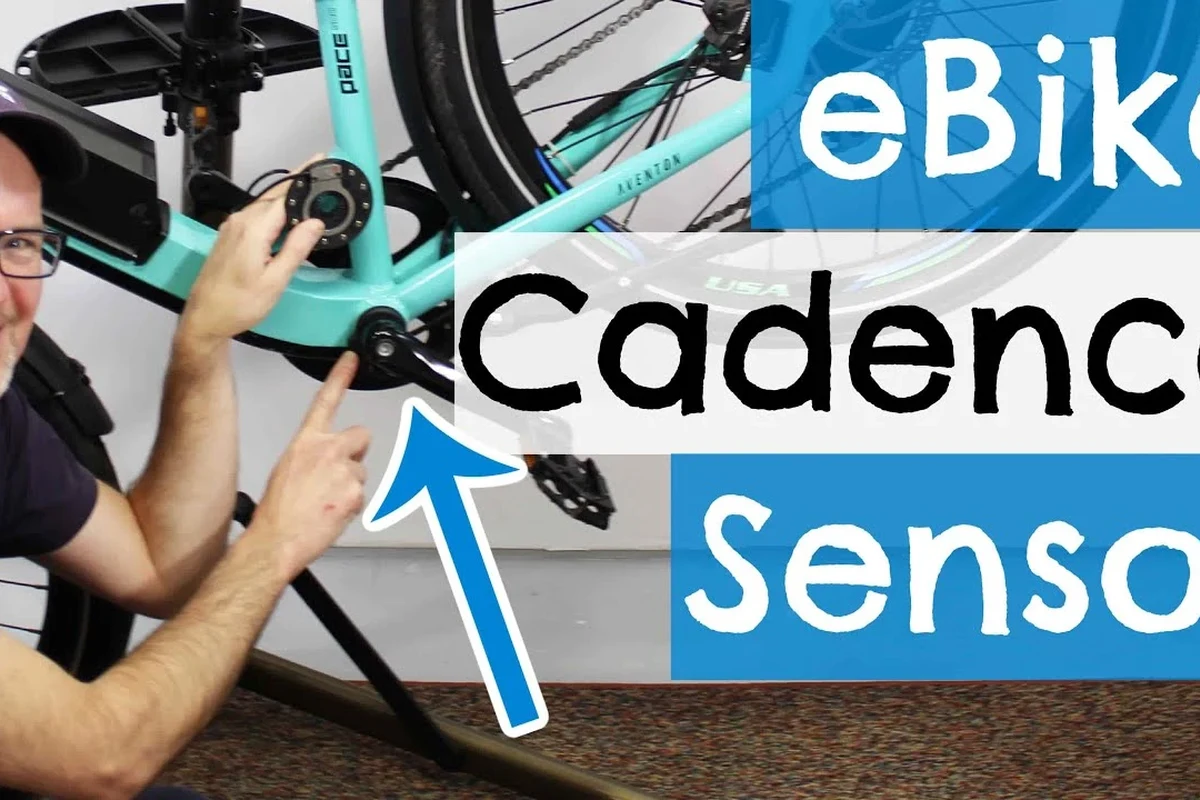
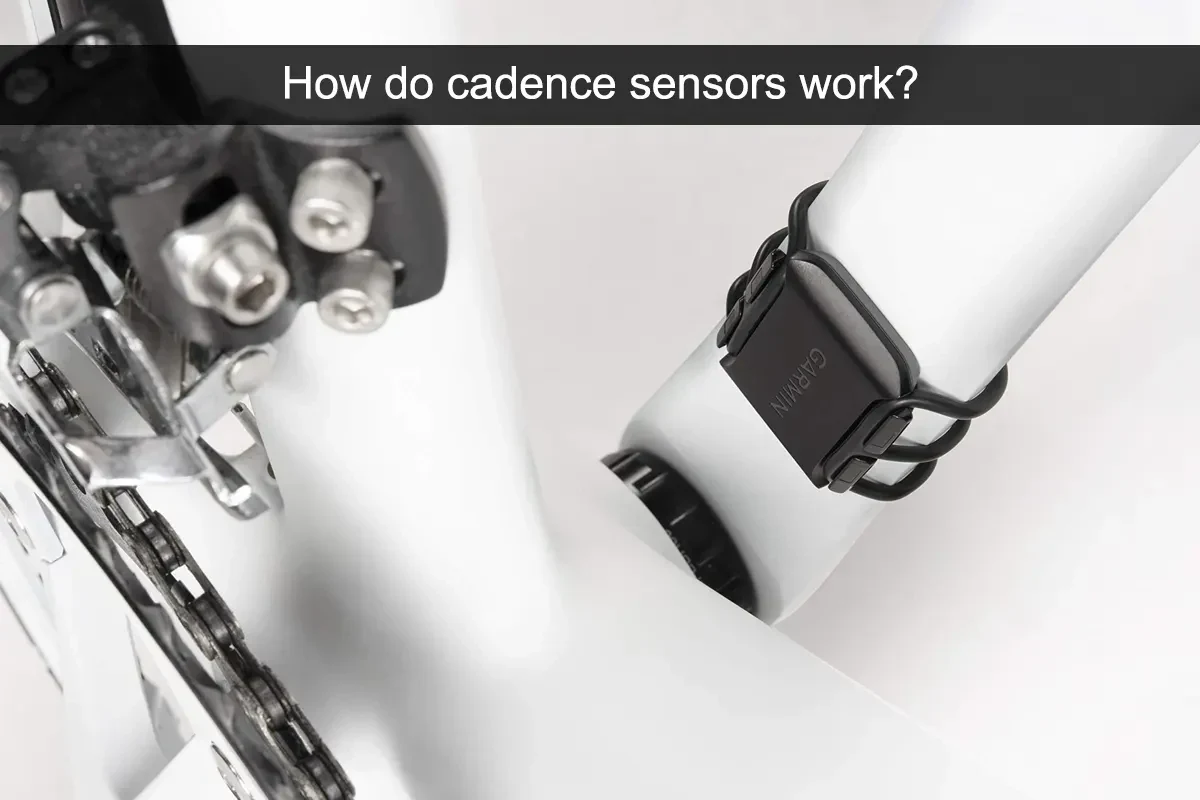
- Buy smart: Check crank fit, app compatibility, and Bluetooth or ANT+ support first.
- Value tip: A sensor is most useful when your workout plan actually uses cadence targets.
- Upgrade path: If you need deeper performance data, a power meter or smart trainer may be.
Frequently Asked Questions
Cadence sensors are best for beginners, indoor riders, and cyclists using structured workouts. They help you track pedaling rhythm and build smoother habits.
Not always. You should confirm crank fit, mounting style, and app compatibility before buying, because support varies by model and platform.
Bluetooth is common for phones and many apps, while ANT+ is often used with bike computers. Dual-connect models can be convenient, but only if your devices support them properly.
Battery life varies by model, connection type, and usage pattern. Check the manufacturer’s current specifications and replacement instructions before you buy.
They measure pedaling speed, not total effort or power. That means they are useful for rhythm and pacing, but they do not give a full training picture by themselves.
If you want a low-cost way to improve pedaling habits, start with a cadence sensor. If you want deeper performance data and can spend more, a power meter is usually the better upgrade.