Can Maf Sensor Cause No Start
Yes, a bad MAF sensor can cause a no-start, but it is more often one possible cause among several. Confirm the fault with codes, live data, and basic battery, fuel, spark, and intake checks before replacing parts.
A bad MAF sensor can cause a no-start in some vehicles, but it is not the most common cause. If your engine cranks but will not fire, the MAF may be part of the problem only when it is severely contaminated, electrically failed, or sending a signal so wrong that the ECU cannot calculate fuel correctly.
- Not the most common cause: A MAF issue often creates hard starts, stalling, or rough idle before it causes.
- Check basics first: Battery strength, fuel delivery, spark, and intake leaks can mimic a bad MAF.
- Use scan data: Trouble codes and live airflow readings help separate a true sensor fault from another.
- Fit matters: Replacement sensors must match the exact vehicle, engine code, connector, and calibration.
- Cleaning is limited: Only clean a MAF if the manufacturer allows it and the sensor is not.
Can a MAF Sensor Cause a No-Start? Quick Answer and What It Means
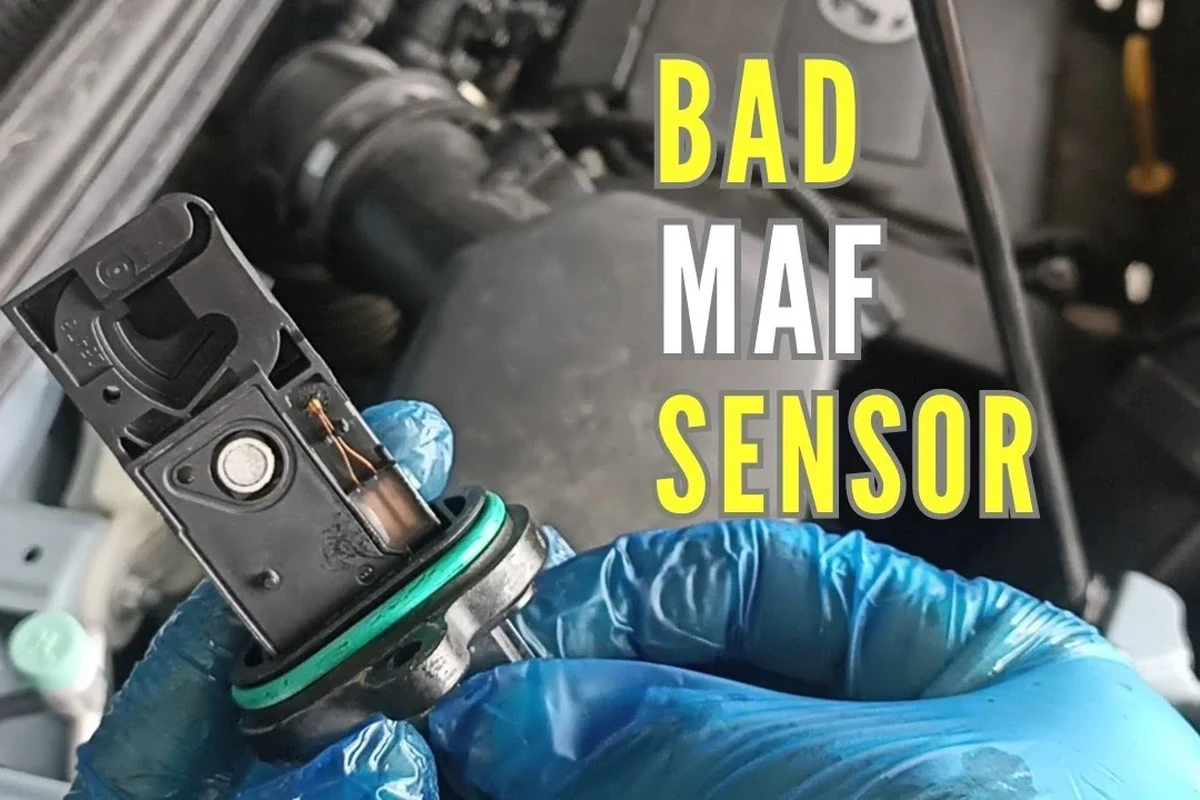
Yes, a MAF sensor can cause a no-start, but usually only under certain failure conditions. In many cases, a bad MAF creates hard starting, rough idle, hesitation, or stalling rather than a complete no-start.
The key question is whether the engine is cranking but not starting, or not cranking at all. A no-crank problem points more toward the battery, starter, ignition switch, or security system, while a crank-no-start problem can involve fuel delivery, spark, air metering, or sensor data.
How a MAF Sensor Works in 2026 Vehicles
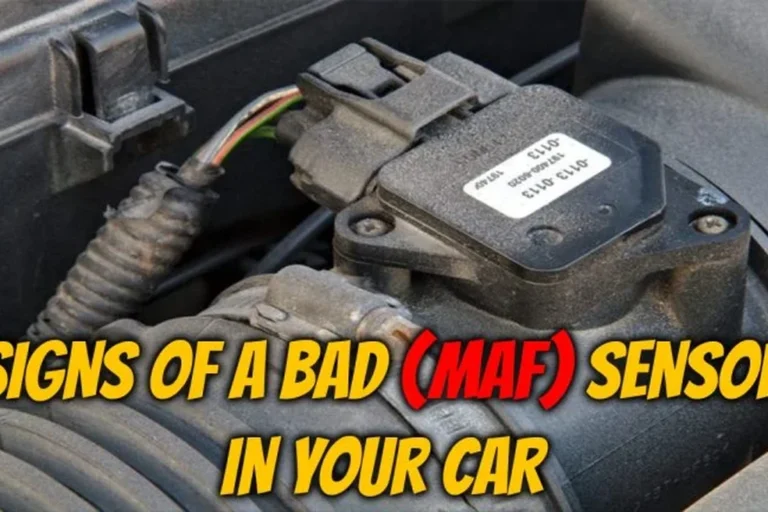
The mass airflow sensor measures the amount of air entering the engine. The engine control unit, or ECU, uses that information to decide how much fuel to inject and how to adjust ignition and idle control.
Mass Airflow Measurement and ECU Fuel Decisions
Most modern engines rely on the MAF signal during start-up and normal driving. When the ECU knows how much air is entering, it can calculate a fuel mix that is close to ideal for combustion.
If the sensor reports too little air, the ECU may command too little fuel. If it reports too much air, the ECU may add excess fuel and flood the engine or make it hard to start. The exact response depends on the vehicle’s strategy, software, and whether it uses a MAF-only, speed-density, or hybrid control approach.
Why a Bad Reading Can Disrupt Starting
During cranking, the engine is already operating under low speed and low airflow conditions. That makes the MAF signal especially important for some vehicles, because the ECU needs a reliable baseline to enrich the mixture enough for ignition.
A contaminated sensor, cracked intake tube, loose connector, or wiring issue can distort the airflow reading. Even if the sensor is not completely dead, an inaccurate signal can make the engine start poorly or fail to start at all.
Many engines can still run with a failed MAF by using fallback values, but starting quality may depend on how the ECU is programmed and whether other faults are present.
Signs the MAF Sensor Is the Real Problem
Not every no-start points to the MAF. The most useful clue is whether the symptoms fit an airflow measurement problem instead of a fuel pump, ignition, or security issue.
No-Start vs. Hard-Start vs. Rough Idle
A true no-start means the engine cranks but never catches. A hard-start means it eventually starts after extended cranking, often with a stumble or fuel smell. Rough idle usually means the engine starts but struggles to stay smooth once running.
MAF problems more often show up as hard-start or rough-idle complaints. A complete no-start is more likely when the sensor signal is badly wrong, the connector is disconnected, or the ECU is reacting to another intake problem that is being mistaken for a bad MAF.
Common Symptoms That Point to MAF Trouble
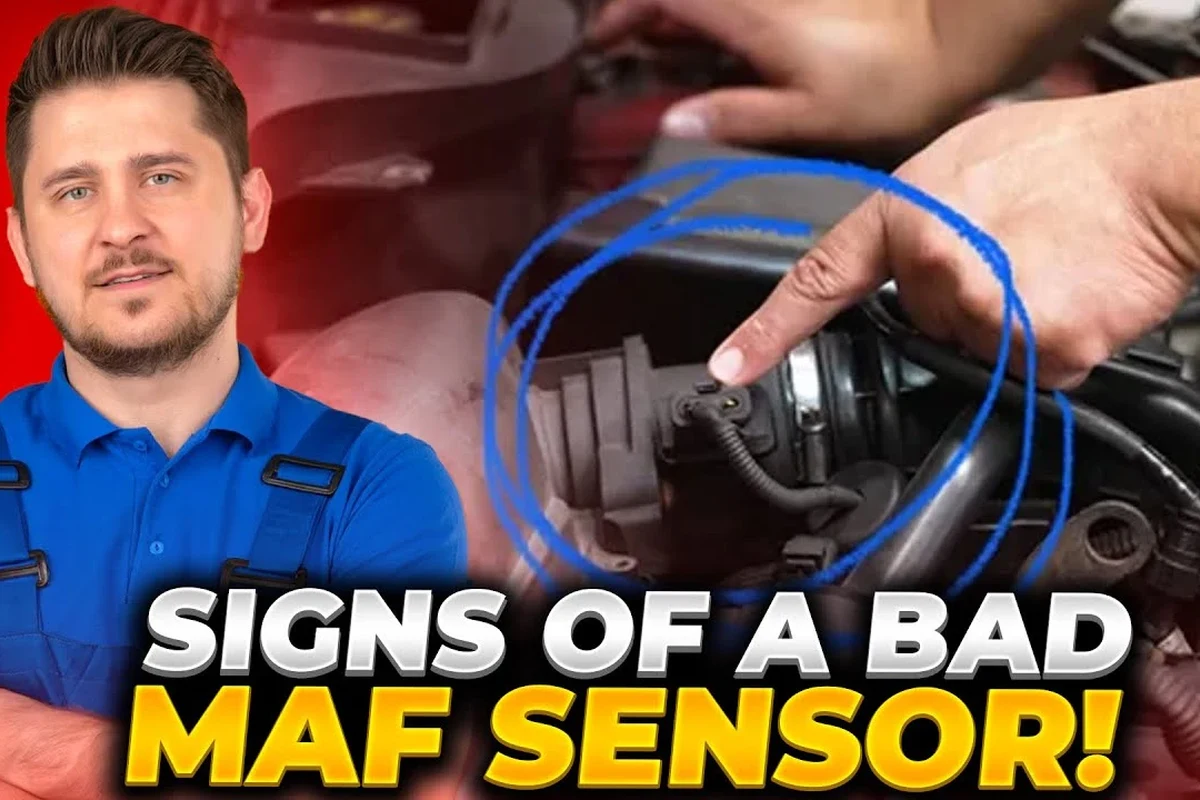
Typical MAF-related symptoms include poor acceleration, hesitation, black exhaust smoke, stalling after startup, unstable idle, and decreased fuel economy. Some vehicles also log lean or rich mixture codes when the airflow reading does not match expected engine behavior.
If the engine starts better with the MAF unplugged, that can suggest a bad sensor or intake issue, but it is not a final diagnosis by itself. That result should be interpreted alongside scan data and inspection of the intake system.
When a MAF Sensor Can Prevent Starting Completely
A MAF sensor can stop an engine from starting when the failure is severe enough to throw off fuel calculation during cranking. That is more likely when the problem is electrical or when the intake system has another fault that makes the airflow signal unusable.
Severe Contamination, Electrical Failure, or Signal Loss
Heavy dirt, oil film from an over-oiled air filter, water intrusion, damaged wiring, or a loose connector can cause the sensor to send a signal the ECU cannot trust. In some cases, the ECU may default to a backup strategy, but the mixture may still be too far off for the engine to fire.
If the sensor loses power, ground, or reference signal, the vehicle may store fault codes and enter a fallback mode. Depending on the design, that fallback may still allow starting, but not always reliably.
How Limp Mode and Fuel Trim Errors Affect Start-Up
Limp mode is a protection strategy that limits performance when the ECU detects a serious fault. It is designed to protect the engine and emissions system, not to guarantee smooth starting.
Long-term fuel trim errors can also matter. If the ECU has been compensating for a bad airflow reading for a while, the learned fuel values may make the next start worse, especially after a battery disconnect, repair, or reset. That is why a no-start after recent service sometimes points to an intake or sensor issue that was already borderline.
How to Diagnose a No-Start Without Replacing Parts Too Soon
Start with the basics before buying a sensor. A MAF is only one part of the starting equation, and replacing it without checking power, fuel, spark, and intake sealing can waste time and money.
Basic Checks: Battery, Fuel, Spark, and Air Intake
Confirm the battery is charged enough to crank the engine at normal speed. A weak battery can mimic sensor problems because the ECU and fuel system may not operate correctly during low-voltage cranking.
Next, verify fuel delivery and spark according to the vehicle’s service information. Also inspect the air intake tract for a loose clamp, split hose, disconnected duct, clogged filter, or anything that could let unmetered air enter after the MAF.
If the engine briefly starts with starting fluid or another temporary test method recommended by the manual, that points more toward fuel or air metering than a pure ignition failure. Use only approved and safe diagnostic steps for your vehicle.
OBD-II Codes, Live Data, and Visual Inspection
Scan for trouble codes and freeze-frame data before clearing anything. Codes related to airflow, mixture, throttle, intake leaks, or sensor power supply can help narrow the cause, but they do not prove the MAF is bad on their own.
Live data is often more useful than the code list. Compare MAF readings at idle and during cranking with the manufacturer’s expected range if available in the service manual. Also inspect the sensor element, connector pins, harness routing, and intake tube for dirt, corrosion, cracks, or oil residue.
Stop and get professional help if you find melted wiring, fuel leaks, severe corrosion, or repeated blown fuses. Those problems can create a no-start and may make further DIY diagnosis unsafe.
Common Mistakes That Lead to Misdiagnosis
One common mistake is replacing the MAF because of a single code without checking for intake leaks or low battery voltage. Another is cleaning the sensor with the wrong chemical or touching the sensing element, which can make a good sensor fail.
People also overlook the air filter box, intake boot, and throttle body. A restriction or leak in any of those parts can produce symptoms that look exactly like a bad MAF.
MAF Sensor Fit, Compatibility, and Buying Criteria
If replacement is confirmed, fit matters more than brand hype. A MAF sensor must match the vehicle application closely enough for the ECU to read it correctly.
Vehicle Make, Engine Code, and Connector Match
Check the vehicle’s exact year, make, model, engine code, and emissions configuration. Some engines use similar-looking sensors that are not interchangeable because the calibration curve or connector layout is different.
The connector shape, pin count, and mounting style must match. When available, compare the part number to the one listed in the official catalog or service manual rather than relying only on appearance.
OEM vs. Aftermarket: Value, Accuracy, and Longevity
OEM sensors usually offer the safest fit and calibration match, especially on vehicles that are sensitive to airflow data. Aftermarket options can be a good value, but quality varies more widely and some units may not read accurately enough for certain engines.
The best choice depends on how picky the vehicle is, how long you plan to keep it, and whether the supplier provides clear compatibility information and warranty terms. If the vehicle already had a sensor-related issue, choosing the most exact match is often the smarter move.
Key Specs to Verify Before Purchase
Before buying, verify the part number, connector style, housing diameter or assembly type if applicable, engine code coverage, and whether the sensor is sold as a complete assembly or only the sensing element. Also confirm return policy and warranty support.
Safe Cleaning, Replacement, and Maintenance Tips
Cleaning can help if contamination is the only problem, but it is not a cure for electrical failure or internal damage. Follow the vehicle and sensor manufacturer’s instructions carefully.
How to Clean a MAF Sensor Without Damaging It
Use only a cleaner approved for MAF sensors if the manufacturer allows cleaning. Remove the sensor as directed, avoid touching the sensing element, and let it dry fully before reinstalling it.
Do not use carburetor cleaner, brake cleaner, compressed air at close range, or brushes on the sensing wire or film. Those methods can damage the delicate element and make the problem worse.
Disconnect the battery only if the vehicle manual recommends it for this procedure, and avoid spraying cleaners near hot engine parts, sparks, or open flames.
When Replacement Is Safer Than Cleaning
Replacement is usually the better choice when the sensor has electrical faults, a broken housing, corrosion in the connector, or repeated contamination from another issue. If the sensor fails again quickly, the root cause may be an intake leak, oil contamination, or wiring problem.
A clean sensor that still reports implausible live data is another sign that replacement may be needed. In that case, the diagnostic focus should shift to the harness, ECU inputs, and air intake system.
Care, Storage, and Long-Term Prevention
Keep the air filter in good condition and use the correct type for your engine. Over-oiled aftermarket filters can contaminate the MAF and create recurring starting issues.
Also inspect intake clamps and ducts during routine maintenance so unmetered air does not enter downstream of the sensor. If the vehicle sits for long periods, periodic inspection can help catch corrosion, rodent damage, or cracked hoses before they turn into a no-start.
- A MAF sensor can cause a no-start, but it is more often one part of a larger air, fuel, or electrical problem.
- Confirm the cause with codes, live data, and basic checks before buying parts.
- Match the replacement sensor exactly to the vehicle’s engine and connector.
- Clean only when the manufacturer allows it, and replace the sensor if it is electrically damaged or repeatedly contaminated.
Final Verdict: Is the MAF Sensor the Likely Cause of Your No-Start?
If the engine cranks, the battery is healthy, fuel and spark checks are normal, and the scan data points to airflow or mixture errors, the MAF becomes a strong suspect. If the vehicle has no crank, no fuel pressure, no spark, or obvious wiring damage, the MAF is probably not the main cause.
Best Next Step Based on Symptoms and Evidence
Start with a scan for codes, then inspect the intake path and connector before replacing anything. If the sensor is contaminated but not damaged, a proper cleaning may help; if the signal is implausible or absent, replacement with the correct matched part is usually the better path.
When to Call a Professional Mechanic
Call a professional if the no-start is intermittent, the vehicle has multiple related codes, or you suspect wiring, ECU, fuel pressure, or security-system issues. A technician with the right scan tool and service data can often isolate the fault faster than trial-and-error parts replacement.
—
Frequently Asked Questions
Yes, but usually only when the sensor has a severe electrical fault, major contamination, or a signal problem that throws off fuel calculation during cranking. Many bad MAF sensors cause hard starts, rough idle, or stalling instead of a complete no-start.
Common signs include hesitation, rough idle, poor acceleration, stalling, black smoke, and reduced fuel economy. Some vehicles also store airflow or fuel mixture codes.
Check battery condition, fuel delivery, spark, intake leaks, and scan data before replacing parts. If live data shows implausible airflow readings and the intake system is intact, the MAF becomes a stronger suspect.
Sometimes, if the problem is only contamination and the manufacturer allows cleaning. Use only MAF-safe cleaner and avoid touching the sensing element.
Verify the exact vehicle fitment, engine code, connector style, calibration match, and whether the part is OEM or a confirmed equivalent. Also check return policy and warranty terms.
Call a mechanic if the vehicle has wiring damage, fuel leaks, repeated fuse failures, multiple fault codes, or an intermittent no-start that is hard to reproduce. Those issues often need advanced diagnostics.