Can a Tire Pressure Sensor Go Bad
Yes, a tire pressure sensor can go bad, usually because of age, battery failure, corrosion, or damage. Check the actual tire pressure first, then diagnose the sensor if the warning or reading still seems wrong.
Yes, a tire pressure sensor can go bad. When it does, the warning light may stay on, readings may become inaccurate, or the system may stop reporting one or more tires altogether.
Most failures come from age, battery wear, corrosion, physical damage, or tire-service mistakes rather than a sudden electronics defect. The tricky part is that the sensor is only one piece of the tire-pressure monitoring system, so the real problem is not always the sensor itself.
- Sensor failure is real: TPMS sensors can stop working as batteries age or parts corrode.
- Verify pressure first: A low tire often causes the same warning as a bad sensor.
- Not all systems are the same: Direct and indirect TPMS diagnose differently.
- Compatibility matters: Frequency, valve type, and relearn steps must match the vehicle.
- Repeated alerts need attention: Persistent warnings usually mean a leak, sensor fault, or receiver issue.
Can a Tire Pressure Sensor Go Bad? Quick Answer and What It Means for Drivers
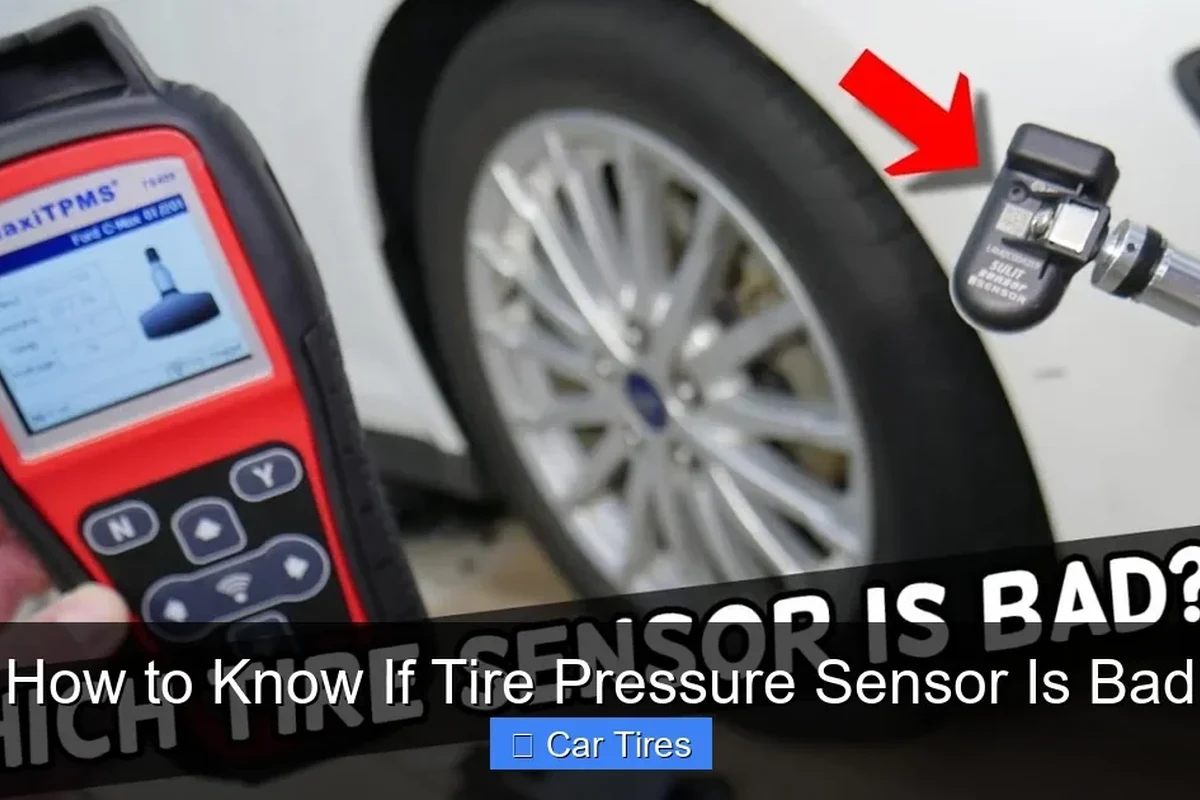
A tire pressure sensor can absolutely fail, and the symptoms often look like a simple low-pressure alert at first. In practice, the issue may be a dead sensor battery, a damaged valve stem, a communication problem, or a tire that truly needs air.
For drivers, the important takeaway is that a TPMS warning should not be ignored just because the car still drives normally. Tire pressure affects handling, braking distance, tread wear, and fuel efficiency, so the warning deserves a real check instead of a guess.
How Tire Pressure Sensors Work in 2026 Vehicles
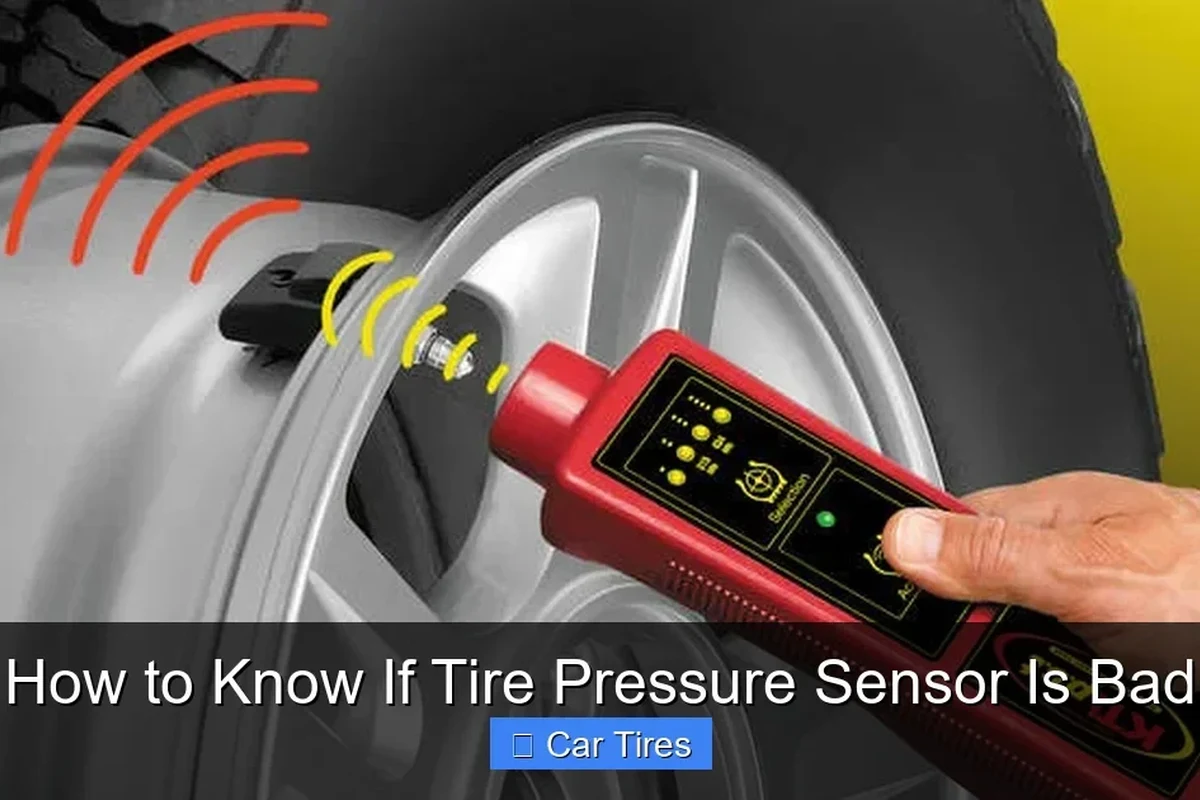
Modern vehicles use tire pressure monitoring systems to keep track of inflation levels and alert the driver when something is off. The exact design varies by vehicle, but the goal is the same: detect a pressure issue before it becomes a safety or wear problem.
Direct TPMS vs. Indirect TPMS: What’s the Difference?
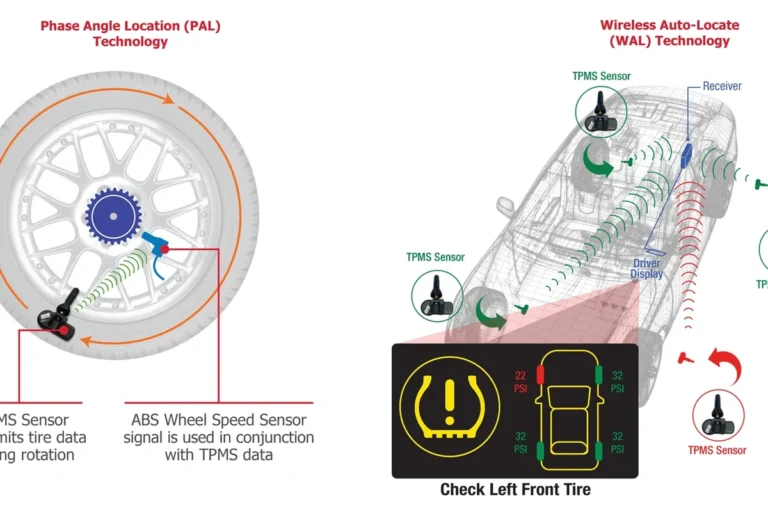
Direct TPMS uses a sensor inside each wheel to measure pressure at the tire itself. It usually sends a signal to the vehicle’s receiver, which then shows pressure readings or a warning light.
Indirect TPMS works differently. Instead of measuring pressure directly, it estimates tire pressure changes by watching wheel-speed data from the ABS system. That means it can be useful for warning drivers, but it is less precise and may need a reset after tire inflation or rotation.
Some vehicles show exact pressure numbers for each tire, while others only give a warning light because their TPMS design is indirect.
Common sensor components: battery, valve stem, transmitter, and seal
A direct TPMS sensor typically includes a battery, pressure-sensing electronics, a radio transmitter, and a valve stem or sealing interface. If any one of those parts fails, the whole sensor assembly may need replacement depending on the design.
The battery is often the limiting factor because many TPMS sensors are sealed units. Once the battery weakens, the sensor may still work intermittently for a while, but reliability usually drops before it stops completely.
Signs a Tire Pressure Sensor Is Failing
TPMS problems usually show up as warning lights, missing readings, or alerts that come and go. The pattern matters because a true sensor failure often behaves differently from a tire that is simply underinflated.
Warning lights, inaccurate readings, and intermittent alerts
A steady TPMS light can mean low tire pressure, but it can also mean a sensor or system fault. If the light flashes first and then stays on, many vehicles use that pattern to indicate a TPMS malfunction rather than a normal pressure alert, though the exact behavior depends on the model.
Intermittent alerts are also common when a sensor battery is near the end of its life. You may see one tire disappear from the display, or the pressure reading may update only sometimes.
Do not assume a dashboard warning is “just the sensor.” Verify tire pressure with a reliable gauge before replacing parts or resetting the system.
When the problem is the sensor vs. the tire, wheel, or receiver
Sometimes the sensor is fine and the issue is elsewhere. A nail in the tire, a damaged valve core, a bent wheel, a weak receiver module, or interference after tire service can all trigger similar symptoms.
If one tire is consistently low, that points more toward a leak than a bad sensor. If the same tire shows no reading even after proper inflation, the sensor, valve stem, or wheel-mounted hardware becomes more likely.
Why Tire Pressure Sensors Go Bad
TPMS sensors live in a harsh environment. They sit inside a rotating wheel, near heat, moisture, vibration, road grime, and repeated tire-service work, so wear is expected over time.
Battery life limits and age-related failure
Battery life is one of the most common reasons a sensor fails. Because many TPMS sensors are sealed, the battery is not usually replaceable on its own, which means the entire sensor may need to be swapped when the battery is exhausted.
Age-related failure can also show up as weaker signal transmission or slower wake-up behavior. That is why older vehicles may start seeing TPMS issues one wheel at a time instead of all at once.
Corrosion, impact damage, heat, road salt, and moisture exposure
Road salt and moisture can corrode the valve stem or sensor housing, especially in colder climates. Heat from braking and normal road use also adds stress, and potholes or curb impacts can damage the wheel area where the sensor is mounted.
Even a small crack, bent stem, or damaged seal can create a slow leak or communication issue. In other words, a sensor can “go bad” electronically, mechanically, or both.
Service mistakes during tire changes or wheel repairs
TPMS sensors are often damaged during tire installation, bead breaking, wheel straightening, or valve replacement. A shop may also reuse old service parts that no longer seal well, which can create a leak that looks like a sensor failure.
TPMS components are part of the wheel assembly. If a valve stem, seal, or sensor housing is damaged, follow proper tire-service procedures and let a qualified shop handle the repair.
How to Diagnose a Bad Tire Pressure Sensor
Good diagnosis starts with the simplest checks. Many TPMS warnings are solved by verifying actual tire pressure, checking for leaks, and confirming whether the vehicle needs a reset or relearn after service.
What to check before replacing parts: inflation, scan tools, and reset steps
Start by checking all four tires with a trusted gauge and compare the readings to the door-jamb placard or the manufacturer’s recommended pressure. If one tire is low, inflate it to spec and see whether the warning clears after driving or after the required reset procedure.
If the vehicle supports direct TPMS, a scan tool or TPMS relearn tool may help identify which sensor is not transmitting. For indirect systems, the issue may be solved by a reset after pressures are corrected, tire rotation is completed, or new tires are installed.
Use a reliable gauge, not only the dashboard reading, and compare each tire to the vehicle placard.
Look for nails, cracked valve stems, bent wheels, or obvious air loss before blaming the sensor.
Follow the owner’s manual for the exact reset method, since procedures vary widely by vehicle.
When professional diagnostics are worth it
A professional diagnosis is worth considering if the warning persists after inflation checks, if multiple sensors fail at once, or if the vehicle needs a special relearn tool. Shops can usually identify whether the issue is a dead sensor, a receiver problem, or a wheel/tire leak much faster than trial-and-error replacement.
This is especially useful on newer vehicles with more complex TPMS integration or on cars that show no obvious tire leak but still report a fault. The official manual and service information are the best references for model-specific steps.
Replacement, Relearn, and Compatibility: What to Verify Before Buying
If a sensor is truly bad, the replacement has to match the vehicle and the wheel setup. TPMS parts are not one-size-fits-all, and compatibility mistakes can lead to more warning lights or a sensor that never communicates properly.
Vehicle fitment, sensor frequency, OEM vs. aftermarket options, and valve type
Before buying, verify the exact vehicle fitment, sensor frequency, and valve type. Some cars use specific frequencies or protocol requirements, and some sensors are designed for rubber valves while others are matched to metal stems or particular wheel designs.
OEM and aftermarket options can both work, but the right choice depends on model compatibility, programming support, and how the vehicle handles relearns. Always confirm the part number or compatibility list rather than assuming “universal” means guaranteed fit.
Battery life expectations, warranty, and programming requirements
Battery life expectations vary by sensor design, driving conditions, and how often the vehicle wakes the system. Some sensors are pre-programmed, some require cloning, and others need programming or relearn steps before the car will recognize them.
Warranty terms also differ by brand and retailer, so confirm coverage before purchasing. If the replacement requires special tools or a scan-based relearn, factor that into the total cost and the difficulty of the job.
- Check the exact vehicle year, make, model, trim, and wheel type
- Confirm sensor frequency, valve type, and programming method
- Review warranty terms and relearn requirements in the manual
- Verify whether your vehicle needs a scan tool or shop-level setup
Maintenance Tips to Extend Sensor Life and Avoid Common Mistakes
TPMS sensors last longer when tire service is done carefully and the wheels are inspected regularly. Good maintenance also reduces false alerts that can make drivers ignore a real problem later.
Best practices for tire service, storage, and seasonal driving conditions
When tires are rotated, replaced, or repaired, make sure the shop knows the vehicle uses TPMS and follows the correct service procedure. That includes replacing worn seals or valve hardware when needed and handling the sensor gently during bead work.
Seasonal temperature swings can change tire pressure quickly, especially in cold weather. If you store seasonal wheels, keep them in a dry place and inspect them before reinstalling them so corrosion or damaged stems do not surprise you later.
- Check tire pressure monthly and before long trips.
- Inspect valve stems and wheel areas whenever tires are rotated.
- Follow the exact relearn procedure after tire service or wheel changes.
- Do not keep driving for long periods with a flashing TPMS fault light.
Safe use, inspection intervals, and when replacement is the smarter choice
If a sensor is old, unreliable, or already removed during tire service, replacement is often smarter than trying to stretch its life. That is especially true when the battery is near end of life or when the sensor has visible corrosion or damage.
Regular inspection is the best way to catch problems early. If the warning returns repeatedly after proper inflation and reset steps, the sensor or related hardware likely needs attention.
Final Recommendation: When to Repair, Replace, or Ignore the Warning
Repair the tire first if actual pressure is low, because that is the most common and most urgent cause of a TPMS alert. Replace the sensor when it is confirmed dead, physically damaged, or no longer communicating after proper diagnosis.
Do not ignore the warning if it stays on, flashes, or keeps returning after you have checked inflation. The safest approach is to verify the tire pressure, follow the owner’s manual, and use professional diagnostics when the cause is unclear.
- A tire pressure sensor can go bad from age, damage, corrosion, or service errors.
- Check actual tire pressure first, because the sensor is not always the problem.
- Replacement only makes sense after fitment, frequency, and relearn requirements are confirmed.
Frequently Asked Questions
Yes. A TPMS sensor can fail gradually as its battery weakens or its signal drops out. You may only notice a flashing light, missing reading, or intermittent alert.
Check the tire with a reliable gauge first and compare it to the vehicle placard. If the tire is properly inflated but the warning remains or one wheel never reports, the sensor or related hardware may be the issue.
Not always. Many drivers replace only the failed sensor, but age, labor overlap, and matching compatibility can make replacing multiple sensors more practical on older vehicles.
No. Vehicles may use direct or indirect TPMS, and direct sensors can differ by frequency, valve type, and programming method. Always verify the exact fitment before buying.
Confirm the vehicle year, make, model, trim, sensor frequency, valve type, and relearn or programming requirements. Also check the warranty and whether a scan tool or shop procedure is needed.
It may be safe for a short trip if you have already checked inflation and the tires are at the correct pressure, but the warning should not be ignored. If the light flashes, pressure is low, or the cause is unclear, get the system checked soon.