Are Walker O2 Sensor Good
Walker O2 sensors are generally a good budget-friendly replacement when the exact fitment matches your vehicle. For newer or highly sensitive vehicles, OEM or premium alternatives may be the safer pick.
If you need a budget-friendly replacement for a worn oxygen sensor, Walker O2 sensors can be a reasonable option for many everyday repairs. They are usually best viewed as a practical aftermarket choice, not a universal upgrade over OEM or premium sensors.
- Best fit: Everyday drivers, older vehicles, and budget repairs.
- Main risk: Incorrect sensor position or connector match.
- Buying rule: Verify vehicle, engine, bank, and upstream/downstream placement.
- Reality check: Exhaust leaks or wiring faults can look like a bad sensor.
Are Walker O2 Sensors Good? Quick Verdict for 2026 Buyers
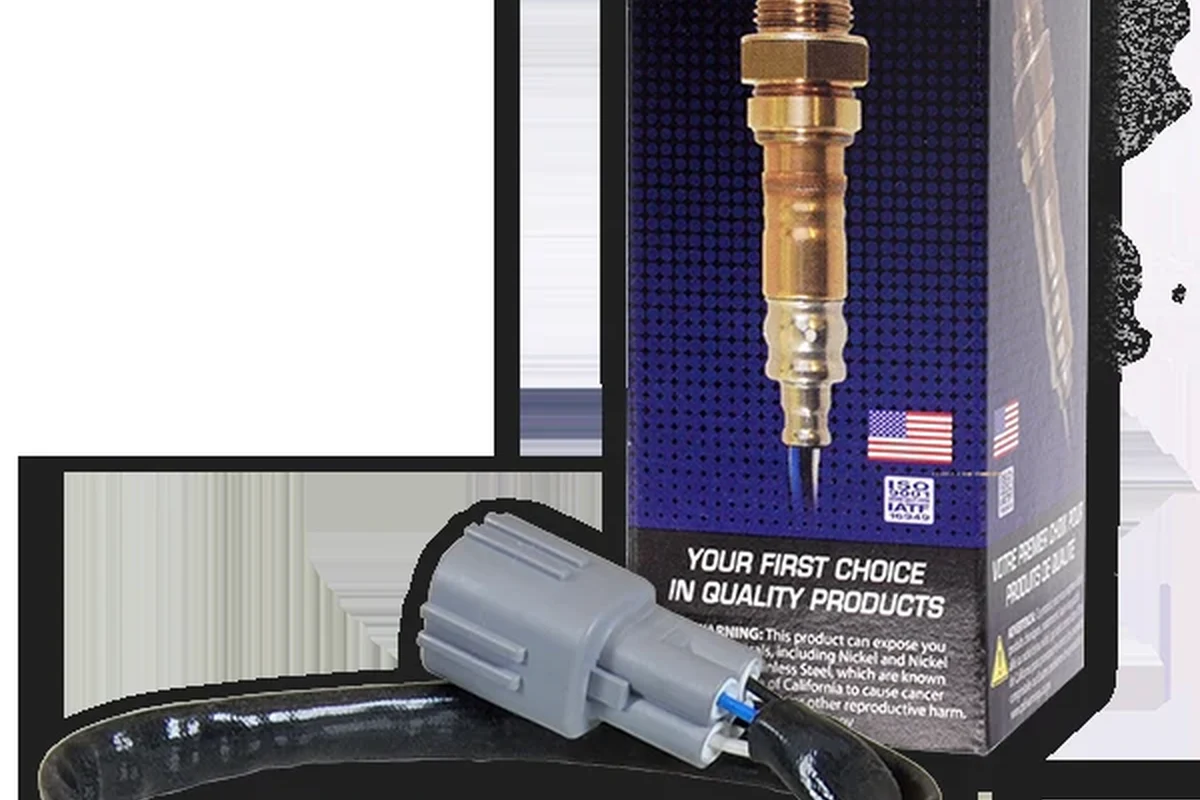
Walker O2 sensors are generally a solid “good enough” choice when your goal is to restore normal drivability, clear a sensor-related fault, and keep repair costs controlled. They tend to make the most sense for common commuter vehicles, older cars, and routine maintenance jobs where exact OEM-level refinement is less important than getting the vehicle back on the road.
The biggest caveat is fitment and application accuracy. With oxygen sensors, the wrong connector, sensor position, or heater specification can create repeat check-engine lights even if the part looks similar, so compatibility matters more than brand familiarity.

What an O2 Sensor Does and How Walker Sensors Work
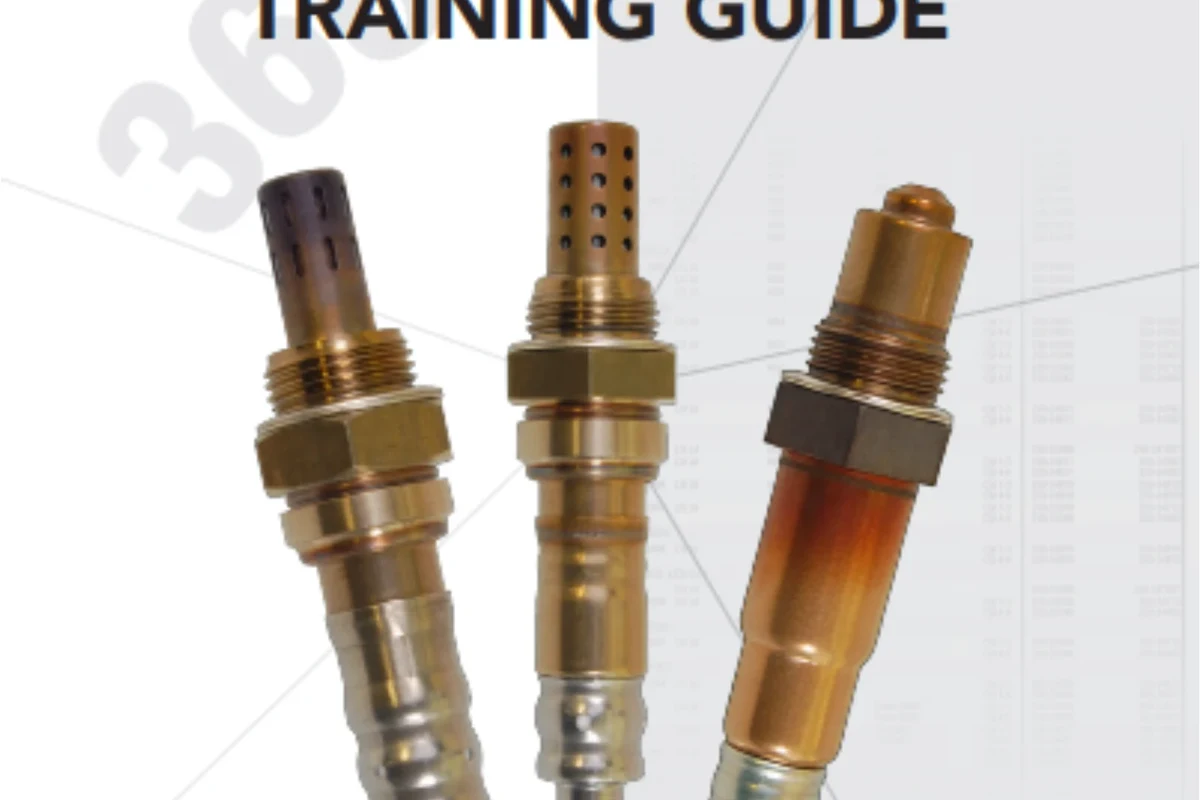
An oxygen sensor measures the amount of oxygen in the exhaust stream and sends that information to the engine computer. The computer uses that signal to adjust fuel delivery, which affects fuel trim, emissions output, idle quality, and how smoothly the engine runs.
Role in fuel trim, emissions, and engine performance
Upstream sensors help the engine computer fine-tune the air-fuel mixture in real time. Downstream sensors mainly monitor catalytic converter performance, so a failing sensor can trigger a warning light even when the engine still seems to drive normally.
When an O2 sensor becomes slow, contaminated, or electrically unstable, symptoms can include poor fuel economy, rough idle, hesitation, or a persistent diagnostic code. That is why a correct replacement matters: the sensor is not just an emissions part, it is part of day-to-day engine control.
How Walker sensors compare in design and signal behavior
Walker sensors are aftermarket replacements designed to match the original vehicle application as closely as possible. In practice, that means buyers should focus on the sensor type, connector style, wire count, and whether the part is intended for upstream or downstream use rather than assuming all Walker sensors are interchangeable.
Like most aftermarket sensors, real-world behavior can vary by vehicle, engine family, and exhaust condition. A sensor may be electrically compatible yet still deliver less consistent long-term performance if the installation is exposed to exhaust leaks, oil burning, or wiring damage.
Many oxygen sensor problems are caused by the vehicle, not the replacement part. Exhaust leaks, coolant contamination, and damaged wiring can all mimic a bad sensor.
Who Walker O2 Sensors Fit Best
Walker sensors are usually most attractive to buyers who want a straightforward replacement without paying premium-brand pricing. They are often a practical fit for older vehicles, daily drivers, and repair jobs where the vehicle simply needs a compatible sensor to return to normal operation.
Daily drivers, budget repairs, and older vehicles
If you are maintaining a commuter car, work truck, or older family vehicle, a Walker sensor can be a sensible balance of cost and function. This is especially true when the rest of the exhaust system is in decent shape and the original fault clearly points to the sensor itself.
For vehicles with high mileage, it is often better to choose a reliable aftermarket part that fits correctly than to delay the repair while searching for a more expensive option. In those cases, a Walker sensor may be “good” because it solves the problem without overspending on a car that does not need a premium restoration-level part.
When OEM or premium alternatives may be the better choice
OEM or premium alternatives can be the better choice for newer vehicles, hard-to-access locations, or engines that are especially sensitive to sensor response speed and calibration. They may also be worth the extra cost if your vehicle has a history of repeated emissions faults and you want the narrowest possible fitment risk.
Fleet operators, long-distance commuters, and owners who keep vehicles for many more years may prefer the added confidence of OEM-equivalent documentation, stronger warranty terms, or broader dealer support. The right answer depends less on brand loyalty and more on how critical the repair is to your vehicle’s long-term reliability.
Key Specs and Buying Criteria to Check Before You Buy
Before buying any oxygen sensor, verify the exact application. The most common mistake is choosing a part that looks close but differs in connector shape, sensor length, thread size, heater circuit, or position.
- Check compatibility, model number, sensor position, connector style, and wire count
- Confirm upstream vs. downstream placement, warranty terms, return policy, and installation instructions
Vehicle compatibility, sensor position, and connector match
Start with the year, make, model, engine size, and emissions package listed by the manufacturer or parts catalog. Then confirm whether the sensor is upstream or downstream, because those positions are not usually interchangeable even if the connector appears similar.
Connector match is critical. A sensor with the wrong plug may tempt a buyer to improvise, but that can create reliability problems and may damage the harness. If the listing does not clearly confirm fitment for your exact vehicle, treat that as a warning sign and verify before ordering.
Sensor type, response speed, wiring quality, and heater circuit details
O2 sensors are not all the same. Depending on the vehicle, you may need a narrowband or air-fuel ratio style sensor, and you should confirm the correct wire count and heater circuit requirements before purchase.
Response speed matters because slow sensors can affect fuel trim accuracy. Wiring quality also matters because the sensor lives in a hot, vibration-heavy area, and poor insulation or weak strain relief can shorten service life. If your vehicle is picky about electrical characteristics, OEM or a higher-tier aftermarket sensor may be the safer route.
Warranty, packaging completeness, and return policy considerations
Check whether the box includes the correct connector and any required installation instructions. Some buyers discover too late that the part was technically compatible but arrived without the expected hardware guidance or had packaging issues that made returns harder.
Warranty terms vary by retailer and region, so read the policy before buying. For sensors, a fair return process matters because installation mistakes, catalog errors, and hidden vehicle issues are common reasons a replacement does not solve the problem.
Real-World Benefits and Common Limitations
The main reason people consider Walker sensors is value. They are widely available through many parts channels, and they often cover a broad range of vehicle applications without forcing the buyer into a premium price tier.
Value for money, availability, and broad application coverage
For straightforward repairs, that combination can be exactly what a car owner needs. If the goal is to replace a failed sensor, pass an emissions inspection, or stop a recurring code caused by a worn-out original part, a Walker sensor may deliver a practical result without overcomplicating the repair.
Availability is another benefit. Broad catalog coverage can make it easier to find a part quickly, which matters when a vehicle is already disabled or a repair has to be completed before a commute or inspection deadline.
- Usually a cost-conscious replacement choice
- Broad fitment coverage for many common vehicles
- Useful for routine repairs and older cars
- Fitment mistakes can still happen
- Long-term durability may vary by application
- Mixed user reports make verification important
Possible drawbacks: fitment issues, longevity concerns, and mixed reviews
The most common complaints around aftermarket O2 sensors involve fitment confusion, premature failure, or a sensor that does not clear the code because the underlying issue was elsewhere. That does not automatically make the brand bad, but it does mean buyers should be careful and realistic.
Longevity can also depend heavily on the vehicle’s condition. A sensor exposed to oil burning, coolant contamination, rich running, or exhaust leaks may fail early regardless of brand. In those situations, the new part is often being blamed for a problem created by the engine or exhaust system.
Evidence limits: what can and cannot be concluded from user reports
User reviews can help identify recurring fitment patterns, packaging issues, or occasional quality-control concerns, but they cannot prove how a specific sensor will perform in your vehicle. Reviews are also influenced by installation skill, vehicle condition, and whether the buyer ordered the correct part number.
Because no verified first-hand testing evidence is available here, the safest conclusion is a measured one: Walker O2 sensors appear suitable for many common replacement jobs, but they should be purchased only after confirming the exact application and understanding the tradeoff between value and premium-level confidence.
Installation Guide: How to Replace a Walker O2 Sensor Safely
Replacing an oxygen sensor is often manageable for a careful DIYer, but the job can be frustrating if the exhaust is hot, the sensor is seized, or the wiring is routed poorly. The safest approach is to follow the vehicle service manual and use the correct tool for your specific sensor location.
Tools, prep steps, and locating upstream vs. downstream sensors
Typical tools may include an oxygen-sensor socket or wrench, penetrating oil for stubborn threads, jack stands if access is needed from below, and a scan tool for code clearing. Before starting, let the exhaust cool completely and identify whether you are replacing the upstream or downstream sensor.
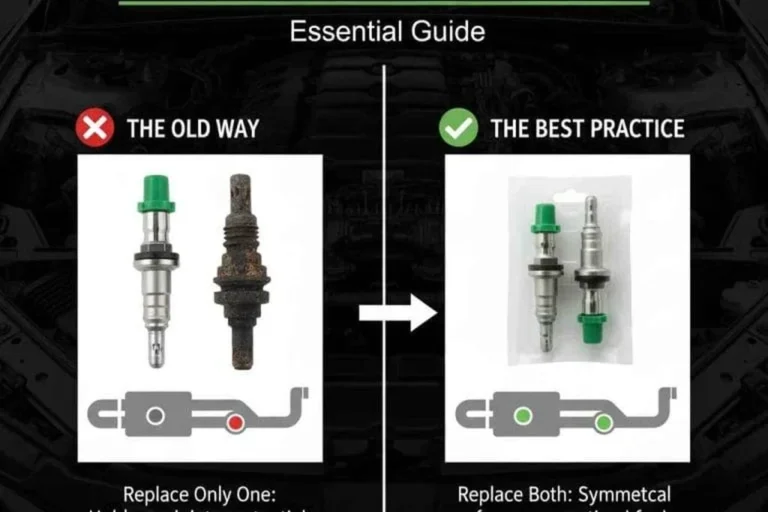
Upstream sensors are usually closer to the engine and are more critical for fuel control. Downstream sensors are farther back, often near or after the catalytic converter, and are generally used for monitoring emissions system performance.
Exhaust components can stay dangerously hot long after the engine is turned off. Work only on a cool vehicle, support it properly if you need access underneath, and never force a sensor on a damaged thread.
Connector handling, anti-seize use, torque, and heat-safe practices
Disconnect the electrical connector carefully and avoid pulling on the wires. If the replacement sensor does not already have a specified anti-seize coating, follow the manufacturer’s instructions before applying anything to the threads, because too much compound can affect installation quality.
Torque matters, but the correct value should come from the service manual or the sensor instructions for your vehicle. Over-tightening can damage threads or the sensor body, while under-tightening can cause exhaust leaks and inaccurate readings.
- Compare the old and new sensor before installation to confirm connector shape and wire length
- Route the harness away from the exhaust and moving parts
- Use the service manual for torque and thread guidance whenever possible
Common mistakes that cause check-engine lights or poor readings
One common mistake is replacing the sensor without fixing the root cause, such as a vacuum leak, exhaust leak, or wiring damage. Another is installing the wrong bank or sensor position, which can leave the original code active or create a new one.
It is also easy to overlook contamination. Silicone sealants, oil leaks, coolant leaks, and fuel mixture problems can all affect sensor behavior. If the new sensor does not solve the issue, the problem may be in the engine, exhaust, or wiring instead of the sensor itself.
Troubleshooting and Maintenance After Installation
After installation, the goal is to confirm that the sensor is communicating correctly and that no other issue is masking the fix. A successful repair is not just about turning off the light; it is about making sure the engine computer sees stable, believable data.
Clearing codes, verifying live data, and checking for exhaust leaks
Use a scan tool to clear codes only after the repair is complete, then observe live data if your tool supports it. Look for sensor activity that makes sense for the vehicle, and check whether fuel trims settle into a reasonable range instead of staying unusually high or low.
Also inspect for exhaust leaks near the sensor and upstream of it. A small leak can pull extra oxygen into the exhaust stream and make a good sensor appear faulty, which leads to unnecessary parts replacement.

Inspection intervals, corrosion prevention, and wiring care
Periodic inspection is worthwhile on high-mileage vehicles. Look for rust around the bung, cracked insulation, melted wiring, and loose connectors, especially if the vehicle sees winter road salt or frequent short trips.
Corrosion prevention is mostly about keeping the surrounding exhaust and harness in good condition. Secure the wiring properly, avoid chemical contamination, and fix oil or coolant leaks early so the new sensor is not exposed to the same conditions that damaged the old one.
When to replace again and signs the problem is not the sensor
If the same code returns quickly, or if live data still looks unstable after installation, the replacement may not be the real problem. In that case, the issue could be a bad connector, a wiring fault, an exhaust leak, a failing catalytic converter, or an engine-running problem that the sensor is simply reporting.
Replace the sensor again only when diagnostics support it. Repeatedly swapping parts without checking the rest of the system can waste money and still leave the vehicle with the same warning light.

Final Recommendation: Are Walker O2 Sensors Worth It in 2026?
Walker O2 sensors are worth considering if you want a practical, budget-conscious replacement for a compatible vehicle and you are willing to verify fitment carefully. They are especially sensible for daily drivers, older cars, and straightforward repairs where the main goal is restoring normal operation without paying for a premium brand.
Best use cases, better alternatives, and the transparent verdict
If your vehicle is newer, highly emissions-sensitive, or difficult to diagnose, OEM or a higher-tier aftermarket sensor may be the better choice. But for many routine repairs, Walker sensors can be a reasonable middle ground: useful, accessible, and cost-aware, with the important condition that the exact part number and sensor position must match your vehicle.
Walker O2 sensors are generally good for value-focused replacement jobs when compatibility is confirmed and the rest of the exhaust system is healthy. Choose a premium or OEM option if you want the lowest fitment risk or your vehicle is especially sensitive to sensor performance.
Frequently Asked Questions
They can be a good value choice for routine repairs and older vehicles. The key is confirming exact fitment, sensor position, and connector match before buying.
Check the year, make, model, engine size, emissions package, and whether the sensor is upstream or downstream. Also verify the connector shape, wire count, and heater circuit details.
The biggest risks are fitment mistakes, variable longevity, and mixed user reports. Like most aftermarket parts, results depend heavily on the vehicle condition and installation quality.
OEM can be the better choice for newer vehicles, sensitive emissions systems, or situations where you want the lowest fitment risk. Walker is often more appealing when budget matters and the application is straightforward.
Confirm the exact part number, sensor location, and connector match before starting. Also inspect the harness, exhaust, and nearby wiring so you do not install a new sensor over an existing problem.
Recheck for exhaust leaks, wiring damage, vacuum leaks, and other engine issues that can mimic a bad sensor. If the code returns quickly, the sensor may not be the root cause.