Can O2 Sensor Prevent Car from Starting
Usually not: a bad O2 sensor rarely prevents a car from starting, but it can contribute to hard-start or flooded-running issues. If the engine won’t crank or won’t fire, check battery, starter, fuel, spark, crank sensor, and immobilizer systems first.
If you’re asking whether a bad oxygen sensor can keep a car from starting, the short answer is usually no. An O2 sensor more often causes rough running, poor fuel economy, or emissions issues than a true no-start condition.
- Usually not the cause: An O2 sensor normally affects fuel trim after startup, not cranking.
- Hard-start exception: Severe mixture errors can flood the engine or make restart difficult.
- Check first: Battery, starter, fuel pressure, spark, crank signal, and security system.
- Confirm fitment: Upstream/downstream location, connector type, and wire count must match.
- Don’t guess from codes: An O2 code can be a symptom of another fault, not the root cause.
Can an O2 Sensor Prevent a Car from Starting? Quick Answer for 2026 Drivers
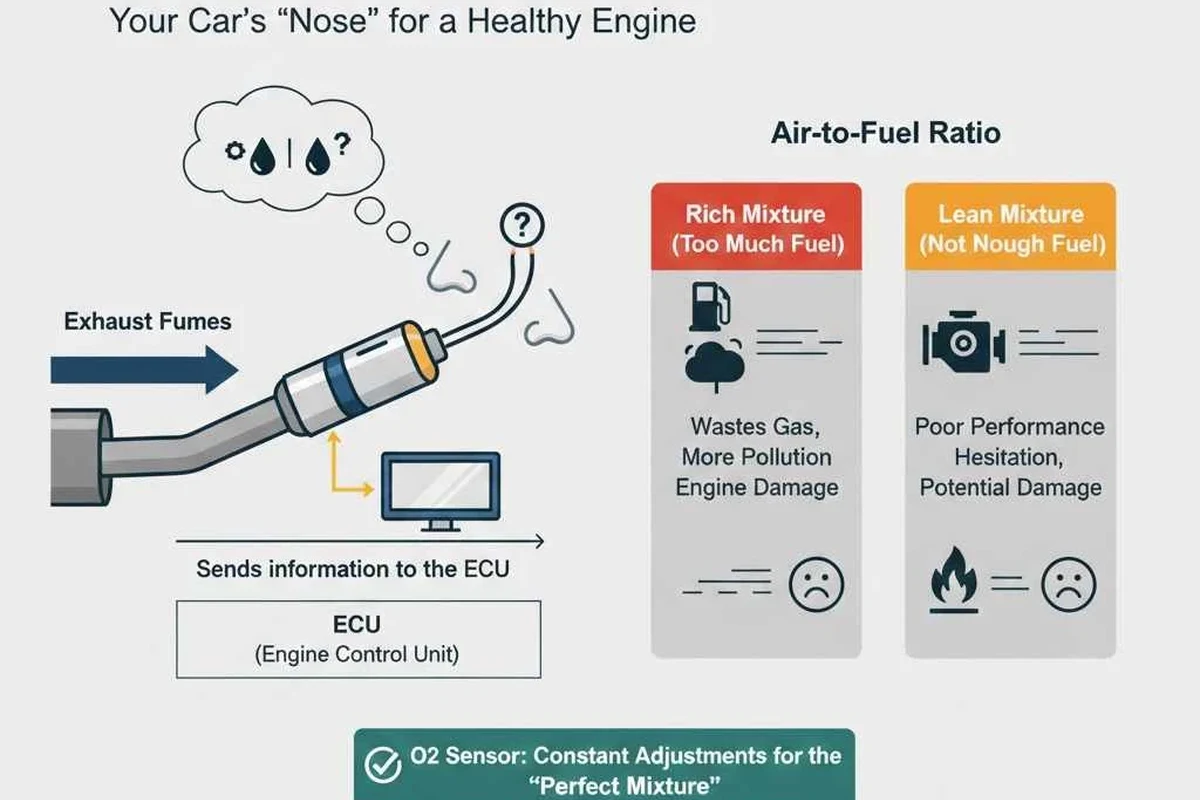
In most vehicles, an O2 sensor does not stop the engine from cranking or firing on its own. The engine computer can usually start the car using default fuel calculations even if the sensor is unplugged or reporting bad data.
That said, a failed O2 sensor can contribute to a hard-start or flooded condition in some situations, especially if another problem is already affecting fuel mixture. The key is to separate a true no-start from a drivability issue that just feels similar.
What an O2 Sensor Does and Why It Usually Won’t Stop the Engine from Cranking
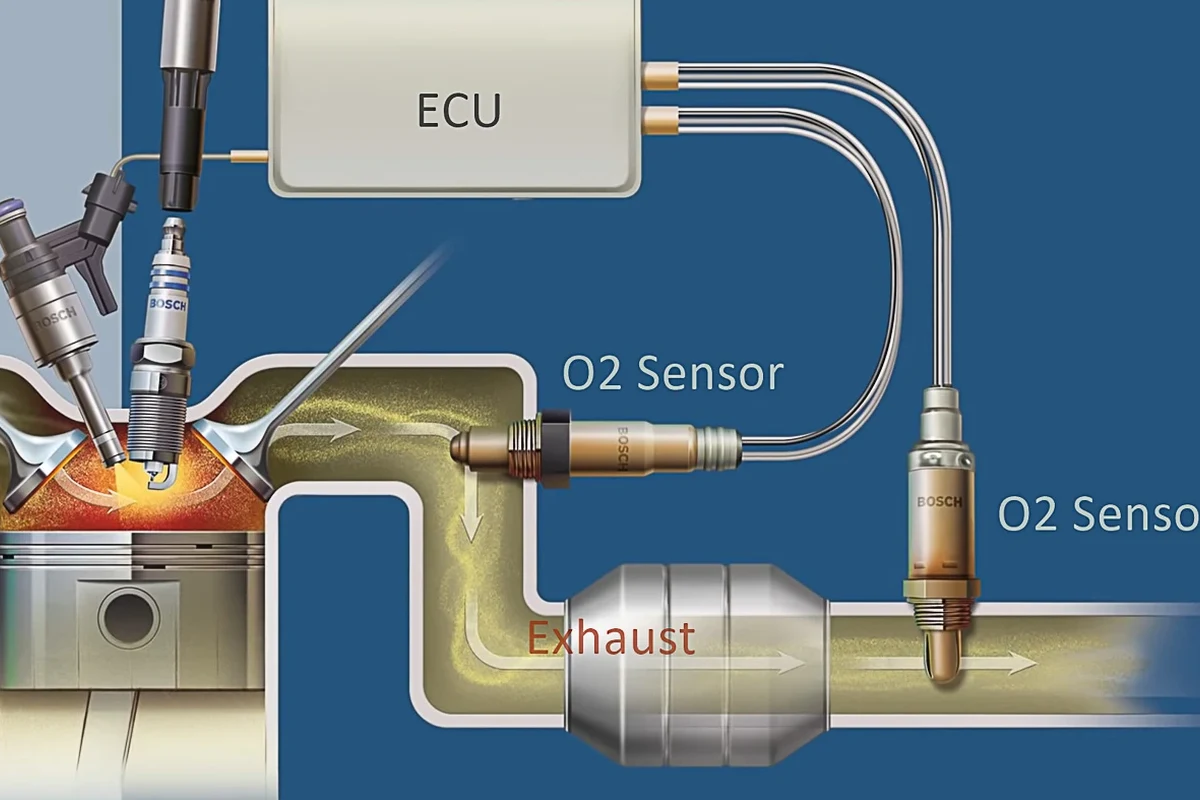
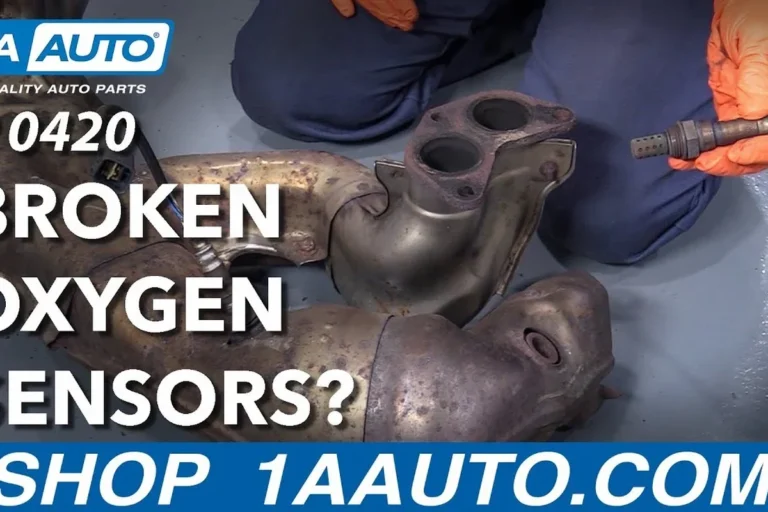
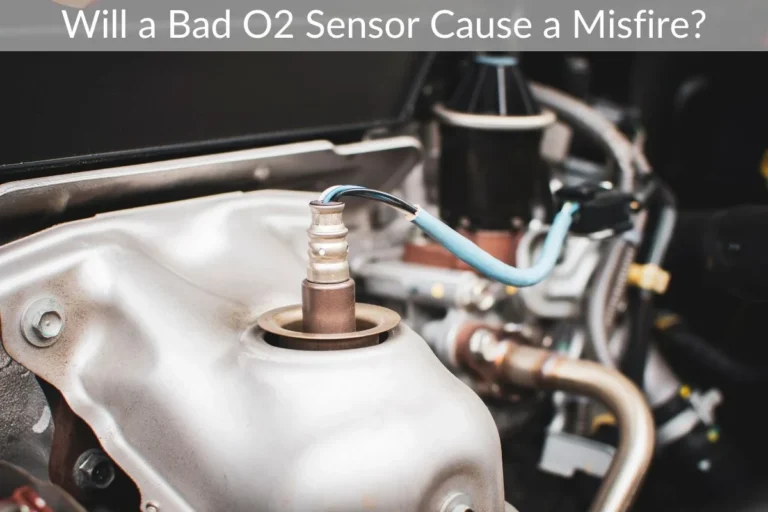
An oxygen sensor measures oxygen content in the exhaust so the engine control unit can fine-tune fuel delivery. It helps the vehicle run efficiently, protect the catalytic converter, and keep emissions within normal limits.
How the oxygen sensor supports fuel trim and emissions control
Most modern engines use the O2 sensor after startup to adjust fuel trim in closed-loop operation. That means the sensor matters most once the engine is already running and warming up, not during the basic act of starting.
On many vehicles, the computer uses preset startup values, coolant temperature, airflow input, and crankshaft signals to get the engine running first. After that, the O2 sensor helps the system refine the mixture.
Why most no-start problems come from other sensors or systems
If the engine will not crank, the O2 sensor is not the place to start. Battery health, starter operation, fuses, relays, security systems, and wiring faults are much more common causes.
If the engine cranks but will not fire, the crankshaft position sensor, fuel pump, fuel pressure, spark plugs, ignition coils, injectors, or immobilizer system are usually higher on the list. The oxygen sensor is rarely the first failure to check in that scenario.
Vehicle behavior varies by make, model, engine family, and software strategy. Always check the factory service information or owner’s manual for the exact starting logic used by your vehicle.
When a Bad O2 Sensor Can Contribute to a No-Start or Hard-Start Condition
There are exceptions. A faulty O2 sensor can make the engine run too rich or too lean once the system tries to enter closed loop, and that can create a hard-start situation after the vehicle has already been running badly.
Flooded engine, extreme fuel mixture issues, and ECU fallback behavior
If the sensor reports incorrect readings, the engine computer may overcorrect fuel trim. In a rich-running engine, excess fuel can flood the cylinders and make the next start difficult, especially after a hot soak or repeated short trips.
Many ECUs also enter fallback mode when an O2 sensor fails. In that case, the vehicle often still starts, but it may run with reduced efficiency, poor throttle response, or a check engine light.
If you smell strong raw fuel, see heavy smoke, or suspect flooding, avoid repeated long cranking. Let the vehicle sit and follow the manufacturer’s guidance, since repeated attempts can worsen flooding and drain the battery.
Symptoms that point to the O2 sensor versus the crank, fuel, or ignition system
An O2 sensor problem usually shows up as rough idle, poor fuel economy, hesitation, black smoke, or an emissions-related trouble code. It is less likely to cause a complete no-crank or dead-start condition by itself.
By contrast, a crank sensor issue often causes cranking with no spark or no injector pulse. Fuel pump or pressure problems may cause the engine to crank normally but never catch. Ignition faults can cause intermittent starting and misfires right away.
Many vehicles can still run in open loop for a period after startup, which is one reason an oxygen sensor failure often affects drivability more than initial cranking.
How to Diagnose the Real Cause: Step-by-Step Troubleshooting Guide
Before replacing any sensor, confirm whether the engine will not crank, cranks but will not start, or starts and stalls. That distinction saves time and keeps you from swapping parts that are not related to the problem.
Check battery voltage, starter operation, and basic power delivery first
Start with the battery, terminals, and starter circuit. A weak battery can cause slow cranking, clicking, or no response at all, which may be mistaken for a sensor failure.
Check that the dash lights, key fob battery, and security indicator behave normally. If the vehicle uses an immobilizer, a key recognition issue can block starting even when every engine sensor is fine.
Note whether the engine does not crank, cranks without starting, or starts briefly and stalls.
Check battery charge, terminal tightness, visible corrosion, and starter response before moving deeper.
Look for immobilizer warnings or key recognition problems that can prevent normal starting.
Scan for codes, review live data, and inspect related wiring and connectors
Use an OBD-II scanner to read stored and pending codes. An O2 sensor code can be helpful, but it does not prove the sensor is the root cause of the no-start complaint.
Review live data if available. Look at coolant temperature, throttle position, crankshaft RPM during cranking, and O2 sensor activity after the engine starts. Also inspect the sensor harness, connector pins, exhaust routing, and nearby heat damage.
If a code points to the oxygen sensor, inspect the wiring and exhaust leaks before buying a replacement. Heat, oil contamination, and broken connectors can mimic a failed sensor.
Look for fuel pressure, spark, and airflow problems before replacing the sensor
If the engine cranks but will not start, verify fuel pressure and injector operation according to the factory manual. A weak pump, clogged filter, or failed relay can cause the same symptom people sometimes blame on the O2 sensor.
Next, confirm spark and basic airflow. A failed crank sensor, bad ignition coil, dirty throttle body, or major vacuum leak can create a no-start or hard-start condition that has nothing to do with exhaust sensing.
- Confirm the engine actually cranks normally
- Read codes and freeze-frame data with a scan tool
- Check fuel pressure, spark, and crank signal
- Inspect wiring, exhaust leaks, and connector corrosion
- Verify the exact sensor location and part number
Key Specifications and Decision Criteria When Replacing an O2 Sensor
If diagnosis really points to the oxygen sensor, compatibility matters more than brand hype. The wrong sensor can trigger new codes, poor operation, or connector mismatch problems.
Sensor type, upstream vs downstream location, and vehicle compatibility
Upstream sensors are usually placed before the catalytic converter and are the primary fuel-control sensors. Downstream sensors are usually used to monitor catalyst efficiency, so replacing the wrong one may not solve the issue you’re chasing.
Always verify the exact engine, model year, emissions package, and sensor location before ordering. Small differences between trims or regions can change the correct part.
Connector style, wire count, heater circuit design, and emissions compliance
O2 sensors vary by wire count and heater design, and those details matter for compatibility. A sensor with the wrong connector or heater configuration may not work correctly even if it physically fits.
For emissions-related repairs, check whether the part is intended to meet your local requirements. Rules can vary by state, province, or country, so confirm compliance before installation.
OEM vs aftermarket value, warranty length, and long-term reliability trade-offs
OEM parts often provide the safest fitment path, while quality aftermarket options can be a reasonable value if they are specifically listed for your vehicle. The best choice depends on how strict the fitment is and how much troubleshooting you want to avoid.
Warranty length can be useful, but it should not outweigh fitment accuracy. A sensor that is easy to install but not fully compatible can create more labor and diagnostic time than the savings are worth.
- Correct fitment can restore fuel control and clear valid sensor faults
- Quality replacements may improve drivability and emissions performance
- Wrong part selection can create new codes or wasted labor
- Replacing the sensor will not fix unrelated no-start causes
Common Mistakes That Lead to Misdiagnosis and Unnecessary Parts Replacement
The biggest mistake is treating every oxygen sensor code as proof of a bad sensor. That code may be a symptom of another problem, such as a misfire, vacuum leak, or wiring fault.
Confusing O2 sensor codes with the root cause of the drivability issue
A lean or rich code can come from unmetered air, weak fuel pressure, exhaust leaks, or ignition problems. Replacing the O2 sensor first may temporarily change the code pattern without fixing the real issue.
It helps to read freeze-frame data and compare it with the complaint. If the engine has a long history of misfires or fuel trim problems, the sensor may be reacting to those issues rather than causing them.
Ignoring exhaust leaks, vacuum leaks, contaminated fuel, or wiring damage
An exhaust leak ahead of the sensor can pull in outside air and distort readings. Vacuum leaks can make the engine run lean, while contaminated fuel can cause poor combustion that looks like a sensor fault.
Wiring damage is another common miss. Heat, road debris, and poor repairs can break sensor circuits or create intermittent contact that mimics a failed part.
Some scan tools and generic code readers only show broad fault codes. For a stubborn no-start or repeated sensor code, manufacturer-specific data and wiring diagrams may be necessary.
Safe Use, Maintenance, and Replacement Tips for Better Long-Term Performance
O2 sensors are delicate enough that careful handling matters. Even a good replacement can fail early if it is contaminated, over-torqued, or installed with damaged threads.
Handling the sensor carefully, avoiding contamination, and checking thread condition
Keep the sensing tip clean and avoid touching it with oily hands or getting sealant, grease, or anti-seize where it does not belong. Follow the sensor maker’s instructions on thread compound, because some sensors are pre-coated and should not be altered.
Inspect the exhaust bung threads before installation. Cross-threading or forcing the sensor can damage the exhaust pipe and make future service harder.
Stop and reassess if the connector is melted, the harness is brittle, or the exhaust area is heavily rusted. Those issues often need repair before a new sensor will work correctly.
When to inspect, clean surrounding components, or replace related parts
If the sensor is being replaced because of a code, inspect nearby parts at the same time: spark plugs, vacuum hoses, intake boots, exhaust joints, and the wiring loom. Cleaning a dirty connector or repairing a cracked hose may solve the underlying problem without extra parts.
Also consider the age and mileage of related components. A sensor repair is more successful when the fuel, ignition, and air systems are all in reasonable shape.
Final Recommendation: When to Suspect the O2 Sensor and When to Look Elsewhere
Suspect the O2 sensor when the car runs poorly, sets mixture-related codes, or shows clear sensor data faults after startup. Look elsewhere first when the engine will not crank, cranks with no fire, or shows obvious battery, starter, fuel, spark, or immobilizer symptoms.
For DIY owners and weekend mechanics, the best next step is to confirm the exact no-start type, scan for codes, and verify fuel, spark, and crank signal before buying parts. That approach is faster, cheaper, and far less likely to turn a simple repair into a parts-swapping guess.
- An O2 sensor usually does not prevent cranking or initial startup.
- It can contribute to hard starts if mixture control is badly off or the engine is flooded.
- Battery, starter, crank sensor, fuel delivery, ignition, and immobilizer issues are more common no-start causes.
- Verify fitment, connector style, and sensor position before replacing any oxygen sensor.
Frequently Asked Questions
Usually no. An oxygen sensor more often causes rough running, poor fuel economy, or emissions issues than a complete no-start.
Common signs include rough idle, hesitation, poor mileage, black smoke, or mixture-related trouble codes. Those symptoms usually show up after the engine starts.
Check battery health, starter operation, fuel pressure, spark, crank signal, wiring, and exhaust leaks first. These are more common causes of no-start problems.
Yes, in some cases. If the engine is running too rich or too lean, it can flood or struggle to restart, especially after repeated short trips or a hot soak.
Verify the exact vehicle, engine, sensor position, connector style, and wire count. Fitment can vary by trim, emissions package, and region.
Not always. A code can be caused by another issue such as a vacuum leak, exhaust leak, wiring damage, misfire, or fuel delivery problem.