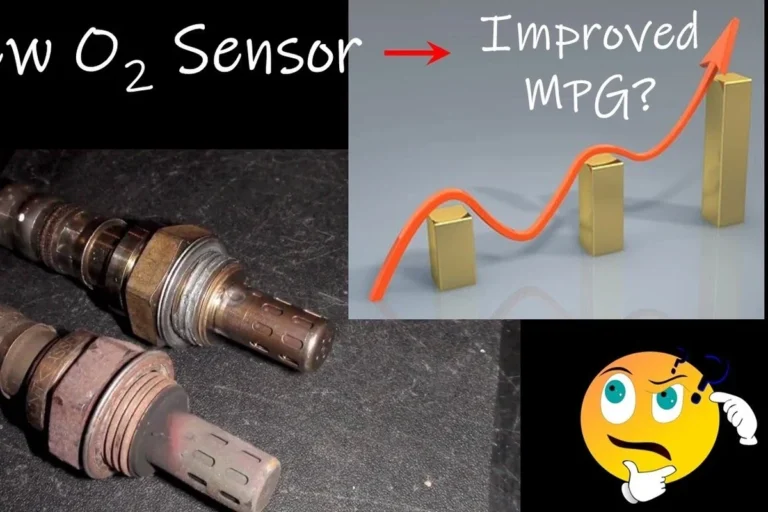
Can P0420 Be Caused by O2 Sensor
Yes, a bad O2 sensor can cause P0420, but it is only one possible cause. The safest approach is to check live data, inspect for exhaust leaks and engine problems, and confirm the real fault before replacing parts.
Yes, a bad O2 sensor can cause a P0420 code in some cases, but it is not the only likely cause. P0420 usually means the ECU thinks the catalytic converter is not cleaning up exhaust gases as well as it should, so the sensor may be the trigger, the clue, or just a symptom of a different problem.
- O2 sensor involvement: A slow, contaminated, or damaged sensor can trigger P0420.
- Common misdiagnosis: The code often points to a converter, leak, or engine issue instead.
- Best first checks: Review live data, fuel trims, wiring, and exhaust leaks.
- Part replacement: Replace the sensor only when the diagnosis supports it.
- Prevention: Fix misfires, oil burning, coolant loss, and leaks early.
Can P0420 Be Caused by an O2 Sensor? Quick Answer and What the Code Really Means
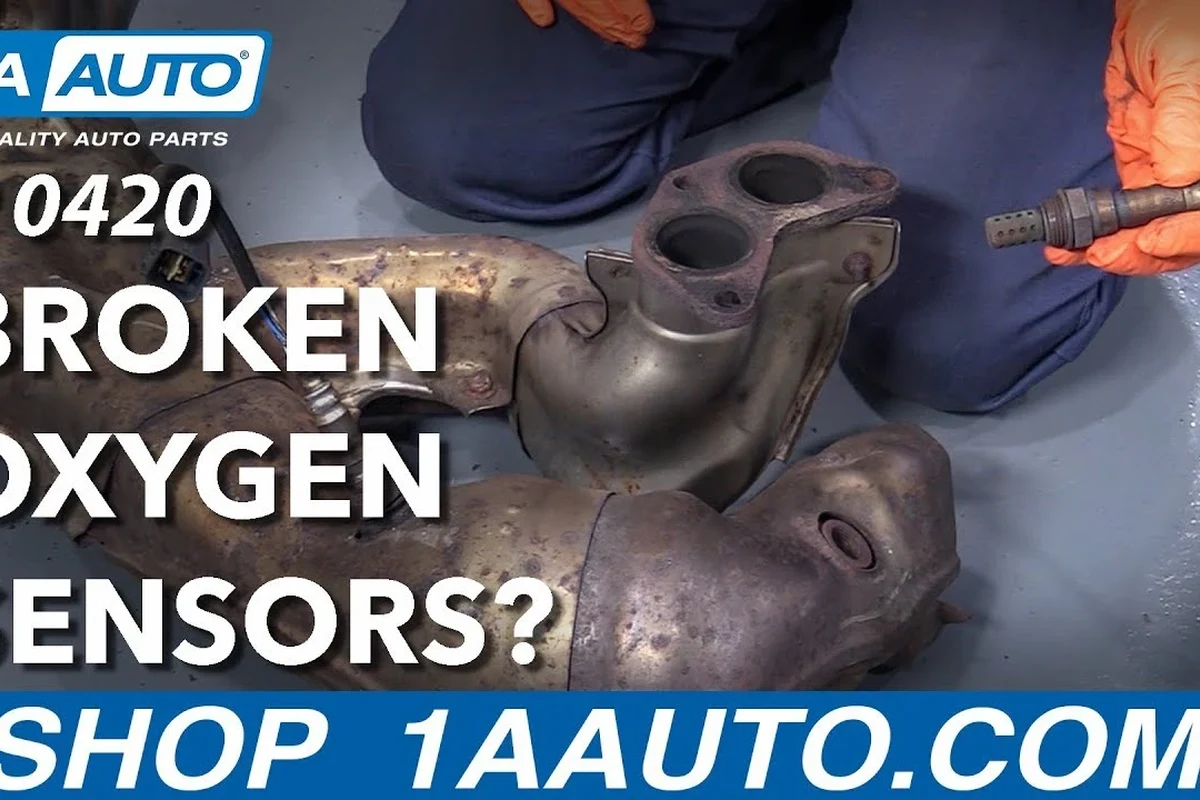
P0420 can absolutely be related to an oxygen sensor, especially if the sensor is aging, contaminated, slow to respond, or damaged by wiring or exhaust issues. But in many vehicles, the code appears because the catalytic converter is weak, the engine is running too rich or too lean, or there is an exhaust leak that changes what the sensors read.
The important thing is that P0420 is a system-efficiency code, not a direct “replace this part” code. That is why the same code can be fixed by a sensor on one car and by a converter, leak repair, or engine tune-up on another.
How P0420 Works: Catalyst Efficiency, O2 Sensors, and the ECU’s Logic
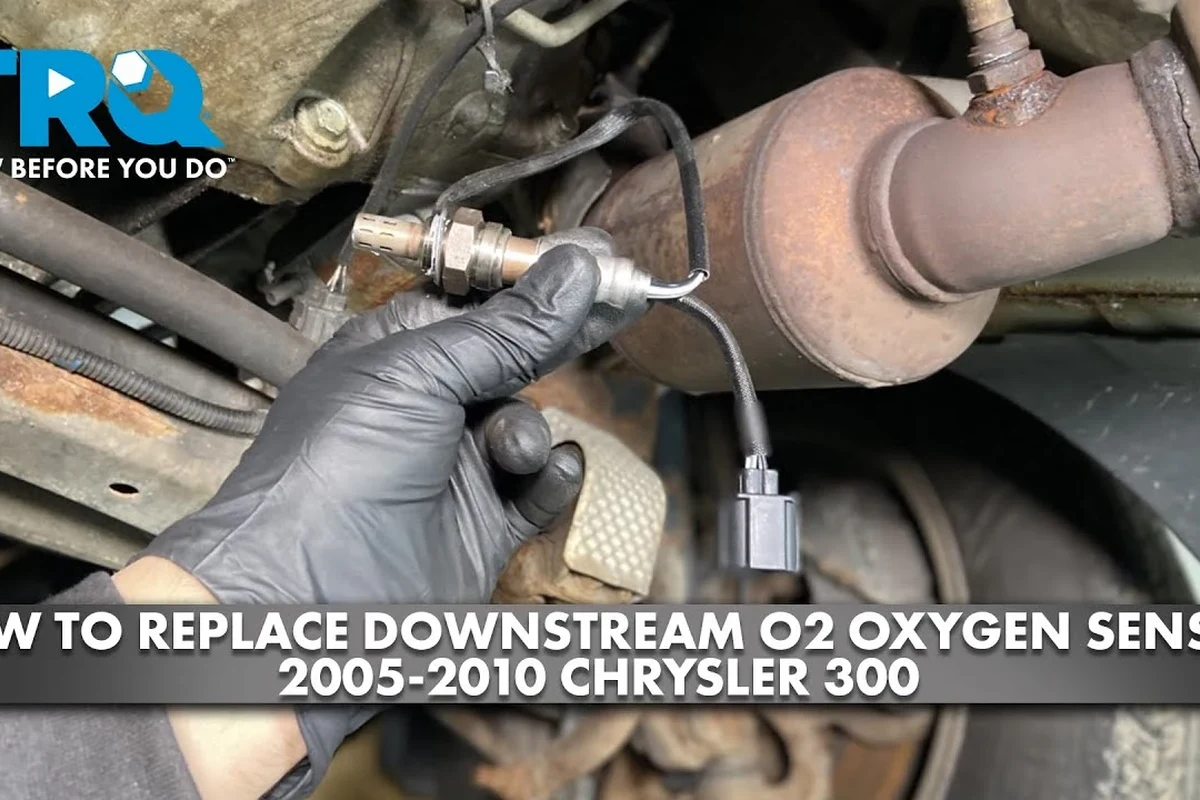
The ECU compares signals from the upstream and downstream oxygen sensors to judge how well the catalytic converter is working. If the converter is storing and cleaning exhaust oxygen properly, the downstream sensor should look steadier than the upstream sensor.
When the ECU sees the downstream sensor switching too much, or the pattern looks too similar to the upstream sensor, it may decide the catalyst is not doing enough and set P0420. That logic depends on engine temperature, closed-loop operation, fuel trim behavior, and readiness conditions, so a code can appear only after certain driving conditions are met.
Upstream vs. downstream O2 sensor roles
The upstream sensor, often called the air-fuel or front O2 sensor, helps the ECU adjust fuel mixture in real time. It reacts quickly to changes in exhaust oxygen, which is why it is used for fuel control.
The downstream sensor sits after the catalytic converter and is used mainly for monitoring converter efficiency. It should usually show a smoother, less active pattern than the upstream sensor if the catalyst is doing its job.
Why the ECU flags “catalyst system efficiency below threshold”
The ECU is not measuring the catalyst directly like a lab instrument would. Instead, it infers converter performance by comparing sensor behavior over time under specific operating conditions.
Some vehicles are more sensitive to small exhaust leaks, sensor aging, or fuel trim problems than others, so two cars with the same code may need very different repairs.
If the downstream sensor begins to mimic the upstream sensor too closely, the ECU may interpret that as poor catalyst storage capacity. That does not always mean the converter is bad; it may mean the exhaust stream reaching the sensors is already abnormal.
Can a Bad O2 Sensor Trigger P0420? Common Sensor-Related Scenarios
Yes, a bad O2 sensor can trigger P0420 when the sensor signal is inaccurate enough to mislead the ECU. This is most likely when the sensor is slow, biased, contaminated, or affected by a wiring fault that changes its output.
Sensor aging, slow response, and contamination
Over time, O2 sensors can become sluggish from age, heat cycling, fuel additives, silicone contamination, oil burning, or coolant intrusion. A slow sensor may still “work” in a basic sense, but it may not switch accurately enough for the ECU to interpret catalyst performance correctly.
That is especially important if the sensor is not completely dead. A partially degraded sensor can create borderline data that leads to intermittent P0420, which is one reason the code can be frustrating to diagnose.
If the code returns after clearing, look at live sensor data before replacing parts. A sensor that responds slowly or looks stuck may be more useful evidence than the code itself.
Wiring damage, exhaust leaks, and connector issues
Sometimes the sensor is not the real problem; the wiring is. Heat damage, corrosion, loose connectors, and rubbed-through harnesses can distort the signal or create intermittent faults that look like a failed sensor.
Exhaust leaks near the manifold, sensor bung, or pipe joints can also pull in outside air and confuse sensor readings. That extra oxygen can make the ECU think the catalyst is underperforming when the exhaust system is actually leaking.
Other Causes That Often Look Like an O2 Sensor Problem
Many P0420 cases are blamed on the O2 sensor first because the sensor data is what the ECU sees. But the sensor often reports a problem that started somewhere else in the engine or exhaust system.
Failing catalytic converter
A worn-out or damaged catalytic converter is one of the most common true causes of P0420. Age, overheating, physical damage, contamination, and prolonged misfires can reduce its ability to store oxygen and clean exhaust gases.
If the converter substrate is broken or melted, the downstream sensor pattern may confirm the problem. In that case, replacing the sensor alone usually will not solve the code.
Misfires, rich/lean fuel trim issues, and oil or coolant contamination
Engine misfires can send unburned fuel into the exhaust and overheat the converter. Likewise, a rich-running engine can overload the catalyst, while a lean condition can create exhaust patterns that confuse the monitor.
Oil burning and coolant contamination are also serious because they can poison the catalyst surface. If the underlying engine issue is not fixed, a new sensor or converter may fail again.
Exhaust leaks before or near the catalyst
Leaks upstream of the converter are especially important because they can change sensor readings before the ECU makes its decision. Even a small leak can introduce enough outside air to affect the downstream comparison.
That is why a P0420 diagnosis should always include the exhaust system, not just the sensors. On some vehicles, a leak repair is the real fix even when the code appears to point at the converter.
How to Diagnose P0420 the Right Way in 2026
The best diagnosis starts with data, not guesswork. A modern OBD2 scan tool can show whether the sensors, fuel trims, and readiness monitors support a sensor problem, a converter problem, or something else.
OBD2 scan data to check: live voltage, fuel trims, and readiness monitors
Look at upstream and downstream O2 sensor behavior in live data if your scanner supports it. The upstream sensor should usually switch more actively, while the downstream sensor should be steadier; if both look nearly the same, that is a clue, not a final diagnosis.
Fuel trims matter too. Large positive or negative trims can point to vacuum leaks, fueling problems, or misfires that may be causing the catalyst code indirectly. Readiness monitors also matter because some tests only run after the engine reaches proper temperature and driving conditions.
Scan tool labels and data names vary by vehicle, app, and model year. Check the vehicle service information or scanner documentation so you know whether you are viewing raw O2 sensor voltage, air-fuel ratio data, or another sensor type.
Simple inspection steps before replacing parts
Start with the basics: inspect the exhaust for leaks, check sensor connectors, look for damaged wiring, and confirm the engine is not misfiring. If the engine has a rough idle, poor fuel economy, or a check engine light with other codes, those clues matter.
Also inspect for obvious contamination such as oil leaks, coolant loss, or heavy soot around the exhaust. Those signs can help you avoid replacing an oxygen sensor when the real issue is upstream.
- Verify the exact code and check for related codes
- Inspect exhaust leaks, connectors, and visible wiring damage
- Review live data for sensor switching and fuel trims
- Check for misfires, oil burning, or coolant loss
- Confirm the correct sensor part number for your vehicle
When to use a smoke test, backpressure test, or professional diagnosis
If the cause is not obvious, a smoke test can help locate intake or exhaust leaks, depending on the setup and equipment used. A backpressure test or other professional exhaust evaluation may be useful if the converter seems restricted or physically damaged.
Professional diagnosis makes sense when the vehicle has multiple codes, repeated failures, or a history of engine problems. That is especially true on newer vehicles where sensor strategy and catalyst monitoring are more complex than a simple voltage check.
Who This Applies To: Drivers, DIYers, and When a Repair Shop Makes Sense
P0420 affects everyday drivers, DIY troubleshooters, and anyone trying to avoid replacing expensive parts too early. The right path depends on how comfortable you are with scan data and basic inspection.
Best fit for basic DIY troubleshooting
If you can inspect connectors, check for obvious exhaust leaks, and read basic OBD2 live data, you can often narrow the problem down a lot. That is enough to decide whether the sensor looks suspicious or whether you should keep looking elsewhere.
Basic DIY work is best when the car runs normally and the code is the only symptom. In that situation, careful observation can save money and prevent unnecessary parts replacement.
Cases where advanced tools or expert help are needed
If the vehicle has misfires, fuel trim problems, coolant loss, or repeated catalyst codes after repairs, a deeper diagnosis is usually worth it. Some issues only show up under load, at highway speed, or after the engine reaches full operating temperature.
That is where a shop with smoke testing, advanced scan data, and exhaust evaluation can be more efficient than replacing parts one by one. It is also the safer choice if you suspect a damaged converter or severe engine-running problem.
Repair Options, Cost Value, and Common Mistakes to Avoid
The right repair depends on the root cause, not on the code alone. Replacing the O2 sensor may be a smart fix in one case and a waste of money in another.
Replacing the O2 sensor vs. replacing the catalytic converter
If the sensor is slow, contaminated, or has a wiring fault, replacing it may solve the problem. If the converter is physically degraded, overheated, or poisoned, the sensor may be fine and the converter will need attention instead.
Because converter replacement is usually more expensive and labor-intensive than sensor replacement, diagnosis matters. The goal is to buy the part that matches the evidence, not the part that seems most likely from the code description alone.
Do not keep driving with severe misfires, strong fuel smell, overheating exhaust, or obvious engine damage. Those conditions can damage the catalytic converter further and create a safety risk.
Why clearing the code without fixing the cause fails
Clearing P0420 only resets the monitor; it does not repair the sensor, converter, leak, or engine condition that caused it. If the root issue remains, the code usually returns after the vehicle completes its catalyst monitor.
That is why temporary fixes and code clearing apps are not a real solution. They can hide the symptom briefly, but they do not restore proper emissions system operation.
Maintenance habits that help prevent repeat P0420 codes
Regular maintenance helps protect both the sensors and the converter. Keeping up with spark plugs, ignition components, oil changes, coolant repairs, and air/fuel system issues reduces the chance of catalyst damage.
It also helps to address small exhaust leaks early and avoid driving for long periods with a misfire or warning light ignored. Those habits matter more than most people realize because the converter is often the last part to fail after another issue has been left unresolved.
Final Recommendation: Should You Blame the O2 Sensor for P0420?
Blame the O2 sensor only after you check the evidence. A bad sensor can cause P0420, but the code more often points to a broader issue involving the catalytic converter, engine performance, exhaust leaks, or contamination.
If you want the most reliable fix, start with live data, simple inspection, and related codes before buying parts. That approach gives you the best chance of replacing the right component the first time.
—
Frequently Asked Questions
Yes. A slow, contaminated, damaged, or wiring-faulted O2 sensor can sometimes trigger P0420 by misleading the ECU’s catalyst monitor.
No. A failing converter is common, but exhaust leaks, misfires, fuel trim issues, and sensor problems can produce the same code.
Check upstream and downstream sensor behavior, fuel trims, and any related codes. Those clues help separate a sensor issue from a converter or engine problem.
Yes. A leak before or near the catalyst can let outside air affect sensor readings and make the ECU think the catalyst is underperforming.
Only if diagnosis supports it. Replacing the sensor first can be sensible when it is slow, contaminated, or has wiring damage, but it will not fix a bad converter.
No. Clearing the code only resets the light temporarily; the underlying sensor, exhaust, fuel, or converter issue will usually bring it back.