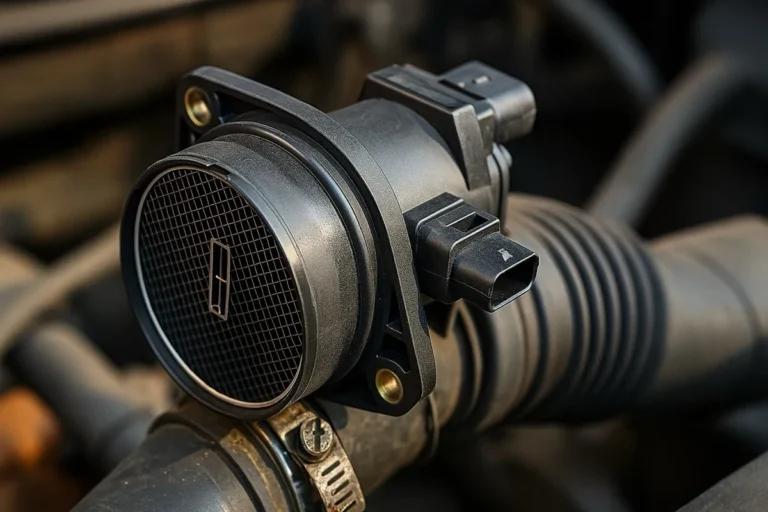
Can We Clean Maf Sensor with Wd40
No, WD-40 is generally not a safe choice for cleaning a MAF sensor because it can leave residue. Use a dedicated MAF sensor cleaner instead and let the part dry fully before reinstalling it.
WD-40 is not the right cleaner for most mass air flow sensors, and in many cases it can leave behind residue that may interfere with sensor readings. If you want the safest answer to “can we clean maf sensor with wd40,” the practical recommendation is no—use a product made for MAF sensors instead.
- WD-40 risk: It can leave a film that may affect sensor accuracy.
- Best cleaner: Use a product labeled for MAF sensors or residue-free electronics cleaning.
- Cleaning method: Spray gently, do not touch the sensing element, and allow full drying.
- When to stop: Persistent symptoms may point to leaks, wiring faults, or a failing sensor.
Can We Clean a MAF Sensor with WD-40? Short Answer and What You Should Know First

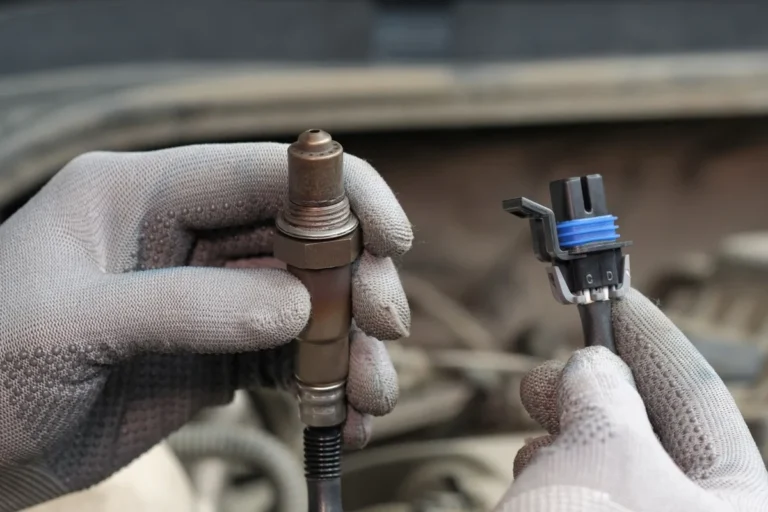
A MAF sensor is a delicate engine component, not a general-purpose metal part. It sits in the intake stream and helps the engine computer decide how much fuel to inject, so even a small amount of residue can matter.
That is why the cleaner you choose matters as much as the cleaning itself. Some sprays evaporate cleanly and are designed for sensitive electronics, while others are better suited to loosening grease from tools, hinges, or hardware.
What a MAF Sensor Does and Why It Gets Dirty
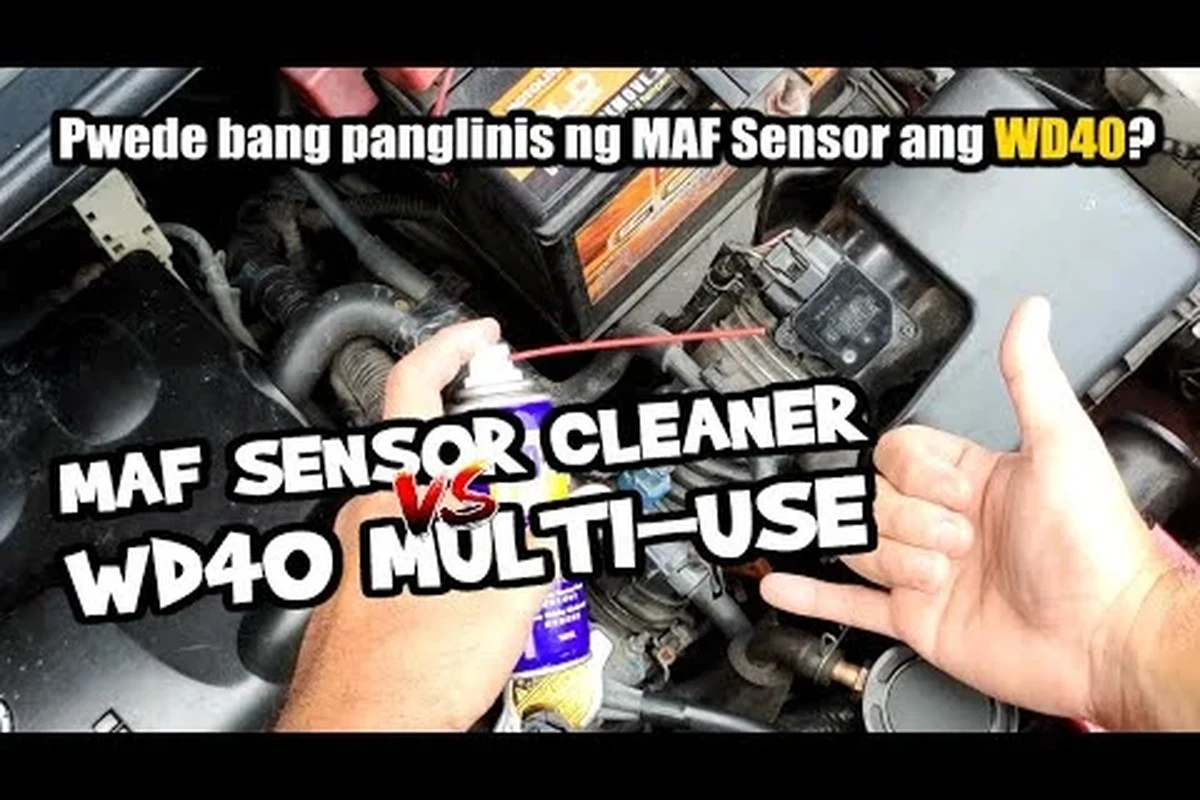
The mass air flow sensor measures the amount of air entering the engine. The engine control unit uses that reading to balance fuel delivery, which affects idle smoothness, throttle response, acceleration, and fuel economy.
How the mass air flow sensor affects fuel mixture, idle quality, and engine performance
If the sensor under-reads or over-reads airflow, the engine can run too rich or too lean. That may show up as rough idle, hesitation, stalling, reduced power, poor gas mileage, or a check engine light.
Because the MAF sensor works with tiny electrical signals, contamination does not need to be obvious to cause trouble. A thin film of oil or dust can be enough to skew readings.
Common contamination sources: dust, oil from aftermarket filters, moisture, and crankcase vapors
Dirty air filters, unfiltered intake leaks, and dusty driving conditions can all contribute to buildup. Oiled aftermarket filters are another common source when excess oil migrates onto the sensing element.
Moisture and crankcase vapors can also leave deposits over time. In other words, a MAF sensor usually gets dirty because the intake system is breathing real-world air, not because the part itself is defective.
Many modern MAF sensors use a very fine hot-wire or hot-film element, which is why physical contact and oily residue are both risky.
Why WD-40 Is Not the Right Cleaner for Most MAF Sensors
WD-40 is designed as a water-displacing, penetrating product with lubricating properties. That makes it useful in many household and mechanical situations, but it is not the same thing as a residue-free sensor cleaner.
How WD-40 differs from dedicated MAF sensor cleaner
Dedicated MAF cleaner is formulated to evaporate quickly and leave little to no residue. That matters because the sensor needs a clean surface and a clean signal path after the spray dries.
WD-40, by contrast, is intended to leave a protective film. That film is helpful on metal parts that need corrosion protection, but it is not what you want on a sensor element that must measure airflow precisely.
Residue, sensor contamination risk, and why “works on metal” does not mean “safe for electronics”
A product can be excellent for freeing a stuck bolt and still be a poor choice for an airflow sensor. “Works on metal” does not automatically mean “safe for electronics,” plastic housings, or delicate sensing wires.
Residue can attract more dirt or alter how the sensing element responds to air. If the goal is to restore accuracy, a cleaner that leaves a film is working against you.
Do not use a cleaner on a hot engine or near ignition sources unless the product label specifically allows it. Follow the vehicle manual and the cleaner’s instructions, and keep the battery disconnected only when the manual or a qualified repair procedure calls for it.
What to Use Instead: Safe Cleaning Products and Decision Criteria
The safest choice is usually a cleaner labeled for MAF sensors. If that is unavailable, some electronics cleaners may be acceptable only if the manufacturer clearly states they are residue-free and safe for sensitive components.
MAF sensor cleaner vs. electronics cleaner vs. brake cleaner: what to choose and what to avoid
MAF sensor cleaner is the first choice because it is made for this job. Electronics cleaner can sometimes be appropriate, but only if the label confirms residue-free evaporation and compatibility with plastics and sensitive circuitry.
Brake cleaner is generally not a good substitute unless a vehicle or product manufacturer explicitly approves it for the exact part. Many brake cleaners are too aggressive for plastics, seals, or delicate sensor coatings.
Key buying criteria: residue-free evaporation, plastic compatibility, nozzle control, and can size/value
Look for a product that evaporates cleanly and is marked safe for sensors or electronics. A controlled spray nozzle helps you target the sensing element without flooding the housing.
Can size and value matter too, but they should come after compatibility. The cheapest option is not a bargain if it leaves residue or damages the sensor.
- Confirm the product is labeled for MAF sensors or sensitive electronics
- Check plastic compatibility and residue-free evaporation claims
- Read the vehicle manual and the cleaner instructions before spraying
- Avoid products that leave oil, lubrication, or protective films
How to Clean a MAF Sensor Safely Step by Step
If the sensor is only lightly contaminated, careful cleaning can sometimes help restore normal operation. The key is to handle the part gently and avoid touching the sensing element.
Preparation: engine off, battery safety, locating the sensor, and handling the connector
Start with the engine off and cool. Locate the MAF sensor in the intake tract, usually between the air filter box and the throttle body, but confirm the exact location in the vehicle manual because layouts vary.
Unplug the electrical connector without pulling on the wires. If the connector has a lock tab, release it gently before removal.
Some sensors can be removed with basic hand tools, while others are part of a larger assembly. Do not force fasteners or pry on the housing.
Cleaning method: spray technique, drying time, and what not to touch
Hold the sensor so the spray can reach the sensing element without soaking the entire assembly. Use short bursts from the recommended cleaner and let the liquid do the work.
Do not wipe the sensing wire or film, and do not use cotton swabs or brushes on the delicate element. Let the part air-dry fully before reinstalling it, since even residue-free cleaners need time to evaporate.
If you are unsure whether the sensor is truly dirty, inspect the air filter, intake tube, and housing first. A loose clamp, cracked intake boot, or dirty filter can mimic a bad MAF sensor.
Reinstalling and checking for improvement without forcing the part
Reinstall the sensor in the correct orientation and tighten fasteners only to the manufacturer’s specification. Reconnect the plug securely, then start the engine and listen for changes in idle quality.
Improvement may be immediate, but not every rough-running issue is caused by the MAF sensor. If symptoms remain, the next step is diagnosis, not repeated spraying.
Who Should Clean It, and When It Makes Sense
Cleaning is most useful when contamination is a plausible cause and the sensor is otherwise intact. It is less useful when the issue is electrical, mechanical, or caused by something upstream in the intake system.
Best fit for DIY owners, high-mileage vehicles, and cars with rough idle or poor fuel economy
DIY owners who can follow a service manual carefully are the best fit for this job. High-mileage vehicles, dusty environments, and cars with minor idle or fuel economy issues are common situations where a cleaning attempt may be reasonable.
It is also a sensible maintenance step if the air filter has been neglected or an oiled filter may have over-saturated the intake path. Even then, the goal is to clean the sensor, not to compensate for a deeper intake problem.
When cleaning is unlikely to help and replacement or diagnosis is the better move
If the sensor has visible damage, broken wiring, melted plastic, or repeated fault codes, cleaning is unlikely to solve the problem. The same is true if the engine has vacuum leaks, fuel delivery issues, ignition faults, or airflow restrictions that are unrelated to the sensor.
When symptoms persist after a proper cleaning, a scan tool, live data review, or professional diagnosis is the smarter next step. Replacing a sensor without confirming the cause can waste money.
Stop and inspect the intake system if the sensor connector is loose, the housing is cracked, or the wiring looks damaged. A damaged sensor or intake leak usually needs diagnosis, not more cleaner.
Common Mistakes, Safety Risks, and Maintenance Tips
Most MAF cleaning mistakes come from treating the sensor like a sturdy mechanical part. It is better to be slow and cautious than to “clean harder.”
Touching the sensing element, using compressed air improperly, over-spraying, and cleaning a hot engine
Never touch the sensing element with your fingers or a tool. Skin oil and physical damage can create new problems faster than dirt can.
Avoid blasting the part with compressed air unless the vehicle manual and sensor instructions allow it. Strong air pressure can damage the element or push contamination deeper into the assembly.
Over-spraying can also be a problem if liquid pools inside the housing or reaches areas not meant to be soaked. Cleaners should evaporate, not become a bath for the sensor.
Care, storage, and inspection habits to prevent repeat contamination
Replace the air filter on schedule and make sure the airbox seals properly. Inspect intake tubes, clamps, and filter fitment so unfiltered air does not bypass the filter.
If your vehicle uses an oiled aftermarket filter, check that it is not over-oiled and that the filter is installed according to the manufacturer’s instructions. Store leftover cleaner upright, with the cap secured, and away from heat.
- Check the air filter and intake tubing before blaming the sensor
- Use only a residue-free cleaner designed for MAF sensors or sensitive electronics
- Let the sensor dry completely before reinstalling and starting the engine
- If the problem returns quickly, look for leaks or wiring issues
Final Recommendation: Is WD-40 Ever Acceptable for a MAF Sensor?
For normal maintenance, WD-40 is not an acceptable cleaner for a MAF sensor. The safer value-based choice is a dedicated MAF sensor cleaner, or a clearly labeled residue-free electronics cleaner if the manufacturer says it is compatible.
Transparent verdict, practical alternatives, and the safest value-based choice for 2026
If you are deciding what to buy in 2026, prioritize the cleaner’s label, residue behavior, and compatibility over brand familiarity. For most drivers, the best path is simple: clean the sensor only when contamination is likely, use the right spray, and stop if the problem points to a deeper engine issue.
Frequently Asked Questions
WD-40 is not the right cleaner for most MAF sensors because it can leave residue behind. A dedicated MAF sensor cleaner is the safer choice.
Use a cleaner labeled for MAF sensors first. Some residue-free electronics cleaners may be acceptable if the manufacturer says they are safe for sensitive components and plastics.
Usually no, unless the vehicle or cleaner manufacturer specifically approves it for that exact part. Many brake cleaners are too aggressive for plastics and delicate sensor elements.
Common signs include rough idle, hesitation, poor fuel economy, or airflow-related fault codes. If the sensor looks dirty and the intake system has contamination sources, cleaning may be reasonable.
No. The sensing element is delicate, and touching it can damage the part or leave residue that affects readings.
If symptoms remain after proper cleaning, inspect for vacuum leaks, wiring issues, intake restrictions, or other engine problems. A scan tool or professional diagnosis may be the better next step.