Can a O2 Sensor Get Wet
Yes, an O2 sensor can get wet, and light moisture is usually fine. Flooding, soaked connectors, or pressure-washer damage are the situations most likely to cause trouble.
If you’re asking, “can a O2 sensor get wet,” the short answer is yes, but only to a point. Light moisture from rain, road spray, or normal condensation is usually not a problem, while flooding, soaked connectors, or direct high-pressure water can cause real trouble.
- Light moisture is normal: Rain, splash, and condensation usually do not harm a healthy sensor.
- Electrical parts matter most: Connectors and wiring are more vulnerable than the sensor tip itself.
- Flooding is high risk: Deep water can cause corrosion, shorts, and delayed failures.
- Symptoms are not specific: A check engine light may point to the sensor, wiring, or an exhaust leak.
- Inspection comes first: Dry, inspect, and verify the fault before replacing parts.
Can a O2 Sensor Get Wet? Quick Answer and What It Means for Your Vehicle
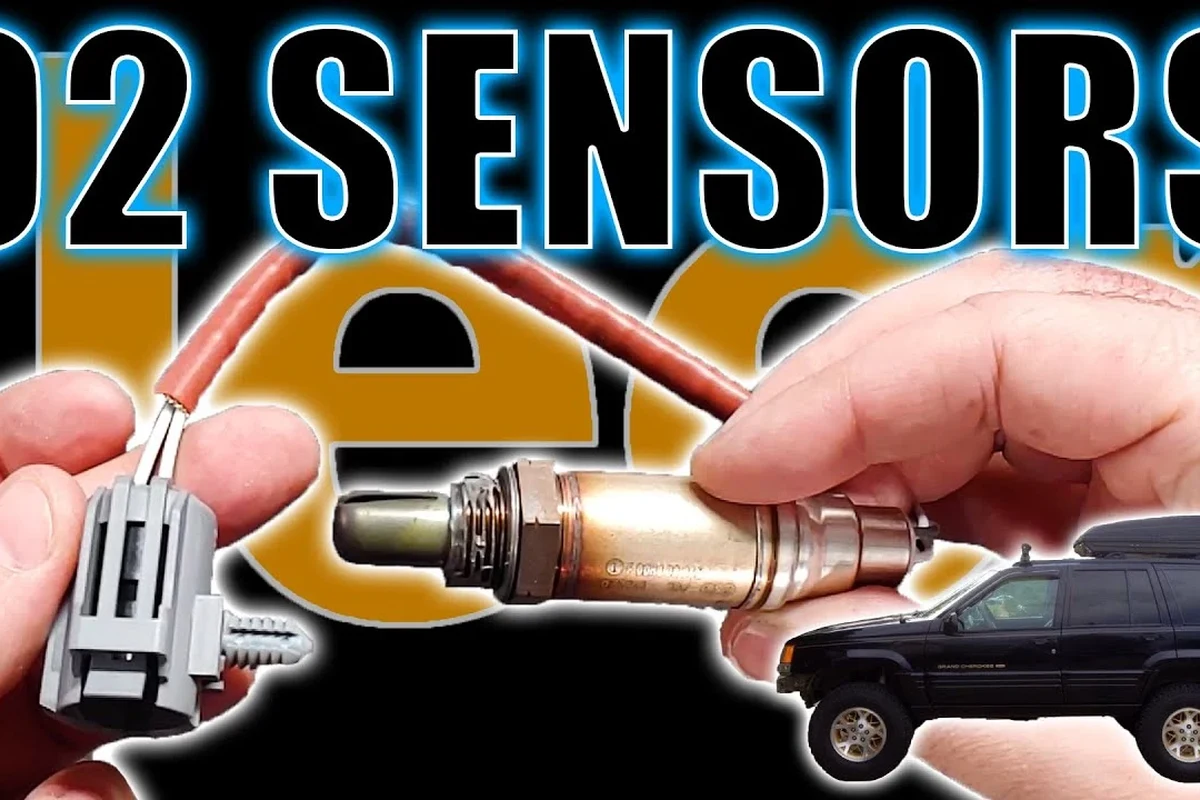
An oxygen sensor sits in a harsh place on the vehicle, so it is built to handle heat, vibration, and some moisture exposure. What it is not built for is prolonged water intrusion into the wiring, connector, or sensor body after impact from deep water, a leak, or aggressive cleaning.
For most drivers, the real question is not whether the sensor touched water, but whether water reached the electrical side of the system. That distinction matters because the sensor element and the connector fail in different ways, and the fix may range from drying and inspection to full replacement.
How an O2 Sensor Works and Why Moisture Matters
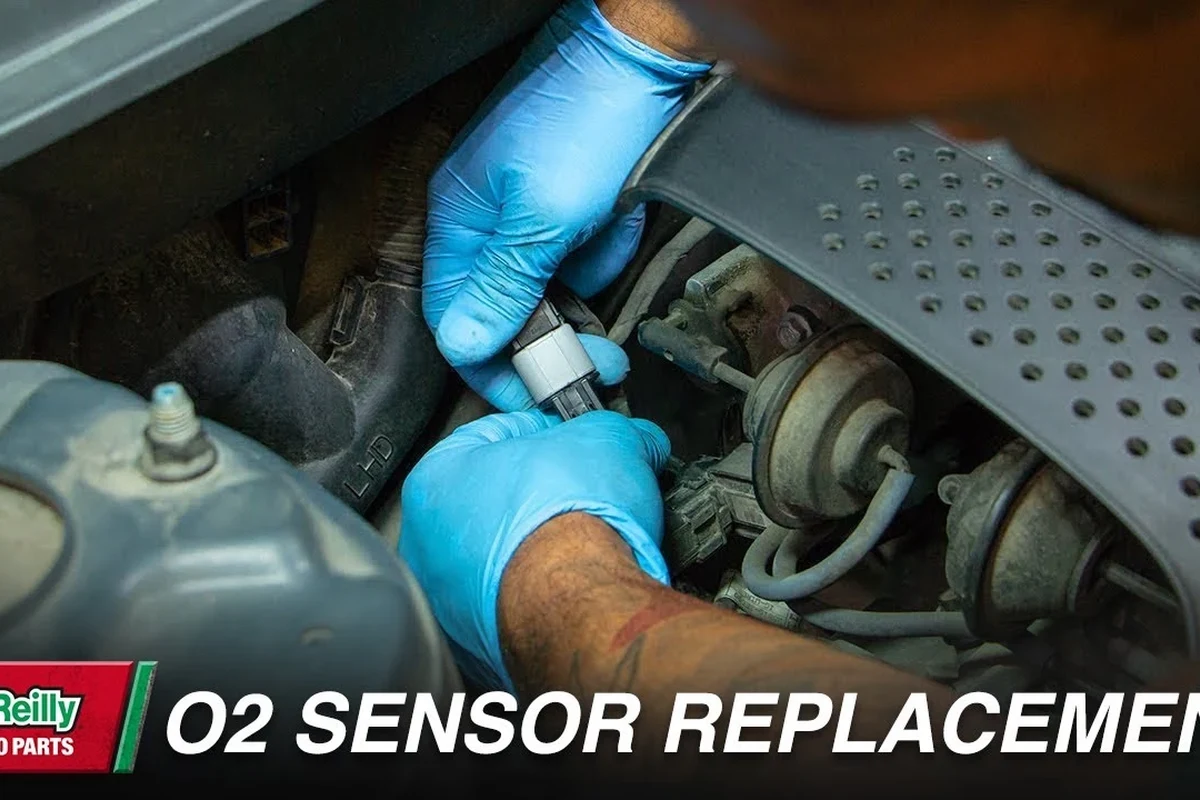
Oxygen sensors help the engine computer monitor exhaust gases so it can adjust fuel delivery. Because they influence air-fuel control, even a small electrical fault can affect drivability, fuel economy, and emissions readiness.
Sensor function in the exhaust system
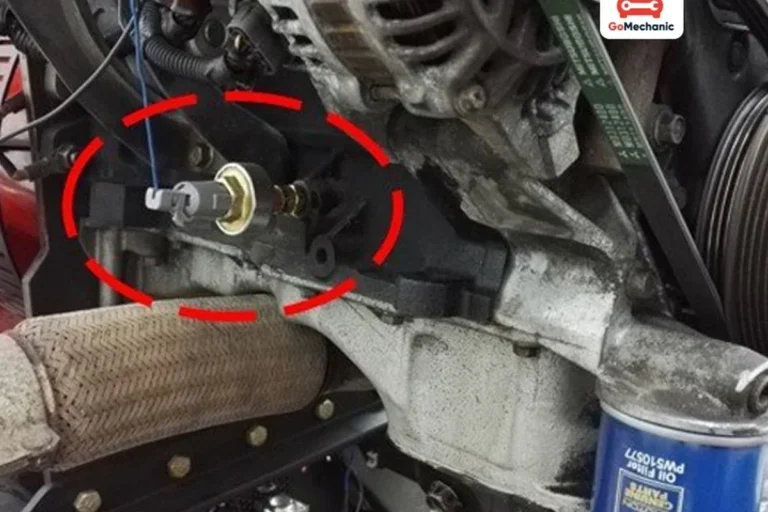
The sensor threads into the exhaust stream, where it measures oxygen content in hot exhaust gas. The signal tells the engine control module whether the engine is running rich or lean, which helps the vehicle stay efficient and within emissions targets.
That location is why the part sees heat cycles, condensation, road splash, and contamination from engine issues. The sensor tip is exposed to exhaust by design, but the wiring pigtail and connector are supposed to stay protected from water intrusion and corrosion.
What water exposure can and cannot damage
Water alone does not instantly ruin every O2 sensor. The more common problems are corrosion in the connector, damaged insulation, water trapped in the harness, or contamination that interferes with the sensor’s response time.
Moisture can also accelerate failure if the sensor was already aging or if exhaust leaks are pulling in extra air and moisture around the mounting area. In other words, water exposure often exposes an existing weakness rather than creating a brand-new one.
Many oxygen sensors fail from age, heat, and contamination over time, so a water event may be the final trigger rather than the only cause.
When a Wet O2 Sensor Is Usually Safe vs. When It Becomes a Problem
Context matters. A little moisture on the outside of the exhaust system is normal, but water trapped in electrical connections or forced into the sensor area can create hard-to-diagnose faults.
Normal moisture from rain, puddles, and condensation
Driving in rain or through shallow puddles usually does not harm a healthy O2 sensor. Exhaust systems naturally see condensation during cold starts and short trips, and the sensor is made to operate in that environment.
If the vehicle runs normally after drying out, there may be no immediate issue at all. Still, it is smart to keep an eye out for a check engine light, especially if the sensor area was splashed unusually hard or the car sat in standing water.
High-risk exposure: flooding, pressure washing, and deep water
Flooding and deep water are much more concerning because they can soak connectors, harnesses, and nearby control components. High-pressure washing aimed directly at the underbody can also force water into places that were never meant to be wet.
If the vehicle was in deep water or flood conditions, do not assume the sensor is the only concern. Water can affect wiring, fuses, connectors, and other engine management parts, so follow the manufacturer’s guidance before restarting or driving far.
If the exhaust system was submerged, the sensor may survive, but the odds of corrosion and electrical faults rise quickly. In those cases, a full inspection is usually more useful than waiting for the problem to “clear itself.”
Signs Your O2 Sensor May Have Been Affected by Water
Water-related O2 sensor problems often show up as drivability changes, not just a warning light. The vehicle may still run, but the engine computer may struggle to get clean data from the sensor.
Check engine light, rough idle, and fuel economy changes
A check engine light is the most obvious clue, but it is not the only one. You might also notice rough idle, hesitation, stalling at stoplights, a sulfur-like smell, or worse fuel economy than usual.
Some vehicles will feel normal at first and only reveal the issue during cold starts, highway cruising, or stop-and-go traffic. That is why a scan tool or professional diagnosis is often more helpful than guessing based on symptoms alone.
Common diagnostic trouble codes to look for
Water-related sensor faults often show up as heater circuit or signal-related codes, though the exact code depends on the vehicle and sensor location. Common examples include codes in the P0130 to P0167 range, but you should confirm the meaning with the official service information for your specific model.
A code naming an oxygen sensor does not always mean the sensor itself failed. The problem could be wiring, a fuse, an exhaust leak, a connector issue, or a related engine condition.
That is why replacing the sensor immediately is not always the best first step. A proper diagnosis can save money and prevent repeat failures.
How to Inspect an O2 Sensor After Water Exposure
If the sensor got wet, inspection should focus on the connector, harness routing, and surrounding exhaust area. You are looking for visible damage, not trying to disassemble the sensor itself.
Visual checks for wiring, connectors, and corrosion
Start with the connector and harness, since that is where water damage usually shows up first. Look for green or white corrosion, loose pins, cracked insulation, damaged clips, or water trapped inside the plug.
- Check the sensor location and connector style against the vehicle’s service information
- Confirm whether the fault is on the sensor, heater circuit, or wiring harness
- Inspect for exhaust leaks, damaged seals, and water intrusion near the connector
- Verify replacement part numbers before ordering anything
Also check nearby components for signs of impact or corrosion, especially if the vehicle was driven through floodwater. A damaged harness can mimic a failed sensor and may need repair before any replacement part will help.
Safe drying and inspection steps before restarting
If the vehicle was only splashed, allow the area to dry naturally when possible and inspect it before restarting. Use a clean, dry cloth on accessible exterior surfaces, but do not poke into the sensor element or spray solvents into the connector.
Follow the vehicle’s service guidance before unplugging anything near the sensor or engine computer.
Check for standing water, corrosion, and bent pins, then let the connector air-dry completely.
Make sure the wiring is intact and the exhaust area is not leaking before you clear fault codes or restart the engine.
If there is any sign of deep water intrusion, a professional inspection is the safer route because hidden corrosion can return later even after the outside looks dry.
Common Mistakes That Make Water Damage Worse
Many O2 sensor problems get worse because of rushed cleaning or misdiagnosis. The sensor itself is delicate, and the surrounding exhaust and wiring are easy to damage if you treat them like a generic engine part.
Using the wrong cleaner or spraying directly on the sensor
Strong cleaners, direct solvent sprays, or pressure washers can force contamination into the connector or damage the sensing element. If cleaning is needed, use only methods approved by the vehicle or sensor manufacturer.
Do not keep driving with a visibly damaged connector, frayed wiring, or a sensor that has been physically struck by debris. Water plus heat plus corrosion can turn a small issue into a larger wiring repair.
Ignoring exhaust leaks, damaged seals, or harness issues
An exhaust leak near the sensor can create false readings and make the car seem like it has a bad oxygen sensor. Likewise, a bad seal or damaged harness can let moisture keep returning after every rainstorm or wash.
That is why the best repair starts with the full area around the sensor, not just the sensor tip. If the underlying leak or wiring issue stays in place, a new sensor may fail again or never solve the warning light.
Repair, Replacement, and Cost Considerations
Whether to clean, repair, or replace depends on what water actually reached. The right choice is usually the one that addresses the root cause instead of the cheapest visible symptom.
When cleaning is enough and when replacement is the better choice
Cleaning may be enough if the problem is minor surface moisture, no corrosion is present, and the sensor signal returns to normal after drying. Replacement becomes more likely when the connector is corroded, the heater circuit is damaged, or the sensor keeps setting codes after inspection.
Replacement is the better choice when water reached the connector or wiring and diagnostic checks point to an electrical fault, not just temporary moisture.
If the sensor is old, contaminated, or exposed to repeated water intrusion, replacement is often more reliable than trying to clean it back to life. The official service manual can help confirm whether the part is serviceable or should be replaced as an assembly.
Value factors: OEM vs. aftermarket sensors, labor, and longevity
OEM and aftermarket sensors can both be valid depending on the vehicle, but fitment, connector style, and calibration compatibility matter more than brand name alone. Before buying, confirm the exact part number, engine size, emissions package, and sensor position.
Labor can also change the total cost significantly because some sensors are easy to reach while others sit in tight or heat-soaked locations. Longevity depends on heat, road salt, oil contamination, and whether the original moisture source has been fixed.
Best Practices for Prevention, Care, and Long-Term Reliability
Prevention is mostly about keeping water away from electrical connections and fixing engine issues before they spread contamination. A healthy exhaust and wiring setup will usually tolerate ordinary weather without drama.
Driving habits and maintenance that reduce moisture-related failures
Avoid driving through deep standing water when possible, and do not aim pressure washers directly at underbody sensors or connectors. Regular maintenance also helps, especially if you keep up with exhaust repairs, oil leaks, and any check engine light that points to mixture or heater faults.
- Use the owner’s manual or service guide to locate the correct sensor before inspecting anything
- Keep connector seals and harness clips intact so water cannot pool around the plug
- Address exhaust leaks quickly, since they can distort sensor readings and trap moisture
- Recheck the area after heavy rain, flood exposure, or underbody cleaning
It also helps to keep the engine in good tune. Misfires, oil burning, and coolant leaks can contaminate the sensor and make a water-related issue harder to diagnose.
Final recommendation: what to do if your O2 sensor gets wet
If the sensor only saw rain, splash, or normal condensation, it is usually safe to dry the area and monitor the vehicle. If the sensor, connector, or harness was soaked by flooding or pressure washing, inspect for corrosion and wiring damage before driving much farther.
When in doubt, use the vehicle’s official service information and a proper scan tool or professional diagnosis. That approach is safer than guessing, and it gives you the best chance of fixing the real problem the first time.
Frequently Asked Questions
Yes. Light moisture from rain, road spray, or normal condensation is usually not a problem for a healthy oxygen sensor. The bigger concern is water getting into the connector, wiring, or harness.
Soaking can cause corrosion, wiring faults, or heater circuit problems, especially if water reaches the electrical connector. The sensor may still work after drying, but flood exposure should be inspected carefully.
Common signs include a check engine light, rough idle, poor fuel economy, hesitation, or a fuel mixture code. The exact symptoms depend on the vehicle and whether the issue is the sensor, wiring, or an exhaust leak.
If the exposure was minor, allow the area to dry and inspect the connector first. If the vehicle was in floodwater or the wiring looks damaged, follow the manufacturer’s guidance and get a proper inspection before driving.
Yes, direct high-pressure water can force moisture into connectors and harnesses. It can also accelerate corrosion or create electrical faults even if the sensor tip itself is still intact.
Replacement makes sense when the connector is corroded, the heater circuit fails, or the sensor keeps setting codes after drying and inspection. If the root cause is wiring or an exhaust leak, fix that first so the new sensor does not fail again.