Telescopic Camera Guide for Stunning Zoom Shots
A telescopic camera is worth considering if you regularly need sharper long-range shots than a standard camera or smartphone can provide. The best choice is the one with strong optical reach, reliable stabilization, and a size you will actually carry.
A telescopic camera is designed to bring faraway subjects closer with more detail than a standard wide-angle camera can usually manage. If you want cleaner zoom shots for travel, wildlife, sports, or home monitoring, the key is understanding how the lens, sensor, and stabilization work together.
- Optical reach matters: Real lens reach is more useful than digital zoom alone.
- Stabilization is critical: Long focal lengths make shake much easier to see.
- Low light changes everything: Aperture and sensor size often decide real image quality.
- Portability affects use: A camera that feels too bulky may not get carried.
- Verify model details: Specs, app support, warranty, and firmware can vary widely.
Telescopic Camera Guide for Stunning Zoom Shots: What It Is and Whether You Need One
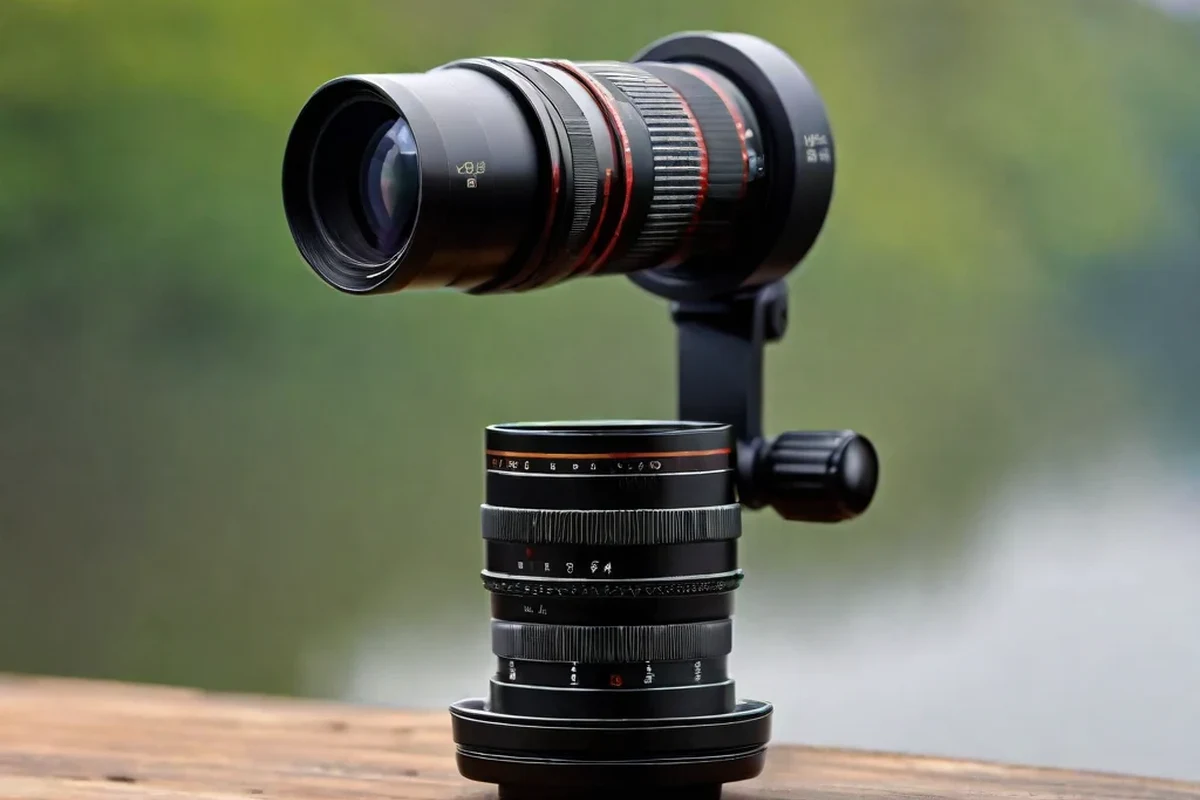
In simple terms, a telescopic camera uses a longer optical reach to capture distant subjects with less cropping and less detail loss than digital zoom alone. That can make a big difference when you need to read a sign, frame a bird on a branch, or keep a subject sharp from across a room or yard.
Quick answer: how a telescopic camera helps you capture distant subjects with more detail
The main advantage is reach. A camera with stronger optical telephoto capability can preserve texture, edges, and subject separation better than a camera that just enlarges the image digitally.
That said, more zoom is not automatically better. If the sensor is small, the aperture is narrow, or stabilization is weak, the final image can still look soft, noisy, or shaky.
Who this guide is for in 2026: creators, travelers, home security users, and hobby photographers
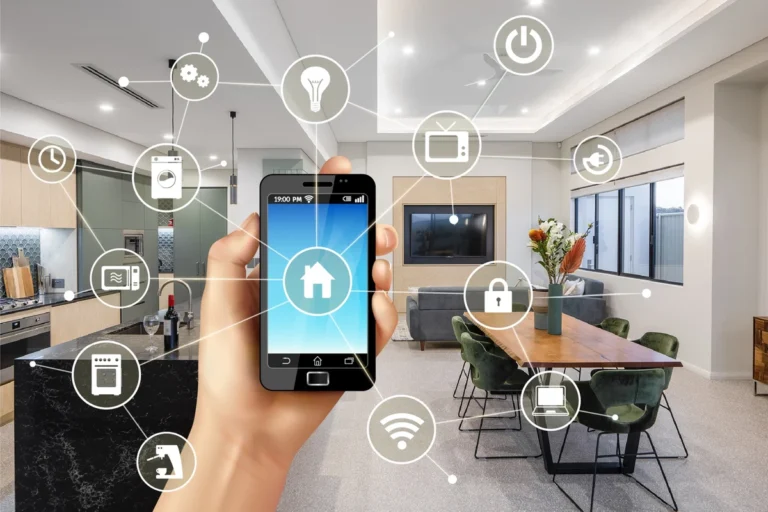
This guide is useful if you shoot content for social media, take family trips, watch wildlife, or want better long-range framing for a smart home setup. It also helps hobby photographers who want a more versatile camera without guessing from marketing terms alone.
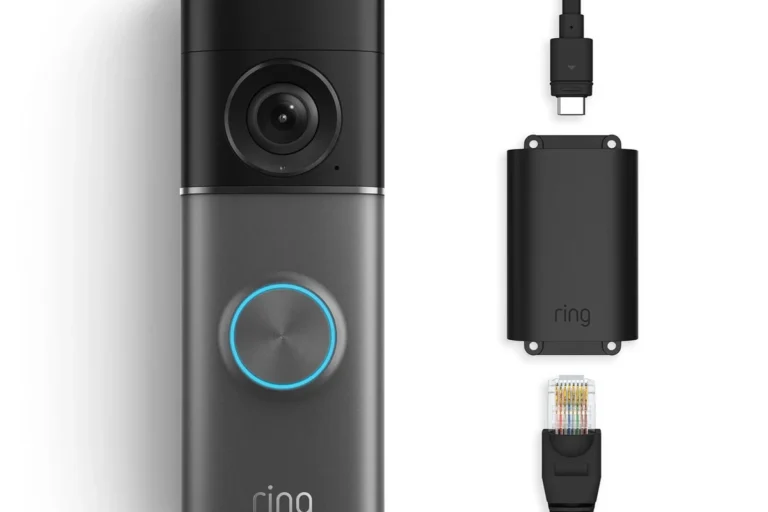
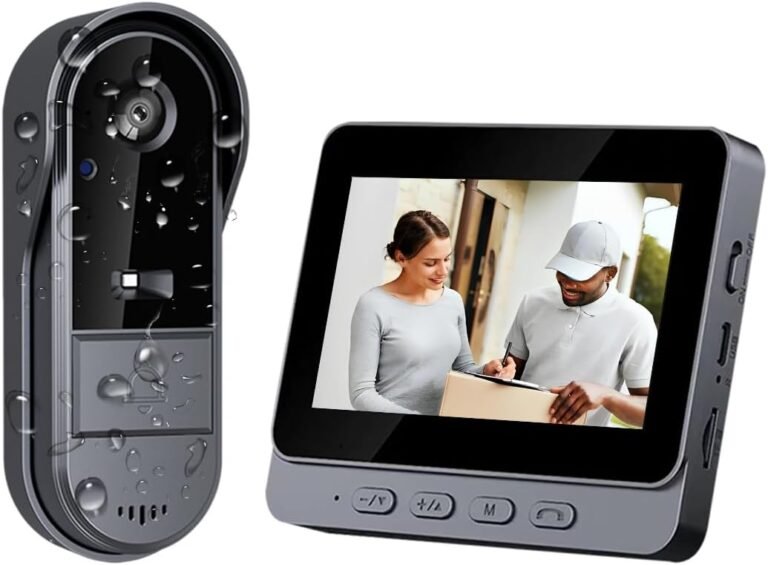
Homeowners may also find the term relevant when comparing cameras for outdoor monitoring, driveway coverage, or pet watching, although those products often prioritize security features over pure photography performance.
How a Telescopic Camera Works: Lens Reach, Sensor Limits, and Zoom Types
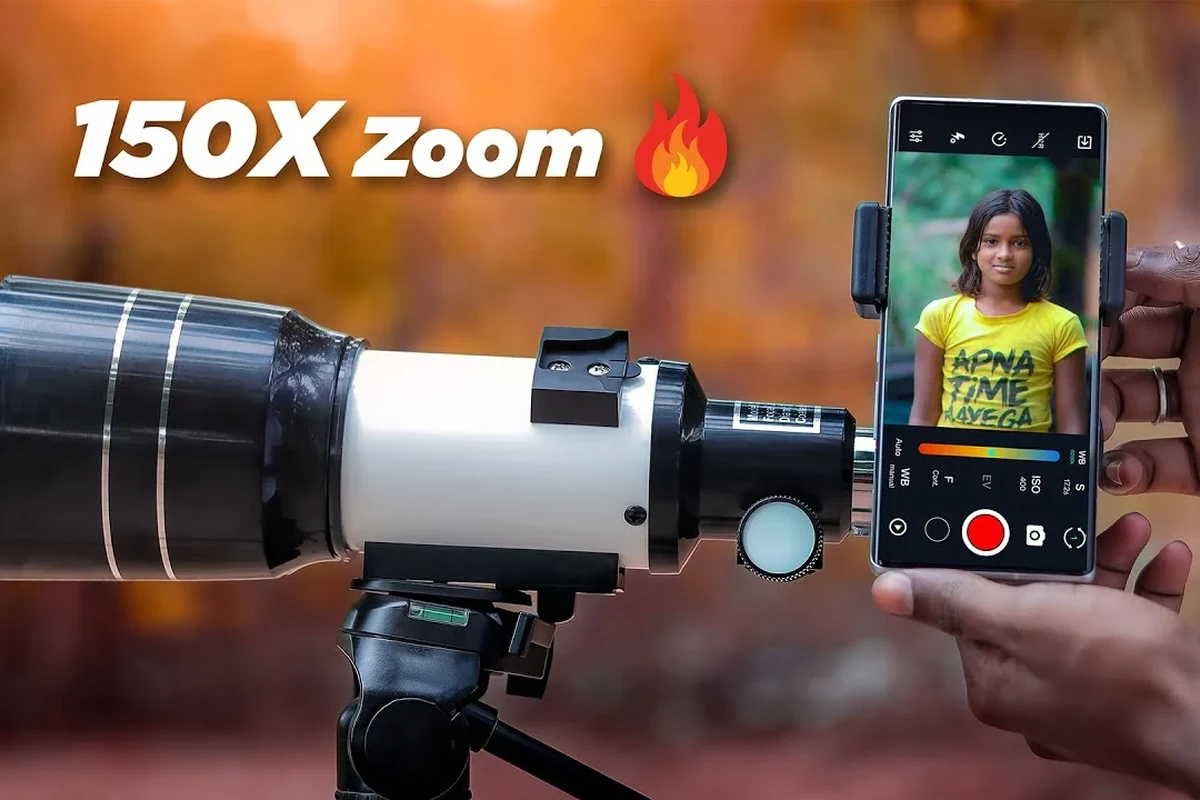
The phrase “telescopic camera” is often used loosely, so it helps to separate the idea of optical reach from the camera’s other limits. A long lens can magnify distant subjects, but the sensor still determines how much usable detail you actually keep.
Optical zoom vs. digital zoom vs. periscope-style telephoto systems
Optical zoom changes the lens position or lens elements to magnify the scene before the image hits the sensor. Digital zoom crops and enlarges part of the image, which usually reduces detail.
Periscope-style telephoto systems, common in some phones and compact devices, use folded optics to create longer reach in a thinner body. They can be impressive, but the final result still depends on lens quality, processing, and stabilization.
Manufacturers describe zoom differently across cameras, phones, and security devices. Always compare the actual optical focal length range, not just the marketing zoom number.
Why sensor size, aperture, and stabilization matter more than zoom numbers alone
A larger sensor can usually gather more light and preserve better detail at longer focal lengths. Aperture matters because a wider opening lets in more light, which can help in indoor scenes, dusk, or cloudy conditions.
Stabilization is just as important. Long lenses magnify hand shake, so optical image stabilization, in-body stabilization, or a tripod-friendly design can make a bigger real-world difference than a spec sheet number suggests.
As focal length increases, tiny movements become more visible in the frame, which is why long-zoom cameras often need better stabilization than wide-angle models.
Key Specifications to Compare Before You Buy
Before you buy, focus on the specs that affect image quality, ease of use, and portability. A long zoom range is only helpful if the camera can hold focus, manage low light, and stay steady enough for the shot you want.
Focal length range, maximum aperture, and image stabilization ratings
Focal length range tells you how wide or tight the lens can frame a scene. A longer maximum reach is useful for distant subjects, while a wider starting point is better for travel, rooms, and group shots.
Maximum aperture is often written as an f-number. Lower numbers mean a wider aperture, which generally helps in dim light and can improve background blur, though the exact effect varies by sensor and lens design.
Stabilization may be listed as optical, electronic, in-body, or hybrid. The best choice depends on whether you plan to shoot handheld, mount the camera, or record video while moving.
Focus speed, low-light performance, and video resolution trade-offs
Fast focus matters when the subject moves, especially for sports, pets, or wildlife. Slow autofocus can make a long-zoom camera frustrating even if the lens reach looks impressive on paper.
Low-light performance depends on more than resolution. A camera may offer high video resolution, but if it uses aggressive noise reduction or a small sensor, distant scenes can still look muddy after dark.
For video, higher resolution is not always the best answer. Some users get better results from a camera that prioritizes stabilization, focus tracking, and clean exposure rather than one that only advertises a big resolution number.
If you care about zoom video, compare the camera’s long-end aperture, stabilization, and autofocus behavior before you compare resolution alone.
Build quality, weather resistance, and portability for real-world use
Long-zoom cameras are often carried more than used in a studio, so weight and grip comfort matter. A camera that is too bulky may stay home, which defeats the purpose of buying extra reach.
Weather resistance can be helpful for travel, outdoor events, and changing conditions, but only if the manufacturer clearly states the protection level. If that information is not verified, assume the camera needs careful handling around dust and moisture.
Best Use Cases and Ideal Users for a Telescopic Camera
The best telescopic camera is the one that fits your shooting habits. Some people need long reach for creative photography, while others want a practical way to monitor a driveway, backyard, or pet area from a distance.
Wildlife, sports, travel, portraits, and smart home monitoring scenarios
Wildlife and sports are classic long-zoom use cases because the subject is often far away and hard to approach. Travel users may like a telescopic camera when they want one device that can handle landscapes, architecture, and distant details without changing lenses constantly.
Portrait shooters sometimes use telephoto reach because it can flatter facial features and compress the background. In smart home scenarios, long reach can help a camera cover more of a yard or entry area, though security features, night vision, motion alerts, and app reliability matter more than pure zoom.
When a telescopic camera is a better fit than a standard zoom or smartphone camera
Choose a telescopic camera when you regularly shoot subjects that are distant, small, or unpredictable. It is often a better fit than a smartphone when you want steadier framing, better long-range detail, or more control over lens behavior.
A standard zoom camera may still be the smarter choice if you value simplicity, lower cost, or broader everyday use. If your main goal is quick snapshots and casual sharing, a phone may be enough unless you frequently need real optical reach.
Real-World Benefits and Limitations You Should Expect
Long zoom can improve composition, but it also magnifies flaws. The farther you reach, the more every small weakness in focus, lighting, stabilization, and handling can show up in the final image.
What improved reach and framing can do for your photos and video
Better reach lets you frame subjects without physically moving closer, which is useful for safety, privacy, and convenience. It can also help isolate a subject from a busy background and create a more polished look.
For video, a strong telephoto setup can make distant action more watchable, especially when the subject stays within the frame instead of disappearing into a wide shot. That is helpful for school events, local sports, and backyard monitoring.
Common drawbacks: shake, slower apertures, bulk, and cost
Long lenses magnify hand shake, so blur becomes easier to notice. Many zoom-heavy cameras also use slower apertures at the long end, which can make indoor or evening shots more difficult.
Bulk and cost are also real trade-offs. A camera with stronger reach, better stabilization, and better autofocus often costs more and may be less convenient to carry every day.
- Lets you frame distant subjects with more detail
- Can reduce the need for cropping after capture
- Useful for travel, wildlife, sports, and monitoring
- More sensitive to shake and focus errors
- Can be bulkier and more expensive
- Long-end performance may drop in low light
Evidence limits: why specs and reviews do not always predict your results
Manufacturer specs and online reviews are useful, but they do not tell the full story. Performance can vary based on firmware version, app behavior, subject distance, lighting, room layout, and how steady the camera is held or mounted.
For smart home models, app quality and motion settings may matter as much as the lens itself. For photography models, the same camera can look excellent in bright daylight and much less impressive indoors or at dusk.
Setup, Mounting, and Safe Use Tips for Better Results
Good setup often matters more than the camera brand. A stable mount, sensible settings, and careful handling can dramatically improve long-range results without changing the hardware.
Tripods, grips, and stabilization settings that reduce blur
If the camera supports a tripod or stable mount, use it for long focal lengths whenever possible. A firm grip, strap support, or image stabilization mode can also help, but support from a tripod usually gives the cleanest results.
Use a tripod, monopod, mount, or secure surface when shooting at long range.
Enable the manufacturer’s recommended stabilization mode for handheld shooting or video.
Confirm the subject is sharp, then recheck after changing zoom or distance.
Safe handling, storage, and transport to protect optics and moving parts
Store the camera with lens caps on when available and keep it in a padded bag to reduce dust and impact damage. If the device has moving lens sections, avoid forcing them if they feel stuck or misaligned.
Keep the camera away from moisture unless the manufacturer clearly states it is protected. For powered models, inspect batteries and charging cables regularly and stop using any damaged part immediately.
Do not continue using a camera, battery, or charger that shows swelling, overheating, frayed cables, liquid damage, or unusual smells. Follow the manufacturer’s guidance and replace damaged parts with approved accessories.
Common mistakes to avoid when shooting at long range
One common mistake is zooming all the way in without enough light or stabilization. Another is using autofocus too casually and assuming the camera will always lock onto the intended subject.
It also helps to avoid overrelying on digital zoom. If you can get the shot with optical reach and later crop slightly in editing, the final image is often cleaner than pushing digital zoom to the maximum.
Maintenance, Cleaning, and Long-Term Care
Long-zoom cameras need regular care because dust, moisture, and rough transport can affect both image quality and moving parts. Good maintenance also helps preserve resale value and reduces the chance of avoidable damage.
Lens cleaning, dust control, and moisture protection
Use a blower, microfiber cloth, and lens-safe cleaning method recommended by the manufacturer. Avoid harsh chemicals or rough materials that can scratch coatings.
Keep the camera sealed or covered when not in use, especially in dusty environments. If the lens or body gets wet, dry it according to the official manual rather than using heat or aggressive wiping.
Battery care, cable inspection, and replacement guidance for powered models
For powered telescopic cameras, battery care matters just as much as optics. Charge only with the recommended adapter or certified cable type, and avoid leaving batteries in hot cars or damp storage areas.
Inspect charging cables, ports, and battery contacts for wear. If a battery no longer holds charge normally, swells, or gets unusually hot, replace it with a manufacturer-approved part if available.
Stop using damaged electronics, swollen batteries, frayed cables, overheating chargers, or unstable devices and follow the manufacturer’s guidance.
Warranty details to verify before purchase and what coverage usually matters
Before buying, check the warranty length, what is covered, and whether accidental damage, battery wear, or water exposure are excluded. Coverage details vary by model, region, and retailer, so the official warranty terms matter more than a product listing summary.
It also helps to confirm return windows and firmware support. For smart or connected models, update support can affect app compatibility, bug fixes, and long-term usefulness.
Final Buying Recommendation: How to Choose the Right Telescopic Camera in 2026
The right choice depends on how you plan to use it. If your main goal is distant detail, prioritize optical reach, stabilization, and autofocus before you focus on resolution or marketing terms.
Best value: a midrange model with solid optical zoom, dependable stabilization, and a comfortable body for everyday carry. Best premium pick: a camera with stronger autofocus, better low-light performance, and verified weather resistance. Best for casual users: a lighter, simpler model that is easy to carry and easy to set up.
Best value, best premium pick, and best option for casual users
Value buyers should look for the most balanced mix of zoom range, stabilization, and portability rather than the longest reach alone. Premium buyers can justify a higher cost if they need faster focus, better low-light performance, and sturdier build quality.
Casual users usually benefit most from a camera that is easy to hold, quick to understand, and not too heavy for everyday use. That often leads to better real-world satisfaction than buying the biggest zoom spec available.
Transparent verdict: what to prioritize based on budget, use case, and portability
Choose a telescopic camera if you regularly need cleaner long-range shots than a smartphone or standard zoom can provide. Prioritize optical reach, stabilization, autofocus, and portability in that order, and verify the exact model specs, app support, and warranty before you buy.
Frequently Asked Questions
A telescopic camera is best for people who often shoot distant subjects, such as travelers, wildlife hobbyists, sports fans, and some home monitoring users. It is less useful if you mainly take casual close-up photos or want the smallest possible camera.
Focus on optical focal length range, maximum aperture, stabilization, autofocus speed, and low-light performance. A long zoom number alone does not guarantee sharp images or good video.
It is usually better when you need real optical reach and steadier framing at a distance. A smartphone may still be the better choice for convenience, quick sharing, and everyday snapshots.
Use a tripod or stable surface whenever possible, enable the correct stabilization mode, and keep shutter movement as steady as you can. Long focal lengths magnify shake, so careful handling matters a lot.
Common drawbacks include shake, slower apertures at the long end, larger size, and higher cost. Low-light performance may also drop if the sensor and lens are not well matched.
Check the official specifications, compatibility details, warranty terms, update support, and return policy before you buy. If the camera is powered or connected, also confirm battery, charging, and app requirements.