San Clemente Pier Camera Live Views and Beach Updates
A San Clemente Pier camera is a practical way to check live surf, crowd levels, and weather visibility before heading to the coast. It works best as a planning tool alongside official tide, surf, and safety information.
If you want a fast way to check surf, weather, crowd levels, and sunset visibility before leaving home, a San Clemente Pier camera is one of the most practical live beach tools you can use. It is best treated as a real-time planning aid, not a replacement for official surf, tide, or weather advisories.
- Best use: Quick live checks for surf, crowds, fog, and sunset visibility.
- Most important limit: A camera cannot replace official tide, surf, or weather advisories.
- What matters most: Image quality, camera angle, uptime, and mobile loading speed.
- Best users: Surfers, beach visitors, photographers, anglers, and local planners.
San Clemente Pier Camera: What It Shows and Why It’s Useful Right Now
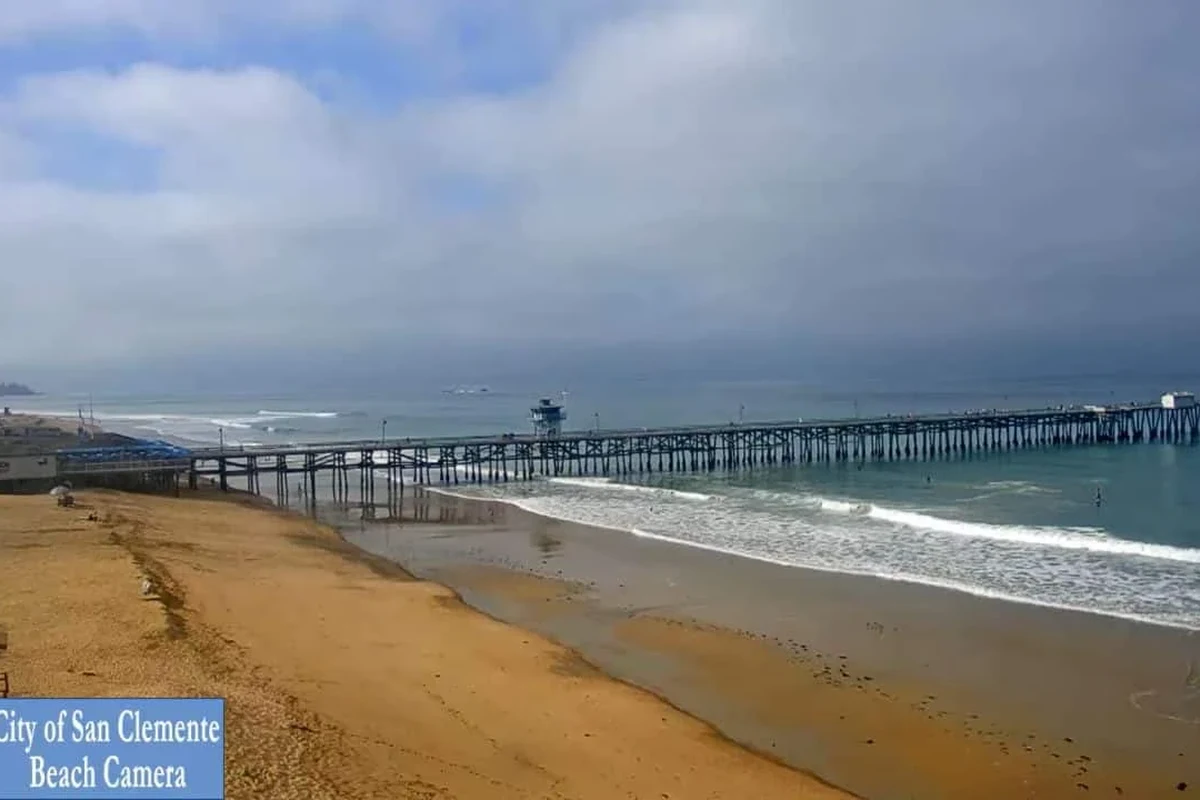
A live pier camera gives you a visual snapshot of the beach and ocean from a fixed point near the pier. That makes it especially helpful when forecasts are close enough to be useful, but you still want to see what is actually happening on the sand and in the water.
Quick answer: live surf, weather, crowd, and sunset checks in one place
The main value of a San Clemente Pier camera is simple: it lets you see current conditions instead of guessing from an app alone. You can often judge wave size, wind chop, marine layer, beach traffic, and visibility for photography or a casual visit.
Who should use a pier camera before heading to the beach
Surfers, bodyboarders, anglers, photographers, walkers, and families all benefit from a quick live check. It is also useful for remote workers or travelers staying nearby who want to time a beach break without wasting a drive or parking search.
How a San Clemente Pier Camera Works in 2026
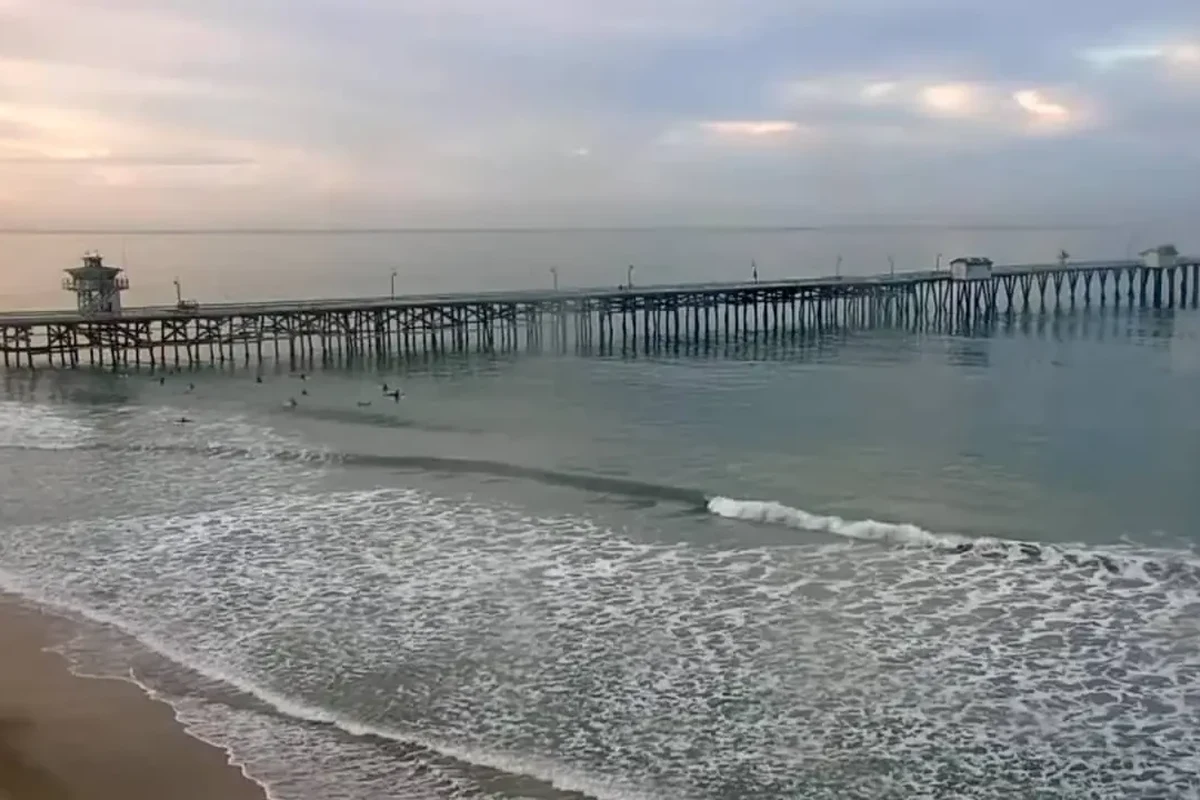
Most beach cameras are fixed-position webcams that stream to a website or app through a remote hosting service. Some feeds update continuously, while others refresh at intervals or switch to lower bandwidth when network conditions are weak.
Live streaming basics: fixed webcam, remote hosting, and refresh intervals
A fixed webcam stays pointed at the same section of coastline, which makes it easier to compare conditions over time. The tradeoff is that it cannot follow changing action, so what you see depends heavily on where the camera is mounted and how wide the lens is.
What to look for in image quality, field of view, and low-light performance
For beach viewing, a clear image matters more than flashy camera features. A wider field of view helps you see more of the shoreline, while decent low-light handling improves early morning and evening checks when the light can change quickly.
Image quality varies by camera model, mounting height, weather, salt exposure, and the hosting platform’s compression settings. A feed that looks sharp on desktop may appear softer on mobile data.
Connectivity and reliability: Wi‑Fi, cloud hosting, uptime, and buffering limits
Beach cameras depend on a stable internet connection and a hosting setup that can handle constant uploads. If the network is congested or the stream is poorly optimized, you may see buffering, lag, or temporary drops that make the view less trustworthy.
- Check whether the feed has a visible timestamp or recent refresh indicator.
- Try both phone and desktop views if the stream looks slow or blurry.
- If the camera frequently freezes, treat it as a rough visual check rather than a live reference.
Best Reasons to Check the Camera Before You Go
People usually check a pier camera for one of three reasons: surf, crowds, or timing. Those are the situations where a live image often adds more value than a forecast alone.
Surf and wave conditions for surfers and bodyboarders
Wave height, set consistency, and surface texture are easier to judge visually than from a text report. A live camera can help you decide whether conditions are worth the trip, whether a session looks crowded, or whether the ocean is too messy for your skill level.
Parking, foot traffic, and beach crowd planning
A camera can also show whether the beach is quiet or busy, which matters on weekends and holiday periods. While it will not reveal every parking spot, it can give you a better sense of how much foot traffic to expect near the pier and boardwalk areas.
Sunrise, sunset, and weather visibility for photographers and visitors
For photographers and casual visitors, the camera is useful for checking haze, marine layer, and horizon visibility. If you are planning a sunrise shoot or sunset walk, a quick live look can save time and help you decide whether the light is worth chasing.
Beach webcams are often more useful after a forecast changes, because they show how the coast actually looks after wind, fog, and swell interact.
Key Specs and Decision Criteria to Evaluate
If you are choosing between camera feeds or deciding how much to rely on one, focus on a few practical criteria. The most useful camera is not always the highest-resolution one; it is the one that shows the right part of the beach clearly and consistently.
Resolution, frame rate, and zoom: what matters for beach viewing
Higher resolution can help you see people, surf lines, and shoreline detail more clearly, but only if the stream is delivered cleanly. Frame rate matters when you want to track wave motion or crowd movement, while digital zoom is only helpful if the original image is sharp enough to support it.
Camera angle, pier coverage, and horizon visibility
The mounting angle determines whether the camera shows mostly water, mostly sand, or a balanced view. A good beach camera should capture enough horizon to show weather changes, while still keeping the immediate surf zone visible.
Mobile friendliness, app access, and browser compatibility
Many people check beach cams on their phones, so mobile performance matters. A feed that loads cleanly in a browser, avoids heavy pop-ups, and works without a special app is usually easier to use in real life.
Security and privacy considerations for publicly accessible cameras
Public beach cameras should be viewed as general observation tools, not as a way to track individuals. If you manage or rely on one, review the site’s privacy policy, any posted camera notices, and the hosting platform’s security settings so the feed stays appropriate for public viewing.
Do not use a live camera to make risky water decisions on its own. Rip currents, sudden wind shifts, and changing surf can be dangerous even when the beach looks calm on screen.
Who the San Clemente Pier Camera Fits Best
This kind of camera is most useful when you want a quick visual check before leaving home. It is less useful if you need detailed marine data, exact tide timing, or a forecast for a distant part of the coast.
Local residents, weekend visitors, and vacation planners
Local residents can use the feed to decide whether to walk down to the beach or wait for better weather. Weekend visitors and vacation planners can use it to narrow down the best time to arrive, especially when parking and crowd levels matter.
Surfers, anglers, walkers, and beach photographers
Surfers and bodyboarders get the most obvious benefit because they can visually assess wave shape and size. Anglers, walkers, and photographers also benefit when they need to know whether the shoreline looks calm, busy, foggy, or visually appealing.
When a live camera is better than weather apps or surf reports
A camera is often better when the question is “What does it look like right now?” Weather apps can tell you what may happen, but a live feed shows whether the beach is already crowded, whether the surf looks messy, or whether the sky has cleared enough for a visit.
Anyone who needs a fast, visual decision before heading to the coast, especially when surf, fog, or crowd conditions are changing quickly.
Limitations, Common Mistakes, and Evidence Gaps
Live beach cameras are helpful, but they can also mislead people when the image quality is poor or the conditions are changing fast. Knowing the limits keeps you from making a bad call based on a pretty picture.
Why a camera cannot replace official surf, tide, or weather data
A camera cannot tell you the full safety picture. Tide charts, surf forecasts, weather alerts, and local advisories still matter because they provide information that a single visual feed cannot measure.
Common misreads: glare, fog, lens distortion, and stale streams
Bright glare can make water look calmer or rougher than it is. Fog and marine layer can hide detail, wide-angle lenses can distort distance, and a stale stream may make current conditions look more stable than they really are.
Evidence limitations: what can and cannot be verified from a live view
From a live view, you can usually verify general surf appearance, crowd presence, and visibility. You cannot reliably verify exact wave height, current strength, water temperature, or whether conditions are safe for your skill level.
If a stream is repeatedly frozen, heavily distorted, or obviously outdated, treat it as unreliable until the hosting site or camera operator confirms it is working again.
Safe and Smart Use of the Live Beach View
The best way to use a beach camera is as part of a small decision-making stack. Combine the visual feed with tide tables, weather alerts, and local beach guidance so you are not relying on one source alone.
Using the camera to plan around rip currents, crowds, and changing conditions
A camera can help you spot crowded entry points, rough-looking surf, or a sudden change in sky conditions. That can be useful for timing your visit, but it should never replace caution around rip currents or other hazards.
Respecting privacy and public-space etiquette when interpreting live footage
Even though the camera shows a public space, it is still smart to interpret the footage respectfully. Avoid using it to single out people, and remember that public feeds are meant for general observation, not personal monitoring.
Best practices for combining the camera with tide charts and local advisories
Before you go, check the live view, then confirm tide timing and any posted beach advisories. If the camera and the forecast disagree, give more weight to official guidance and current safety notices.
- A San Clemente Pier camera is best for fast visual checks of surf, crowds, weather, and light.
- It works well as a planning tool, but it cannot replace official surf, tide, or safety information.
- Image quality, camera angle, and stream reliability determine how useful the feed really is.
- The smartest approach is to pair the live view with local advisories and weather data.
Value, Maintenance, and Final Recommendation
A good beach camera earns its value by saving time and reducing guesswork. The feed is most worthwhile when it stays clear, current, and easy to access from a phone or browser.
What makes a beach camera worth using regularly in 2026
Regular use depends on reliability more than novelty. If the camera is easy to open, loads quickly, and shows a meaningful stretch of the beach, it can become a daily planning tool for locals and frequent visitors.
Maintenance and uptime factors to verify if you manage or rely on the feed
If you manage a camera feed, keep an eye on lens cleaning, mount stability, weather exposure, power delivery, and software updates. Salt air, glare, and moisture can affect outdoor electronics, so routine checks matter for long-term uptime.
If you rely on the feed often, bookmark the direct camera page and verify it opens cleanly on both Wi‑Fi and mobile data. That makes it easier to tell whether a problem is with the camera or your connection.
Transparent verdict: when the San Clemente Pier Camera is the right tool
The San Clemente Pier camera is the right tool when you need a quick, real-world look at beach conditions before you leave. It is especially useful for surfers, beachgoers, photographers, and anyone trying to avoid a wasted trip, but it should always be paired with official safety and weather information when conditions matter.
Frequently Asked Questions
It can show live surf, beach crowds, weather visibility, and general shoreline conditions. It is best for quick planning, not for exact safety decisions.
It is better for seeing what conditions look like right now. A surf report is still useful for forecasts, tide timing, and broader marine conditions.
Look for a recent timestamp, smooth loading, and a stream that updates without freezing. If the feed is stale or blurry, treat it as a rough visual check only.
You can get a general sense of surf activity, but you cannot confirm safety from a camera alone. Always check official advisories, tide charts, and local warnings.
Surfers, bodyboarders, anglers, photographers, walkers, and weekend visitors get the most value. It is especially helpful when crowds, fog, or changing surf conditions affect the trip.
Confirm camera angle, stream uptime, mobile compatibility, and whether the feed is current. If you manage the camera, also check lens cleaning, weather exposure, power stability, and software updates.