Intel Camera CS780 Manual Guide for Easy Setup and Use
The Intel Camera CS780 manual should be your first reference for model-specific setup, app pairing, and safe installation. Confirm the exact model details before buying or installing, since features and compatibility can vary.
If you are looking for the intel camera cs780 manual, the fastest path is to confirm the exact model number, then follow the official setup and safety instructions for your specific unit. This guide explains what the manual should help you verify, how the camera typically fits into a smart home, and what to check before you install or troubleshoot it.
- Verify the exact model: The manual matters because naming, app support, and features can vary by version.
- Check power and Wi-Fi first: Safe installation depends on the correct adapter, cable, and network band.
- Expect placement to affect performance: Mounting angle, distance from the router, and room layout can change results.
- Use the official app and updates: That is the safest way to manage alerts, permissions, and firmware.
- Compare support before buying: Warranty, replacement parts, and documentation quality can matter as much as features.
Intel Camera CS780 Manual: Quick Answer, What It Is, and Who Should Use It
The intel camera cs780 manual is the first place to look for model-specific setup steps, app pairing guidance, mounting instructions, and safety limits. It is especially useful for first-time smart home users, renters who need careful placement, and anyone connecting the camera to a home network for remote viewing or alerts.
Because product names can be reused across regions or revisions, the manual matters more than a generic online summary. If your packaging, app listing, or support page does not match the same model details, pause and verify the documentation before proceeding.
How the Intel Camera CS780 Works in a Smart Home Setup
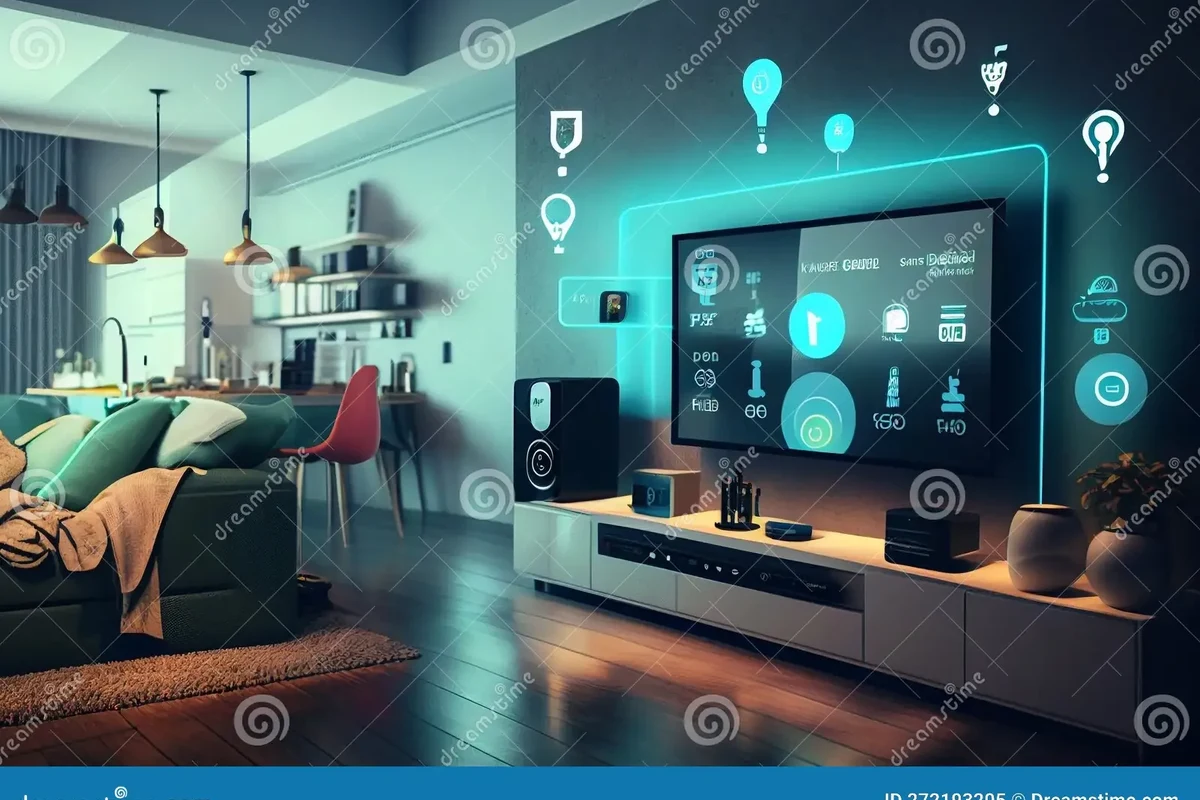
In a typical smart home setup, a camera like the CS780 connects to your home Wi-Fi or a companion app so you can view live video, receive motion alerts, and review clips depending on the model’s features. The exact experience can vary by firmware, app version, storage method, and whether the camera uses local recording, cloud services, or both.
Core Functions, Connectivity, and App Requirements to Verify
Before setup, confirm whether the camera requires a specific mobile app, account sign-in, or router band such as 2.4 GHz Wi-Fi. Some cameras also depend on permission settings for notifications, microphone access, or local network access on your phone.
App names, supported operating systems, and smart home platform compatibility can change by firmware or region, so the manual and app store listing should be checked together.
If you plan to connect the camera to a broader smart home routine, verify whether it supports voice assistants, shared users, or third-party integrations. For privacy and reliability, stick to the official app and update channel rather than unofficial tools.
Power, Cable Quality, and Safe Installation Limits
Power requirements are one of the most important things to confirm in the intel camera cs780 manual. Check the rated input, connector type, and whether the camera is designed for indoor use only, outdoor use only, or protected placement under an overhang.
Use only the manufacturer-recommended power adapter and a properly rated cable. Replace frayed, bent, loose, or heat-damaged cords immediately, and do not place the device where moisture, direct weather exposure, or excess heat can reach it.
Good cable routing matters, too. Keep cords away from walkways, pinch points, pets, and children, and avoid stretching the cable to reach a distant outlet. If the manual lists a maximum operating temperature or placement limit, follow it closely.
Intel Camera CS780 Specifications to Check Before You Buy
Because exact specifications can vary by version or seller listing, the safest approach is to compare the manual against the product page before purchasing. Focus on fit, image quality, storage options, and support coverage rather than marketing language.
Dimensions, Mounting Options, and Placement Fit
Check the camera’s physical size, mounting hardware, and whether it can sit on a shelf, attach to a wall, or use a ceiling mount. This matters if you are placing it in a narrow hallway, near a window, or in a room with limited outlet access.
- Check compatibility, model number, app requirements, dimensions, ports, wattage, and intended use
- Confirm safety guidance, warranty, return policy, privacy settings, and update support
Placement also affects the field of view. A camera with a wide lens may cover more space but show less detail at the edges, while a tighter view may be better for a doorway, nursery entrance, or desk area.
Resolution, Field of View, Night Vision, and Motion Detection
Look for the resolution listed in the manual or official spec sheet, then compare it with your actual use case. Higher resolution can improve detail, but it may also increase storage use and bandwidth demand.
Motion detection can be helpful, but it is rarely perfect. Room layout, sunlight, fans, pets, and moving shadows can all affect how often alerts trigger, so manual tuning is often part of the setup process.
Warranty, Support Coverage, and Replacement Parts to Confirm
Before buying, confirm the warranty length, support contact method, and what parts are covered. If the camera uses a special mount, adapter, or cable, check whether replacements are available through the manufacturer or an authorized seller.
Support terms can differ by region and retailer, so do not assume every listing offers the same coverage. If warranty details are important to you, save screenshots or copies of the official product page and manual at the time of purchase.
Step-by-Step Intel Camera CS780 Setup Guide
The safest setup approach is to read the manual first, then complete installation in stages. That helps you avoid app pairing issues, weak signal problems, and avoidable mounting mistakes.
Unboxing, Positioning, and Initial Pairing
Start by checking what is in the box and confirming the camera model number on the label, not just the listing title. If the package includes a mount, screws, cable, adapter, or quick-start guide, set those aside before you begin.
- Camera unit with matching model label
- Power cable, adapter, mount, screws, and manual if included
Place the camera where it has a clear view, a stable surface or mount point, and access to power if required.
Use the approved adapter and keep the cable relaxed, dry, and away from traffic paths.
Follow the manual’s pairing mode instructions and keep the phone close to the camera during setup.
If pairing fails, reset only by the method described in the manual. Avoid random button presses or unofficial reset steps, since those can create more problems than they solve.
Network Connection, App Setup, and Firmware Updates
Once the camera is paired, connect it to the correct Wi-Fi network and confirm the signal is strong enough for stable streaming. If your router has separate bands, the manual may specify which one to use.
For the first setup, keep the camera and phone close to the router. After the app confirms a stable connection, move the camera to its final location and recheck video quality and alerts.
After installation, look for firmware updates inside the official app. Updates can improve stability or fix bugs, but they should only be installed through the manufacturer’s approved process.
Common Setup Mistakes and How to Avoid Them
Some of the most common issues are simple: weak Wi-Fi, wrong app version, incorrect login, or mounting the camera where the view is blocked. Another frequent problem is placing the camera too far from the router or behind thick walls.
Also check notification permissions on your phone, since alerts often fail when app permissions are turned off. If you are setting up multiple smart devices, a network guide like the Ilife Robot Vacuum Manual article can help illustrate why app permissions and home network stability matter across different gadgets.
Everyday Use: Real-World Benefits and Practical Trade-Offs
For daily use, a camera like the CS780 can be valuable for entryway monitoring, package awareness, pet checks, or quick room visibility while you are away. The real benefit is convenience, but that convenience depends on network quality, app reliability, and how well the camera is placed.
Security Monitoring, Alerts, and Remote Viewing Value
Remote viewing is most useful when you want a fast status check rather than continuous surveillance. Motion alerts can help you notice visitors, deliveries, or movement in a specific area, especially if you tune the sensitivity carefully.
- Useful for quick remote checks and motion notifications
- Can support entryway, nursery, or pet monitoring when configured well
- Often easier to manage than a more complex security system
- Alert quality depends on placement, Wi-Fi, and app settings
- May require ongoing tuning to reduce false notifications
- Some features may depend on subscriptions or specific firmware
If you need dependable evidence for security purposes, remember that consumer cameras can be limited by lighting, angle, storage settings, and network interruptions. A smart home camera is helpful, but it is not a guarantee of complete coverage.
Limitations, Privacy Considerations, and Evidence Gaps
Because verified first-hand testing is not available here, it is best to treat feature claims as things to confirm in the manual or official listing rather than assume. That includes recording quality, smart alerts, two-way audio, storage method, and any cloud features.
Privacy deserves attention, too. Use a strong password, enable two-factor authentication if the app offers it, review camera-sharing permissions, and keep firmware current through the official app. If the camera will be used in a shared home, make sure everyone understands where it is pointed and when it records.
Safety, Maintenance, and Storage for Long-Term Reliability
Like any connected device, the CS780 should be kept clean, dry, and within its rated operating limits. Routine care may seem minor, but it can help reduce connection issues and extend usable life.
Cleaning the Lens, Inspecting Cables, and Preventing Overheating
Use a soft, dry microfiber cloth for the lens and exterior. Avoid sprays, harsh cleaners, and abrasive cloths unless the manual explicitly allows them.
Stop using damaged electronics, swollen batteries, frayed cables, overheating chargers, or unstable appliances and follow the manufacturer’s guidance.
Check the cable and adapter regularly for wear, especially if the camera is mounted where cords may bend or be tugged. If the device feels unusually hot, disconnect it and review the installation conditions before using it again.
When to Replace Accessories or Stop Using the Device
Replace accessories if the manual or support page says they are worn, incompatible, or no longer supported. That includes mounts that no longer hold securely, cables with exposed damage, or adapters that no longer deliver stable power.
Small changes in placement, cable routing, and router distance can have a bigger effect on camera reliability than many buyers expect.
If the camera repeatedly disconnects, overheats, behaves unpredictably, or shows physical damage, stop using it until the issue is reviewed through the manufacturer’s support guidance.
Intel Camera CS780 vs. Alternatives: What Matters Most in 2026
When comparing the CS780 with alternatives, the most useful question is not which camera has the most features, but which one fits your space, network, and privacy needs. For many buyers, the deciding factors are app quality, mounting flexibility, support coverage, and whether the camera integrates cleanly with the rest of the smart home.
Best For Budget Buyers, First-Time Smart Home Users, and Upgraders
The CS780 may be a reasonable choice for someone who wants straightforward camera basics without a complicated installation. It can also suit users who prefer to follow a manual closely and verify each step before committing to a permanent setup.
First-time smart home users and practical buyers who want a simple camera setup, provided the exact model, app, and power requirements are confirmed in advance.
Upgraders should compare it against alternatives that may offer better integration, stronger app support, or more flexible storage options. If those details are not clearly documented, that is a sign to keep comparing.
Transparent Verdict: When the CS780 Is Worth It and When It Is Not
The CS780 is worth considering when you want a camera for basic smart home monitoring and can verify the manual, app, and compatibility details before installation. It is less compelling if you need advanced integrations, guaranteed feature depth, or a product with widely documented specifications and support.
Choose the Intel Camera CS780 if you value a simple setup path and can confirm every model-specific detail in the official documentation. If the listing is vague, the support information is thin, or the app requirements do not match your phone or network, an alternative with clearer documentation may be the safer buy.
Frequently Asked Questions
Start with the exact model number, power requirements, and app instructions. Those details determine whether the camera will work with your phone, router, and mounting location.
Many smart cameras require an official app and account sign-in, but the exact requirement depends on the model and firmware. Check the manual and app store listing before setup.
That depends on the camera’s supported bands and your router settings. The manual should say whether it needs 2.4 GHz, a specific password format, or other network conditions.
Adjust the motion sensitivity, change the camera angle, and keep it away from moving shadows, fans, and reflective surfaces. Placement often matters as much as app settings.
Use a soft dry cloth for the lens and inspect cables and adapters regularly for wear. Avoid moisture, harsh cleaners, and any accessory that shows damage or overheating.
Consider another camera if the documentation is unclear, the app requirements do not match your devices, or you need features that are not clearly verified. Clear support and compatibility details matter more than broad marketing claims.