Xe1 Camera Review Best Features and Buying Guide
The Xe1 camera is a practical smart home option if you want simple indoor monitoring, motion alerts, and app-based control. Verify the exact model’s compatibility, storage, and power details before buying because those can vary.
The Xe1 camera is best understood as a smart home security camera option that may suit buyers who want app-based monitoring, motion alerts, and flexible placement without a complicated setup. Because exact specs can vary by retailer, region, or firmware, the smartest way to judge it is to verify the model sheet, app requirements, and storage options before you buy.
- Best fit: Indoor rooms, entryways, nurseries, and small offices that need basic smart monitoring.
- Check first: Exact model number, app support, storage method, and power requirements.
- Watch for: Outdoor-use limits, subscription costs, and motion-alert accuracy.
- Setup matters: Wi-Fi strength, camera placement, and firmware updates affect performance.
Xe1 Camera Review: What It Is, How It Works, and Whether It’s Worth Buying in 2026
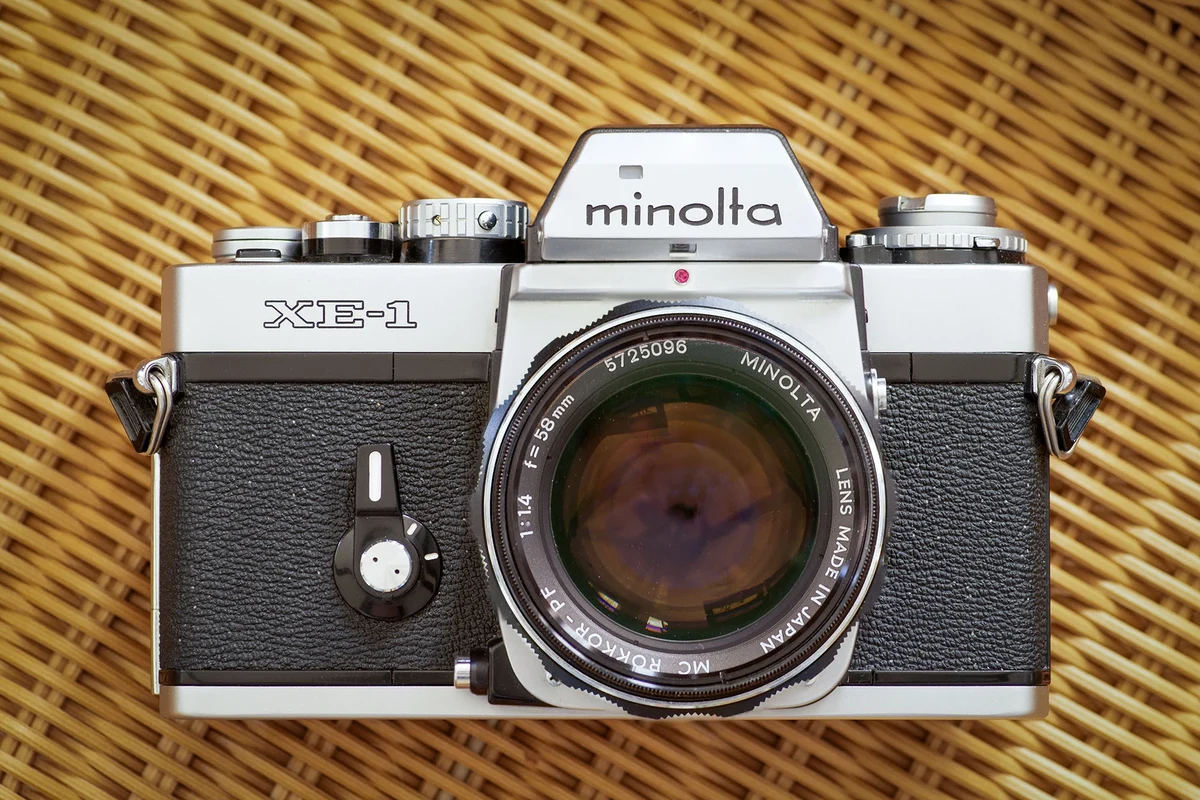
If you are shopping for a home camera in 2026, the Xe1 camera should be evaluated like any other connected security device: by image quality, alert reliability, app support, privacy controls, and how well it fits your room layout. For most buyers, its value will depend less on marketing claims and more on whether the camera’s mounting style, Wi-Fi requirements, and storage setup match the space you want to monitor.
In practical terms, this kind of camera is usually meant for everyday monitoring such as front doors, living rooms, nurseries, home offices, and small retail or studio spaces. The key question is not simply whether it records video, but whether it gives you clear enough footage, timely alerts, and a comfortable privacy setup for your household.
Xe1 Camera at a Glance: Key Specs, Design, and Smart Home Compatibility
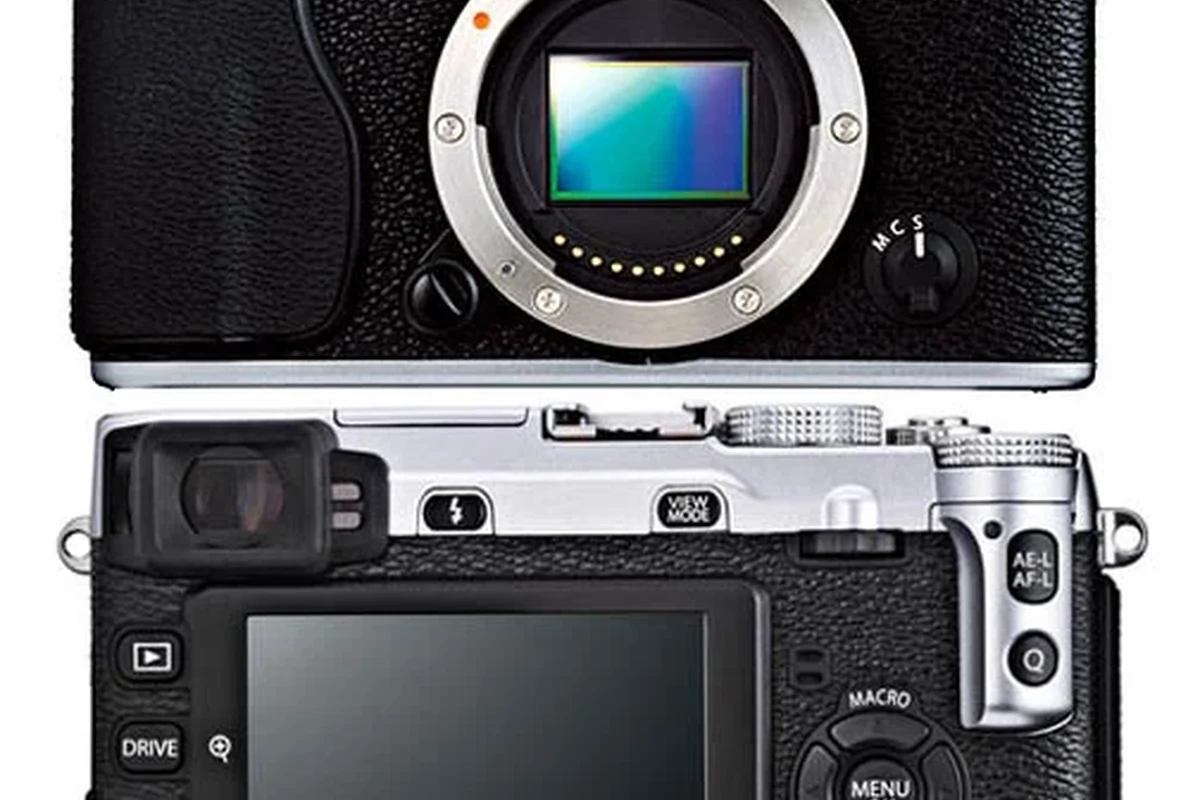
Because online listings sometimes bundle different variants under one product name, the safest approach is to verify the exact dimensions, power method, and ecosystem support on the official product page or manual. That matters for placement, cable routing, and whether the camera will work with the smart home platform you already use.
Dimensions, mounting options, and placement considerations
Physical size affects more than appearance. A compact camera is easier to place on a bookshelf or corner table, while a larger one may need a sturdier mount and more cable management. If the Xe1 camera includes a wall bracket, magnetic base, or swivel mount, confirm the load limits and angle range in the manual before drilling or sticking it to a surface.
Choose a location with a clear view of doors and walkways, but avoid pointing the lens directly at bright windows unless the camera’s dynamic range is known to handle backlight well.
Connectivity, app requirements, and ecosystem support
Most smart cameras rely on 2.4 GHz Wi-Fi, a companion app, and a cloud account for setup and alerts, though exact requirements vary. If the Xe1 camera supports voice assistants or smart home routines, confirm the current compatibility list rather than assuming it works with every platform. App support can also change with firmware updates, so review the latest app store listing and release notes before purchase.
Power source, cable quality, and safe installation limits
If the Xe1 camera is wired, cable quality matters because a weak or overly long cable can cause unstable power delivery. Use only the adapter and cable type approved by the manufacturer, and keep cords away from walkways, crib rails, pet chewing zones, and heat sources.
Do not use a damaged cable, loose adapter, or unverified power brick. If the camera or adapter becomes unusually hot, disconnect it and follow the manufacturer’s support instructions.
Best Features of the Xe1 Camera: Image Quality, Motion Detection, and Smart Alerts
The features that matter most in a home camera are usually the ones that reduce false alarms and make footage useful when you need it. That means image clarity, night performance, motion filtering, and alert timing are more important than a long feature list.
Video resolution, low-light performance, and field of view
For any camera in this category, resolution alone does not guarantee usable footage. You also want a lens and sensor combination that keeps faces, packages, and room details recognizable in changing light. If the Xe1 camera advertises wide-angle capture, check whether that comes with edge distortion or reduced detail at the corners.
A wider field of view can be helpful in one-room spaces, but a narrower view sometimes makes people and objects easier to identify at a distance.
Motion zones, person detection, and notification accuracy
Motion zones can reduce nuisance alerts by limiting detection to doors, hallways, or entry points. Person detection, if included, is especially useful in busy homes because it can help separate human movement from pets, shadows, or passing traffic. Still, accuracy depends on camera placement, lighting, firmware, and how the app handles sensitivity settings.
- Start with medium motion sensitivity and adjust after a few days of alerts.
- Exclude windows, fans, and reflective surfaces from motion zones when possible.
- Review notification settings so important alerts are not buried under routine ones.
Two-way audio, night vision, and privacy controls
Two-way audio is useful for greeting visitors, checking on pets, or speaking to someone in another room, but audio clarity can vary with room noise and microphone placement. Night vision is another feature worth verifying because infrared range and image sharpness often differ between models. Privacy controls matter just as much; look for scheduling, camera-off modes, indicator light behavior, and account-level permissions.
Who the Xe1 Camera Fits Best: Ideal Users, Use Cases, and Room Types
The Xe1 camera is most appealing to buyers who want a simple connected camera for everyday monitoring rather than a complex professional security system. It may be a good fit if you need flexible placement, app alerts, and basic smart home integration without adding a separate hub.
Apartment, house, entryway, nursery, and small-office setups
In apartments, a compact camera can cover the main living area, entry door, or shared hallway with minimal hardware. In houses, it may work well in entryways, kitchens, garages, or upstairs landings where motion alerts are useful. For nurseries and small offices, the main priority is usually quiet operation, reliable live view, and privacy settings that can be controlled quickly.
Buyers who want a straightforward indoor smart camera for rooms where motion alerts, live viewing, and app control matter more than advanced pro-security features.
Indoor vs. outdoor expectations and weather-resistance limits to verify
Do not assume an indoor camera is suitable outside. If the Xe1 camera is marketed for outdoor use, verify its weather-resistance rating, operating temperature range, and mounting instructions in the official documentation. Without those details, it is safer to treat it as an indoor device and keep it away from moisture, direct rain, and extreme temperatures.
When the Xe1 is a strong fit vs. when you should choose another model
The Xe1 makes sense if you want a camera for routine monitoring, simple setup, and app-based alerts in one or two rooms. You may want a different model if you need advanced home automation, professional-grade outdoor protection, local-only recording, or a system with clearly published certifications and long-term support details. If privacy-first storage is important, compare it carefully with cameras that offer stronger local recording options.
Setup Guide for the Xe1 Camera: Installation Steps, App Pairing, and Common Mistakes
Setup is often where buyers discover whether a camera is genuinely convenient or merely easy to market. The best results usually come from careful placement, a strong Wi-Fi signal, and a clean app setup from the start.
Unboxing checklist, required accessories, and mounting prep
Before mounting, confirm that the box includes the camera, power cable, adapter, mounting hardware, and manual. If any part is missing, contact the seller before installation so you do not improvise with an unsafe substitute. Plan the cable path first, especially if the camera will sit near a doorway, shelf edge, or child-accessible area.
- Xe1 camera unit
- Power cable and adapter, if included
- Mount, bracket, adhesive pad, or screws if supported
- Quick-start guide or QR setup card
Wi-Fi pairing, account setup, and firmware updates
Most smart cameras pair through a QR code or in-app discovery process. Use the same Wi-Fi band the camera supports, keep your phone close during pairing, and follow the app prompts in order instead of skipping steps. After setup, check for firmware updates right away because they may improve stability, fix bugs, or change feature behavior.
Use the app listed by the manufacturer and confirm the correct camera model before logging in.
Place the camera near the router for pairing, then move it to its final location after setup.
Check motion zones, notification permissions, and privacy settings before regular use.
Common setup errors, signal issues, and quick troubleshooting
Frequent problems include weak Wi-Fi, incorrect app permissions, outdated firmware, or placing the camera too far from the router. If the feed drops often, try moving the camera closer to the access point, reducing interference from thick walls or appliances, and confirming that your network supports the band the camera needs. If pairing fails repeatedly, reset only by following the official instructions.
Some setup issues are caused by router settings, mesh network roaming, or phone permissions rather than the camera itself. Check the router manual and app permissions before assuming the hardware is faulty.
Real-Use Benefits and Trade-Offs: Performance, Noise, Storage, and Ongoing Maintenance
Long-term satisfaction with a camera usually comes down to whether it stays dependable after the first week. That means stable alerts, manageable storage costs, and simple maintenance matter as much as the headline features.
Recording quality, alert reliability, and daily usability
In daily use, the best camera is one that gives you footage you can actually review quickly. Clear timestamps, easy event playback, and sensible alert frequency are all part of that experience. If the Xe1 camera sends too many notifications or misses important motion, the issue may be sensitivity settings, placement, or lighting rather than the camera alone.
Stop using damaged electronics, swollen batteries, frayed cables, overheating chargers, or unstable appliances and follow the manufacturer’s guidance.
Local storage vs. cloud storage, subscription costs, and data limits
Storage is one of the biggest value questions for any smart camera. Local storage may reduce ongoing fees, but it can come with card capacity limits and different access behavior than cloud plans. Cloud storage can make review and sharing easier, yet subscription terms, retention periods, and feature access vary by region and plan, so confirm the current details before buying.
Cleaning, lens care, cable inspection, and replacement guidance
Basic maintenance helps preserve image quality and safety. Keep the lens free of dust with a soft, dry microfiber cloth, and avoid sprays or harsh cleaners unless the manual specifically allows them. Inspect cables periodically for bends, cuts, or loose plugs, and replace worn accessories with manufacturer-approved parts or clearly compatible replacements.
- Check the exact model number, app requirements, and power method
- Confirm mounting style, storage options, and smart home compatibility
- Review warranty terms, return policy, privacy controls, and update support
Safety, Privacy, and Long-Term Value: What to Check Before You Buy
A smart camera is only a good purchase if it fits your home safely and respects your privacy expectations. Before you pay, verify the power limits, account protections, and support terms that will matter after setup.
Safe power use, overheating checks, and adapter limits
Use the supplied adapter when possible, and do not exceed the manufacturer’s stated power requirements. Keep the camera and power brick in a ventilated area, especially if they will run continuously. If you notice heat, odor, or unstable behavior, unplug the device and consult the official support guidance before using it again.
Privacy settings, encryption claims, and account security basics
Privacy features are worth comparing carefully. Look for account protection options such as strong passwords, two-factor authentication, and the ability to review shared users and permissions. If the manufacturer mentions encryption or secure storage, verify those claims in the current documentation rather than relying on old product listings or retailer summaries.
Warranty details, consumables to verify, and final buying verdict
Before deciding, check warranty length, replacement procedures, and whether any accessories or storage cards are considered consumables. The Xe1 camera can be a sensible buy if you want a practical smart home camera for routine monitoring and can confirm the model’s app, power, and storage details. If you need outdoor durability, advanced automation, or stronger privacy-first recording, compare it with a more specialized model instead of assuming the Xe1 is the universal answer.
The Xe1 camera looks best for buyers who want a straightforward smart camera for indoor monitoring, app alerts, and simple placement. Verify the exact model specifications, storage method, and compatibility before buying, especially if you need outdoor use or a specific smart home platform.
Frequently Asked Questions
It is best for buyers who want a simple smart camera for indoor monitoring, app alerts, and flexible placement. It may suit apartments, entryways, nurseries, and small offices if the model’s app and power requirements match your setup.
Check the exact model number, app requirements, storage method, and power source before you buy. Also confirm smart home compatibility, warranty terms, and whether the camera is meant for indoor or outdoor use.
That depends on the exact model and retailer bundle. Some cameras include local storage options, while cloud recording or advanced features may require a paid plan, so verify current terms before purchasing.
Start by adjusting motion sensitivity and setting clear detection zones. Better placement, stronger Wi-Fi, and updated firmware can also improve alert reliability.
Only if the official documentation says it is rated for outdoor use. Check weather resistance, operating temperature, and mounting guidance before placing any camera outside.
Wipe the lens with a soft dry cloth, inspect cables regularly, and keep firmware updated through the official app. Replace damaged power accessories immediately and follow the manufacturer’s support guidance if the device overheats or behaves unpredictably.