Is Ring Video Doorbell Worth It for Your Home in 2026
Yes, Ring Video Doorbell is worth it for many homes if you want easy front-door alerts, live view, and app-based convenience. It is less worth it if you want minimal ongoing fees, local storage, or a setup that is less dependent on Wi-Fi and subscriptions.
If you want a doorbell that helps you see who is at the door, get motion alerts, and check in from your phone, a Ring Video Doorbell can be worth it for many homes. The catch is that the value depends heavily on your Wi-Fi, your willingness to use the app, and whether you are comfortable with the subscription model for recorded history.
- Best fit: Busy homes, renters, and homeowners who want simple front-door monitoring.
- Main trade-off: The most useful recording features may depend on a subscription.
- Before buying: Verify power type, Wi-Fi strength, mounting angle, and app compatibility.
- Common mistake: Poor placement and weak signal can cause false alerts or missed events.
Is Ring Video Doorbell Worth It in 2026? Quick Verdict for Homeowners
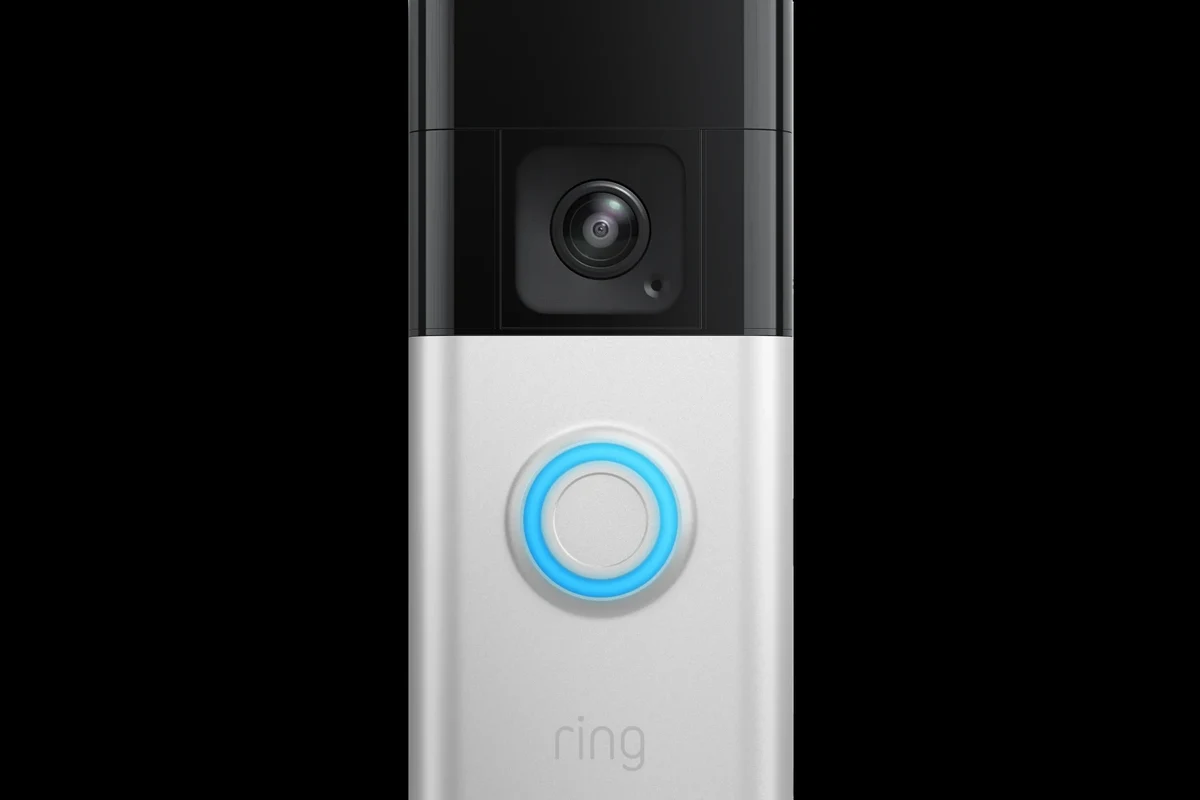
For the right household, Ring is still one of the most practical ways to add front-door visibility without installing a full security system. It is especially appealing if you want simple remote access, broad smart-home support, and a product line with many model choices.
It is less compelling if you want the lowest long-term cost, the strongest local-storage options, or a doorbell that works well with weak Wi-Fi. In those cases, the subscription, app dependence, and model-by-model differences matter more than the brand name.
How Ring Video Doorbells Work: Core Features and App Experience
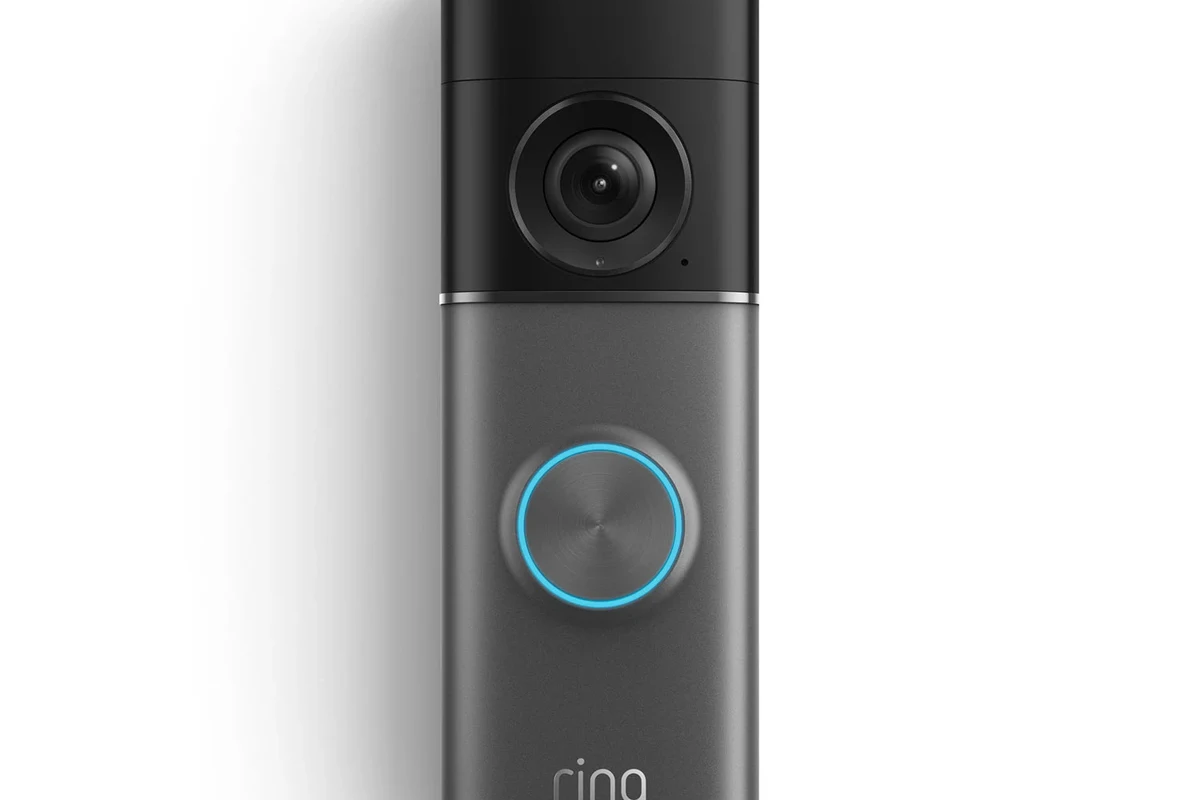
Ring Video Doorbells use a camera, motion detection, and a companion app to show activity at your front door. Depending on the model, power setup, and subscription status, you may be able to view live video, talk to visitors, and review recorded clips.
Live View, Motion Alerts, Two-Way Talk, and Cloud Recording
Live View lets you open the app and see what is happening in real time, which is useful for deliveries, visitors, and unexpected activity. Motion alerts can notify you when someone approaches the door, but the quality of those alerts depends on placement, sensitivity settings, and your home’s traffic pattern.
Two-way talk is helpful when you want to greet guests, direct a delivery driver, or tell a visitor you are not available. Cloud recording and clip history are where Ring’s value often becomes more obvious, but these features can depend on the specific model and the service plan available in your region.
Feature names, recording limits, and app options can vary by model, firmware, and country. Before buying, confirm the current feature list on the official product page and in the app store listing.
Wired vs. Battery-Powered Models: What Changes in Daily Use
Wired models usually reduce charging chores and can be a better fit if you already have compatible doorbell wiring. Battery-powered models are easier to place in more locations, which helps renters or homes without existing wiring, but they need periodic recharging and more attention to battery management.
In daily use, wired units tend to feel more “always ready,” while battery models are more flexible but require a maintenance habit. If you prefer fewer interruptions, wired is often the cleaner choice; if installation flexibility matters more, battery can be the better trade-off.
- Flexible lineup for wired and battery setups
- Strong app-centered convenience
- Easy for many homeowners to understand and manage
- Battery models need charging
- Best features may depend on a subscription
- Performance varies with Wi-Fi and placement
Who Ring Fits Best: Home Type, Budget, and Security Needs
Ring makes the most sense when you want a visible, easy-to-use front-door camera that can help you respond faster to visitors and deliveries. It is a good match for buyers who value convenience and app alerts more than advanced local storage or professional monitoring add-ons.
Best for Apartments, Single-Family Homes, and Busy Front Entries
Ring can work well for apartments if building rules allow it and if you choose a mounting method that does not damage the property. It is also a strong fit for single-family homes with a clear view of the entry path, porch, or driveway, especially when the front door gets frequent package drop-offs or visitors.
Busy entries benefit from a doorbell camera because you do not have to open the door to screen a person or check whether a package arrived. If you are comparing broader smart-home convenience options, you may also want to look at whether smart lighting is worth it if your goal is to make entryways more responsive at night.
Homeowners and renters who want simple front-door monitoring, easy app access, and a familiar ecosystem. The main limitation is that the ongoing value depends on the model and the plan you choose.
When Ring May Not Be the Best Match
Ring may not be the best fit if you want a doorbell with minimal ongoing fees, especially if recorded history is important to you. It is also less ideal if your Wi-Fi is weak near the front door, because camera reliability and alert speed can suffer.
Privacy-focused buyers may prefer to compare local-storage alternatives or systems with different account and cloud policies. If you are sensitive to camera placement rules, it can also help to review topics like camera privacy rules in shared spaces so you understand how recording concerns may affect the way you install and use the device.
Key Specs and Decision Criteria to Check Before Buying
Because Ring sells multiple models, the smartest way to shop is to compare the exact specs that affect your home. Do not assume every Ring doorbell has the same camera quality, power setup, or storage behavior.
Video Quality, Field of View, Night Vision, and Motion Zones
Video quality matters most when you need to identify faces, packages, or movement at the edge of the porch. A wider field of view can help with package visibility, while night vision is important for homes with dim porches or poor street lighting.
Motion zones are one of the most useful settings because they help reduce alerts from sidewalks, passing cars, or neighboring activity. If the model supports adjustable zones, spend time tuning them after installation rather than leaving the default settings in place.
Many doorbell camera complaints are not about the camera itself, but about motion settings that were never adjusted after installation.
Power Requirements, Battery Life, Wi-Fi Strength, and Storage Options
Before buying, confirm whether the model needs hardwiring, battery charging, or both. Battery life varies widely by motion frequency, temperature, live-view usage, and signal strength, so manufacturer estimates should be treated as a starting point rather than a promise.
Wi-Fi strength near the door is just as important as camera resolution. If the signal is weak where you plan to mount the doorbell, you may see slow alerts, dropped live views, or inconsistent recording. For buyers who care about charging behavior in general, our guide on fast charging power banks can help explain why power management habits matter across devices.
Dimensions, Mounting Needs, App Requirements, and Compatibility
Doorbell size matters more than many buyers expect, especially if you are replacing an older unit or mounting on a narrow frame. Check the dimensions, wedge kit options, and whether the angle will properly face the walkway instead of a wall or railing.
Also confirm app requirements for your phone and whether the model works with your smart-home platform. Compatibility can change by model and software version, so it is worth checking the current Ring app requirements, supported assistants, and official manuals before you order.
Real-World Benefits: Convenience, Visibility, and Deterrence
The strongest reason people buy a Ring Video Doorbell is everyday convenience. It gives you a quick way to see the front door without walking over there, which is useful whether you are working from home, caring for kids, or just trying to avoid missed deliveries.
Package Monitoring, Guest Screening, and Remote Access
Package monitoring is one of the clearest practical benefits. You can check whether a delivery arrived, see if it was left in the right spot, and review motion history if something seems off.
Guest screening is another real advantage, especially for people who travel, work odd hours, or share a home with roommates. Remote access is also helpful for pet owners and families because it lets you check the door when you are not nearby, without needing a separate display or monitor.
After installation, walk through your front entrance at different times of day and adjust motion zones, notification timing, and camera angle before deciding the setup is finished.
Smart Home Integration and Everyday Practical Value
Ring can be more valuable when it fits into a broader smart-home routine. If your home already uses compatible devices, the doorbell may feel less like a standalone camera and more like part of a larger front-door workflow.
That said, smart-home value is only useful if you actually use it. For some buyers, the real benefit is simply getting a reliable alert and a quick video check; for others, it is automation with lights, speakers, or other connected devices.
Limitations, Trade-Offs, and Common Buyer Mistakes
Ring is convenient, but it is not a perfect fit for every home. The biggest mistakes usually happen when buyers focus on the brand name and ignore the subscription model, Wi-Fi needs, or installation details.
Subscription Dependence, False Alerts, and Privacy Concerns
One of the most common trade-offs is that the most useful recording features may depend on a paid plan. If you want a camera mainly for clip history, check the current plan structure before buying, because the long-term cost can matter more than the sticker price.
False alerts can also be frustrating if the camera faces a sidewalk, street, trees, or a busy porch. Privacy concerns are usually manageable, but they should be taken seriously: review account security, use a strong password, enable two-factor authentication if available, and check app permissions. If you are comparing camera-related rules more broadly, our article on camera legality in classrooms is a useful reminder that context and placement matter.
Installation Errors, Weak Wi-Fi, and Battery Mismanagement
Poor installation can make a good doorbell perform badly. Common issues include mounting too high, aiming at the wrong angle, leaving the motion range too wide, or placing the device where the Wi-Fi signal is unreliable.
Battery owners also need a charging routine. Letting the battery run too low repeatedly, using the wrong cable or adapter, or ignoring warning messages can shorten daily convenience and create unnecessary downtime.
Use only the charging and installation methods described by the manufacturer. Stop using damaged cables, cracked housings, loose mounts, or any device that shows overheating, swelling, or repeated power faults.
Setup, Safe Use, and Maintenance Tips for Long-Term Reliability
A Ring doorbell usually works best when you treat setup as an ongoing process, not a one-time job. The first week is the right time to fine-tune placement, notifications, and power habits so the device matches your household.
Mounting, Charging, Cable Quality, and Heat/Weather Checks
Mount the doorbell according to the official instructions and confirm that the camera angle captures the walkway, not just the doorframe. If you use a battery model, keep track of charging intervals and make sure you are using a compatible cable and power source.
Weather matters too. Heat, direct sun, freezing temperatures, and heavy rain can affect battery behavior and camera reliability, so check the product’s environmental guidance before choosing the mounting location. If you are interested in other charging-related buying decisions, our guide on budget chargers explains why safe power accessories matter.
Cleaning the Lens, Inspecting Hardware, and Replacing Worn Parts
Clean the lens gently when dust, pollen, or fingerprints start to affect image clarity. Use only manufacturer-safe cleaning methods and avoid harsh chemicals that could damage the finish, seals, or camera window.
Inspect the mount, screws, wiring, and doorbell button periodically, especially after storms or temperature swings. If any part becomes loose, corroded, or physically damaged, follow the manufacturer’s replacement guidance instead of trying to improvise a fix.
Stop using damaged electronics, swollen batteries, frayed cables, overheating chargers, or unstable mounts and follow the manufacturer’s guidance.
Final Recommendation: Is Ring Video Doorbell Worth It for Your Home in 2026?
Ring Video Doorbells are worth it if you want a straightforward, app-based way to monitor your front door and you are comfortable checking the exact model’s features before buying. The brand is strongest for convenience, visibility, and broad everyday usefulness, not for buyers who want the cheapest long-term ownership or the least subscription dependence.
If your home has solid Wi-Fi, you want easy alerts, and you will actually use live view and recordings, Ring can be a smart purchase. If you care more about local storage, no monthly plan, or a more privacy-centered setup, it is worth comparing alternatives before you commit.
Best Value Scenarios and Better Alternatives to Consider
Ring is best for busy households, renters who need flexible mounting, and homeowners who want a familiar system with simple phone-based control. It is also a strong choice if you already use compatible smart-home devices and want the doorbell to fit into that routine.
Better alternatives may make more sense if your priority is offline recording, fewer recurring fees, or a camera ecosystem built around local control. Before you buy, verify the exact model, current app requirements, and recording plan so you know whether the value is right for your home rather than just the product category.
Ring is worth considering for most homeowners who want practical front-door monitoring and easy app access. It is less compelling for buyers who want the lowest ongoing cost or a more privacy-first setup, so the best choice depends on how much you will use the app and subscription features.
Frequently Asked Questions
Ring is best for homeowners and renters who want easy front-door alerts, live video, and app-based convenience. It is a strong fit if you will actually use motion notifications and recorded clips.
Check the exact model, power type, Wi-Fi strength, app requirements, and whether recording features need a subscription. Also confirm the dimensions and mounting angle for your entryway.
Ring can struggle if the signal is weak near the front door, which may cause slow alerts or dropped live views. It is best to verify signal strength before installation.
Not all basic functions require a subscription, but recording history and some advanced features may depend on a plan. Check the current plan details for the exact model you want.
Battery models are easier to place and better for renters or homes without wiring. Wired models usually need less charging and can be more convenient for long-term daily use.
The main drawbacks are subscription dependence, possible false alerts, and performance that depends on Wi-Fi and placement. Privacy settings and installation quality also matter a lot.