What Video Doorbell Has the Best Battery Life in 2026
The best battery-life video doorbell is usually the one with the most efficient motion settings, not just the biggest battery. For most homes, the right pick is the model that balances runtime, app reliability, and your traffic level.
If you’re asking what video doorbell has the best battery life, the safest short answer is that the best choice is usually the model with the largest battery plus the most efficient motion settings for your home. In practice, battery life depends less on one “winner” and more on how often the doorbell wakes up, records, and uploads video.
- Battery life depends on use: Motion events, live view, Wi‑Fi strength, and temperature can change runtime a lot.
- Best overall choice: A doorbell with strong battery management and adjustable motion zones is usually the safest.
- Busy homes need smarter filtering: Frequent alerts can drain any battery fast, even on premium models.
- Check fit and compatibility: Verify app support, Wi‑Fi band support, size, and mounting before buying.
- Charge safely: Use the manufacturer’s recommended cable and stop using damaged batteries or chargers.
What Video Doorbell Has the Best Battery Life in 2026? Quick Answer and Top Pick
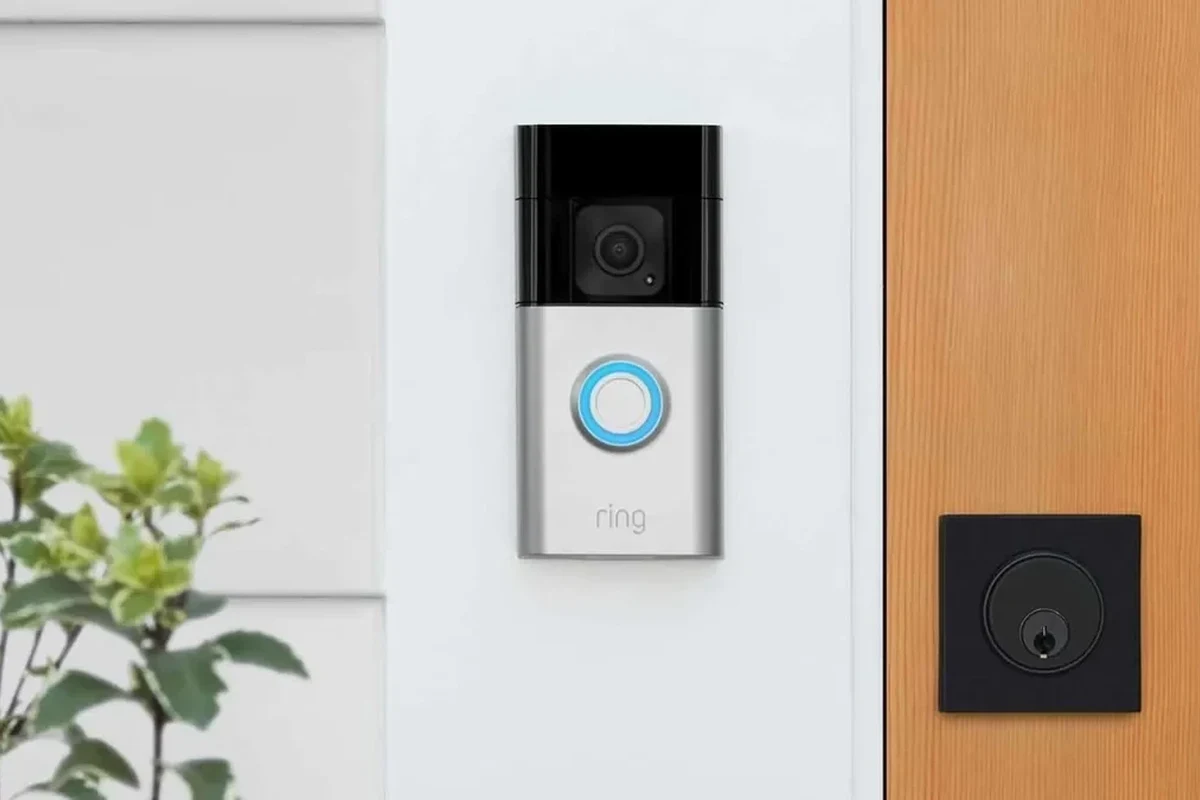
The best battery life usually comes from a battery video doorbell that balances a large internal battery, smart motion detection, and modest video settings. For most buyers, the top pick is the model that can go the longest between charges in your specific home, not just the one with the biggest advertised number.
In broad shopping terms, higher-end battery doorbells often last longer when they allow tighter motion zones, lower sensitivity, and fewer live-view sessions. If you want the fewest recharges, prioritize efficient detection and strong Wi‑Fi more than ultra-high resolution or always-on recording.
How Battery Life Is Measured in Video Doorbells
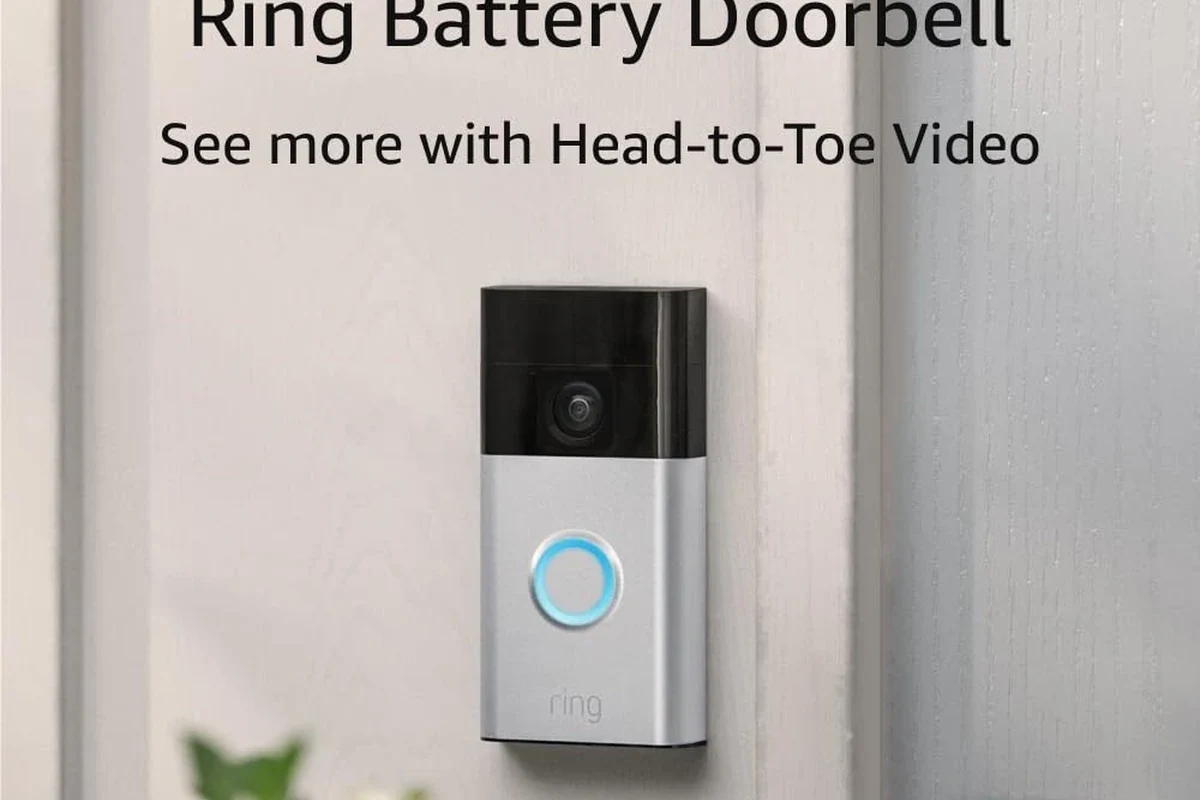
Battery life claims for video doorbells are usually based on vendor testing conditions that may not match your home. A quiet front porch, short clip lengths, and limited live-view use can produce very different results from a busy entryway with frequent deliveries, pets, street traffic, or long motion recordings.
What Actually Drains the Battery: Motion, Live View, Wi‑Fi, Temperature, and Video Quality
Motion events are the biggest battery drain for most people because the camera wakes up, records, processes the clip, and sends it to the app. Live view can also use a lot of power because it keeps the camera active longer than a quick alert.
Wi‑Fi strength matters too. A weak signal forces the doorbell to work harder to stay connected, which can shorten battery life and delay notifications. Cold weather can reduce battery performance as well, so homes in colder climates often see shorter runtime than the spec sheet suggests.
Video quality settings also matter. Higher resolution, longer clip lengths, richer image processing, and more frequent pre-roll or smart alerts can all increase power use. If your model supports adjustable motion zones and sensitivity, those settings can make a meaningful difference.
Start with the most selective motion zones you can use comfortably, then widen them only if you miss important activity. That often improves battery life more than any single hardware feature.
Why Manufacturer Claims Often Differ From Real-World Use
Manufacturer battery claims are useful, but they are usually measured under controlled conditions with limited activity and ideal connectivity. Real homes have packages, neighbors, passing cars, pets, weather changes, and app usage that can all change the result.
That is why two households with the same doorbell can see very different recharge schedules. A busy family home may need charging far more often than a quiet apartment entrance, even if both use the same model.
Battery performance can vary by firmware version, app settings, router placement, temperature, and the amount of recorded activity. Always confirm the latest support notes and battery guidance from the manufacturer.
Best Battery Life Contenders: Comparing the Leading Models
Because battery life changes with usage, the best contenders are usually the models known for efficient power management, flexible motion settings, and dependable app behavior. The right pick depends on whether you want the longest runtime, the best performance under heavy traffic, or the best mix of smart features and battery efficiency.
| Option | Best For | Key Consideration |
|---|---|---|
| Best overall battery contender | Most homes that want fewer recharges | Look for efficient motion controls and strong Wi‑Fi support |
| Best for heavy motion detection | Busy entryways and frequent alerts | Choose better filtering and narrower motion zones |
| Best budget pick | Lower-cost buyers who still want decent runtime | Expect fewer advanced features and verify battery claims carefully |
| Best premium pick | Smart-home users who want features and efficiency | Premium features can help, but they may also increase power use |
Best Overall for Long Battery Life
The best overall battery-life contender is usually a doorbell that combines a large rechargeable battery with customizable motion detection and efficient app performance. This type of model is the safest recommendation for buyers who want the longest time between charges without giving up a solid feature set.
What makes it stand out is consistency. When the battery is paired with strong Wi‑Fi, selective motion zones, and moderate video settings, it tends to stay charged longer than feature-heavy alternatives. If you want the broadest balance of runtime and usability, this is usually the category to target.
Homeowners who want the fewest charging interruptions and are willing to fine-tune motion settings for better efficiency. The trade-off is that battery life can still drop quickly in high-traffic homes.
Best for Heavy Motion Detection
If your front door sees constant activity, the best battery-life choice is often the model that handles motion intelligently rather than simply recording everything. Heavy traffic can punish battery life, so smarter filtering matters as much as battery size.
Look for features like adjustable motion zones, person detection, package alerts, and activity scheduling. These settings reduce unnecessary wake-ups and help the battery last longer when cars, pets, or sidewalk traffic would otherwise trigger frequent recordings.
- Better suited for busy porches and frequent deliveries
- Can reduce false alerts and wasted battery drain
- More advanced detection may depend on the app and firmware
- Battery life still drops if motion activity is very high
Best Budget Pick for Fewer Recharges
The best budget pick is the one that gives you dependable battery life without pushing you into a costly ecosystem or subscription you do not need. Budget models may not have the most advanced detection, but they can still be a smart choice if your entryway is relatively calm.
When comparing lower-cost options, focus on practical essentials: battery size, charging method, app stability, and whether the doorbell supports the motion controls you need. For readers also comparing portable power gear, our guide to fast charging power banks with the longest battery life can help explain the same battery-life trade-offs in another category.
Best Premium Pick for Smart Features and Efficiency
The best premium pick is ideal if you want the strongest mix of smart-home features and battery management. Premium doorbells often add better detection, richer app controls, and stronger ecosystem support, but those extras can also increase power use if they are left fully enabled.
This category is best for users who want more control over alerts, integration with smart displays or assistants, and better refinement in the app. If you already use other connected devices, it may be worth choosing the premium model that fits your platform cleanly rather than the one with the biggest battery claim.
Subscription plans, cloud storage, and some smart features vary by model and region. Check the current app listing and manufacturer support pages before you buy.
Key Specs That Matter Most When Choosing a Battery Video Doorbell
Battery life is important, but the most useful purchase decision comes from matching the hardware to your home. A doorbell with a huge battery can still be a poor fit if it is too bulky for your doorframe, incompatible with your Wi‑Fi, or overly sensitive to motion.
Battery Capacity, Recharge Time, and Rated Power Input
Battery capacity gives you a rough starting point, but it does not tell the whole story. Recharge time and the doorbell’s charging method matter because a model that lasts a bit less but recharges quickly may be easier to live with than one that takes a long time to top off.
Also verify the rated power input and the manufacturer’s recommended charger or cable. Using the wrong adapter can create slow charging, excess heat, or unreliable charging behavior. If the manual specifies a cable type or charging method, follow that guidance first.
Use only the charger, cable, and power source recommended by the manufacturer. Stop using any battery device that swells, overheats, smells unusual, or shows physical damage.
Video Resolution, Field of View, and Motion Settings
Higher resolution can improve detail, but it may also increase power consumption. The same is true for wider fields of view and more aggressive motion recording, so battery-conscious buyers should think about how much detail they actually need.
Motion settings are often the most important battery-saving tool. Adjustable zones, sensitivity controls, and activity schedules can reduce unnecessary clips and help the doorbell last longer between charges.
Wi‑Fi Compatibility, App Requirements, and Smart Home Support
A battery doorbell can only be efficient if it stays reliably connected. Before buying, confirm whether the model works with your router band, app platform, and smart-home ecosystem.
Also check whether the doorbell requires a specific phone operating system version, account setup, or cloud service for full features. If you rely on voice assistants, smart displays, or home automation routines, make sure the compatibility is verified in the current product documentation.
Dimensions, Mounting Options, and Doorframe Fit
Battery doorbells are often thicker than wired models because they need room for the battery. That extra size can matter on narrow doorframes, side walls, or apartment doors where clearance is limited.
Check the mounting bracket, angle kit options, and whether the device can fit your existing location without blocking the door swing. A good battery-life choice is still a bad buy if it does not physically fit your entryway.
Who Each Battery Doorbell Fits Best
The right battery doorbell depends on how often people pass by, how often you want to recharge, and how much setup flexibility you need. Here is how the main use cases usually break down.
Apartment and Rental Users
Apartment and rental users often benefit from battery doorbells because they are easier to install and remove than wired units. That makes them a practical choice when you cannot modify the existing wiring or want to take the device with you later.
For renters, the best battery-life pick is usually one that mounts cleanly, charges easily, and does not require complex installation. Confirm with your landlord or lease terms before installation, especially if drilling is involved.
Busy Households With Frequent Visitors
Busy households need a doorbell that can handle lots of wake-ups without forcing constant charging. In this case, a model with better motion filtering and customizable alerts may be more valuable than one with the biggest advertised runtime.
If packages, kids, pets, or delivery traffic are common, focus on motion zones and alert tuning. That reduces unnecessary activations and makes battery life more predictable.
Homes in Cold or High-Traffic Environments
Cold weather can shorten battery performance, and high-traffic homes can drain it quickly. If you live in either environment, the best choice is usually a model known for efficient power management and dependable cold-weather behavior according to the manufacturer.
Before buying, check the official operating temperature range and any seasonal battery guidance. If the manufacturer provides storage or charging advice for winter conditions, follow it closely.
Users Who Want the Fewest Charging Interruptions
If your top priority is minimizing charging interruptions, choose the battery doorbell with the best mix of battery size, efficient alerts, and reliable app controls. The goal is not just long runtime, but also fewer surprise drains from poor settings or weak connectivity.
This is where it helps to compare the official battery claims against your real needs. A model that lasts a long time in a low-traffic home may be less impressive in a busy one, so think about your own entryway before deciding.
- Check compatibility, model number, app requirements, dimensions, ports, wattage, and intended use
- Confirm safety guidance, warranty, return policy, privacy settings, and update support
Real-World Benefits, Trade-Offs, and Limitations
Battery doorbells are popular because they are easier to install and more flexible than wired models. The trade-off is that you must think about recharging, app settings, and signal quality more carefully.
Convenience Gains vs. Subscription and Feature Limits
The convenience of a battery doorbell is obvious: less wiring, simpler setup, and easier relocation. But some of the best features may depend on app subscriptions, cloud storage plans, or ecosystem-specific services.
That does not make them bad products, but it does mean you should compare the total ownership experience, not only the battery claim. A longer-lasting doorbell that lacks the features you need may be less useful than a shorter-lasting model with better alerts and support.
Battery Life vs. Detection Accuracy and Video Quality
There is usually a trade-off between battery life and richer video features. More detail, more recording, and more processing can improve awareness, but they can also shorten runtime.
For many buyers, the sweet spot is a model that offers enough video quality to identify visitors clearly while still letting you tune motion and recording behavior. That balance is often more valuable than chasing the longest possible claim on paper.
Common Mistakes That Shorten Battery Life
One common mistake is leaving motion sensitivity too high. Another is using broad motion zones that include sidewalks, streets, or trees that trigger constant alerts.
Poor Wi‑Fi placement is another issue. If the signal is weak, the doorbell may waste power trying to stay connected. Frequent live view sessions, cold weather, and outdated firmware can also reduce battery performance.
- Trim motion zones so they focus on the porch, not the whole street.
- Keep the router or mesh node close enough for a strong signal.
- Check for firmware updates in the official app.
- Recharge before the battery gets critically low whenever possible.
Setup, Safe Use, Maintenance, and Final Recommendation
A battery doorbell lasts longer and works better when it is set up carefully from day one. Good placement, stable Wi‑Fi, and regular maintenance matter just as much as the battery itself.
Setup Checklist: Charging, App Pairing, Wi‑Fi Strength, and Placement
Before installation, fully charge the battery according to the manual. Then pair the device in the official app, confirm that notifications work, and verify that the Wi‑Fi signal is strong at the mounting location.
Use the recommended cable and charger until the battery reaches the level suggested by the manufacturer.
Set up the doorbell through the official app and update permissions for alerts, microphone, and storage if needed.
Confirm the Wi‑Fi connection and make sure the camera angle covers visitors without capturing too much background motion.
Safe Charging and Battery Care: Cable Quality, Heat, Inspection, and Replacement Guidance
Battery care is simple but important. Use only approved charging accessories, avoid charging in hot or wet areas, and inspect the cable and charging port regularly for wear.
Stop using damaged electronics, swollen batteries, frayed cables, overheating chargers, or unstable appliances and follow the manufacturer’s guidance.
If the battery no longer holds a useful charge, check the manufacturer’s replacement guidance or warranty terms. Do not attempt unsafe battery repair or modification.
Maintenance Tips: Cleaning, Weather Protection, and Storage
Clean the lens and housing gently with a soft, dry or slightly damp cloth as directed by the manual. Avoid harsh cleaners, excess moisture, or abrasive materials that could damage seals or optics.
If the doorbell will be unused for a long period, store it according to the manufacturer’s battery storage instructions. For outdoor use, make sure the mounting location and weather protection match the product’s rated conditions.
If you are also weighing other battery-powered devices, our comparison of solar power banks with the longest battery life and the guide to whether a charger affects battery life are useful for understanding how charging habits influence long-term performance.
Transparent Verdict: Best Choice by Use Case and Value
For most readers, the best battery-life video doorbell is the one that combines efficient motion controls, dependable Wi‑Fi, and a battery large enough for your traffic level. If you want the longest time between charges, choose the model with the strongest battery management rather than the most aggressive feature list.
My practical recommendation is simple: pick the best overall battery contender if you want the safest all-around choice, the heavy-motion option if your porch is busy, and the budget option if your home is quieter and you want fewer recharges without paying for extras. Always confirm current specs, app support, and warranty details before you buy, because those details can change by region or firmware.
Frequently Asked Questions
The best choice is usually the model with strong battery management, customizable motion zones, and reliable Wi‑Fi. Real battery life depends on how often your doorbell records, streams live view, and triggers alerts.
Yes. Higher resolution, longer clips, and more processing can use more power, so battery life may drop compared with lower-detail settings.
Use tighter motion zones, lower unnecessary sensitivity, and keep the Wi‑Fi signal strong. Reducing live view sessions and keeping firmware updated can also help.
Yes, but only if they have good motion filtering and easy charging. Busy porches drain batteries faster, so smart alerts matter as much as battery size.
Check compatibility, dimensions, app requirements, Wi‑Fi support, mounting options, and the manufacturer’s charging guidance. Also confirm warranty terms and current software support.
They often can. Cold weather may reduce battery performance, so check the manufacturer’s operating temperature range and seasonal guidance before buying.