Do Maf Sensors Go Bad
Yes, MAF sensors can go bad from contamination, heat, vibration, or connector damage. Because the symptoms overlap with other engine problems, the safest move is to diagnose before replacing.
Yes—MAF sensors can go bad, and when they do, they can cause rough idle, hesitation, poor fuel economy, and check engine light codes. The tricky part is that the same symptoms can also come from air leaks, dirty filters, or wiring issues, so the sensor should be diagnosed instead of guessed at.
- Yes, they fail: MAF sensors can age out or become contaminated and start reading airflow incorrectly.
- Symptoms overlap: Rough idle, hesitation, stalling, and poor MPG can also come from leaks or wiring.
- Clean first when appropriate: If the sensor is dirty but not damaged, proper cleaning may restore function.
- Verify fit before replacing: Connector style, housing design, and calibration can differ by vehicle.
Do MAF Sensors Go Bad? The Short Answer and What It Means for Your Car
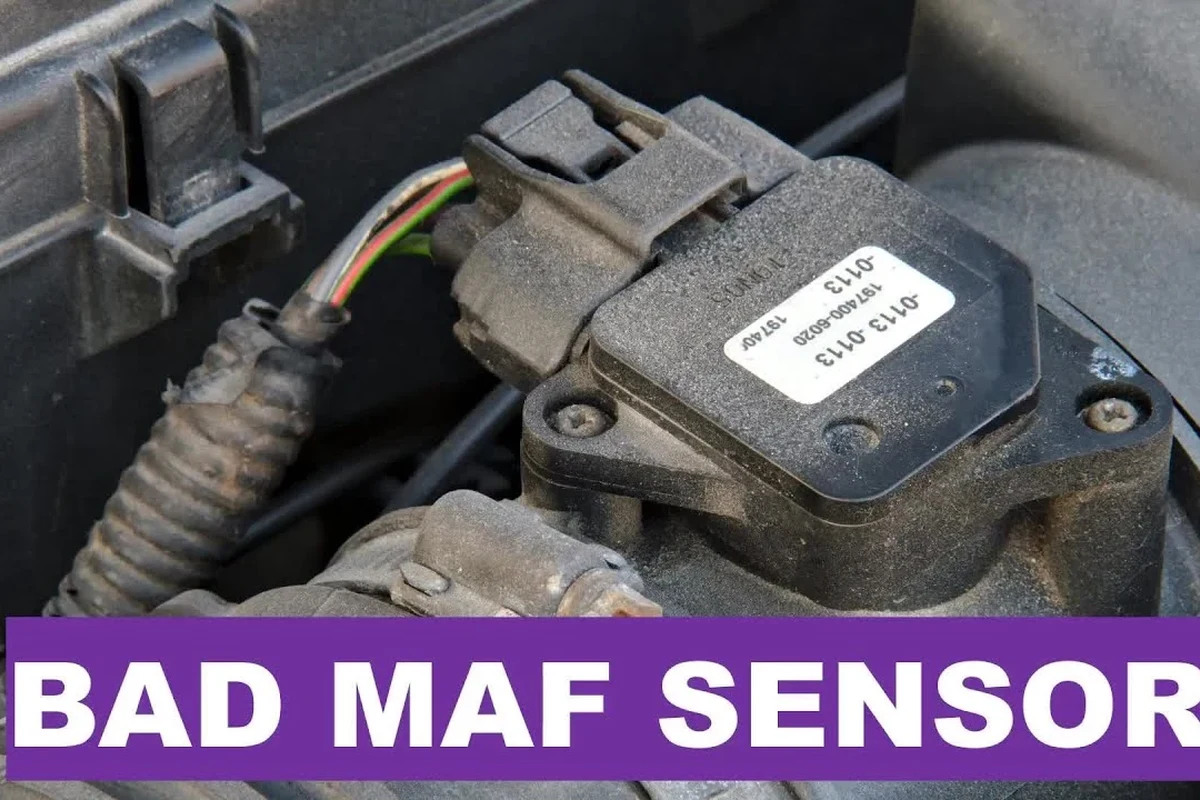
A mass air flow sensor is a wear-and-contamination-prone part, not a lifetime component. Over time, heat, vibration, dirt, oil residue, and connector problems can make it read incoming air incorrectly, which throws off how the engine calculates fuel delivery.
If the sensor is only dirty, cleaning may restore normal operation. If the internal electronics are unstable, the sensing element is damaged, or the housing and connector are compromised, replacement is usually the safer long-term fix.
What a MAF Sensor Does and Why It Matters for Engine Performance
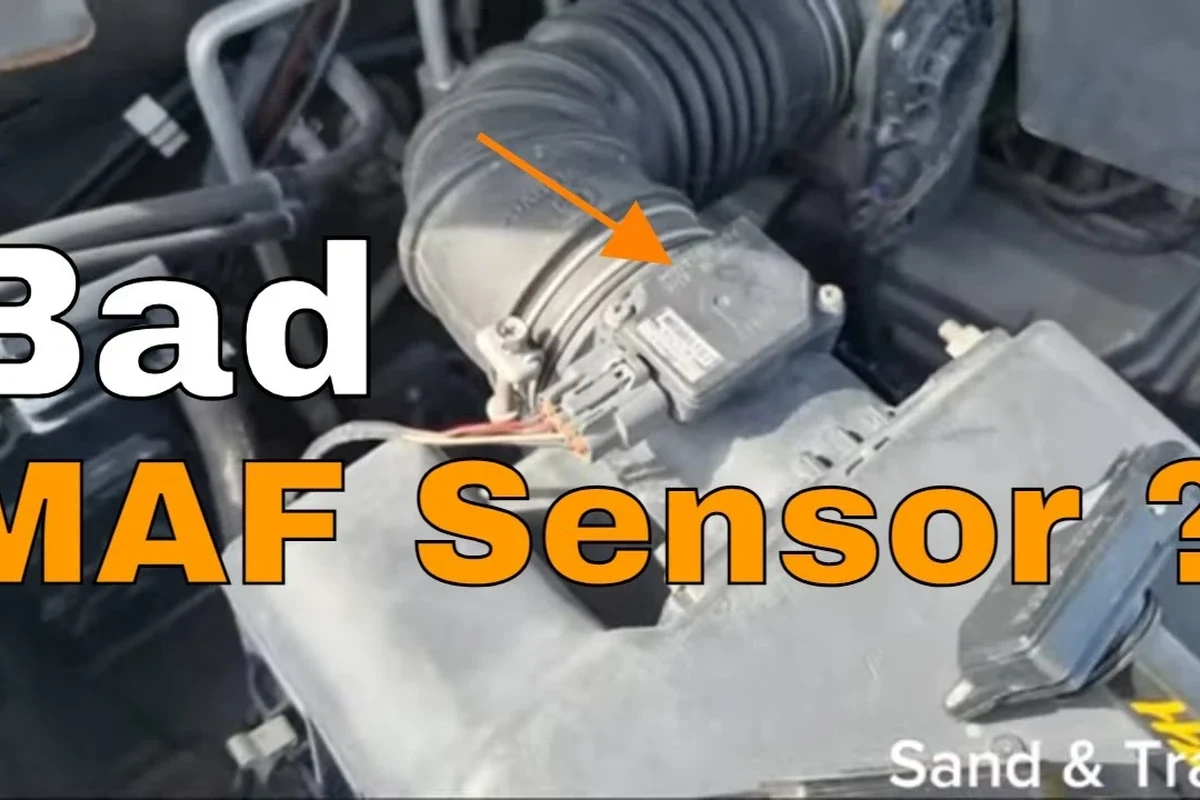
The MAF sensor helps the engine computer estimate how much air is entering the engine so it can add the right amount of fuel. That balance is critical for smooth idle, clean acceleration, emissions control, and fuel efficiency.
How the mass air flow sensor measures incoming air
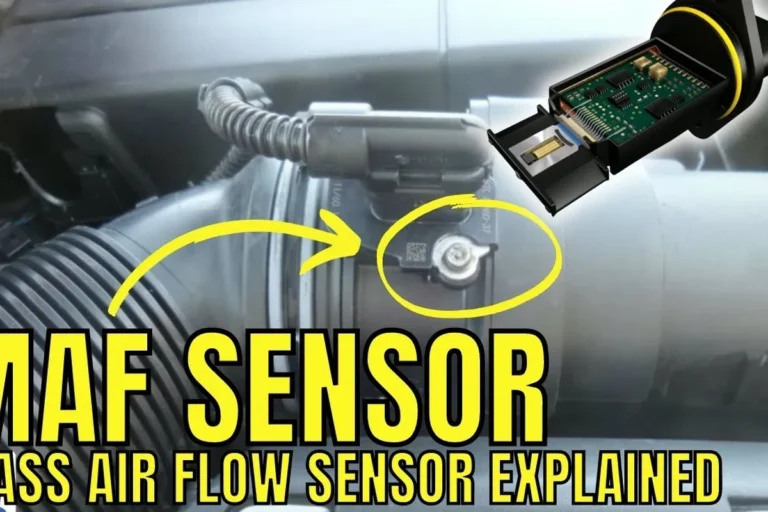
Most modern MAF sensors sit in the intake tract and measure the amount of air passing through them. Depending on the design, they may use a heated wire or film element that reacts to airflow, then convert that change into an electrical signal the engine computer can read.
That signal is only useful if it stays accurate. If the sensor underreports airflow, the engine may run lean; if it overreports, the engine may run rich. Either condition can affect drivability and long-term engine health.
How bad readings affect fuel trim, idle, and acceleration
When the MAF reading is off, the engine computer may add or remove fuel to compensate. Those corrections show up in fuel trim data and can lead to unstable idle, sluggish throttle response, stalling at stops, or a hesitation when you press the gas.
In everyday driving, the problem may feel intermittent. A sensor can work acceptably at one throttle position and act up at another, which is why live scan data is often more useful than a quick visual guess.
Common Signs a MAF Sensor Is Failing
MAF failure symptoms often overlap with vacuum leaks, dirty throttle bodies, weak ignition parts, and fuel delivery problems. That overlap is why a symptom checklist should be treated as a starting point, not a final diagnosis.
Rough idle, hesitation, stalling, and poor fuel economy
Common signs include rough idle, engine stumbling when accelerating, stalling after startup or at traffic lights, and noticeably worse gas mileage. Some vehicles may also feel fine at highway speed but act up during stop-and-go driving.
Because the MAF directly influences the air-fuel mixture, even a small error can be noticeable. Drivers often describe the car as feeling “lazy,” “jerky,” or inconsistent when the throttle opens.
Check engine light codes and symptoms that overlap with other problems
A check engine light may point to MAF-related codes, but those codes do not automatically prove the sensor is bad. Similar symptoms can appear with intake leaks, restricted air filters, damaged wiring, or problems elsewhere in the engine management system.
Code meanings, test procedures, and live data ranges vary by vehicle make, engine, and scan tool. Always confirm details in the official service information for your model.
If the code returns after clearing it, or if live airflow readings look erratic, the MAF deserves closer inspection. If the symptoms change when you wiggle the connector or inspect the intake path, the issue may be electrical or mechanical rather than the sensor itself.
Why MAF Sensors Go Bad in Real-World Use
MAF sensors usually fail for practical reasons rather than dramatic ones. The most common causes are contamination, age, heat cycling, vibration, and damage to the harness or connector.
Contamination from dust, oil, and intake leaks
Dust and road debris can coat the sensing element over time, especially if the air filter is poorly maintained or the intake system is not sealing correctly. Oil residue from over-oiled aftermarket filters can also leave a film on the sensor and distort readings.
Intake leaks matter too. If unmetered air enters after the MAF, the engine computer receives an airflow reading that no longer matches reality, which can look like a failing sensor even when the sensor itself is still functional.
Heat, vibration, aging electronics, and connector damage
Like many electronics in the engine bay, a MAF sensor lives in a harsh environment. Heat cycling can age solder joints and internal components, while vibration can loosen connections or stress the wiring over time.
Connector corrosion, bent pins, broken locking tabs, or damaged insulation can create intermittent faults that come and go with engine movement. Those problems can be harder to catch than a completely dead sensor.
Aftermarket filters, poor maintenance, and installation mistakes
Aftermarket intake parts and reusable filters are not automatically bad, but they can create problems when they are installed incorrectly or maintained poorly. A filter that is over-oiled, missing, damaged, or fitted without proper sealing can contaminate the sensor or let dirt into the intake.
Do not spray cleaners, solvents, or compressed air directly into sensitive electronics unless the manufacturer specifically allows it. Follow the service manual and product label instructions.
Simple installation mistakes can also matter. A loose clamp, cracked intake boot, missing gasket, or wrong sensor orientation can create symptoms that look exactly like a failing MAF.
How to Diagnose a Bad MAF Sensor Without Guessing
The best diagnosis combines visual inspection, scan tool data, and a check of the surrounding intake and wiring system. That approach helps separate a truly bad sensor from a problem that only looks like one.
Visual inspection, scan tool data, and live airflow readings
Start with the basics: inspect the sensor housing, connector, wiring, intake tube, and air filter box. Look for dirt buildup, broken clips, corrosion, loose clamps, or signs that the sensor has been handled roughly.
- Compare live MAF readings at idle and under light throttle with the values expected for your engine.
- Check short- and long-term fuel trims to see whether the computer is correcting for a lean or rich condition.
- Review freeze-frame data so you know when the fault happened, not just that it happened.
Live data is especially helpful because a sensor can be “working” while still reading too high, too low, or inconsistently. If the signal jumps around without a matching engine change, that is a strong clue something is wrong.
Simple checks to rule out vacuum leaks, dirty air filters, and wiring faults
Before replacing the sensor, confirm the air filter is clean and properly seated, the intake tube is intact, and there are no visible vacuum leaks. A cracked boot or loose hose clamp can create symptoms that point you toward the wrong part.
Also inspect the wiring harness for broken insulation, pin fit, and corrosion at the connector. If the engine runs better when the connector is manipulated or when a fault appears only on bumps, an electrical issue may be more likely than sensor failure.
When cleaning helps and when replacement is the safer call
Cleaning can help when the sensor is contaminated but otherwise healthy. It is less likely to help if the element is damaged, the readings are unstable, or the sensor has already failed electrically.
If the sensor shows physical damage, melted plastic, severe corrosion, or repeated faults after proper cleaning and intake checks, replacement is usually the better option than repeated guesswork.
If you are not sure, the safest path is to verify the diagnosis with service data or a professional scan before buying parts. That can save money and prevent replacing a good sensor for the wrong reason.
MAF Sensor Replacement Guide: Fit, Compatibility, and Key Buying Criteria
When replacement is necessary, the right part is the one that matches your vehicle’s exact engine, connector, and calibration requirements. MAF sensors are not universal, and small differences can affect drivability.
OEM vs aftermarket options and which one fits which driver
OEM parts are often the simplest choice for drivers who want the closest match to factory calibration and predictable fit. Aftermarket options can be fine when they come from a reputable manufacturer and are confirmed to match the original specifications.
For daily drivers, reliability and correct calibration usually matter more than chasing the lowest price. For older vehicles or budget repairs, a quality aftermarket unit may make sense if the compatibility is verified carefully.
Vehicle compatibility, connector style, calibration, and sensor housing details
Before buying, confirm the exact model year, engine code, connector shape, and whether the sensor is sold as a complete housing assembly or just the sensing element. Some vehicles require the whole housing because the airflow calibration depends on the tube size and sensor position.
- Check the exact vehicle fitment by VIN, engine code, and connector style.
- Confirm whether your vehicle needs the sensor only or the full housing assembly.
- Verify return policy, warranty terms, and any required relearn or reset procedure.
Also check whether the replacement needs any adaptation, relearn, or idle reset procedure after installation. That detail varies by vehicle and should come from the official service manual or manufacturer instructions.
Value factors: warranty, reliability, and long-term cost of ownership
Warranty length is useful, but it should not be the only factor. A part that fits correctly and lasts longer is usually cheaper over time than a bargain sensor that causes repeat diagnostics or drivability issues.
Consider the total cost of ownership: part quality, return policy, installation effort, and the risk of needing a second replacement. For many owners, avoiding repeat labor is worth paying a little more for a better-match sensor.
Safe Maintenance and Care to Extend MAF Sensor Life
Good maintenance can help a MAF sensor last longer and keep it reading accurately. The goal is to keep dirt, oil, and wiring problems away from the sensing element.
How to clean a MAF sensor safely and what not to touch
If the manufacturer allows cleaning, use only a cleaner specifically labeled for MAF sensors. Handle the part gently and avoid touching the sensing element, since it can be delicate and easily damaged.
Disconnect power as instructed by the vehicle manual, then remove the sensor without forcing the connector or housing.
Use only a product approved for MAF cleaning and let the part dry fully before reinstalling it.
Make sure the intake seals properly and confirm the engine runs normally after reassembly.
Do not scrape, brush, or wipe the sensing element unless the official instructions specifically say to. If the sensor has heavy contamination or visible damage, cleaning is less likely to help.
Air filter upkeep, intake system sealing, and storage/handling tips
A clean, correctly installed air filter is one of the best ways to protect the sensor. Make sure the filter box seals properly and that all intake clamps, boots, and gaskets are intact.
If you are storing a replacement sensor before installation, keep it sealed in its packaging and away from dust, moisture, and static-prone handling. Treat it like a precision part, not a generic engine accessory.
Common mistakes that can damage a good sensor
Over-oiled filters, loose intake parts, dirty hands, and incorrect reassembly can all shorten sensor life. A sensor can also be damaged by the wrong cleaner, harsh air pressure, or forcing the connector during removal.
Another common mistake is replacing the MAF without fixing the root cause. If the real issue is a vacuum leak or wiring fault, the new sensor may appear to fail even though the underlying problem was never solved.
Final Verdict: When to Clean, Replace, or Leave the MAF Sensor Alone
Clean the MAF sensor when it is contaminated, the vehicle symptoms are mild, and the manufacturer allows cleaning. Replace it when the readings stay unstable, the part is physically damaged, or the diagnosis points to a true sensor fault rather than a dirty element.
For most DIY owners, the smartest path is to inspect the intake system first, clean only when appropriate, and replace the sensor only after confirming fit and fault evidence. High-mileage vehicles and performance builds may need more frequent inspection because heat, vibration, and intake modifications can make MAF problems more likely.
If symptoms are inconsistent, codes keep returning, or the vehicle has multiple possible causes, professional diagnostics are often worth it. That is especially true when you want to avoid unnecessary parts replacement and get the real issue fixed the first time.
Frequently Asked Questions
Yes. A failing MAF sensor can cause rough idle, hesitation, or poor fuel economy before a code appears. Some faults are intermittent, so scan data and symptoms matter.
Common signs include rough idle, stalling, hesitation, and reduced fuel economy. A check engine light may also appear, but those symptoms can overlap with other intake or wiring problems.
Sometimes. Cleaning can help if the sensor is only contaminated, but it will not fix damaged electronics or wiring faults. Use only a cleaner approved for MAF sensors.
Check the intake system, air filter, hoses, and wiring before replacing the sensor. Live scan data and fuel trims can help show whether the engine is reacting to unmetered air or a bad sensor reading.
OEM is often the safest fit choice, while a quality aftermarket part can work if it matches the exact vehicle, connector, and calibration requirements. Verify compatibility before buying.
If the engine stalls, runs extremely rough, or the fault returns after cleaning and basic checks, professional diagnosis is a good idea. That helps avoid replacing the wrong part and missing a wiring or intake problem.