Are Aftermarket Sensors Good
Yes—aftermarket sensors can be a good buy when the exact fit, connector, and signal type are verified and the system is not highly critical. If the sensor affects safety or tightly controlled performance, OEM is usually the safer choice.
Aftermarket sensors can be a good choice when you need a compatible replacement at a lower cost, but they are not automatically the best option for every vehicle or system. The smartest buy depends on fitment, calibration quality, connector match, and how critical the sensor is to safety, drivability, or emissions control.
- Best fit: Aftermarket sensors work well for routine, non-critical replacements when compatibility is confirmed.
- Main risk: Small calibration or connector differences can cause warning lights and repeat repairs.
- Buy smart: Check part number, pinout, voltage range, seals, warranty, and return policy.
- Use caution: Critical systems and hard-to-access locations often justify OEM parts.
Are Aftermarket Sensors Good? Short Answer, Best Use Cases, and When to Avoid Them
In many everyday repair situations, aftermarket sensors are perfectly reasonable. They often make sense for older vehicles, common wear-and-tear replacements, and budget-focused repairs where the part is a straightforward swap and the brand has a solid reputation.
They become less attractive when the sensor feeds a critical control system, when the vehicle is sensitive to calibration differences, or when the replacement part’s compatibility is unclear. In those cases, a small savings can turn into repeat fault codes, poor performance, or another repair bill.
What Aftermarket Sensors Are and How They Work
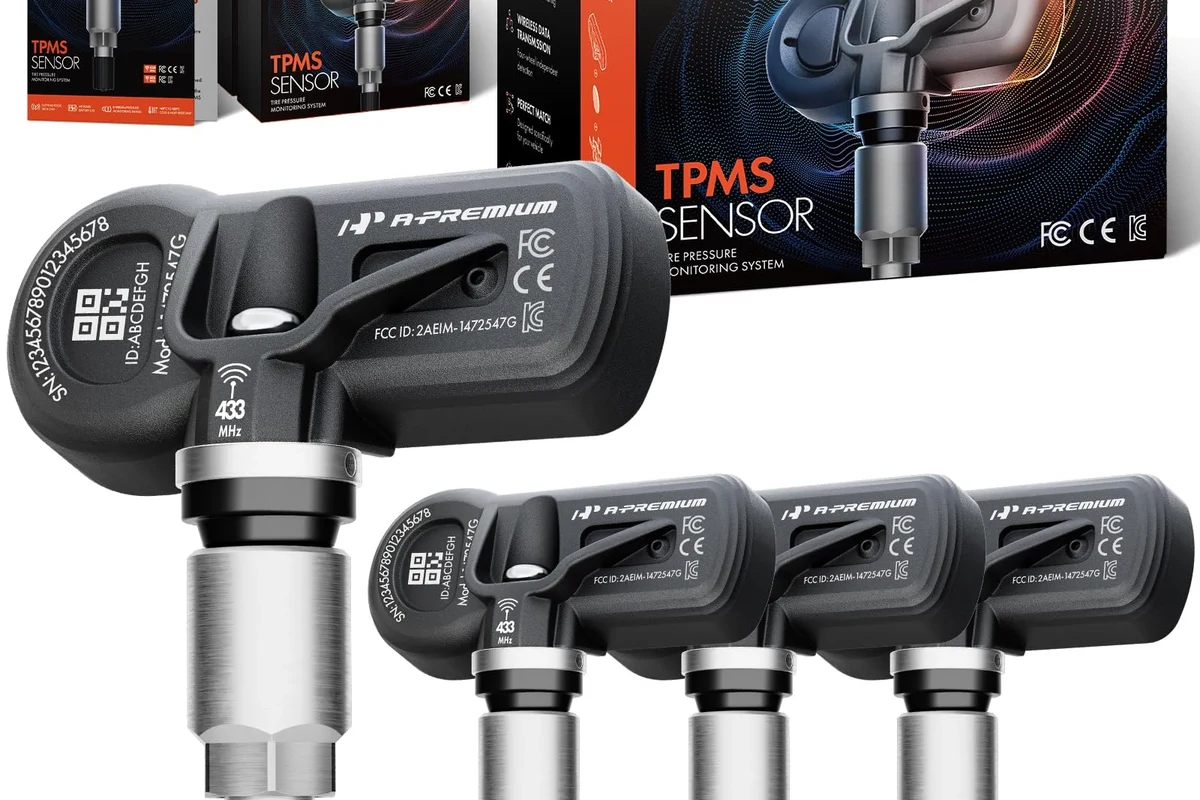
Aftermarket sensors are replacement parts made by companies other than the original vehicle or device manufacturer. They are designed to measure the same thing as the OEM part, such as temperature, pressure, position, oxygen content, speed, or proximity, and then send that signal to a control module, gauge, or app-connected system.
The basic job is the same, but the details can differ. A sensor may look identical yet use different internal materials, calibration curves, firmware logic, or signal smoothing, which can affect how the system interprets the reading.
OEM vs. aftermarket: what changes in materials, calibration, and firmware
OEM sensors are built to the original vehicle or device specification. Aftermarket sensors may meet that specification closely, but quality varies by brand and by production batch.
The biggest differences usually show up in the sensing element, housing materials, sealing, connector quality, and calibration. In some modern applications, firmware or signal mapping can also matter, especially when the sensor must communicate with a control module that expects a very specific output pattern.
For many sensors, manufacturers publish only partial specs. When calibration details are not listed, confirm compatibility through the vehicle application guide, service manual, or parts catalog before buying.
How sensor accuracy, response time, and signal output affect real-world performance
Accuracy tells you how close the sensor is to the real value. Response time tells you how quickly it reacts to change. Signal output tells you how that information is delivered, whether as analog voltage, digital data, frequency, or a resistance reading.
For simple systems, a small difference may not matter much. For tighter-control systems, even a modest lag or offset can lead to rough idle, warning lights, incorrect fan behavior, poor fuel control, or unreliable automation.
Who Aftermarket Sensors Fit Best in 2026
Aftermarket sensors are usually most attractive to buyers who want practical savings without changing the overall function of the system. They are best when the replacement is routine, the vehicle is out of warranty, and the part is easy to verify against the original specification.
Budget-conscious drivers, DIY repair users, and older vehicle owners
These sensors can be a good fit for drivers trying to keep repair costs manageable. They are also useful for DIY users who are comfortable checking part numbers, connector styles, and application charts before ordering.
Owners of older vehicles often benefit the most because OEM availability can be limited or expensive, while aftermarket catalogs may offer more choices. That said, a “fits your car” listing is not enough on its own; the exact sensor variant still matters.
- Lower purchase cost than many OEM parts
- Often easier to find for older or common vehicles
- Can be a practical repair choice for non-critical systems
- Quality can vary more between brands
- Some parts need relearn or calibration steps
- Bad fitment can cause repeat faults or wasted labor
When OEM is still the safer choice for critical systems
OEM remains the safer default when the sensor supports engine management, braking, steering, airbag-related logic, or other systems where a wrong reading can create a serious problem. It is also the better choice when the manufacturer has issued a specific part revision or service bulletin tied to the original sensor.
If the system is highly integrated with software, the OEM part often reduces guesswork. That does not mean every aftermarket option is bad; it means the margin for error is much smaller.
Key Specs and Buying Criteria That Matter Most
When comparing aftermarket sensors, the label on the box matters less than the underlying fit and function. The safest approach is to verify the exact application, then compare the important technical details before you order.
- Check the exact part number, connector shape, and mounting style
- Confirm voltage range, signal type, and application match
- Review warranty, return policy, and brand support before installing
Compatibility, connector type, voltage range, and vehicle/application match
Compatibility is the first filter. A sensor can be physically similar and still be wrong for the application if the connector, pinout, voltage range, or signal format differs.
For vehicle parts, match the year, make, model, engine, trim, and sometimes emissions package or build date. For consumer electronics or smart devices, confirm platform support, app requirements, hub compatibility, and firmware version if the product depends on software.
Build quality, sensor range, tolerance, and environmental resistance
Look for signs of solid construction: clean molding, secure seals, corrosion-resistant terminals, and a housing suited to heat, vibration, dust, moisture, or road salt. Sensor range and tolerance matter too, because an “in-range” part can still behave poorly if its output is too loose for the control system.
Environmental resistance is especially important for under-hood, outdoor, and high-humidity applications. If the listing does not clearly state the operating conditions, assume you need to verify them through the manufacturer’s documentation.
Warranty length, return policy, and brand reputation signals to verify
Warranty and return policy are practical quality signals, but they are not the same as proof of performance. A longer warranty can indicate confidence, yet the real value is whether the seller handles fitment issues, dead-on-arrival parts, and early failures in a straightforward way.
Brand reputation is worth checking through technical forums, retailer support policies, and professional repair feedback, but avoid relying on star ratings alone. Look for consistent comments about fit, longevity, and whether the part triggered fault codes after installation.
Real-World Benefits of Choosing Aftermarket Sensors
When they are chosen carefully, aftermarket sensors can solve a repair problem without overpaying for a part that performs the same basic job. The benefit is strongest when the part is common, the brand is established, and the application is not overly sensitive to tiny output differences.
Lower cost, wider availability, and faster replacement options
Lower cost is the obvious advantage, but availability can matter just as much. Aftermarket catalogs often carry more options than OEM channels, which can help when a vehicle is older or the original part is backordered.
Faster replacement also matters for students, commuters, remote workers, and families who need a device or vehicle back in service quickly. If the part is easy to verify and the seller has a dependable return process, aftermarket can be the practical choice.
Performance improvements in certain niche or upgraded applications
Some aftermarket sensors are designed for specialty use, such as wider measurement ranges, more durable housings, or configurations aimed at modified systems. In those cases, the aftermarket part may offer a feature the original part did not.
That said, upgrade claims should be treated carefully. If a product advertises better accuracy, faster response, or enhanced durability, check whether the manufacturer explains the test method and the exact conditions under which the claim applies.
Limitations, Risks, and Common Mistakes Buyers Make
The most common problems with aftermarket sensors are not dramatic; they are annoying and expensive. A part that is almost right can create repeated warning lights, intermittent faults, or a repair that seems fixed until the system warms up or the weather changes.
Fitment errors, poor calibration, and inconsistent quality control
Fitment errors happen when buyers rely on broad compatibility listings instead of the exact application code. Poor calibration can make the sensor read slightly off, which may be enough to confuse the module it talks to.
Quality control is another concern. Two sensors from the same category can perform very differently depending on the manufacturer, production run, and sealing quality.
False economy: when a cheap sensor causes bigger repair costs
A low-cost sensor can become expensive if it causes a second teardown, diagnostic labor, or collateral damage from an unresolved fault. This is especially true when the sensor is buried behind trim, under the intake, or in another hard-to-reach location.
In those situations, paying more for a better-documented part often saves money overall. The real cost is not just the part price; it is the time, labor, and risk of repeating the job.
Stop using a sensor if it is cracked, corroded, contaminated, or physically damaged. If the part affects safety, drivability, or emissions compliance, follow the manufacturer’s guidance and confirm the fault before replacing other components.
Evidence limits: why product claims can be hard to verify without lab data
Many sensor claims sound precise but are hard to compare without controlled testing. A seller may say a part is “high accuracy” or “OEM quality,” but unless the documentation includes the test method, conditions, and tolerance, that language is mostly marketing.
For that reason, buyers should lean on verified fitment data, official manuals, service information, and clear warranty terms rather than vague performance language. If the specs are incomplete, assume you need more confirmation before installing the part.
How to Install and Use Aftermarket Sensors Safely
Safe installation is just as important as part selection. Many sensor problems are caused by contamination, loose connectors, damaged seals, or skipped setup steps rather than by the sensor itself.
Pre-install checks: part numbers, connectors, seals, and contamination control
Before installation, compare the old and new part numbers, connector shape, mounting points, and seal design. If the sensor uses an O-ring, gasket, or washer, make sure the replacement includes the correct seal or that the original service part is still in good condition.
Keep the sensing tip clean and avoid touching sensitive surfaces when possible. Dirt, oil, and thread sealant can affect readings or shorten service life.
Take a photo of the old sensor before removal so you can compare connector routing, clip locations, and seal orientation during reassembly.
Basic setup, relearn procedures, and scan-tool verification where applicable
Some sensors work immediately after installation, while others require relearn, calibration, or initialization steps. The official service manual or manufacturer instructions should tell you whether a scan tool, app, or driving cycle is needed.
After installation, verify the reading instead of assuming the fault is gone. A scan tool, diagnostic app, or device dashboard can help confirm whether the output is stable and within the expected range.
Match the application, connector, and signal type before opening the package.
Protect seals and sensing surfaces from contamination and over-tightening.
Check for warning lights, fault codes, or abnormal readings after setup.
Safety steps for electrical systems, hot components, and fragile mounting points
Disconnect power only when the manufacturer’s procedure calls for it, and avoid working near hot components until they have cooled. Be careful with brittle plastic clips, thin harnesses, and threaded sensor bodies that can strip or crack if forced.
If the sensor is part of a high-voltage, airbag, or other safety-related system, follow the official service instructions and do not guess. When in doubt, have a qualified technician handle the replacement.
Maintenance, Storage, Troubleshooting, and Final Verdict
Aftermarket sensors do not usually need heavy maintenance, but they do benefit from careful handling and proper storage. Moisture, bent pins, static discharge, and contamination are common causes of avoidable failure before the part is even installed.
Care and storage tips to prevent moisture, corrosion, and handling damage
Keep sensors in their original packaging until you are ready to install them. Store them in a dry place away from oils, solvents, extreme temperatures, and loose metal objects that can damage the connector or sensing element.
If a sensor has exposed terminals, inspect them before installation for corrosion or bent pins. A damaged connector can create intermittent faults that are difficult to diagnose later.
Common troubleshooting signs: warning lights, erratic readings, and intermittent faults
Warning lights that return soon after installation, readings that jump around, or faults that appear only in certain temperatures often point to fitment, wiring, or calibration issues. Loose plugs, damaged harnesses, and contaminated sensors are common culprits.
If the part number is correct but the symptoms continue, check the wiring, mounting surface, and service procedures before replacing the sensor again. The issue may be elsewhere in the system.
Transparent verdict: when aftermarket sensors are a smart buy and when to skip them
Aftermarket sensors are a smart buy when the part is easy to verify, the system is not highly safety-critical, and the brand provides clear specs, a solid return policy, and believable compatibility information. They are also a practical option for older vehicles, routine maintenance, and repairs where OEM pricing or availability is a problem.
Skip aftermarket when the sensor is tied to a critical system, when the application is unusually sensitive, or when the seller cannot clearly confirm fitment and calibration details. In those cases, OEM is often the safer and more predictable choice.
Aftermarket sensors can be very good, but only when the exact application, signal type, and quality level are verified before purchase. If the sensor is critical, hard to access, or tied to a tightly controlled system, OEM is usually the better bet.
Frequently Asked Questions
Sometimes, yes. The best aftermarket sensors can work very well when the part number, connector, and calibration match the application exactly, but quality varies more by brand than with OEM.
Verify the exact application, connector type, voltage range, signal output, and mounting style. It also helps to confirm the warranty, return policy, and brand support before installation.
Choose OEM for critical systems, tightly controlled engine or safety functions, or vehicles that are sensitive to calibration differences. OEM is also safer when the replacement part revision is specifically called out by the manufacturer.
A warning light can appear if the sensor is slightly off in calibration, has the wrong connector or pinout, or is not fully compatible with the vehicle or device. Wiring issues, contamination, and installation errors can also cause the same symptom.
Some do, and some do not. The official service manual or manufacturer instructions should tell you whether a relearn, calibration, or scan-tool verification is required after installation.
Keep it clean, install the correct seals, avoid moisture and corrosion during storage, and follow the manufacturer’s installation steps. It also helps to inspect the connector and wiring so the sensor is not damaged by a harness or plug problem.